
 Carmen J. Moore

Are you tired of your amateur-looking photos and ready to step up your photography game? With the right techniques and a good digital camera, you can capture stunning, professional-quality images that will impress everyone who sees them. In this article, we’ll explore some essential tips and tricks for taking your photography skills to the next level.
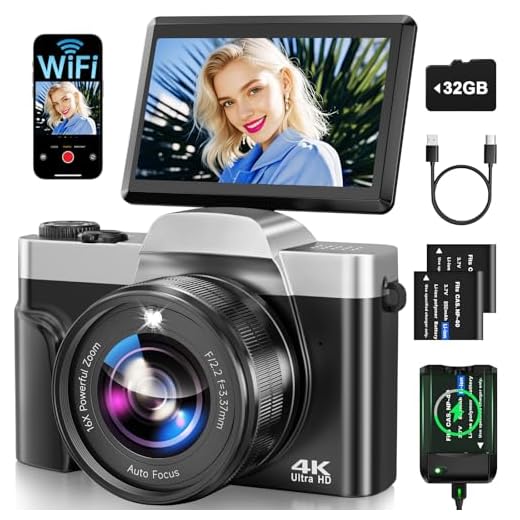
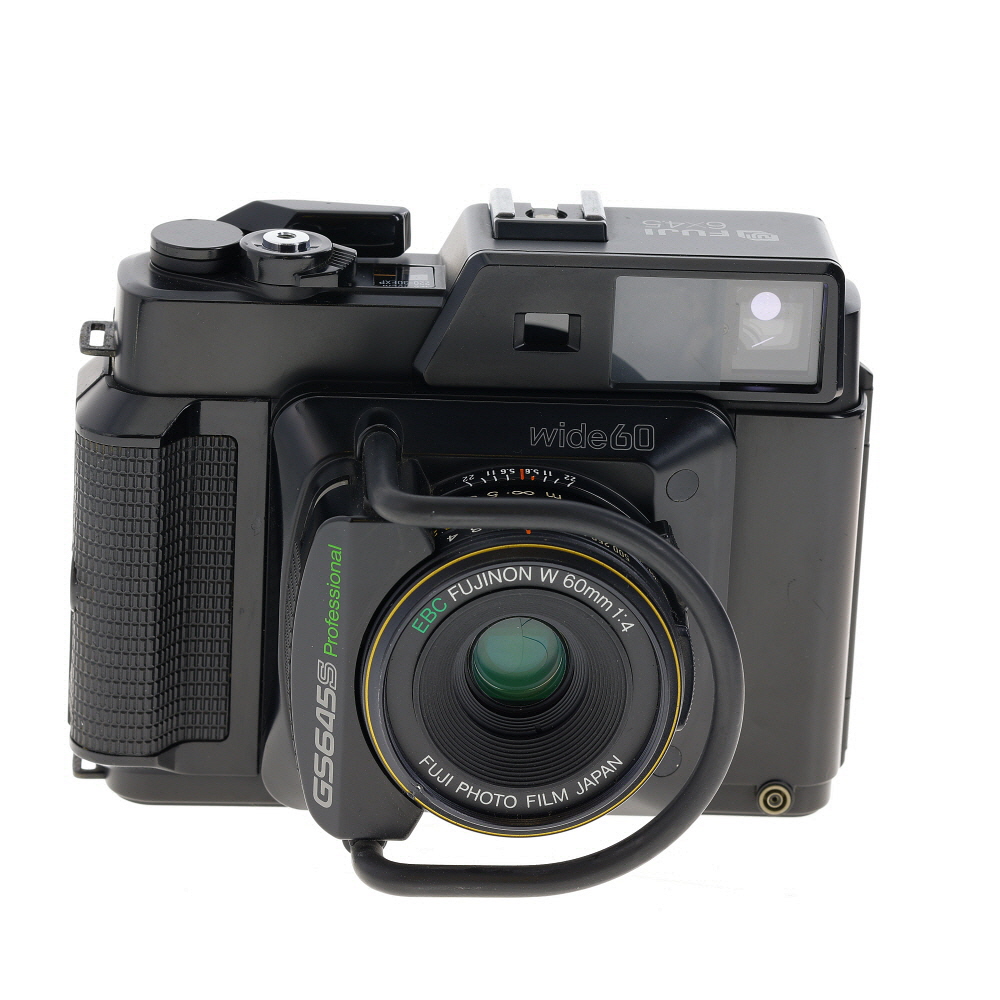
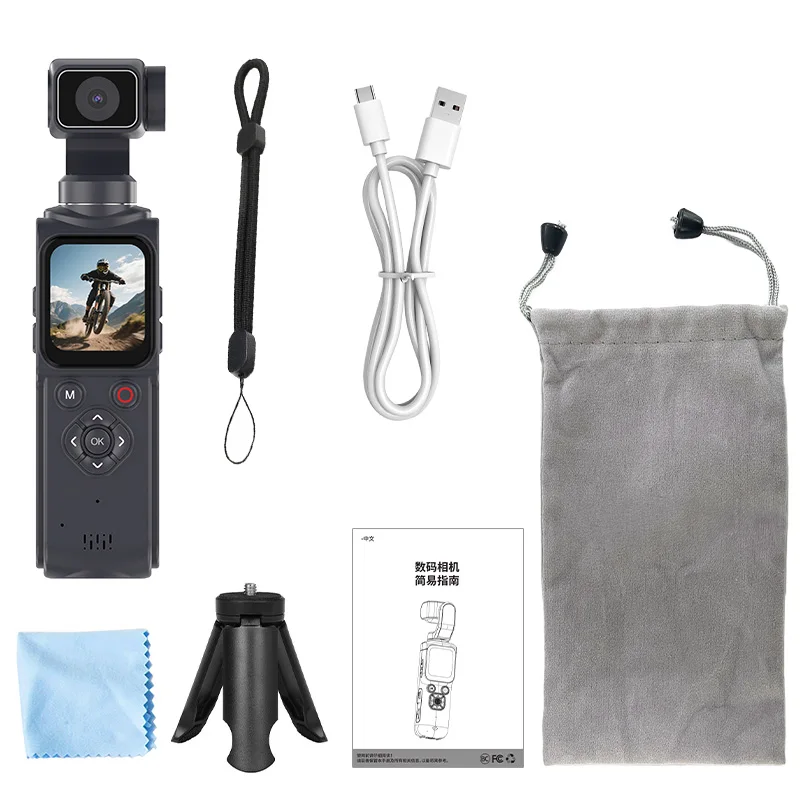
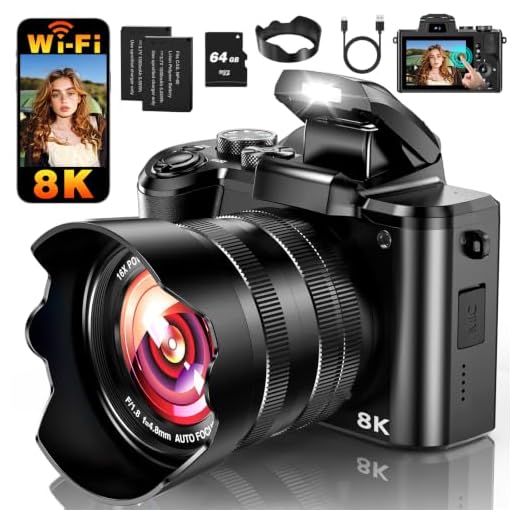
First and foremost, it’s important to understand your camera’s settings and features. Take the time to read the manual and familiarize yourself with the different modes, such as aperture priority, shutter priority, and manual mode. Experimenting with these settings will give you more control over your photos and allow you to achieve the desired effects.
Lighting plays a crucial role in photography, so pay attention to the quality and direction of light when shooting. Natural light is often the best choice for capturing beautiful, well-lit photos. Consider shooting during the golden hours of sunrise and sunset for soft, warm light that enhances your subjects.
Mastering the Basics
Before diving into advanced photography techniques, it’s crucial to master the basics of using your digital camera. Here are some key points to focus on:
Understanding Your Camera Settings
Take the time to familiarize yourself with the various settings on your camera, such as aperture, shutter speed, and ISO. Knowing how each setting affects your photos will help you make informed decisions while shooting.
Practice Composition Techniques
Composition plays a significant role in the quality of your photos. Experiment with different compositions, such as the rule of thirds, leading lines, and framing, to create visually appealing images.

Understanding Your Camera Settings
Before you start taking professional photos with your digital camera, it’s essential to understand your camera settings. Familiarize yourself with the different modes your camera offers, such as manual, aperture priority, and shutter priority. Each mode allows you to control specific aspects of the exposure, such as aperture, shutter speed, and ISO.
Manual mode: In this mode, you have full control over all the settings, including aperture, shutter speed, and ISO. It gives you the most flexibility but requires a good understanding of how each setting affects the final image.
Aperture priority: This mode allows you to set the aperture while the camera automatically adjusts the shutter speed to achieve the correct exposure. It’s great for controlling depth of field.
Shutter priority: In this mode, you choose the shutter speed, and the camera adjusts the aperture accordingly. It’s useful for capturing motion or freezing action.
Understanding how these settings work together will help you take professional-quality photos with your digital camera. Experiment with different settings to see how they affect your images and don’t be afraid to try new things!
Choosing the Right Lighting
Lighting is one of the most important factors in photography. When using a digital camera, it is crucial to choose the right lighting to achieve professional-looking photos.
Natural Light
One of the best sources of lighting for photography is natural light. Try to shoot during the golden hours, which are the first and last hours of sunlight in the day, for soft, warm light that can enhance your photos.
Artificial Light
If you are shooting indoors or in low-light conditions, consider using artificial lighting sources such as softboxes or studio lights. These can help you control the intensity and direction of light to create the desired effect in your photos.
Tip: Experiment with different lighting setups to see which works best for your subject and style of photography.
Composition Techniques
Composition is key to creating captivating and professional-looking photos with your digital camera. Here are some essential composition techniques to keep in mind:

Rule of Thirds
The Rule of Thirds is a fundamental concept in photography that involves dividing your frame into nine equal parts using two horizontal and two vertical lines. Place key elements of your composition along these lines or at their intersections to create a visually appealing and balanced image.
Leading Lines
Leading Lines are lines within your frame that lead the viewer’s eye towards the main subject of your photo. Look for natural or man-made lines such as roads, fences, or tree branches to guide the viewer’s gaze and create depth in your composition.
Rule of Thirds in Photography
The Rule of Thirds is a fundamental principle in photography composition that helps to create balanced and visually appealing images. The concept involves dividing your frame into a grid of nine equal sections by two horizontal and two vertical lines, resulting in nine equal rectangles. The key idea is to place your main subject or points of interest along these lines or at the intersections of the lines to create a more dynamic and engaging composition.
By following the Rule of Thirds, you can avoid placing your subject directly in the center of the frame, which can often result in static and less interesting photos. Instead, try positioning your subject slightly off-center to add interest and balance to your composition. This technique can help draw the viewer’s eye into the image and create a sense of movement and depth.
Using Leading Lines for Impact
Leading lines are a powerful composition technique that can enhance the visual impact of your photos. By using lines in your composition, you can guide the viewer’s eye through the image and create a sense of depth and movement. Look for natural or man-made lines in your environment, such as roads, fences, or buildings, and use them to lead the viewer’s gaze towards the main subject of your photo.

Advanced Techniques
1. Experiment with different lighting setups to create unique effects in your photos. Try using natural light, artificial light, or a combination of both to achieve the desired look.
2. Use a tripod to stabilize your camera and prevent camera shake, especially in low light conditions or when using slower shutter speeds.
3. Explore different composition techniques such as the rule of thirds, leading lines, and framing to add interest and depth to your photos.
4. Learn how to adjust the white balance settings on your camera to ensure accurate color reproduction in various lighting conditions.
5. Practice using manual mode to have full control over exposure settings such as aperture, shutter speed, and ISO for more creative flexibility.
6. Experiment with different lenses to achieve different perspectives and focal lengths for diverse photographic styles.
7. Post-process your photos using editing software to enhance colors, contrast, and sharpness, as well as remove any imperfections or distractions.
Experimenting with Depth of Field
One of the key elements in taking professional photos with a digital camera is mastering the concept of depth of field. Depth of field refers to the range of distance in a photo that appears sharp and in focus. By experimenting with depth of field, you can control what elements of your photo are in focus and what elements are blurred.
Aperture: One way to control depth of field is by adjusting the aperture setting on your camera. A wider aperture (small f-stop number) will create a shallow depth of field, where the background is blurred and the subject is in sharp focus. On the other hand, a smaller aperture (larger f-stop number) will create a deep depth of field, where more of the scene is in focus.
Tip: Experiment with different aperture settings to see how they affect the depth of field in your photos. This can help you create unique and visually interesting images.

FAQ
What are some tips for taking professional photos with a digital camera?
Some tips for taking professional photos with a digital camera include using manual mode to have more control over your settings, paying attention to lighting and composition, utilizing the rule of thirds, adjusting your white balance, and experimenting with different angles and perspectives.
What equipment do I need to take professional photos with a digital camera?
To take professional photos with a digital camera, you will need a camera body with manual settings, a variety of lenses for different types of shots, a tripod for stability, external flash for better lighting control, memory cards for storage, and editing software for post-processing.
How can I improve my photography skills when using a digital camera?
You can improve your photography skills with a digital camera by practicing regularly, studying composition techniques, learning about lighting, experimenting with different settings on your camera, seeking feedback from other photographers, and taking online photography courses or workshops to enhance your knowledge.


I really want to improve my photography skills. What are some beginner-friendly cameras that you would recommend for practicing these techniques?
I've been using a DSLR for about a year now, and mastering the manual mode really changed my photos. I used to rely on automatic settings, but controlling the aperture and shutter speed myself made a huge difference in depth and clarity. I still struggle a bit with lighting, though—any tips for shooting indoors?
I had the same issue! I found that using softboxes really helped with indoor lighting. It softens the shadows and creates a more even light. Plus, experimenting with different angles can make a big difference.
Can someone explain the rule of thirds more? I always forget how to apply it correctly in my photos.
The rule of thirds involves dividing your image into a 3×3 grid (think of it like a tic-tac-toe board). Place important elements along these lines or at their intersections to create a more balanced and dynamic composition.