
 Carmen J. Moore

Choosing the right digital camera can be a daunting task, especially when it comes to deciding on the number of pixels. Pixels are the tiny dots that make up a digital image, and the more pixels a camera has, the higher the resolution and image quality. But how many pixels do you really need?
It’s important to consider how you plan to use your photos. If you’re just sharing them on social media or viewing them on a computer screen, a camera with 10-12 megapixels should be more than enough. However, if you want to print large, high-quality images or crop photos extensively, you may want to opt for a camera with 20+ megapixels.

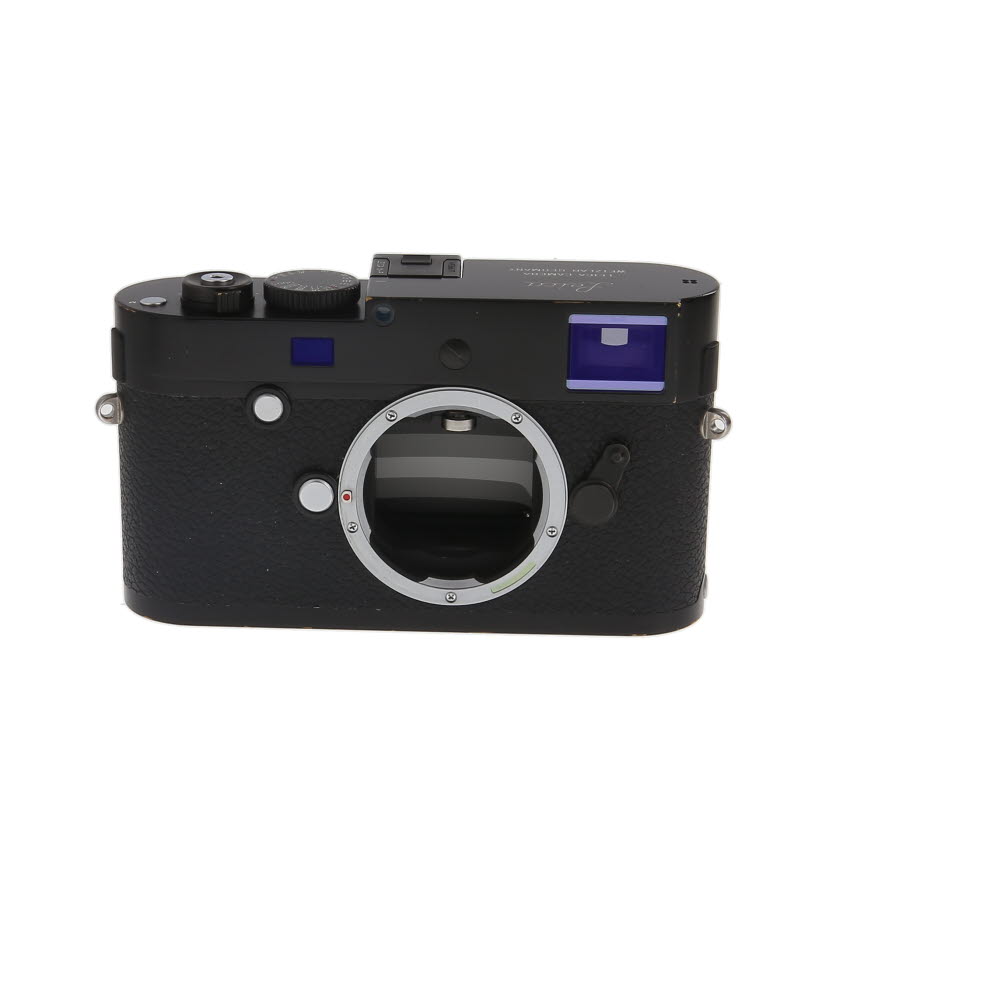
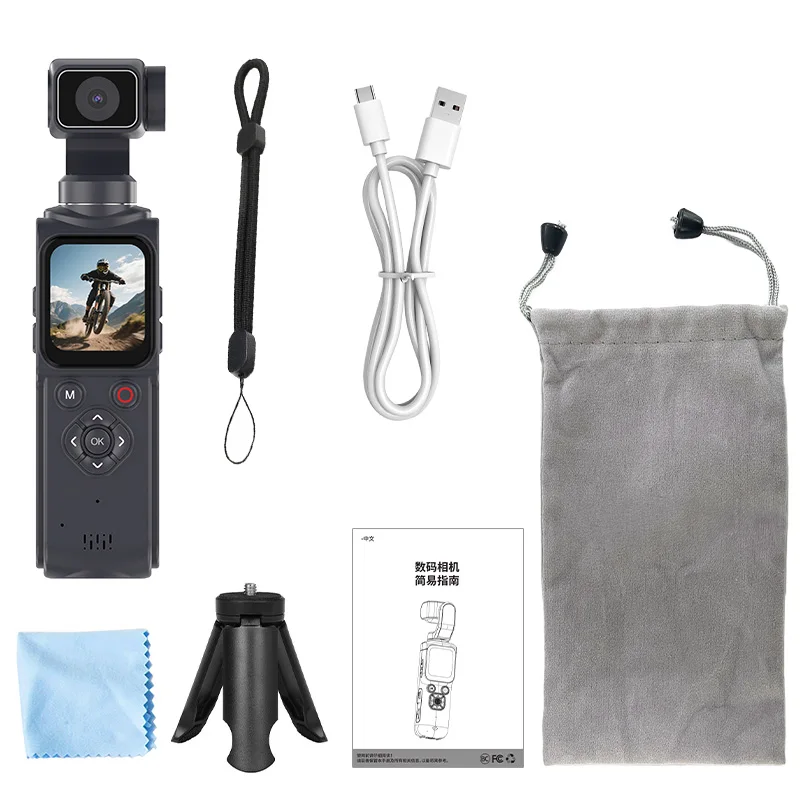

Ultimately, the best camera for you will depend on your specific needs and budget. Consider factors like resolution, sensor size, and lens quality to make an informed decision. Remember, it’s not just about the number of pixels, but also the overall image quality that matters.
Understanding Digital Camera Pixels
When choosing a digital camera, one of the key specifications to consider is the number of pixels it offers. Pixels are the tiny dots that make up a digital image. The more pixels a camera has, the higher the resolution of the images it can capture.
Higher resolution images have more detail and can be printed in larger sizes without losing quality. However, higher resolution cameras also produce larger file sizes, which can take up more storage space on your memory card and computer.
It’s important to strike a balance between resolution and file size based on your photography needs. For casual photographers, a camera with around 12-16 megapixels is usually sufficient for everyday use. If you plan to print large photos or crop images heavily, you may want a camera with more pixels, such as 20 megapixels or higher.
Ultimately, the best camera for you will depend on your budget, intended use, and personal preferences. Consider how you will be using your photos and choose a camera that offers the right balance of resolution and file size for your needs.

Pixel Count and Image Quality
When considering how many pixels you need in a digital camera, it’s important to understand the relationship between pixel count and image quality. The number of pixels in a camera’s sensor determines the resolution of the images it can produce. A higher pixel count generally results in sharper, more detailed images with better color accuracy.
However, simply having a high pixel count doesn’t guarantee superior image quality. Factors such as sensor size, lens quality, and image processing algorithms also play a significant role. It’s important to strike a balance between pixel count and other factors to ensure optimal image quality.
For most casual photographers, a camera with a resolution of around 12-16 megapixels is more than sufficient for capturing high-quality images for personal use. Professional photographers may require cameras with even higher pixel counts to meet the demands of their work.
Ultimately, the best camera for you will depend on your specific needs and budget. Consider factors beyond just pixel count when choosing a digital camera to ensure you get the best image quality for your photography goals.
Factors Affecting Pixel Count
1. Resolution: The higher the resolution, the more pixels are packed into the image, resulting in a clearer and more detailed picture.
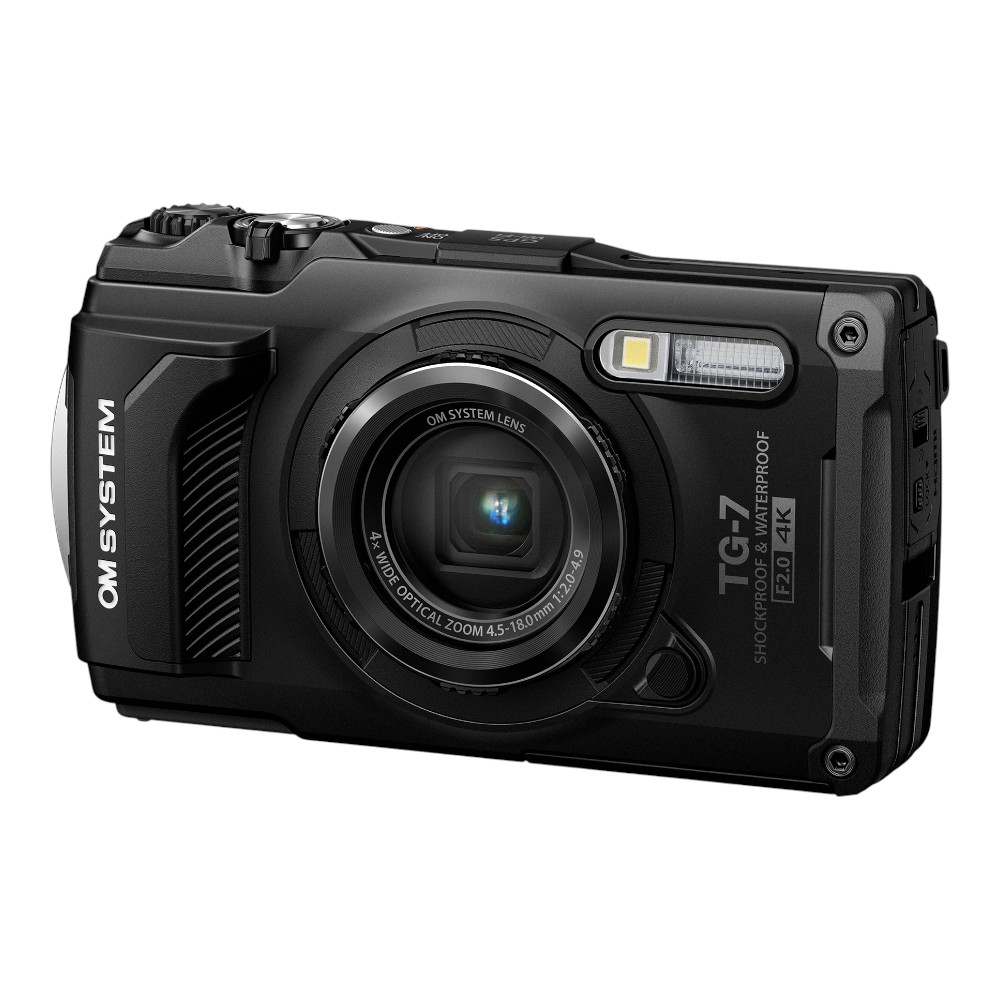
2. Sensor Size: A larger sensor can accommodate more pixels, leading to better image quality and higher resolution.
3. Lens Quality: The quality of the lens can affect the sharpness and clarity of the image captured by the camera’s sensor.
4. Image Sensor Type: Different types of image sensors, such as CMOS or CCD, can impact the pixel count and overall image quality.
5. Post-Processing: Editing and processing the image can also affect the final pixel count and overall image quality.
Recommended Pixel Count for Different Needs
When choosing a digital camera, it’s important to consider the pixel count to ensure you get the right resolution for your needs. Here are some recommendations based on common uses:
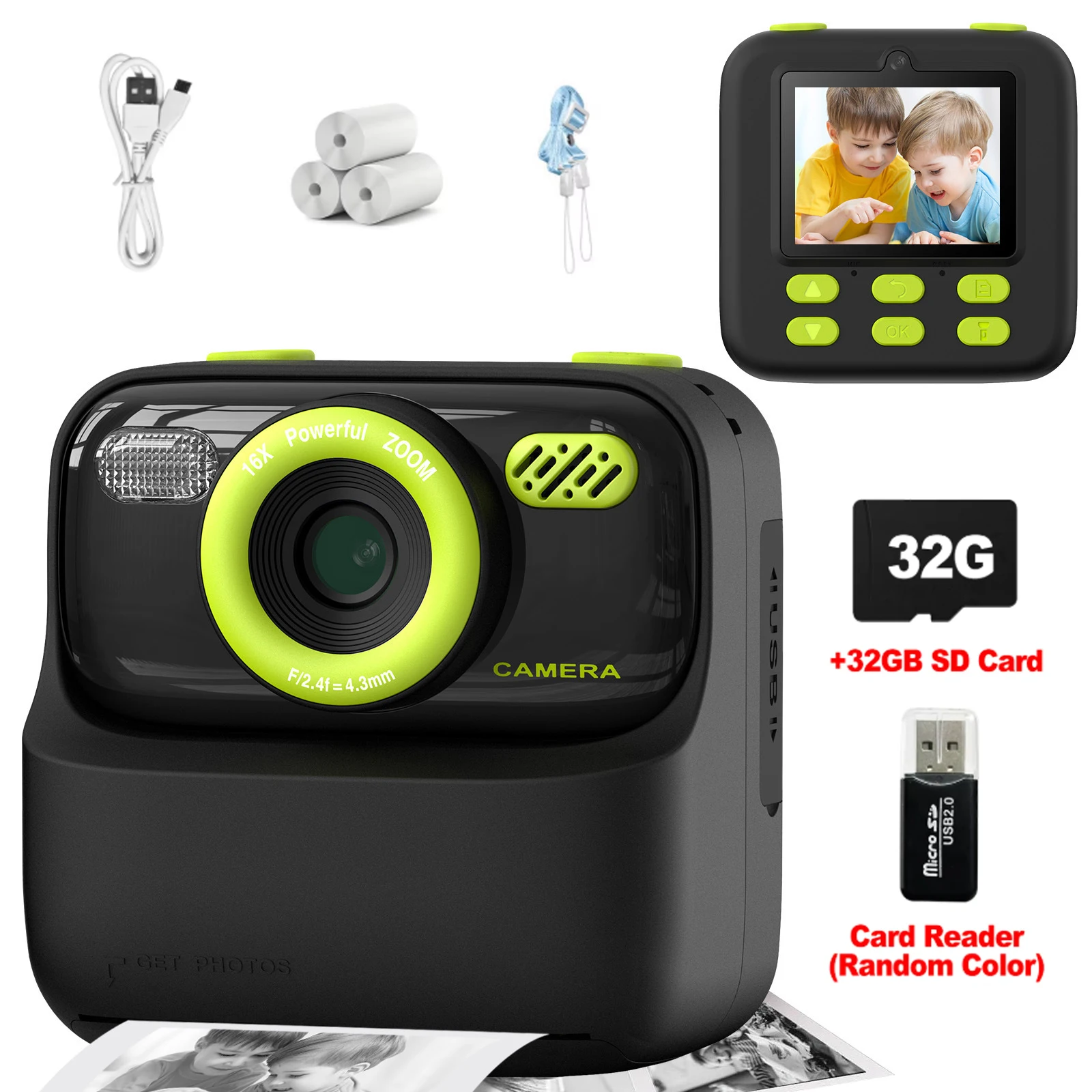
1. Social Media and Online Sharing:
For sharing photos on social media platforms or online, a camera with at least 12-16 megapixels is sufficient. This resolution will provide clear and detailed images when viewed on screens.
2. Printing Standard Photos:
If you plan to print standard 4×6 or 5×7 photos, a camera with 16-20 megapixels will deliver high-quality prints with sharp details and vibrant colors.
Keep in mind that higher megapixel counts can offer more flexibility when cropping or enlarging photos, but they also result in larger file sizes. Choose a pixel count that aligns with your intended use to ensure you get the best results.
Pixel Count vs. Sensor Size
When considering how many pixels you need in a digital camera, it’s important to also take into account the size of the sensor. The sensor size plays a crucial role in determining the image quality and low-light performance of a camera.
Pixel Count
The pixel count refers to the number of individual pixels on the camera sensor. A higher pixel count typically results in higher resolution images with more detail. However, simply having more pixels doesn’t always guarantee better image quality. Factors like sensor size and pixel size also play a significant role.

Sensor Size
The sensor size is the physical dimensions of the sensor inside the camera. A larger sensor can capture more light, resulting in better image quality, especially in low-light conditions. Larger sensors also allow for more dynamic range and better depth of field control.
| Pixel Count | Sensor Size | Image Quality |
|---|---|---|
| High | Small | Good, but limited by sensor size |
| High | Large | Excellent, better low-light performance |
| Low | Large | Good, but limited by pixel count |
Pixel Count and Printing Quality
When considering how many pixels you should get in a digital camera, it’s important to think about the printing quality you desire. The more pixels your camera has, the higher the resolution of your images, which translates to better print quality.
A general rule of thumb is that for standard photo prints (4×6 inches), a camera with at least 8 megapixels will provide good quality prints. However, if you plan to print larger photos or crop your images extensively, you may want to opt for a camera with higher megapixel count.
Choosing the Right Pixel Count for You
When it comes to selecting a digital camera, one of the most important factors to consider is the pixel count. The pixel count refers to the number of individual points of color that make up an image. Higher pixel counts generally result in sharper, more detailed photos.
Factors to Consider
When deciding on the right pixel count for your needs, consider the type of photography you plan to do. If you mainly take photos for social media or personal use, a lower pixel count may be sufficient. However, if you are a professional photographer or plan to print your photos in large formats, a higher pixel count is recommended for optimal quality.
It’s important to strike a balance between resolution and file size. Higher pixel counts produce larger file sizes, which can take up more space on your memory card and hard drive. Consider how you plan to store and share your photos when choosing a pixel count.
Pixel Count in Smartphone Cameras
When it comes to smartphone cameras, the pixel count refers to the number of individual pixels that make up an image captured by the camera sensor. The pixel count is often used as a measure of image quality and resolution.
Importance of Pixel Count
Higher pixel counts generally result in sharper and more detailed images. This is particularly important for activities such as cropping or enlarging photos, where having more pixels allows for more flexibility without losing image quality.
Choosing the Right Pixel Count
While a higher pixel count is generally desirable, it’s important to consider other factors such as sensor size, aperture, and image processing capabilities when choosing a smartphone camera. Ultimately, the best camera for you will depend on your photography needs and preferences.
Future Trends in Digital Camera Pixels
As technology continues to advance, the number of pixels in digital cameras is expected to increase significantly. Higher pixel counts allow for sharper images with more detail, making them ideal for professional photographers and enthusiasts alike.
1. Increase in Megapixels
One of the main trends in digital camera pixels is the continuous increase in megapixels. Manufacturers are constantly developing sensors with higher pixel counts, resulting in cameras with resolutions of 20 megapixels or more becoming increasingly common.
2. Advancements in Sensor Technology
Another trend in digital camera pixels is the advancement of sensor technology. Manufacturers are working on developing sensors with improved sensitivity and dynamic range, allowing for better image quality even in low-light conditions.
- Enhanced Color Accuracy
- Reduced Noise Levels
- Improved Signal-to-Noise Ratio
Overall, the future of digital camera pixels looks promising, with higher resolutions and improved image quality on the horizon.
FAQ
What is the importance of pixel count in a digital camera?
The pixel count in a digital camera determines the level of detail and resolution in the images captured. More pixels generally result in higher quality images with better clarity and sharpness.
How do I choose the right pixel count for a digital camera?
The right pixel count depends on your intended use for the images. For casual photography, 12-16 megapixels is usually sufficient. However, for professional or high-quality prints, you may want to opt for a camera with 20 megapixels or more.

Can a higher pixel count compensate for other camera features?
While a higher pixel count can improve image quality, it is not the only factor to consider. Other features such as sensor size, lens quality, and image processing also play a significant role in the overall performance of a digital camera.


When I switched to a camera with 20+ megapixels, I noticed a huge difference in clarity, especially when printing larger photos. However, the files are much bigger, which can be a hassle. For everyday use, I think 12-16 megapixels works well, but I love the extra detail for my prints.
Thanks for sharing your experience! It's true that while higher megapixels can enhance print quality, they also require more storage. Choosing the right pixel count really depends on your specific needs.
I disagree about needing 20+ megapixels for professional work. I’ve seen great results with 16-megapixel cameras, especially when paired with good lenses.
I’ve been looking at cameras with around 16 megapixels for casual photography. Would this be sufficient for printing standard photos, or should I go for something higher?
A 16-megapixel camera should be fine for 4×6 prints. I’ve used one before, and the quality was great for personal photos.