
 Carmen J. Moore

When it comes to capturing moments, the choice between a digital camera and a film camera can significantly impact the outcome of your photographs. The evolution of photography has led to the rise of digital cameras, which have revolutionized the way we take and share pictures.
While film cameras rely on traditional photographic film to capture images, digital cameras use electronic sensors to record light and create digital files. This fundamental difference between the two types of cameras results in varying features, advantages, and limitations.

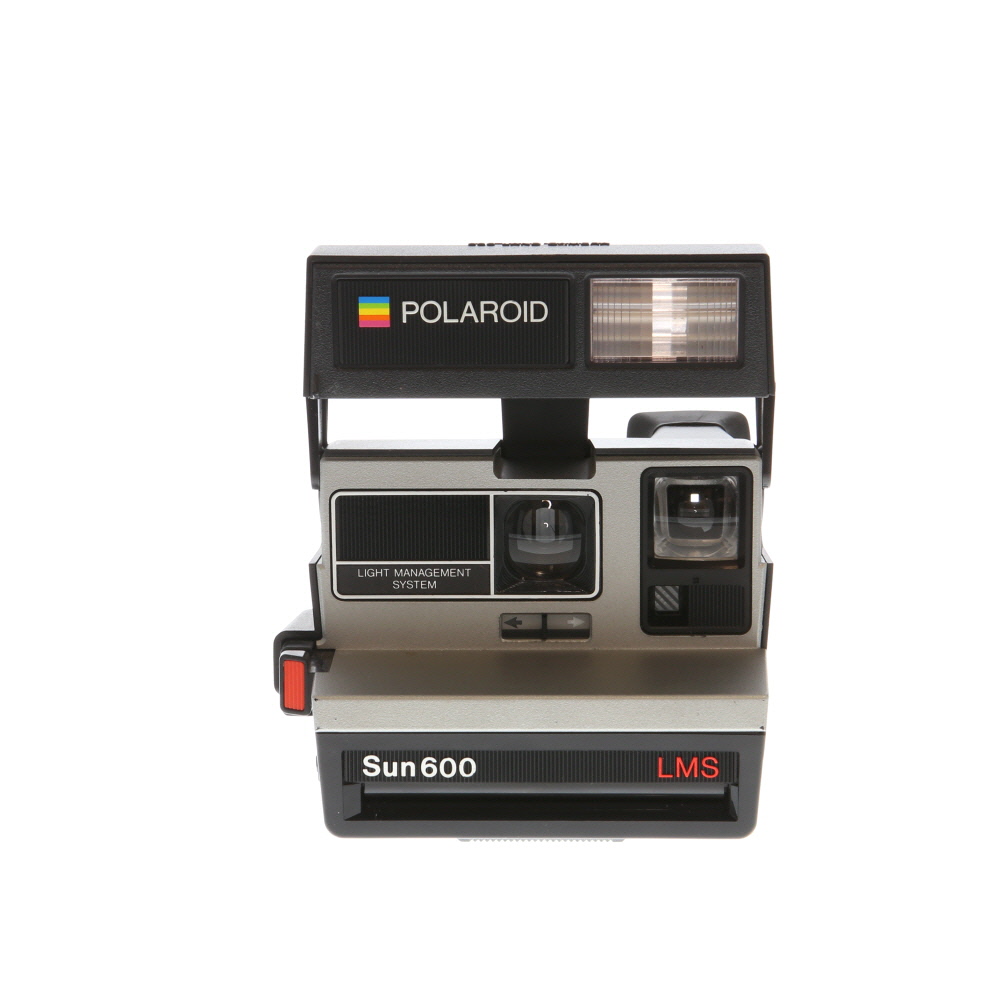
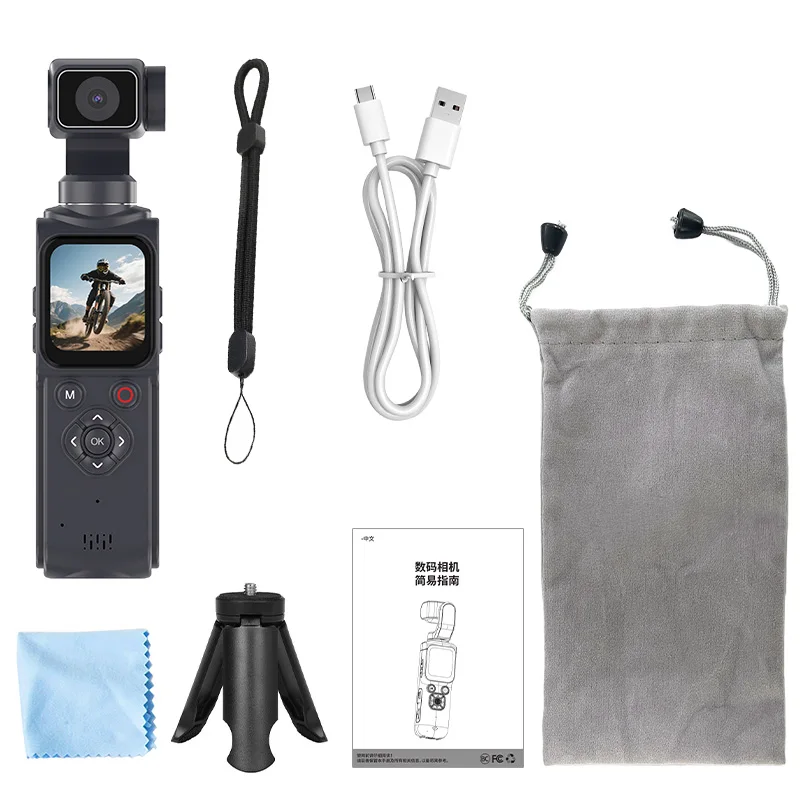

Exploring the distinctions between digital and film cameras can help photographers understand the unique characteristics of each technology and make informed decisions when choosing the right tool for their creative vision.
Key Differences Between Digital and Film Cameras
1. Image Capture: Digital cameras use electronic sensors to capture images, while film cameras use photographic film to record images.
2. Image Processing: Digital cameras process images electronically, allowing for immediate viewing and editing, whereas film cameras require developing and printing to see the final images.
3. Storage: Digital cameras store images on memory cards, making it easy to transfer and store large numbers of photos, while film cameras store images on physical film rolls.
4. Cost: Digital cameras have higher upfront costs due to the technology involved, but offer savings in the long run as there are no film or developing costs.

5. Resolution: Digital cameras typically have higher resolution capabilities, allowing for sharper and more detailed images compared to film cameras.
6. Instant Feedback: Digital cameras provide instant feedback on captured images, allowing photographers to adjust settings and composition immediately, which is not possible with film cameras.
7. Environmental Impact: Digital cameras have a lower environmental impact as they do not require film processing chemicals and reduce waste from disposable film rolls.
Resolution and Image Quality
One of the key differences between digital and film cameras is the way they capture images in terms of resolution and image quality. Digital cameras use sensors to capture images, which are made up of pixels. The resolution of a digital camera is determined by the number of pixels on its sensor, with higher resolutions producing sharper and more detailed images.
Film cameras, on the other hand, capture images on light-sensitive film. The quality of the image is dependent on the type of film used and the processing techniques. While film can produce rich and natural colors, digital cameras have made significant advancements in image quality, often producing more vibrant and detailed images.

Storage and Convenience
One of the key differences between a digital camera and a film camera is the way they store photos. A digital camera uses memory cards to store images, allowing users to take hundreds or even thousands of photos without needing to change film rolls. This makes digital cameras much more convenient for capturing a large number of images in a single session.
Additionally, digital cameras offer instant access to photos through the camera’s LCD screen or by transferring images to a computer. This immediate feedback allows photographers to review and delete unwanted shots on the spot, saving time and ensuring better results.
In contrast, film cameras require physical film rolls that need to be developed before images can be viewed. This process is time-consuming and adds an extra step to the photography workflow, making digital cameras a more efficient and practical choice for many users.
Editing and Sharing
One of the major advantages of digital cameras over film cameras is the ease of editing and sharing photos. With a digital camera, you can instantly view the photos you have taken on the camera’s LCD screen and make adjustments to exposure, color, and composition right away. This immediate feedback allows you to retake a shot if needed, ensuring you get the perfect image every time.
Editing Software
Once you have taken your photos, you can easily transfer them to your computer and use editing software such as Adobe Photoshop or Lightroom to enhance and manipulate the images. These programs offer a wide range of tools and filters to help you adjust brightness, contrast, saturation, and more. You can also crop and resize photos, remove blemishes, and add creative effects to make your photos truly stand out.
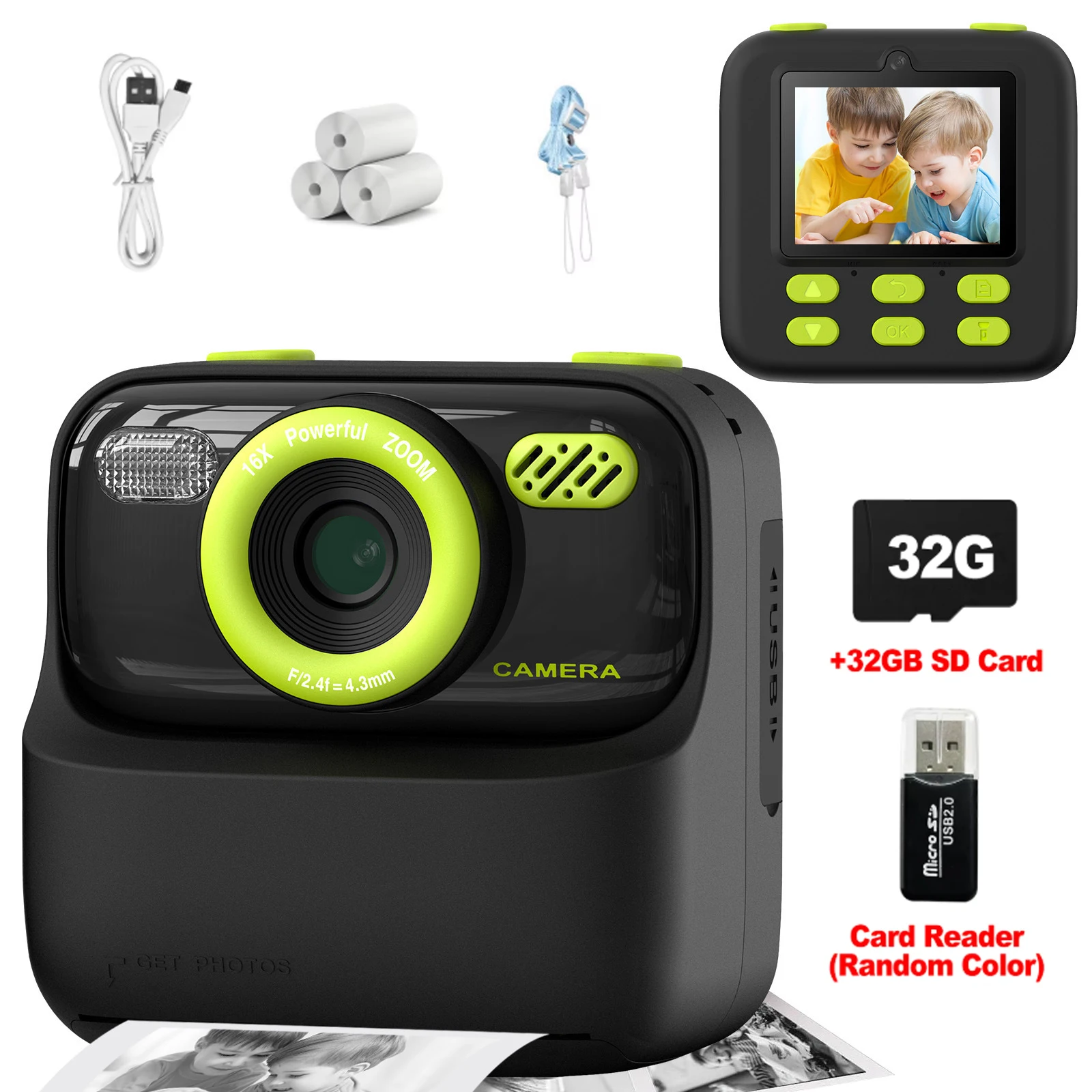
Sharing Options
After editing your photos, you can quickly share them with friends and family through social media platforms like Facebook, Instagram, and Twitter. You can also email the photos or create online photo albums to share with a wider audience. Digital cameras make it easy to share your memories with others and receive instant feedback on your work.
| Editing and Sharing | Digital Camera | Film Camera |
|---|---|---|
| Immediate feedback | ✔️ | ❌ |
| Editing software | ✔️ | ❌ |
| Sharing options | ✔️ | ❌ |
Cost and Long-term Savings
One of the key differences between a digital camera and a film camera is the cost associated with each. While a digital camera may have a higher upfront cost, it can actually save you money in the long run. With a digital camera, you don’t need to purchase film rolls or pay for developing and printing. This can result in significant savings over time, especially if you take a lot of photos.
Additionally, digital photos can be easily stored and shared online, eliminating the need for physical albums or prints. This can also save you money on storage and printing costs in the long term.
Overall, while a digital camera may require a larger initial investment, the cost savings over time can make it a more economical choice compared to a film camera.
Response Time and Instant Feedback
One of the key differences between a digital camera and a film camera is the response time and instant feedback that digital cameras offer. With a digital camera, you can instantly view the photo you have taken on the LCD screen, allowing you to quickly assess the composition, exposure, and other factors. This immediate feedback enables you to make adjustments and retake the photo if needed, leading to a more efficient and effective photography process.

In contrast, with a film camera, you have to wait until the film is developed to see the final result. This delay in feedback can be a drawback, especially in situations where you need to capture a fleeting moment or make quick adjustments to your settings. Digital cameras provide photographers with the advantage of instant feedback, helping them to capture the perfect shot more efficiently.
Environmental Impact
One of the key differences between digital and film cameras is their environmental impact. Film cameras require film rolls, which are made of plastic and contain chemicals that can be harmful to the environment if not disposed of properly. These chemicals can leach into the soil and water, causing pollution.
Digital cameras, on the other hand, do not require film rolls. They use digital storage media such as memory cards to store images. While memory cards are also made of plastic, they can be reused multiple times, reducing the amount of plastic waste generated. Additionally, digital cameras do not require the use of chemicals in the development process, further reducing their environmental impact.
Energy Consumption
Another aspect of the environmental impact is energy consumption. Digital cameras require electricity to operate, which can contribute to carbon emissions if the electricity is generated from fossil fuels. However, advancements in energy efficiency have made digital cameras more eco-friendly compared to film cameras in terms of energy consumption.
Overall Impact
Overall, digital cameras have a lower environmental impact compared to film cameras due to their reduced use of chemicals, reusable storage media, and improved energy efficiency. However, it is important to consider the environmental impact of electronics manufacturing and disposal when choosing between digital and film cameras.
| Environmental Impact | Digital Camera | Film Camera |
|---|---|---|
| Chemical Pollution | Low (no chemicals used in development) | High (chemicals in film rolls) |
| Plastic Waste | Low (reusable memory cards) | High (non-reusable film rolls) |
| Energy Consumption | Medium (requires electricity) | Low (no electricity required) |
Lens Compatibility and Flexibility
One key advantage of digital cameras over film cameras is the flexibility and compatibility with different lenses. Digital cameras often have interchangeable lenses, allowing photographers to choose the right lens for the specific shot they want to capture. This flexibility enables photographers to experiment with different focal lengths, apertures, and styles without having to invest in multiple cameras.
Furthermore, digital cameras can often be adapted to use lenses from different manufacturers, expanding the range of options available to photographers. This compatibility gives photographers the freedom to use a wide variety of lenses, from wide-angle to telephoto, macro to fisheye, and everything in between.
Learning Curve and Technical Skills
One of the main differences between a digital camera and a film camera is the learning curve and technical skills required to operate them effectively.
With a digital camera, users can instantly see the photos they have taken on the camera’s screen and make adjustments accordingly. This immediate feedback allows for a faster learning process and helps users improve their photography skills more quickly.
On the other hand, using a film camera requires a good understanding of photography principles such as exposure, aperture, and shutter speed before taking a picture. Additionally, users need to wait for the film to be developed before seeing the final results, making it a more time-consuming and challenging process.
Historical Significance and Nostalgia
When comparing digital cameras to film cameras, one aspect that often comes up is the historical significance and nostalgia associated with film photography. Film cameras have a long and rich history, dating back to the early days of photography. Many iconic photographs from the past were captured using film cameras, adding to their historical importance.
For many photographers and enthusiasts, film cameras hold a special place in their hearts due to the unique characteristics of film photography. The process of loading film, taking limited shots, and waiting for the film to be developed creates a sense of anticipation and excitement that is often missing in the instant gratification of digital photography.
The Beauty of Film Photography
One of the main reasons why film cameras continue to be cherished is the aesthetic quality of film photography. Film has a distinct look and feel that is hard to replicate with digital technology. The grain, color rendition, and dynamic range of film images have a unique charm that many photographers find appealing.
Collector’s Items
Due to their historical significance and nostalgic appeal, film cameras have become collector’s items for many photography enthusiasts. Vintage film cameras are highly sought after, not only for their functionality but also as pieces of photographic history. Collectors often enjoy the tactile experience of using film cameras and the sense of connection to the past that they provide.
| Film Cameras | Digital Cameras |
| Rich historical significance | Modern technological advancements |
| Nostalgic appeal | Instant digital results |
| Distinct aesthetic quality | High-resolution digital images |
FAQ
What are the main differences between a digital camera and a film camera?
A digital camera captures images electronically on a digital sensor, while a film camera captures images on a photosensitive film. Digital cameras store images digitally on memory cards, while film cameras require physical film to be developed. Digital cameras offer instant image review and editing capabilities, while film cameras require developing and printing to see the final image.

How does the image quality differ between digital and film cameras?
Digital cameras generally offer higher resolution and the ability to adjust settings like ISO, white balance, and exposure digitally. Film cameras may have a unique aesthetic due to the film grain and color rendition, but digital cameras provide more control over the final image and easier sharing and editing options.
What are some advantages of using a digital camera over a film camera?
Digital cameras allow for instant image review, the ability to shoot in different lighting conditions without changing film rolls, and the convenience of storing images digitally without physical prints. Additionally, digital cameras offer a range of shooting modes, image stabilization features, and the flexibility to shoot in various formats without the need to switch film rolls.



I've always used film, but I tried a digital camera recently and was amazed by the instant feedback. It feels like I can learn and improve so much faster. However, I still appreciate the rich colors that film captures. It's tough to decide which is better overall.
What exactly do you mean by digital cameras having lower environmental impact? Is it just about the chemicals?
Great question! Digital cameras avoid the harmful chemicals used in film development and reduce waste from physical film rolls. Also, memory cards can be reused, which helps cut down on plastic waste.
I love that digital cameras let you edit on the spot. That alone is a huge plus for me!
I disagree with the idea that digital is always cheaper in the long run. If you shoot a lot, those costs can stack up quickly, especially with high-quality lenses and equipment.
That's a valid point! While digital cameras reduce ongoing film costs, the initial investment and potential equipment upgrades can be significant. It's important to consider individual shooting habits and preferences.
Isn't it true that film has a unique aesthetic that some people really love? I feel like digital can be too clinical sometimes.
Totally agree! Film has a warmth and grain that digital often lacks. Both have their merits, though.
Can anyone share their experiences with transitioning from film to digital? I'm curious about how the change affected their photography style.
I switched to digital a few years ago, and it really changed the way I shoot. I find I'm more spontaneous now because I can take so many shots without worrying about costs.