Carmen J. Moore
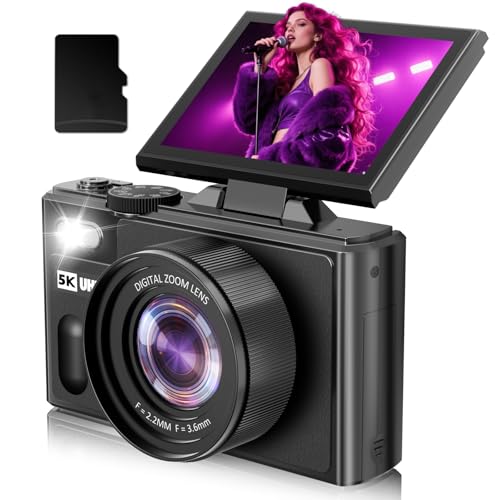
A digital camera is a complex device that captures images in a digital format, allowing users to store and manipulate photos on a computer or other digital device. Unlike traditional film cameras, digital cameras use electronic sensors to record images. These sensors convert light into electrical signals, which are then processed and stored as digital data.
When you press the shutter button on a digital camera, the sensor captures the light that enters the camera lens and converts it into an image. The camera’s processor then processes this data and saves it to a memory card or internal storage.


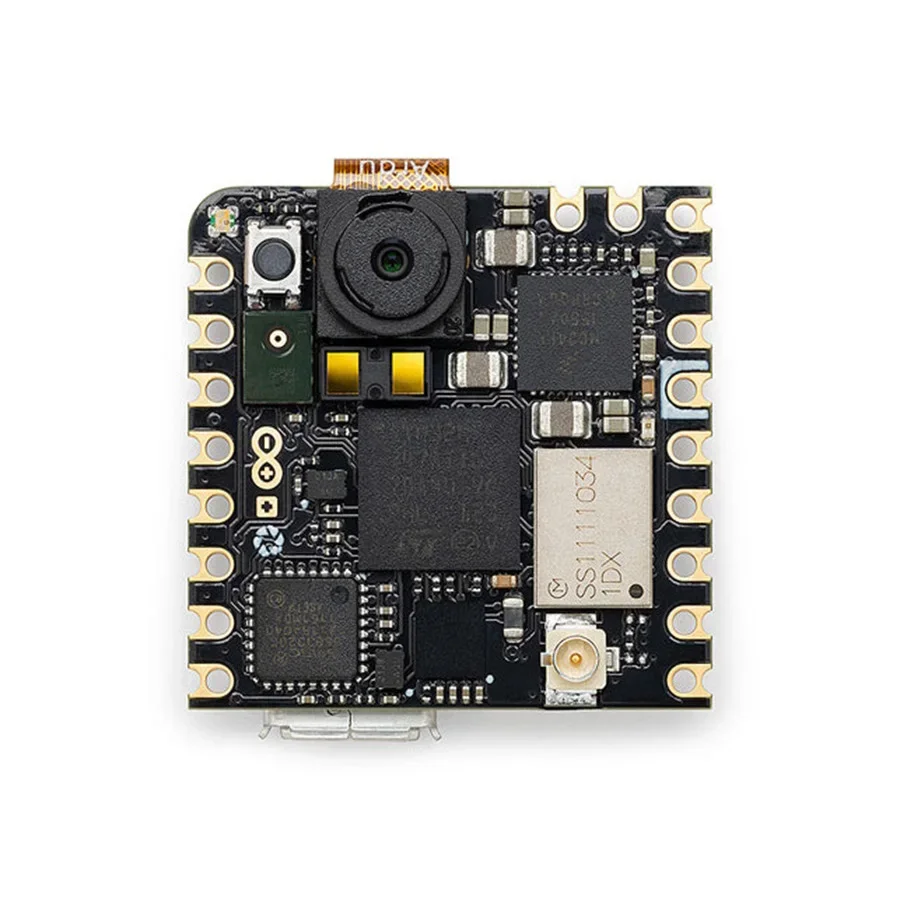

Modern digital cameras offer a wide range of features and capabilities, including autofocus, image stabilization, and various shooting modes. Understanding how a digital camera works can help you take better photos and make the most of your photography experience.
Understanding the Basics
A digital camera works by capturing light through a lens and converting it into an electronic image that can be stored and displayed. Let’s break down the process:
- Light Sensing: When you press the shutter button, light enters through the camera’s lens and hits the image sensor.
- Image Sensor: The image sensor is made up of millions of tiny light-sensitive pixels that convert light into electrical signals.
- Digital Signal Processing: The electrical signals are then processed by the camera’s image processor to create a digital image file.
- Storage: The digital image file is saved onto a memory card inside the camera for later viewing or transfer to a computer.
- Display: The digital image can be viewed on the camera’s LCD screen or transferred to a computer for editing and sharing.
What is a digital camera?
A digital camera is a device that captures and stores photographs in digital format. Unlike traditional film cameras, digital cameras use electronic sensors to capture images and store them on memory cards. These images can then be transferred to a computer or printed directly from the camera. Digital cameras allow users to view and delete photos instantly, as well as adjust settings such as exposure, white balance, and ISO sensitivity. They have become increasingly popular due to their convenience, versatility, and ability to easily share photos online.
Key Components
A digital camera consists of several key components that work together to capture and store images:
1. Image Sensor
The image sensor is the heart of a digital camera. It converts light into electrical signals, which are then processed to create a digital image. There are two main types of image sensors used in digital cameras: CCD (Charge-Coupled Device) and CMOS (Complementary Metal-Oxide-Semiconductor).

2. Lens
The lens of a digital camera focuses light onto the image sensor, determining the sharpness and quality of the captured image. Different lenses have different focal lengths and apertures, which affect the depth of field and amount of light entering the camera.
Working Mechanism
A digital camera works by capturing light through a lens and converting it into an electronic image.
When you press the shutter button, the camera’s sensor is exposed to light, and it records the light as individual pixels.
These pixels are then processed by the camera’s image processor to create a digital image file.
The image file can then be stored on a memory card and viewed on the camera’s screen or downloaded to a computer for further editing and sharing.
Capture and Processing
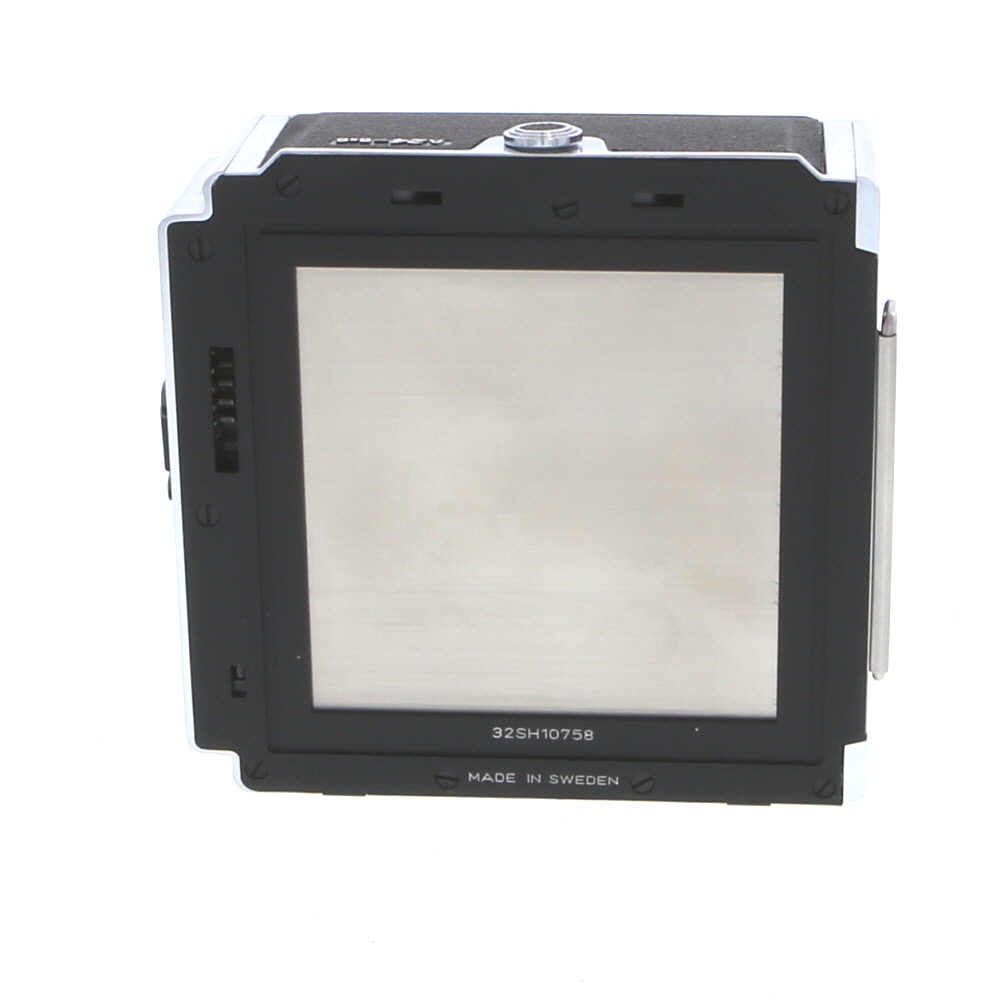
A digital camera captures images by using a sensor to convert light into electrical signals. When you press the shutter button, the camera’s sensor records the light that enters the lens and converts it into digital data. This data is then processed by the camera’s image processor, which applies various algorithms to enhance the image quality, adjust exposure, color balance, and sharpness. The processed image is then stored on a memory card in a digital format such as JPEG or RAW, ready for you to view or edit on a computer or other device.
Storage of Images
Once the digital camera captures an image, it stores it in its internal memory or on a removable memory card. The image is converted into a digital file format, such as JPEG or RAW, which allows for easy storage and manipulation.
The size of the image file depends on the resolution and quality settings chosen by the user. Higher resolution and quality settings result in larger file sizes, requiring more storage space.
Internal Memory vs. Memory Card
Some digital cameras have built-in internal memory, while others rely on removable memory cards. Internal memory is limited in capacity and may fill up quickly, especially when capturing high-resolution images or videos. Memory cards provide additional storage space and can be easily swapped out when full.
Tip: It’s recommended to regularly transfer images from the camera to a computer or external storage device to free up space and ensure that precious memories are safely stored.
Sensor Technology
The key component of a digital camera is its image sensor, which captures the light entering the camera and converts it into a digital image. There are two main types of sensors used in digital cameras: CCD (Charge-Coupled Device) and CMOS (Complementary Metal-Oxide-Semiconductor). Both types work by converting light into electrical signals.
CCD sensors use a grid of light-sensitive diodes to capture light and convert it into electrical signals. These signals are then read and processed to create a digital image. CMOS sensors, on the other hand, use a different approach where each pixel on the sensor has its own amplifier and A/D converter, allowing for faster readout speeds and lower power consumption.
Modern digital cameras use advanced sensor technology to capture high-quality images with great detail and color accuracy. The choice between CCD and CMOS sensors depends on factors like cost, power consumption, and performance requirements, with CMOS sensors becoming more popular due to their flexibility and efficiency.
CMOS vs. CCD Sensors
When it comes to digital cameras, two main types of image sensors are commonly used: CMOS (Complementary Metal-Oxide-Semiconductor) and CCD (Charge-Coupled Device). Both sensors serve the same basic function of converting light into electronic signals, but they have different structures and work in slightly different ways.
CMOS sensors are known for their low power consumption, which makes them popular in portable devices like smartphones and digital cameras. They also tend to have faster readout speeds, meaning they can capture images more quickly. On the other hand, CCD sensors typically offer better image quality, especially in low light conditions, due to their larger pixel sizes and better dynamic range.
While both sensor types have their strengths and weaknesses, the choice between CMOS and CCD sensors often comes down to the specific requirements of the application and the desired balance between power consumption, speed, and image quality.
Lens and Focus
The lens of a digital camera plays a crucial role in capturing sharp and clear images. When light enters the camera through the lens, it is focused onto the image sensor. The focus of the lens determines how sharp or blurry the image will appear. By adjusting the focus, the photographer can control the clarity and sharpness of the photo. Many digital cameras have autofocus systems that automatically adjust the focus to ensure that the subject is sharp and in focus. Some cameras also allow manual focus adjustments for more precise control over the image quality.
FAQ
How does a digital camera work?
A digital camera works by capturing light through a lens and converting it into digital data. The light enters the camera through the lens, where it is focused onto an image sensor made up of millions of tiny light-sensitive diodes called photosites. Each photosite converts the light it receives into an electrical signal, which is then processed by the camera’s image processor and stored as a digital file on a memory card.
What are the main components of a digital camera?
The main components of a digital camera include a lens, image sensor, image processor, memory card, and LCD screen. The lens captures light and focuses it onto the image sensor, which converts the light into digital data. The image processor processes the data and stores it on a memory card. The LCD screen allows the user to preview and review images.
Can you explain the difference between a digital camera and a film camera?
A digital camera captures images electronically using an image sensor, while a film camera captures images on photographic film. Digital cameras store images as digital files on memory cards, making it easy to view, edit, and share them. Film cameras require the film to be developed before the images can be viewed. Digital cameras also offer more control over settings and the ability to instantly review images.