
 Carmen J. Moore

Digital cameras have revolutionized the way we capture and store images, but have you ever wondered how they actually work? At the heart of every digital camera is its optics system, which plays a crucial role in capturing sharp and clear images. The optics system of a digital camera consists of several components, including the lens, image sensor, and image processor.
The lens of a digital camera functions much like the lens of a traditional film camera, focusing light onto the image sensor. The image sensor is a crucial component that converts light into digital signals, which are then processed by the camera’s image processor. The image processor plays a key role in enhancing the quality of the captured image, adjusting factors like color balance, exposure, and sharpness.
Understanding how the optics of a digital camera work can help you take better photos and make the most of your camera’s capabilities. By mastering the basics of optics, you can unlock the full potential of your digital camera and capture stunning images with ease.




Understanding the Basics of Digital Camera Optics
Optics play a crucial role in the functioning of a digital camera. The lens of the camera focuses light onto a sensor, which then converts it into an electronic signal. The quality of the optics directly impacts the clarity and sharpness of the image captured.
Aperture is an important aspect of camera optics, controlling the amount of light that enters the lens. A larger aperture lets in more light, which is useful in low-light conditions, while a smaller aperture increases depth of field, keeping more of the image in focus.
Understanding the focal length of a lens is essential for capturing different types of shots. A shorter focal length provides a wider field of view, ideal for landscapes, while a longer focal length magnifies distant subjects, perfect for portraits or wildlife photography.
Image stabilization is another key feature of camera optics, helping to reduce blur caused by shaky hands or movement. Optical image stabilization compensates for motion by adjusting the position of lens elements, resulting in sharper images.
By grasping the basics of digital camera optics, photographers can make informed decisions when selecting lenses and settings to achieve the desired results in their photography.

Exploring the Role of Lenses in Digital Photography
Lenses are a critical component of digital cameras, playing a vital role in capturing high-quality images. They are responsible for focusing light onto the camera’s image sensor, creating sharp and clear photographs. Different lenses have unique characteristics, such as focal length, aperture, and optical quality, which impact the final image.
Focal length determines the angle of view and magnification of the image. Wide-angle lenses have short focal lengths and capture a broader scene, while telephoto lenses have longer focal lengths and bring distant subjects closer. Aperture controls the amount of light entering the camera, affecting exposure and depth of field. A wider aperture (smaller f-stop number) allows more light and creates a shallower depth of field, blurring the background.
Moreover, optical quality is crucial for sharpness and clarity. High-quality lenses minimize distortion, chromatic aberration, and lens flare, producing crisp and detailed photos. Professional photographers often invest in premium lenses to achieve superior image quality and artistic effects.
In conclusion, lenses play a fundamental role in digital photography, influencing image composition, exposure, and overall image quality. Understanding the characteristics of different lenses and their impact on photography is essential for capturing stunning and visually appealing images.
How Light is Captured by the Camera Sensor
Once light enters the camera through the lens, it passes through the aperture and reaches the image sensor. The image sensor is made up of millions of tiny light-sensitive photodiodes that convert light into electrical signals.
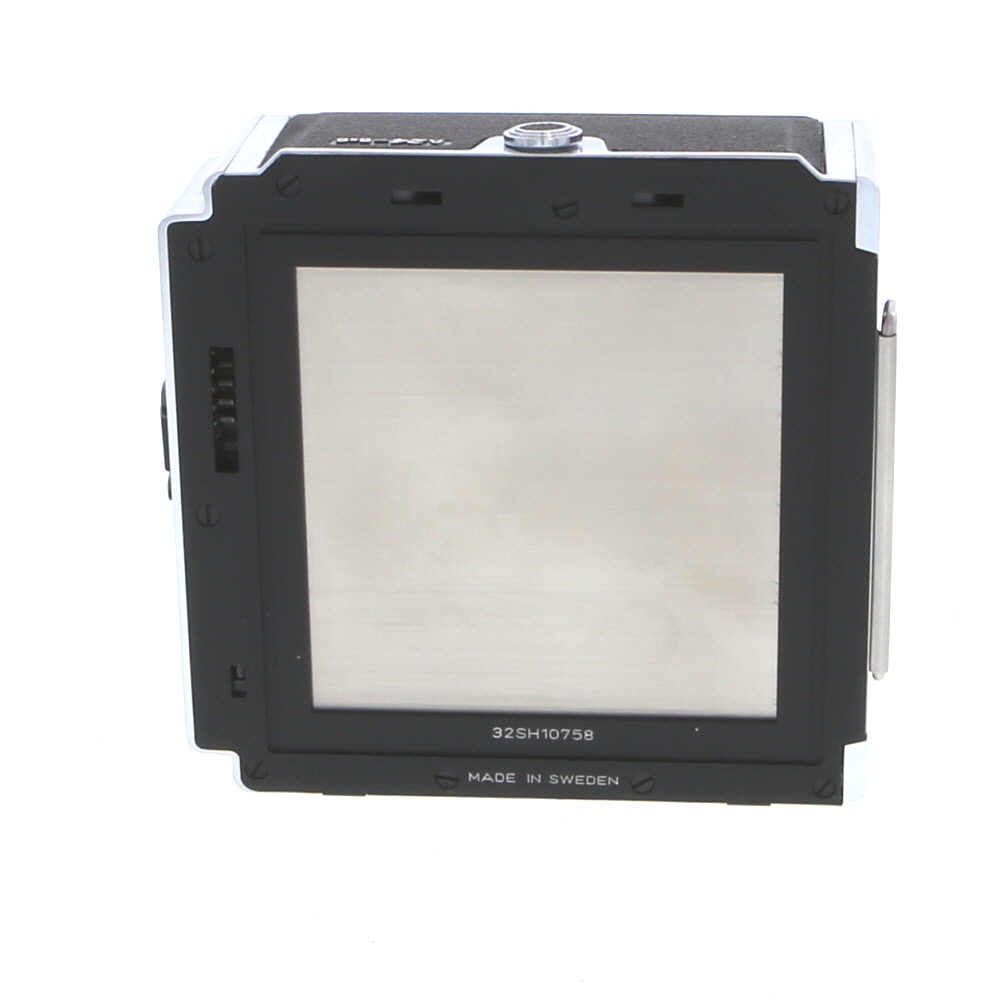
Each photodiode corresponds to a pixel in the final image. When light hits a photodiode, it creates an electrical charge proportional to the amount of light received. These charges are then converted into digital data that represents the colors and intensity of the light captured by the sensor.
Decoding the Process of Image Formation
When you press the shutter button on a digital camera, light passes through the lens and enters the camera. The lens focuses the light onto the image sensor, which is made up of millions of light-sensitive pixels. These pixels convert the light into electrical signals.
The electrical signals are then processed by the camera’s image processor, which combines the signals from all the pixels to create a digital image. The image processor also adjusts the color, contrast, and sharpness of the image based on the camera settings.
Key Steps in Image Formation:
- Light enters the camera through the lens.
- The lens focuses the light onto the image sensor.
- The image sensor converts light into electrical signals.
- The image processor processes the electrical signals to create a digital image.
The Role of Aperture and Shutter Speed in Digital Cameras
Aperture and shutter speed are two crucial elements in photography that play a significant role in capturing images with a digital camera. Understanding how these settings work can help photographers achieve the desired results.
- Aperture: The aperture of a camera lens refers to the size of the opening that allows light to pass through to the image sensor. It is measured in f-stops, such as f/2.8, f/4, f/5.6, etc. A smaller f-stop number indicates a larger aperture opening, which allows more light to enter the camera. Aperture also affects the depth of field in an image, with larger apertures producing a shallower depth of field and smaller apertures creating a greater depth of field.
- Shutter Speed: Shutter speed determines how long the camera’s shutter remains open to expose the image sensor to light. It is measured in seconds or fractions of a second, such as 1/500, 1/100, 1/30, etc. A faster shutter speed freezes motion and reduces the amount of light entering the camera, while a slower shutter speed allows for more light and can create motion blur in the image.
By adjusting the aperture and shutter speed settings, photographers can control the exposure, depth of field, and motion blur in their photos. Finding the right balance between these two settings is essential for achieving the desired creative effects and capturing stunning images with a digital camera.

Understanding the Importance of Focusing in Photography
One of the most crucial aspects of photography is achieving proper focus. Without proper focus, your images may appear blurry or out of focus, diminishing the overall quality of your photographs.
Focus is the process of adjusting the lens of your camera to ensure that the subject you are photographing appears sharp and clear in the final image. It allows you to highlight the main subject of your photo while creating a sense of depth and dimension.
There are different focusing techniques you can use when taking photos, such as manual focus, auto-focus, and continuous focus. Each technique has its advantages and is suitable for different shooting scenarios.
Understanding the importance of focusing in photography will help you capture sharp and visually appealing images that resonate with your audience. It is a fundamental skill that every photographer should master to elevate their craft and create impactful photographs.
Explaining the Impact of Lens Quality on Image Sharpness
One of the key factors influencing the sharpness of images captured by a digital camera is the quality of the lens. The lens plays a crucial role in focusing light onto the camera’s sensor, ultimately determining the clarity and detail of the resulting image.

Lens Construction
The quality of a lens is determined by its construction, including the materials used, the number of lens elements, and the precision of the manufacturing process. High-quality lenses are typically made from specialized glass elements that minimize optical aberrations and distortion, resulting in sharper images with accurate colors and contrast.
Resolution and MTF
Another important factor to consider when evaluating lens quality is resolution and Modulation Transfer Function (MTF). Resolution refers to the ability of a lens to capture fine details, while MTF measures the lens’s ability to accurately reproduce contrast and sharpness. A high-quality lens will have excellent resolution and MTF characteristics, resulting in images with exceptional sharpness and clarity.
| Lens Quality | Image Sharpness |
|---|---|
| Low-quality lens | Soft, lacking detail |
| High-quality lens | Crisp, detailed images |
FAQ
How does a digital camera capture images?
A digital camera captures images using a lens to focus light onto a photosensitive sensor. The sensor converts the light into electrical signals, which are then processed and stored as digital data.
What role does optics play in the functioning of a digital camera?
Optics in a digital camera are crucial for focusing light onto the sensor, which is essential for creating a sharp and clear image. The quality of the optics determines the sharpness, brightness, and overall quality of the final image captured by the camera.
Can you explain the process of light passing through a digital camera’s lens?
When light enters a digital camera’s lens, it is refracted and focused onto the sensor, creating an image. The lens controls the amount of light entering the camera and determines the depth of field and focal length of the resulting image.



I'm really interested in how the aperture affects the depth of field in my photos. Can someone explain how adjusting the f-stop impacts what’s in focus?
Can someone clarify how the image processor affects the final image? Does it really make that much of a difference?
I recently upgraded my lens to a higher quality one and noticed a significant difference in sharpness and clarity. My previous lens had a lot of distortion and chromatic aberration, which was really disappointing. With the new lens, even under challenging light conditions, my images come out crisp and vibrant. It's definitely worth investing in better optics if you're serious about photography.