
 Carmen J. Moore

A digital camera is a modern marvel of technology that allows us to capture and store memories with just a click of a button. But have you ever wondered how this magical device actually works?
At its core, a digital camera converts light into electronic data that can be stored and displayed as an image. This process involves several key components working together seamlessly to create the final picture.


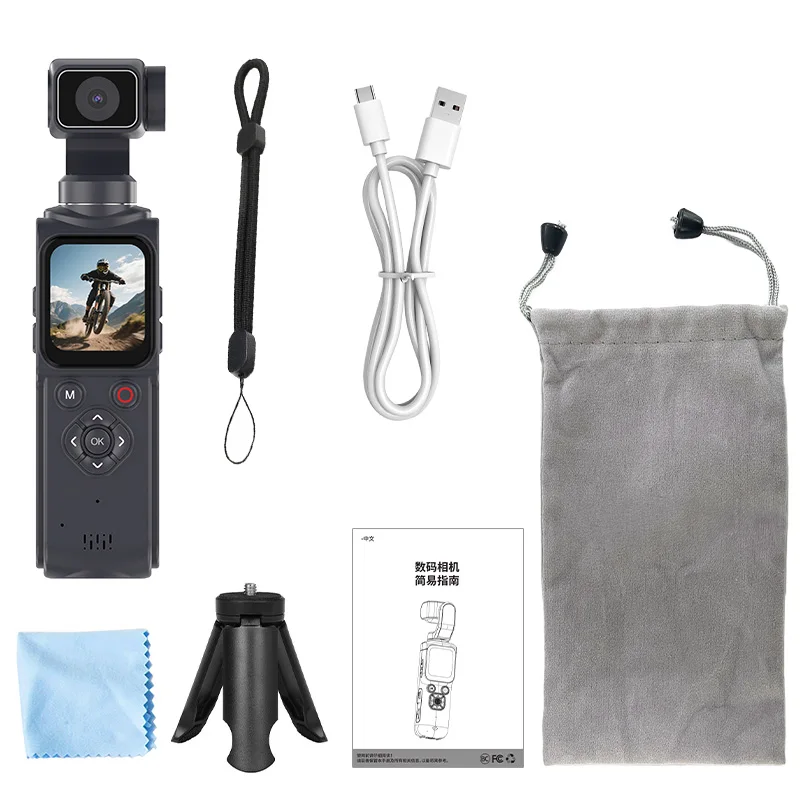

First, light enters through the camera lens and is focused onto a sensor, which is made up of millions of tiny light-sensitive cells called pixels. These pixels convert the light into electrical signals, which are then processed by the camera’s image processor to create a digital image.
Once the image is captured, it is stored on a memory card or internal memory, ready to be viewed, edited, and shared. The digital camera has revolutionized the way we capture and preserve moments, making photography more accessible and convenient than ever before.
Understanding the basics
Before diving into the intricacies of how a digital camera works, it’s essential to understand the basic principles behind its operation.
Light Sensing
At the core of a digital camera is a light-sensitive image sensor that captures incoming light rays and converts them into electrical signals.
Image Processing
Once the sensor captures the light, the camera’s processor processes the electrical signals to produce a digital image, which can then be stored on a memory card.
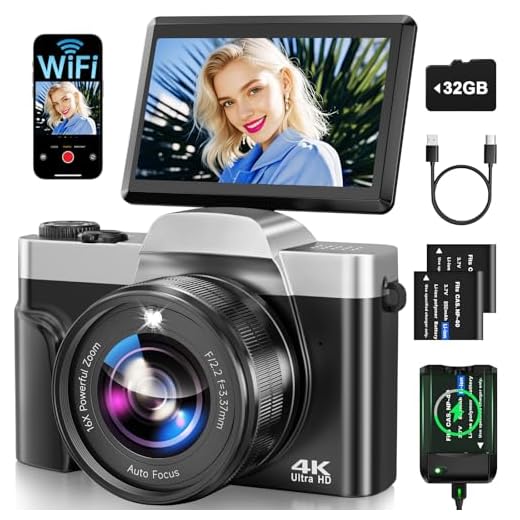
Components of a digital camera
A digital camera consists of several key components that work together to capture and store images. Some of the main components include:
Image sensor
The image sensor is a crucial part of a digital camera that converts light into electronic signals. There are two main types of image sensors used in digital cameras: CMOS (Complementary Metal-Oxide-Semiconductor) and CCD (Charge-Coupled Device).
Lens
The lens of a digital camera focuses light onto the image sensor, allowing the camera to capture sharp and clear images. Different lenses have different focal lengths and apertures, which affect the way light is captured and the depth of field of the image.
Image capture process
When you press the shutter button on a digital camera, several key steps take place to capture an image:
1. Light enters the lens
The first step in the image capture process is when light enters the camera through the lens. The lens focuses the light onto the image sensor, which is a crucial component in converting light into digital information.
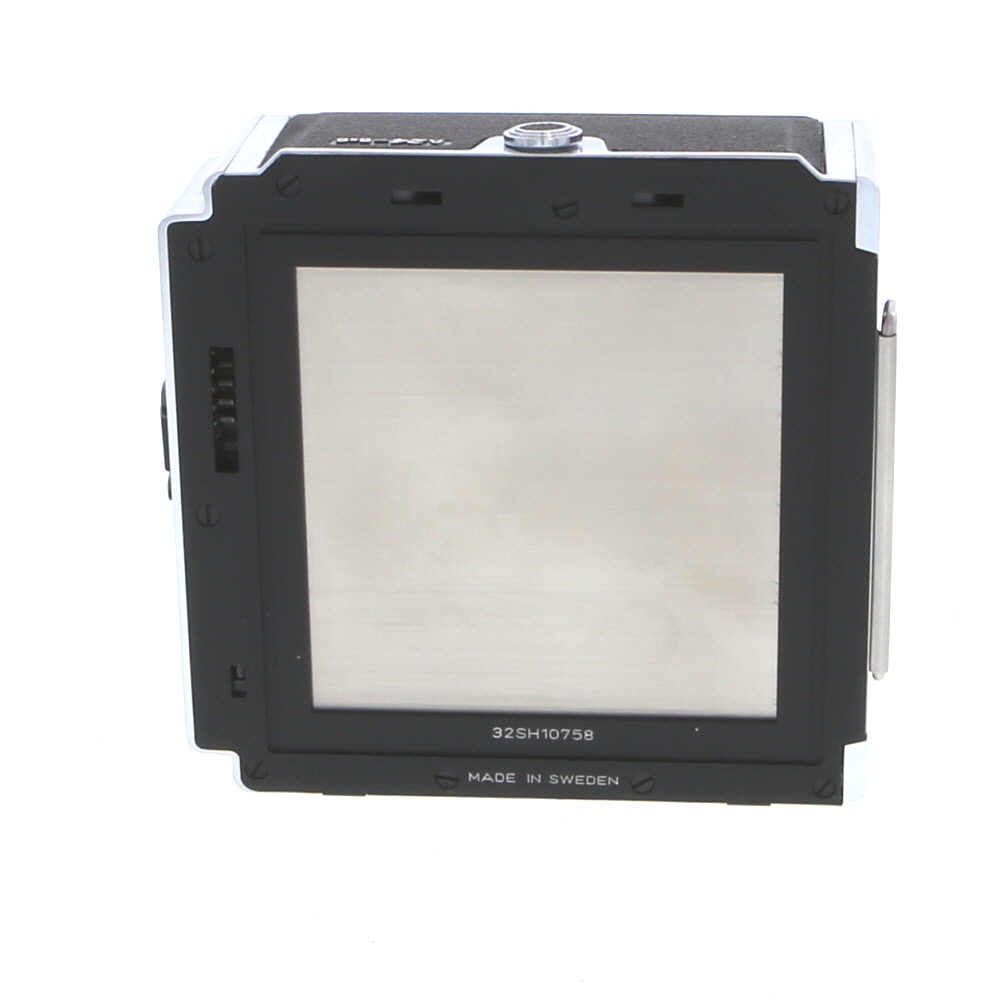
2. Image sensor converts light into digital data
Once the light is focused onto the image sensor, it converts the light into digital data. The image sensor is made up of millions of tiny light-sensitive diodes called photosites, which capture the intensity and color of the light hitting them.
Tip: The number of photosites on an image sensor determines the camera’s resolution, with more photosites leading to higher image quality.
Storage and processing of images
Once the digital camera captures an image, it stores the data on a memory card. This data is in the form of digital information that represents the color and intensity of each pixel in the image.
Image processing
After capturing the image, the camera’s processor processes the digital data to enhance the image quality. This processing may involve adjusting the color balance, contrast, sharpness, and other parameters to produce a more visually appealing image.
Additionally, the camera may apply algorithms to reduce noise, correct distortion, and improve overall image quality.
Storage
The processed image is then saved on the memory card in a specific file format, such as JPEG or RAW. This file contains all the information needed to recreate the image on a computer or display device.
Memory cards come in various capacities, allowing users to store a large number of images. Some cameras also offer the option to transfer images to a computer or other storage device for safekeeping and further processing.
Types of digital cameras
There are several types of digital cameras available on the market, each designed for different purposes and user preferences. Here are some common types:
| Compact cameras: | Small and portable, ideal for everyday photography. |
| DSLR cameras: | Popular among professional photographers for their versatility and manual controls. |
| Mirrorless cameras: | Compact and lightweight, offering high-quality images and interchangeable lenses. |
| Bridge cameras: | Combining the features of compact and DSLR cameras, offering a good balance between size and functionality. |
| Action cameras: | Designed for capturing fast-paced action and adventure sports. |
Advantages of Digital Cameras
1. Instant Results: One of the key advantages of digital cameras is the ability to see the photos immediately after capturing them. This allows for instant feedback and the ability to retake the shot if needed.
2. Easy to Share: Digital photos can be easily shared online through social media, email, or cloud storage. This makes it convenient to share memories with friends and family.

3. Edit and Enhance: Digital cameras allow for easy editing and enhancing of photos using software. This allows users to improve the quality of their images and add creative touches.
4. Storage Capacity: Digital cameras have the advantage of storing a large number of photos on memory cards or internal storage. This eliminates the need for film rolls and allows for more flexibility in capturing moments.
5. Cost-Effective: While the initial investment in a digital camera may be higher than film cameras, the long-term cost of digital photography is lower due to the elimination of film and developing costs.
Future of Digital Photography
As technology continues to evolve, the future of digital photography looks promising. Advancements in sensor technology, image processing algorithms, and artificial intelligence are set to revolutionize the way we capture and edit photos.
Enhanced Sensor Technology
New sensor technologies are being developed to improve image quality, low-light performance, and dynamic range. These advancements will allow photographers to capture more detail and color accuracy in their photos.
AI-Powered Editing Tools
Artificial intelligence is being integrated into photo editing software to automate tasks such as retouching, cropping, and enhancing images. This will make editing faster and more accessible to amateur photographers.
| Feature | Description |
| Augmented Reality | Augmented reality features will enhance the way we interact with our photos, allowing for immersive experiences. |
| Cloud Storage | Cloud storage solutions will make it easier to store and access large collections of high-resolution photos. |
FAQ
How does a digital camera capture images?
A digital camera captures images using a sensor that converts light into electrical signals. When you press the shutter button, the camera’s sensor is exposed to light, and each pixel on the sensor records the intensity of the light it receives. These intensity values are then converted into digital data that forms the image.
What is the role of a lens in a digital camera?
The lens in a digital camera focuses light onto the sensor, allowing the camera to create a sharp image. Different lenses can provide various focal lengths, apertures, and optical qualities, affecting the overall look of the image captured by the camera.
How does a digital camera store images?
A digital camera stores images as digital files on a memory card. These files can be in various formats like JPEG, RAW, or others, depending on the camera settings. The files can then be transferred to a computer or other devices for viewing, editing, or sharing.
What are the advantages of using a digital camera over a film camera?
Digital cameras offer several advantages over film cameras, including instant image review, the ability to store hundreds or thousands of images on a single memory card, easier editing and sharing of photos, and the option to adjust settings on the fly without changing film rolls.


Interesting read! I appreciate how digital cameras store so many images without the need for film. It's great for capturing spontaneous moments without worrying about running out of shots.
Good article! I’m curious, how do the different types of sensors (CMOS vs CCD) actually affect image quality? Are there specific situations where one is better than the other?
I've been using a DSLR for a few years and I love how I can adjust settings manually. However, I recently tried a mirrorless camera and was really impressed with its compact size and quick autofocus. It felt like the future of photography! Does anyone else have experience switching between the two?