
 Carmen J. Moore

Have you ever wondered how a digital camera captures those stunning images? It’s a fascinating process that combines advanced technology and precise mechanics to create a digital representation of the world around us.
At the heart of every digital camera is an image sensor, typically a CCD or CMOS chip, that acts as the digital equivalent of film in a traditional camera. When you press the shutter button, the camera’s lens focuses light onto the image sensor, where it is converted into electrical signals that represent the colors and intensity of the scene.
The camera’s processor then processes these signals to create a digital image file, which can be stored on a memory card and viewed on a screen or printed out. This process happens in a fraction of a second, allowing you to capture the moment and preserve it for eternity.

Understanding the process
When you press the shutter button on a digital camera, several key steps take place to capture an image:
1. Light enters the camera lens
Light first enters the camera lens, which focuses the light onto the image sensor inside the camera. The lens plays a crucial role in determining the quality and clarity of the final image.
2. Image sensor converts light into digital data
The image sensor, typically a CCD or CMOS chip, converts the incoming light into digital data. Each pixel on the sensor records the intensity of light it receives, creating a digital representation of the scene.
| 3. Processing the digital data | After the sensor captures the image, the camera’s processor processes the digital data, adjusting settings like exposure, color balance, and sharpness to produce the final image. |
Light enters the lens
When you press the shutter button on a digital camera, the camera’s lens opens up to allow light to enter. The amount of light that enters the camera is controlled by the aperture, which is like the pupil of the camera. The aperture adjusts to let in more or less light depending on the lighting conditions.

| The lens focuses the light onto the image sensor |
Light is focused on the sensor
Once the light passes through the lens, it is focused onto the image sensor. The image sensor is made up of millions of tiny light-sensitive diodes that convert the light into electrical signals. Each diode corresponds to a pixel in the final image.
When the light hits the sensor, each diode generates an electrical charge proportional to the amount of light it receives. These charges are then converted into digital information that represents the colors and brightness of the pixels in the image.
Conversion to digital signals
Once the light passes through the lens and hits the image sensor, the sensor converts the analog light signals into digital signals. This process involves converting the light intensity at each pixel into a numerical value. The sensor then processes these values to create a digital image file that can be stored on a memory card.
Image processing by the camera
Once the light hits the camera’s sensor, the image processing begins. The camera’s processor analyzes the data captured by the sensor and processes it to create a digital image. This involves converting the analog data from the sensor into a digital format, adjusting the color balance, sharpness, and contrast, and applying any other settings that have been configured by the user.
Additionally, the camera may apply noise reduction algorithms to reduce any graininess in the image and enhance the overall quality. It may also apply compression techniques to reduce the file size of the image without significantly affecting its quality.
Storage of the digital image
Once the digital camera captures an image, it stores it as data on a memory card. This data is in the form of binary code, which represents the colors and details of the image.
Memory card types
There are different types of memory cards used in digital cameras, such as SD cards, CF cards, and microSD cards. These cards vary in storage capacity and speed.
When you take a picture, the data is written to the memory card through the camera’s internal processing system.
File formats
The image data is typically stored in a file format such as JPEG, RAW, or PNG. Each format has its own compression and quality characteristics.
Viewing the image on the display
Once the digital camera captures the image, it is stored in the camera’s memory card. To view the image, you can either use the camera’s built-in display screen or transfer the image to a computer or other device for viewing.
Using the camera’s display screen
Most digital cameras come equipped with a display screen that allows you to preview the images you have taken. You can navigate through the images using the camera’s controls and zoom in or out to get a closer look at the details.
Transferring images to a computer
If you want to view the images on a larger screen or share them with others, you can transfer the images from the camera to a computer using a USB cable or memory card reader. Once transferred, you can view, edit, and share the images using image editing software or social media platforms.
Transfer of the image to a computer
Once the image is captured by the digital camera’s image sensor, it is stored on a memory card within the camera. To transfer the image to a computer for further processing or storage, you can use a USB cable or remove the memory card from the camera and insert it into a card reader connected to the computer.
Using a USB cable, you can connect the camera to the computer and transfer the image files directly. The computer will recognize the camera as a storage device, and you can access the image files to copy them to your computer’s hard drive.
Printing the digital image
Once the digital image is captured by the camera’s sensor, it is stored in a digital file format such as JPEG or RAW. To print the digital image, it needs to be transferred from the camera to a computer or a printer. This can be done using a USB cable or by removing the memory card from the camera and inserting it into a card reader connected to the computer.

Once the digital file is on the computer, it can be opened and edited using image editing software such as Adobe Photoshop or GIMP. The image can be resized, cropped, adjusted for color and exposure, and enhanced in various ways to achieve the desired final result.
When the editing is complete, the digital image can be sent to a printer for printing. The printer uses inkjet technology or laser technology to transfer the digital image onto paper. The quality of the printout will depend on the resolution of the printer and the type of paper used.
Printing a digital image allows you to create physical copies of your photos that can be displayed, shared, or stored for future use. It provides a convenient way to preserve memories and enjoy your photography in a tangible form.
FAQ
How does a digital camera capture an image?
A digital camera captures an image by using a sensor that converts light into electrical signals. When you press the shutter button, the camera’s sensor is exposed to light coming through the lens, and the sensor converts this light into digital data, creating a digital image.
What happens when you press the shutter button on a digital camera?
When you press the shutter button on a digital camera, the camera’s sensor is exposed to light for a specific amount of time, depending on the settings. The sensor then converts the light into digital data, creating an image file that is stored on the camera’s memory card.

How does a digital camera process the image after it is captured?
After capturing an image, a digital camera processes it by applying settings such as white balance, exposure, and color correction. The camera’s processor processes the digital data from the sensor and converts it into a viewable image that you can see on the camera’s screen or through the viewfinder.
What is the role of the lens in a digital camera?
The lens in a digital camera focuses light onto the camera’s sensor, allowing the sensor to capture a sharp image. The quality of the lens affects the sharpness, clarity, and overall quality of the image captured by the camera. Different lenses can also provide different focal lengths and perspectives in photography.


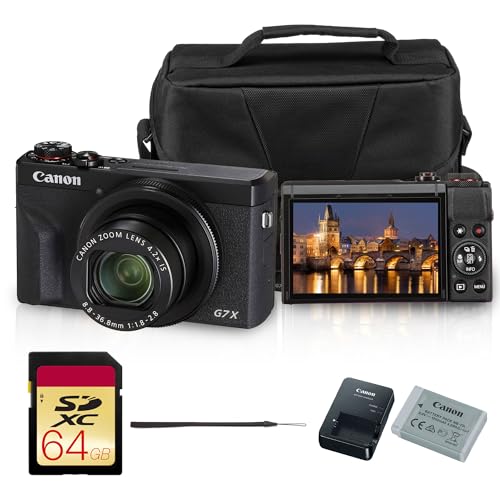
Good explanation of the digital camera process! What exactly is the difference between CCD and CMOS sensors? Do they affect image quality differently?
Can you clarify what you mean by 'noise reduction algorithms'? How do they work in cameras?
I disagree that processing happens automatically without user input. I often tweak settings like exposure and ISO to get the results I want. It’s more about user preference than just the camera's processing.
That's a valid point! While many cameras do offer automatic settings, they also allow for manual adjustments that can greatly enhance image quality based on the photographer's vision.
What file format do you recommend for storing photos? Is JPEG good enough, or should I focus on RAW?
I love how quickly digital cameras can process images! It’s amazing to see the photo instantly after taking it.
I've had both CCD and CMOS cameras. I noticed that my CMOS camera performs better in low light conditions, while the CCD one had a richer color depth. It seems like sensor type really impacts the final image!
You're correct! CCD sensors generally produce better image quality with less noise, but CMOS sensors are more energy-efficient and can handle low light better. It largely depends on the specific camera model as well.