
 Carmen J. Moore

In the age of advanced technology, the debate between smartphone cameras and digital cameras continues to be a topic of discussion among photography enthusiasts and casual users alike. The rapid evolution of smartphone cameras has blurred the lines between the two devices, raising questions about their capabilities and limitations.
Smartphone cameras have become increasingly sophisticated, boasting high megapixel counts, advanced image processing algorithms, and a plethora of features such as portrait mode, night mode, and AI-enhanced image stabilization. These advancements have made smartphone cameras a popular choice for everyday photography, allowing users to capture high-quality images with ease.

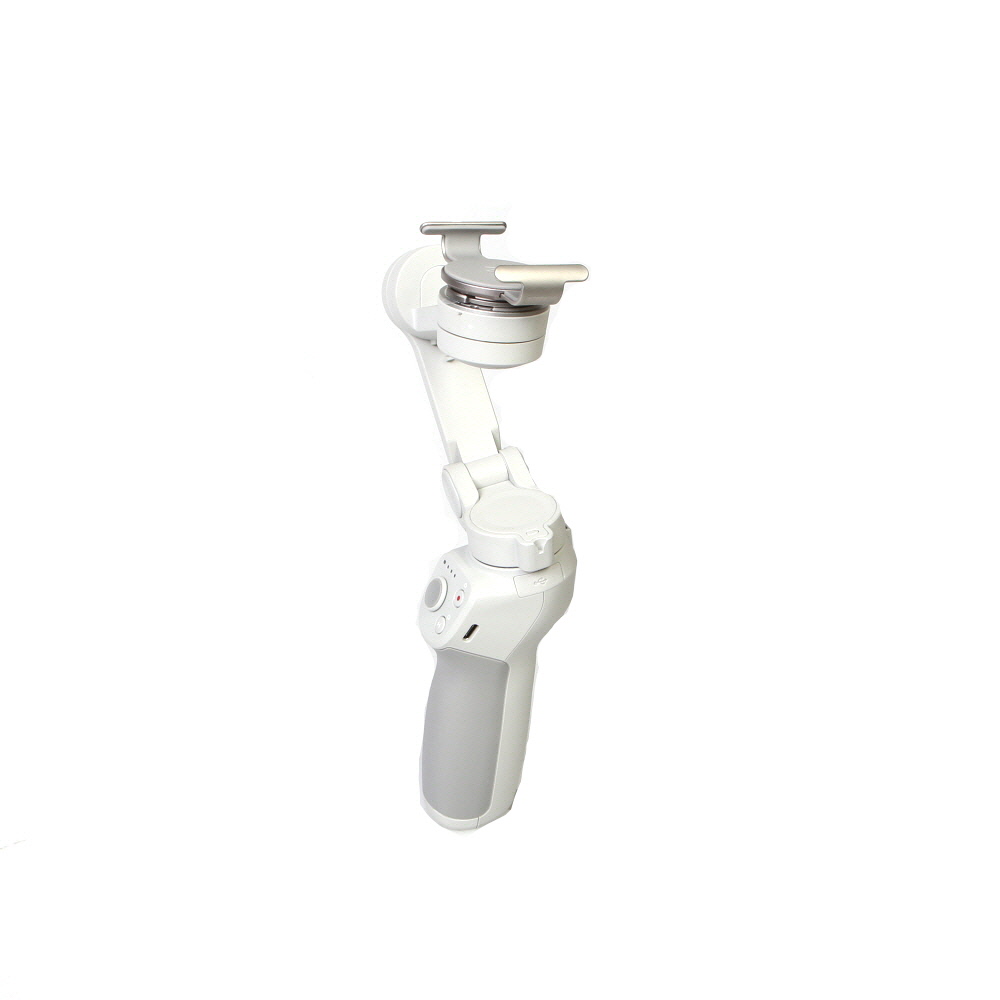

On the other hand, digital cameras offer a level of control and versatility that smartphone cameras struggle to match. With larger sensors, interchangeable lenses, manual settings, and optical zoom capabilities, digital cameras are the preferred choice for professional photographers and enthusiasts who demand the highest level of image quality and creative freedom.
Smartphone Cameras vs Digital Cameras: A Comprehensive Comparison
Smartphone cameras and digital cameras are both popular choices for capturing photos and videos. Each type of camera has its own set of features and benefits, making them suitable for different purposes. Let’s explore the key differences and similarities between smartphone cameras and digital cameras to help you decide which option is best for your needs.
Image Quality
One of the significant factors to consider when comparing smartphone cameras and digital cameras is image quality. Digital cameras typically offer higher resolution sensors and better image processing capabilities, resulting in sharper and more detailed photos compared to smartphone cameras. However, modern smartphones have improved significantly in terms of image quality and can produce impressive results, especially in well-lit conditions.
Portability and Convenience
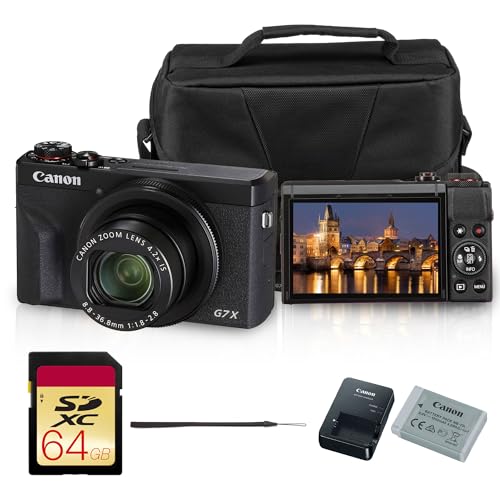
Smartphones are much more portable and convenient than digital cameras. You can easily carry a smartphone in your pocket or bag and have it readily available to capture moments on the go. Digital cameras, on the other hand, are bulkier and require a separate carrying case, making them less convenient for everyday use. If portability is a crucial factor for you, a smartphone camera may be the better choice.
- Flexibility and Control
- Accessories and Expandability
- Cost
By considering these factors and your specific photography needs, you can determine whether a smartphone camera or a digital camera is the right choice for you.

Image Quality Differences
When it comes to image quality, digital cameras generally have an edge over smartphone cameras. Digital cameras are designed with larger sensors and more advanced optics, resulting in higher resolution, better dynamic range, and improved low-light performance.
Smartphone cameras, on the other hand, have smaller sensors and limited optical capabilities, which can lead to lower image quality compared to digital cameras. While smartphone cameras have made significant advancements in recent years, they still struggle to match the image quality produced by dedicated digital cameras.
For professional photographers or photography enthusiasts who prioritize image quality, a digital camera is still the preferred choice. However, for everyday photography needs and quick snapshots, smartphone cameras offer convenience and portability that digital cameras may not provide.
Low Light Performance
One area where smartphone cameras have made significant strides in recent years is low light performance. With advancements in sensor technology and image processing algorithms, many flagship smartphones now offer impressive low light capabilities.
Smartphone cameras typically use larger sensors and wider aperture lenses to capture more light in dimly lit environments. Additionally, features like night mode and computational photography techniques help enhance the brightness and reduce noise in low light photos.
While digital cameras still have an edge in low light performance due to their larger sensors and dedicated low light shooting modes, the gap is narrowing. Some smartphones can now rival entry-level digital cameras in terms of low light image quality.
| Smartphone Cameras | Digital Cameras |
|---|---|
| Use larger sensors and wider aperture lenses | Have larger sensors and dedicated low light shooting modes |
| Offer features like night mode and computational photography | Produce better low light image quality |
| Can rival entry-level digital cameras in low light performance | Still have an edge due to sensor size and specific modes |
Zoom Capabilities
When it comes to zoom capabilities, digital cameras generally have a greater optical zoom range compared to smartphone cameras. Digital cameras often offer optical zoom, which provides high-quality zoomed-in images without loss of image quality. On the other hand, smartphone cameras typically rely on digital zoom, which enlarges the image by cropping and enlarging the pixels, resulting in a loss of image quality and detail.
Some smartphones now come equipped with multiple cameras that offer different focal lengths, allowing for better zoom capabilities without sacrificing image quality. However, in general, digital cameras still have the upper hand when it comes to zooming in on distant subjects while maintaining image clarity and sharpness.
Manual Controls and Settings
One area where digital cameras often outshine smartphone cameras is in the realm of manual controls and settings. Digital cameras typically offer a wide range of manual controls, such as adjusting aperture, shutter speed, ISO, white balance, and focus. This level of control allows photographers to fine-tune their settings to achieve the desired effect and capture high-quality images in various lighting conditions.
On the other hand, smartphone cameras are designed for quick and easy point-and-shoot photography, with limited manual controls available. While some smartphones offer manual controls for settings like exposure and focus, they may not be as comprehensive or customizable as those found on digital cameras. This can limit the creative flexibility of smartphone photographers when compared to using a digital camera.

Portability and Convenience
One of the biggest advantages of smartphone cameras over digital cameras is their portability and convenience. Smartphone cameras are compact, lightweight, and always at hand, making it easy to capture spontaneous moments on the go.
With a smartphone camera, you don’t need to carry around a separate device, lenses, and accessories. This means you are more likely to have your camera with you at all times, ready to capture any moment that catches your eye.
Price Range Variation
When it comes to price, smartphone cameras generally offer a wider range of options to suit different budgets. You can find smartphones with basic camera capabilities at very affordable prices, making them accessible to a wide range of consumers.
On the other hand, digital cameras tend to be more specialized and can vary significantly in price based on factors such as brand, features, and image quality. High-end digital cameras with advanced features can be quite expensive, catering to professional photographers and enthusiasts.
Overall, the price range for smartphone cameras is more diverse and accessible, while digital cameras offer a higher level of customization and quality at a higher price point.
Storage Options
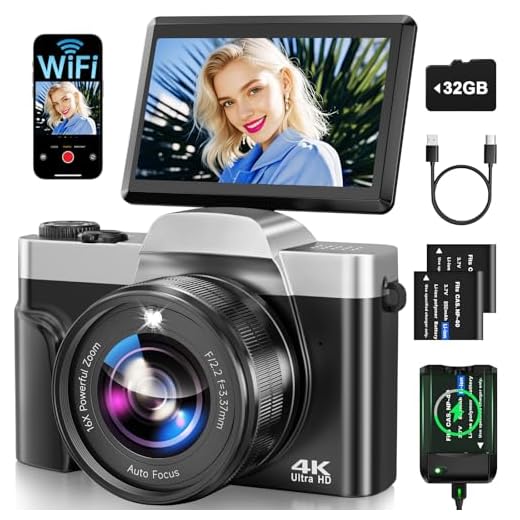
When it comes to storage options, smartphone cameras typically have built-in storage that ranges from 16GB to 512GB or more, depending on the model. Additionally, you can expand the storage capacity using external microSD cards.
On the other hand, digital cameras usually rely on removable memory cards such as SD, SDHC, or SDXC cards. These cards come in various capacities, allowing you to choose the storage size that suits your needs.
Both smartphone cameras and digital cameras offer the option to transfer photos and videos to a computer or cloud storage for backup and easy access.
Editing and Post-Processing Features
Smartphone cameras often come with built-in editing tools that allow users to enhance their photos directly on the device. These tools can range from basic adjustments like cropping and rotating to more advanced features like filters, effects, and color correction. Some smartphones even offer AI-powered editing options that can automatically enhance photos based on the scene.
Digital cameras, on the other hand, may require users to transfer photos to a computer or external device for editing using software like Adobe Photoshop or Lightroom. While this allows for more precise editing control, it can be more time-consuming and require additional equipment.
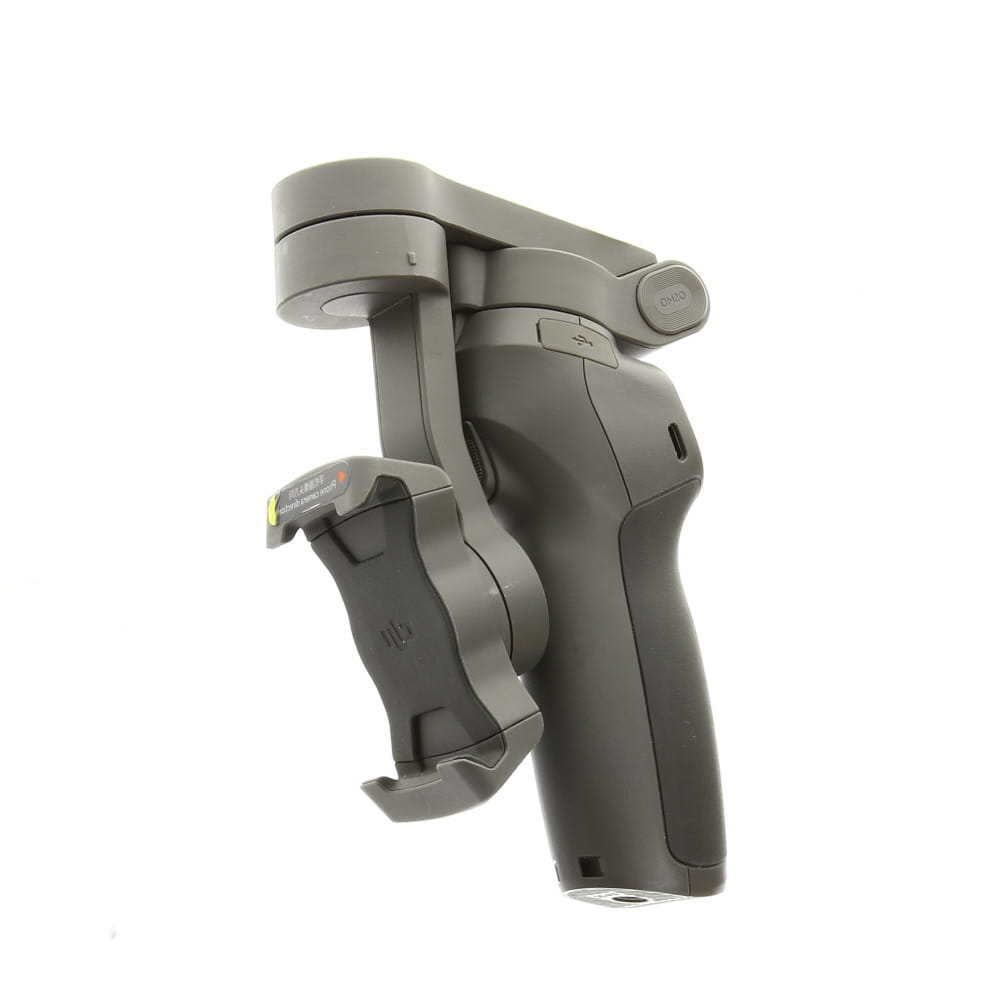
Overall, smartphone cameras provide convenient and user-friendly editing options, making it easy for users to quickly enhance and share their photos on the go. Digital cameras offer more advanced editing capabilities but may require additional steps and equipment.
Connectivity and Sharing Options
Smartphone cameras have the advantage of built-in connectivity features, allowing users to instantly share photos and videos on social media platforms or via messaging apps. With a few taps, images can be uploaded to the cloud or shared with friends and family, making it easy to stay connected and share memories in real-time.
On the other hand, digital cameras typically require a separate connection to a computer or other devices for transferring files. While some newer digital cameras offer Wi-Fi or Bluetooth capabilities, they may not be as seamless or user-friendly as smartphone connectivity options.
Overall, smartphone cameras offer more convenient and immediate sharing options compared to traditional digital cameras, making them a popular choice for those who value quick and easy sharing of their photos and videos.
Future Technological Advancements
As technology continues to advance at a rapid pace, the future of smartphone and digital camera technology looks promising. One key area of development is the improvement of image sensors, which will enhance the quality of photos captured by both types of devices.

Furthermore, advancements in artificial intelligence (AI) and machine learning are expected to revolutionize the way cameras process images. AI-powered features such as image recognition, scene detection, and automatic editing are likely to become more prevalent in future camera models, improving the overall user experience.
The Rise of Computational Photography
Another trend to watch out for is the rise of computational photography. This innovative approach combines hardware and software to create stunning images that were previously only achievable with professional DSLR cameras. With computational photography, users can expect to see improvements in low-light performance, dynamic range, and depth of field effects.
Overall, the future of smartphone and digital cameras is bright, with exciting advancements on the horizon that will continue to push the boundaries of what is possible in photography.
FAQ
Are smartphone cameras better than digital cameras?
Smartphone cameras have made significant advancements in recent years and can now produce high-quality images that rival those of some digital cameras. However, digital cameras still have the edge when it comes to features like optical zoom and image quality in low light conditions.
What are the advantages of smartphone cameras over digital cameras?
Smartphone cameras are highly portable, convenient, and easy to use. They also offer a wide range of editing and sharing options directly on the device. Additionally, smartphone cameras are constantly improving with new technology and software updates.

Can smartphone cameras replace digital cameras?
For casual photography and everyday use, smartphone cameras can definitely replace digital cameras for many people. However, professional photographers and enthusiasts may still prefer the versatility and image quality of digital cameras, especially for specialized photography needs.
What should I consider when deciding between a smartphone camera and a digital camera?
When deciding between a smartphone camera and a digital camera, consider factors such as your photography needs, budget, desired image quality, and the level of control you want over your photos. If portability and convenience are key for you, a smartphone camera may be sufficient. However, if you require advanced features and high-quality images, a digital camera might be the better choice.


I disagree with the idea that smartphones can rival entry-level cameras in all aspects. Sure, they're good for quick shots, but there's still a noticeable difference in depth of field and overall image clarity.
I see your point, but I think for most casual users, the differences might not be as apparent unless comparing side by side.
What are the main factors I should consider if I want to take photos for social media? Would smartphone cameras be enough?
I've used both smartphone and digital cameras during my travels. My Nikon D5600 gives fantastic quality, but it can be a hassle to carry around. I often find myself reaching for my Pixel 6 instead because it's always in my pocket. For casual shots, the smartphone is just so convenient!
Thanks for sharing your experience! It's a common sentiment that while digital cameras provide superior quality, the convenience of a smartphone often wins out for everyday use.
I've noticed that smartphone cameras are catching up in low light conditions, but can they really compete with DSLRs or mirrorless cameras?
I agree, but while smartphones are improving, I think DSLRs still have the edge, especially when you need that depth of field control.
I've been using a digital camera for years, and while I appreciate the quality, I find myself reaching for my smartphone more often. It's just so convenient! The quality is surprisingly good for casual shots, but I definitely miss the manual controls sometimes.
Great point! Many users are finding that smartphones meet their everyday photography needs, especially for social media. However, for more serious photography, digital cameras still offer unique advantages.
I'm curious about the low light performance comparison. Can anyone share specific examples of smartphones that have performed well in low light versus some popular digital cameras?
I recently tested the iPhone 14 Pro in a dimly lit restaurant and was impressed. It managed to capture details without too much noise. My Canon EOS Rebel T7 still edged out, but it wasn't far behind!
How do smartphone cameras handle zoom compared to digital cameras? I've seen some smartphones advertise impressive zoom features.
For anyone on a budget, smartphones are unbeatable. I got a decent one for under $300, and the camera works fine for what I need!
Don't forget about post-processing! Many smartphones now have built-in editing tools that can enhance photos right after taking them.
Can someone clarify what makes digital cameras better for manual controls? I've always found smartphone apps to do a decent job.