
 Carmen J. Moore

The invention of the digital camera has revolutionized the way we capture and share moments in our lives. With the ability to instantly view, edit, and share photos, the digital camera has changed the way we document our experiences and memories.
Before the digital camera, photography was a more time-consuming and expensive hobby, as film had to be developed and printed before photos could be viewed. The digital camera made photography more accessible to the masses, allowing anyone to take and share high-quality photos with ease.
Furthermore, the rise of social media platforms and photo-sharing websites has made it easier than ever to instantly share our photos with friends and family around the world, creating a global community of visual storytellers.
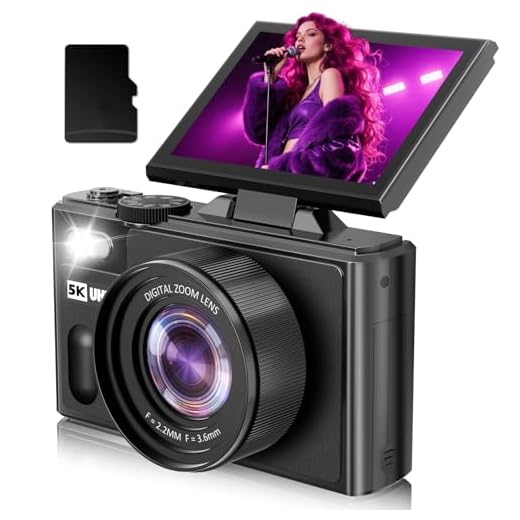
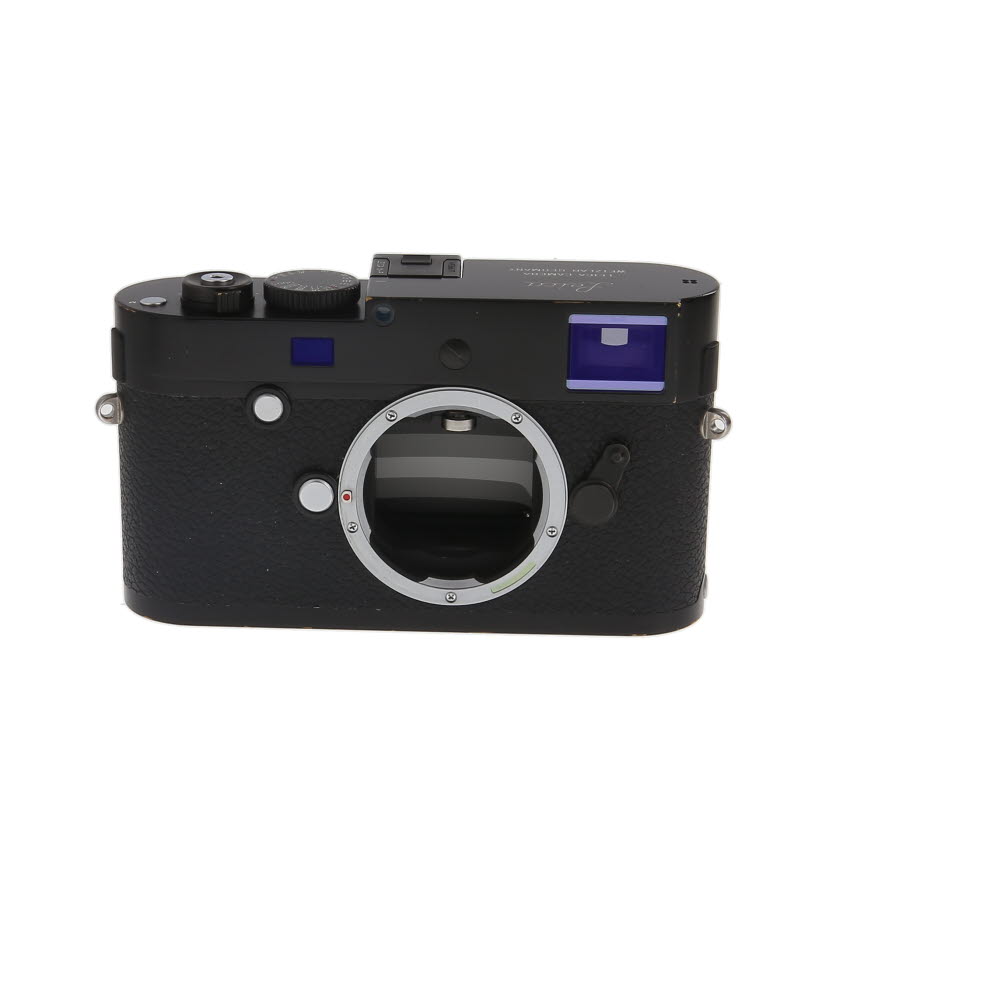
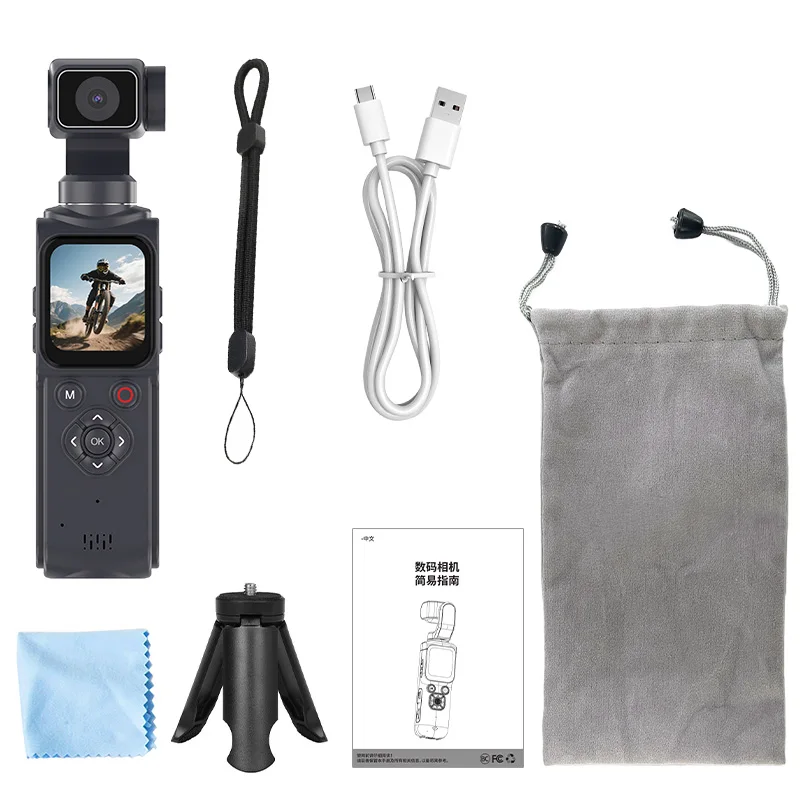

The Evolution of Photography
Photography has come a long way since its inception in the early 19th century. The invention of the camera obscura laid the foundation for the development of photography as we know it today. Over the years, photography has evolved from cumbersome and time-consuming processes to the fast and convenient digital cameras we use today.
With the introduction of the digital camera, photography became more accessible to the general public. The ability to instantly view and edit photos revolutionized the way we capture and share moments. Gone are the days of waiting for film to be developed – now we can capture, edit, and share photos in a matter of seconds.
Furthermore, the digital camera has democratized photography, allowing anyone with a camera to become a photographer. Social media platforms have provided a platform for amateur photographers to showcase their work and connect with a global audience.
In conclusion, the evolution of photography from the camera obscura to digital cameras has had a profound impact on society, changing the way we capture and share moments forever.
The Birth of Digital Cameras
In the late 20th century, the invention of digital cameras revolutionized the way people captured and shared moments. The first digital camera was developed in 1975 by Kodak engineer Steven Sasson. This camera was bulky and had a resolution of only 0.01 megapixels, but it marked the beginning of a new era in photography.

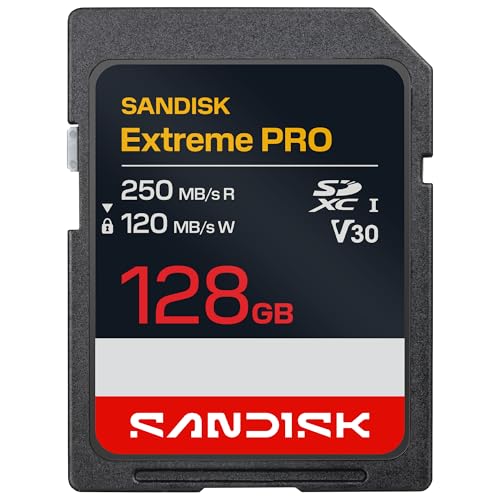
Over the years, digital cameras became smaller, more affordable, and capable of capturing higher quality images. The introduction of memory cards and LCD screens made it easier for people to view and store their photos digitally. This technology paved the way for the rise of social media platforms and the sharing of photos online.
Today, digital cameras are integrated into smartphones, allowing people to take high-quality photos and videos wherever they go. The birth of digital cameras has democratized photography, making it accessible to everyone and changing the way we document our lives.
Revolutionizing the Photography Industry
The introduction of digital cameras completely revolutionized the photography industry. Prior to digital cameras, photography was a costly and time-consuming process. Film had to be developed, prints had to be made, and the quality of the images was limited by the capabilities of the film being used.
With the advent of digital cameras, photographers were able to instantly see the images they captured, allowing for immediate feedback and the ability to retake shots if needed. This instant feedback loop drastically improved the overall quality of photography and allowed for greater creativity and experimentation.
Digital cameras also democratized photography, making it more accessible to a wider audience. The lower cost of digital cameras compared to traditional film cameras meant that more people could afford to take up photography as a hobby or even a profession. This accessibility led to a boom in amateur photography and the rise of social media platforms where people could easily share their photos with the world.
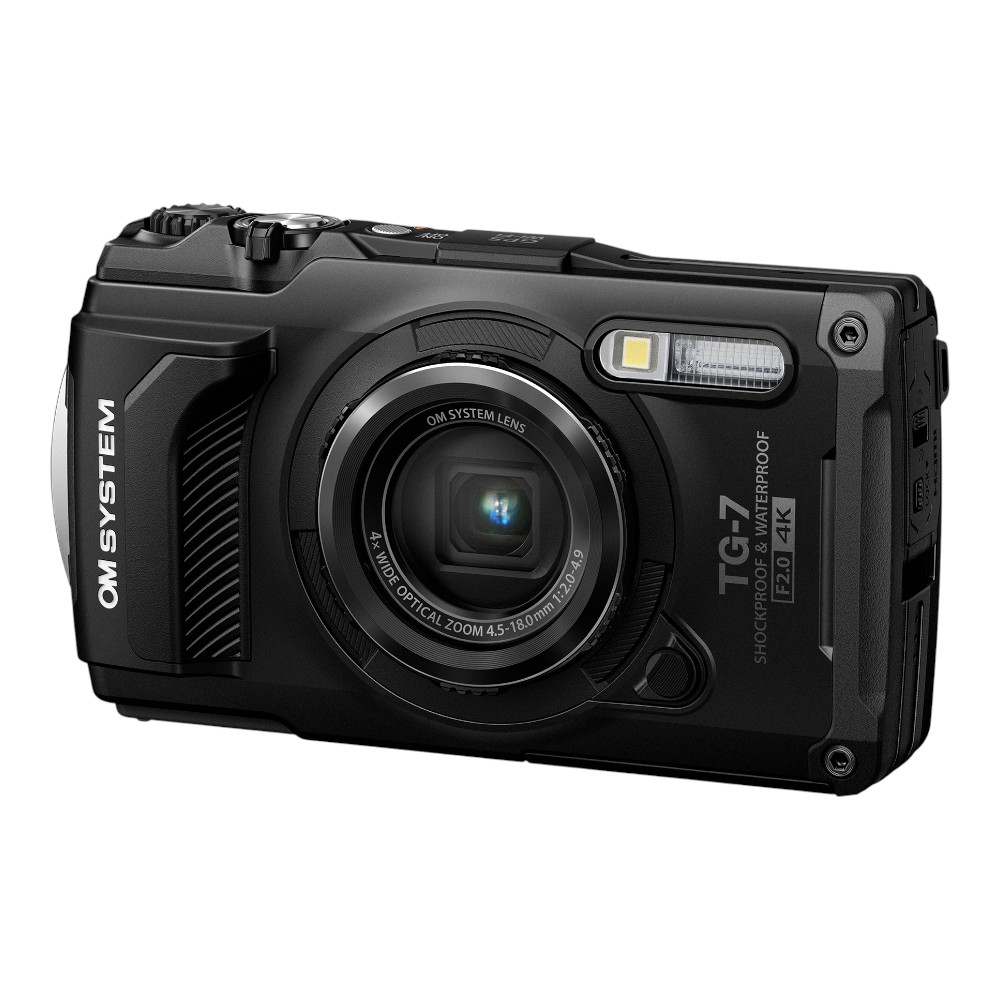
Changing the Way People Capture Moments
The introduction of digital cameras revolutionized the way people capture and preserve their memories. Unlike traditional film cameras, digital cameras allow users to take a virtually unlimited number of photos without the need to worry about running out of film. This convenience has made it easier for individuals to document their lives and the world around them.
In addition, digital cameras have enabled instant sharing of photos through social media platforms and other online channels. This has transformed the way people communicate and connect with others, as images can now be shared in real-time with friends and family across the globe. The ability to instantly capture and share moments has brought people closer together and created new opportunities for self-expression and creativity.
Furthermore, the quality of digital images has improved significantly over the years, allowing for clearer and more detailed photos. This has led to a rise in digital photography as an art form, with many individuals using digital cameras to explore their creativity and capture stunning images.
Overall, the digital camera has had a profound impact on society by changing the way people capture and share moments, fostering creativity, and enhancing communication. It has become an essential tool for documenting life’s experiences and creating lasting memories.
Impact on Professional Photographers
The digital camera revolution had a significant impact on professional photographers. With the emergence of digital technology, professional photographers were able to capture, store, and edit photos more efficiently and cost-effectively. This led to a democratization of photography, as the barriers to entry into the profession decreased.

Professional photographers could now take a large number of photos without the constraints of film rolls, allowing them to experiment more freely and capture the perfect shot. The instant feedback provided by digital cameras also allowed photographers to adjust settings on the spot and improve their skills more rapidly.
Furthermore, digital cameras enabled photographers to easily share their work online, reaching a wider audience and attracting clients from around the world. This increased visibility helped professional photographers to promote their services and grow their businesses more effectively.
| Pros | Cons |
| Improved efficiency | Increased competition |
| Cost-effective storage | Threat of digital piracy |
| Instant feedback | Need for continuous learning |
Accessibility and Convenience
The digital camera revolutionized photography by making it more accessible and convenient for people of all skill levels. Prior to the digital camera, photography was a more complex and expensive hobby, requiring film, darkrooms, and specialized equipment. With digital cameras, anyone could take a photo and instantly view and edit it on the camera’s screen. This instant feedback allowed for quick adjustments and learning opportunities.
Furthermore, digital cameras eliminated the need for film processing, making photography more affordable and environmentally friendly. People could now take hundreds of photos without worrying about the cost of film and printing. The convenience of digital cameras also allowed for easier sharing of photos through email, social media, and online galleries, creating a more connected and visually-driven society.
Social Media and Digital Photography
Social media platforms have revolutionized the way we share and interact with digital photography. With the rise of platforms like Instagram, Facebook, and Snapchat, photos have become a primary mode of communication and self-expression.

People now have the ability to instantly share their photos with friends, family, and even strangers around the world. This has led to the democratization of photography, where anyone with a smartphone can become a photographer and showcase their work to a global audience.
The Rise of Influencers
One of the significant impacts of social media on digital photography is the rise of influencers. These individuals have built large followings by sharing visually appealing photographs and engaging with their audience. Brands now collaborate with influencers to promote their products and services, leveraging the power of visual storytelling.
Visual Storytelling
With the combination of social media and digital photography, people can now tell visual stories in a more dynamic and engaging way. From documenting everyday life to sharing travel adventures, photography has become a powerful tool for storytelling and connecting with others on a global scale.
Preservation of Memories
The digital camera revolutionized the way we capture and preserve memories. Before the digital camera, people had to rely on film photography, which was limited by the number of exposures on a roll of film. With digital cameras, users can take an unlimited number of photos and easily store them on a memory card or computer.
Furthermore, digital photos can be easily shared and duplicated, ensuring that precious memories are preserved for generations to come. Families can create digital photo albums, share photos on social media, and easily print copies for loved ones.

Enhanced Quality
Moreover, the digital camera has improved the quality of photos, allowing users to capture sharper images with greater detail. Advanced features such as image stabilization, autofocus, and high-resolution sensors have made it easier to capture beautiful moments with clarity and precision.
Organizational Benefits
Additionally, digital cameras have made it easier to organize and categorize photos. Users can easily create folders, add tags, and search for specific images, making it simple to locate and retrieve photos when needed. This organizational aspect has made it easier for individuals to manage their photo collections and preserve memories in a more efficient manner.
| Overall, the digital camera has had a profound impact on society by enabling individuals to capture, preserve, and share memories in ways that were not possible before. The preservation of memories has become more accessible and convenient, thanks to the innovation of digital photography. |
Challenges and Opportunities
With the rise of digital cameras, there have been both challenges and opportunities for society. One of the main challenges is the impact on traditional film photography industries, which have faced a decline in demand as digital photography became more popular. This has led to job losses and the need for retraining for those in the industry.
On the other hand, the digital camera revolution has opened up new opportunities for photographers and enthusiasts. The accessibility of digital photography has allowed more people to engage in photography as a hobby or profession. It has also enabled instant sharing of images through social media platforms, creating new avenues for self-expression and communication.
| Challenge | Opportunity |
| Decline in traditional film photography industry | Increased accessibility and popularity of photography |
| Job losses in traditional photography sectors | New career opportunities in digital photography |
Environmental Impact of Digital Cameras
While digital cameras have revolutionized photography, their widespread use has also had significant environmental implications. The production of digital cameras involves the extraction of raw materials, such as metals and plastics, which can have a negative impact on the environment. Additionally, the disposal of old and obsolete digital cameras contributes to electronic waste, which can be harmful if not properly recycled.

Furthermore, the energy consumption associated with digital cameras, especially when charging batteries and processing images, contributes to carbon emissions and overall energy consumption. As consumers upgrade to newer models more frequently, the environmental footprint of digital cameras continues to grow.
It is important for both manufacturers and consumers to consider the environmental impact of digital cameras and work towards more sustainable practices, such as recycling old devices, using energy-efficient models, and extending the lifespan of cameras through proper maintenance.
The Future of Photography
The digital camera revolutionized the way we capture and share images, but the future of photography is even more exciting. Advancements in technology continue to push the boundaries of what is possible in photography. From high-resolution sensors to AI-powered editing tools, photographers now have access to a wide range of innovative features that enhance their creativity.
One of the most significant trends in photography is the rise of mirrorless cameras. These cameras offer compact designs, fast autofocus systems, and superior image quality, making them popular among professionals and enthusiasts alike. As mirrorless technology continues to evolve, we can expect to see even more advanced features and capabilities that will redefine the photography landscape.
Furthermore, the integration of photography with augmented reality (AR) and virtual reality (VR) is another exciting development. AR and VR technologies are changing the way we experience and interact with images, opening up new possibilities for creative expression. With the fusion of photography and these immersive technologies, photographers can create stunning visual experiences that push the boundaries of traditional photography.

In conclusion, the future of photography is bright and full of possibilities. With ongoing advancements in technology and the convergence of photography with other innovative fields, we can expect to see a new era of photography that is more immersive, creative, and engaging than ever before.
FAQ
How has the digital camera changed the way we capture memories?
The digital camera has revolutionized the way we capture memories by allowing us to take an almost unlimited number of photos, instantly review and edit them, and easily share them with others online. This has made it easier for us to document our lives and preserve precious moments.
What are some of the social implications of the digital camera’s popularity?
The rise of digital cameras has led to a shift in the way we communicate and share experiences. People now use images more frequently to convey messages, tell stories, and connect with others. This has influenced social media platforms and changed the dynamics of online interactions.


You mentioned that digital cameras democratized photography. Can you elaborate on how this has affected professional photographers specifically?
Certainly! Digital cameras lowered the barriers for entry into the photography profession, allowing more amateur photographers to try their hand. This resulted in increased competition for professionals, but also offered them new tools for efficiency and a wider audience through online marketing.
While I agree that digital cameras made photography more accessible, I think they’ve led to a decline in the art of photography. The convenience might have made everyone a photographer, but it seems like the skill level has dropped overall. What do others think?
I can see that point, but I think more people being able to capture moments and express themselves is a net positive. It encourages creativity in ways that weren't possible before.
I find it interesting how digital cameras changed photography. But what were some of the biggest challenges photographers faced with film before this shift?
I remember getting my first digital camera and being amazed that I could take so many photos without worrying about wasting film.