
 Carmen J. Moore

Have you ever wondered how close a digital camera can capture the intricate details of an object? The ability of a digital camera to take close-up shots can vary depending on the lens, sensor size, and the camera’s macro mode capabilities. The minimum focusing distance of a camera lens plays a crucial role in determining how close you can get to your subject while still maintaining sharp focus.
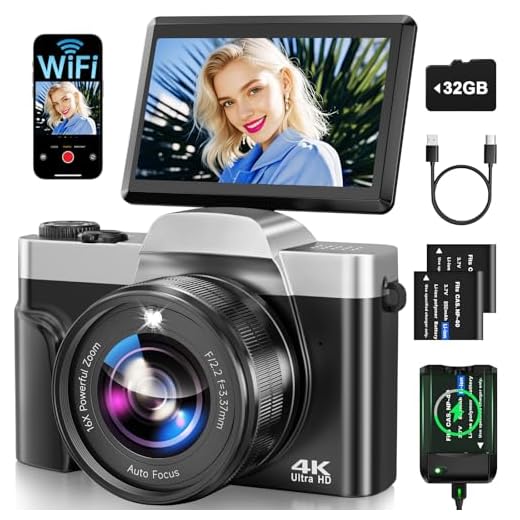
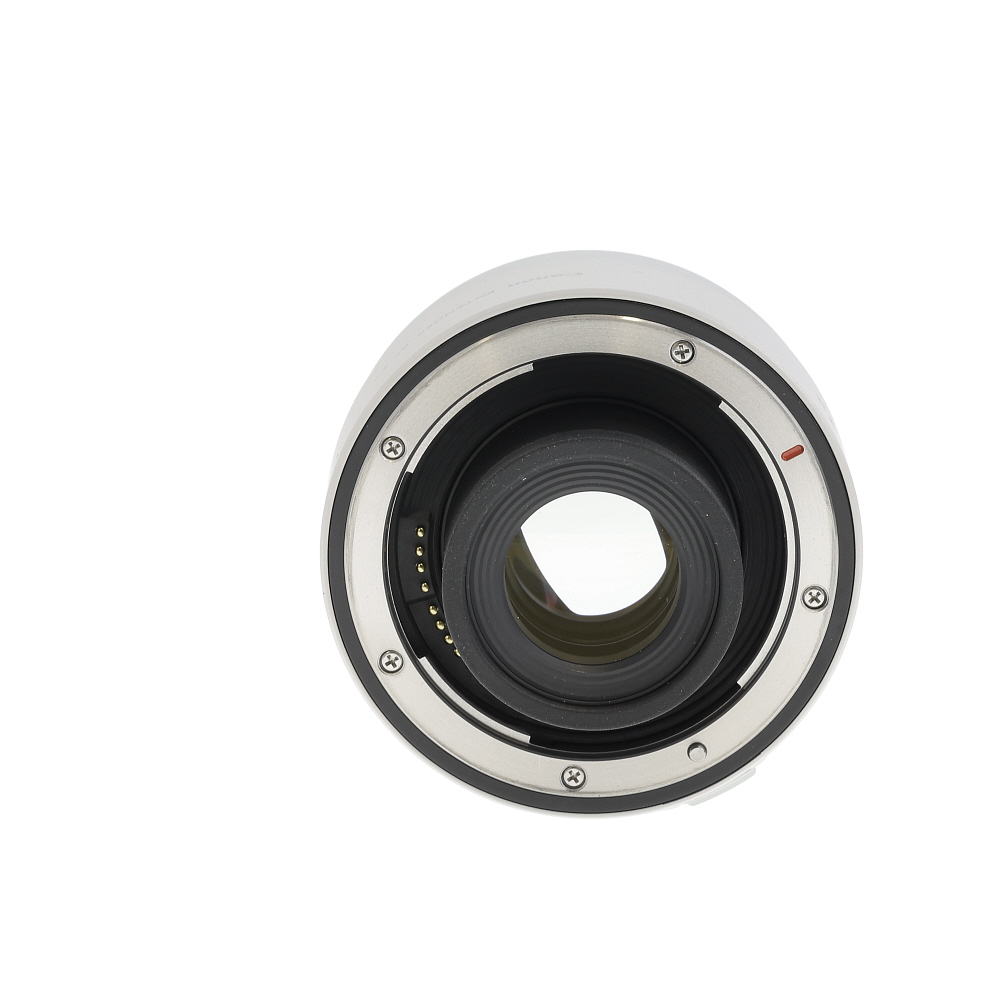

In general, most digital cameras have a minimum focusing distance of a few centimeters to a few feet, allowing you to capture detailed images of small objects or subjects at a close range. However, there are specialized macro lenses and accessories that enable photographers to get even closer to their subjects, capturing minute details that are not visible to the naked eye.
Understanding the technical specifications of your digital camera and experimenting with different settings can help you achieve stunning close-up shots that reveal the beauty of the world in a whole new light.
Understanding Close-Up Photography
Close-up photography, also known as macro photography, allows you to capture intricate details of small subjects at a very close range. With a digital camera, you can get incredibly close to your subject and still achieve sharp, detailed images.
When shooting close-up photos, it’s important to understand your camera’s minimum focusing distance. This is the closest distance at which your camera can focus and still capture a sharp image. Some digital cameras have a macro mode that allows you to focus at a closer range than in regular shooting modes.
To get the best close-up shots, experiment with different camera settings, such as aperture and focus. A wide aperture (low f-stop number) can create a shallow depth of field, isolating your subject and blurring the background. Alternatively, a smaller aperture (higher f-stop number) can increase the depth of field, keeping more of the image in focus.

Using a tripod can also help stabilize your camera and reduce camera shake, especially when shooting at very close distances. Additionally, consider using a macro lens or extension tubes to further enhance your camera’s close-up capabilities.
Exploring Macro Photography
Macro photography is a fascinating genre that allows photographers to capture intricate details and textures of small subjects up close. With the advancement of digital cameras, the ability to take macro shots has become more accessible to enthusiasts and professionals alike.
Getting Started with Macro Photography
To get started with macro photography, you will need a digital camera with a macro mode or a dedicated macro lens. These lenses are designed to focus at close distances, allowing you to capture small subjects with great detail. Additionally, you may want to invest in a tripod to ensure stability and sharpness in your macro shots.
When shooting macro photos, it’s important to pay attention to lighting as it can greatly affect the outcome of your images. Natural light or diffused artificial light works best for macro photography to avoid harsh shadows and overexposure.
Exploring Close-Up Photography
Close-up photography is another way to capture details of small subjects without necessarily using a macro lens. By getting close to your subject and using a shallow depth of field, you can create stunning close-up shots that highlight textures and patterns.
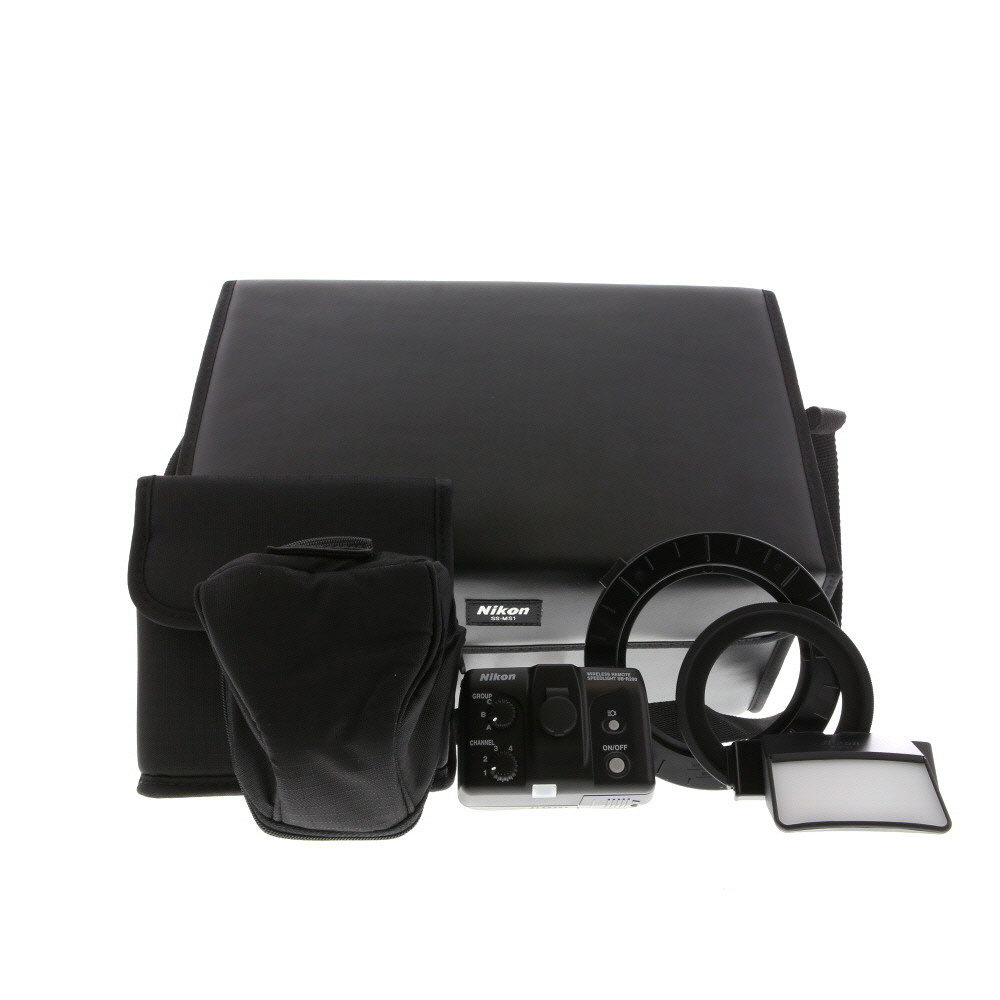
Experiment with different angles, compositions, and lighting techniques to enhance your close-up photography skills. Whether you’re photographing flowers, insects, or everyday objects, close-up photography allows you to see the world from a new perspective.
Factors Affecting Close-Up Shots
When taking close-up shots with a digital camera, several factors come into play that can affect the quality of the image. Understanding these factors can help you capture stunning close-up photos:
1. Focal Length:
The focal length of the lens determines how close you can get to your subject. A lens with a shorter focal length allows you to get closer to the subject, resulting in a more magnified image.
2. Aperture:
The aperture setting controls the amount of light entering the camera. A wider aperture lets in more light, which is crucial for close-up shots as it helps to create a shallow depth of field, isolating the subject from the background.
Choosing the Right Camera Lens
When it comes to taking close-up pictures with a digital camera, the choice of lens plays a crucial role in determining the quality and detail of the final image. Here are some factors to consider when selecting the right camera lens:
Focal Length
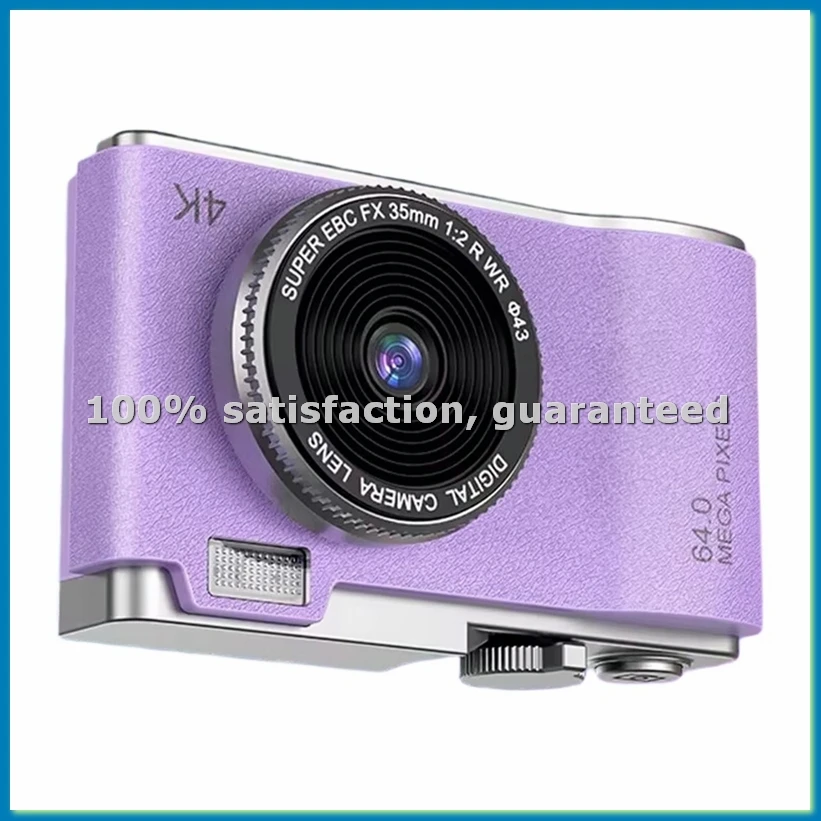
The focal length of a lens determines how close you can get to your subject while still keeping it in focus. For close-up photography, a lens with a shorter focal length (wide-angle lens) is typically preferred as it allows you to get closer to the subject and capture more detail.
Macro Capability
If you are specifically interested in taking extreme close-up shots, consider a lens with macro capability. These lenses are designed to focus at very close distances, allowing you to capture intricate details and textures that may not be visible to the naked eye.
- Consider a dedicated macro lens for the best results in extreme close-up photography.
- Extension tubes or close-up filters can also be used to achieve macro-like results with existing lenses.
By carefully considering the focal length and macro capability of a camera lens, you can ensure that you are equipped to capture stunning close-up images with your digital camera.
Techniques for Getting Closer
There are several techniques you can use to get closer to your subject when taking a picture with a digital camera:
1. Zoom in: Most digital cameras come with a zoom feature that allows you to magnify your subject without physically moving closer. Use the optical zoom for better image quality.

2. Crop the image: If you can’t physically get closer to your subject, you can always crop the image later to eliminate unnecessary background and focus on the main subject.
3. Use a macro mode: Many digital cameras have a macro mode that allows you to take close-up shots of small objects. This mode helps you capture fine details and textures.
4. Get low: Changing your perspective by getting low to the ground can make your subject appear larger and more dominant in the frame.
5. Use a telephoto lens: If you have a digital camera with interchangeable lenses, a telephoto lens can help you get closer to distant subjects without sacrificing image quality.
Using Extension Tubes
Extension tubes are a great tool for macro photography enthusiasts who want to get even closer to their subjects. These tubes are placed between the camera body and the lens, allowing the lens to focus much closer than it normally would. By increasing the distance between the lens and the camera sensor, extension tubes enable you to capture extreme close-up shots with incredible detail.
When using extension tubes, it’s important to keep in mind that the amount of light reaching the sensor may decrease, so using a tripod and adjusting your camera settings accordingly is crucial for getting sharp images. Experimenting with different tube lengths and combinations can help you achieve the desired level of magnification for your shots.
Utilizing Lens Filters
One way to enhance the capabilities of your digital camera is to use lens filters. These handy accessories can help you achieve specific effects and improve the quality of your photos.
Types of Filters
There are various types of lens filters available, each serving a different purpose. For example, UV filters can help reduce haze and protect your lens, while polarizing filters can enhance color saturation and reduce reflections.
Using Filters Effectively
To make the most of lens filters, it’s essential to understand their functions and how they can benefit your photography. Experiment with different filters to see which ones work best for your style and subjects.
Enhancing Close-Up Photos
Close-up photography, also known as macro photography, allows you to capture intricate details of subjects at a very close range. To enhance your close-up photos, consider the following tips:
1. Use a Macro Lens
Invest in a macro lens to achieve sharp focus and capture fine details in your close-up photos. Macro lenses are specifically designed to allow you to focus at a very close distance, making them ideal for capturing small subjects.
2. Pay Attention to Lighting
Good lighting is crucial for capturing clear and vibrant close-up photos. Consider using natural light or adding artificial lighting to highlight the details of your subject. Experiment with different lighting angles to create interesting shadows and textures in your photos.
| Tip: Use a tripod to steady your camera and prevent camera shake, especially when shooting at very close distances. |
Professional Tips for Close-Up Shots
Capturing stunning close-up shots with a digital camera requires skill and precision. Here are some expert tips to help you master the art of close-up photography:
- Use a macro lens to capture intricate details and textures.
- Adjust your aperture to achieve a shallow depth of field for a blurred background.
- Experiment with different angles and perspectives to create visually interesting compositions.
- Consider using a tripod to ensure stability and sharpness in your close-up shots.
- Pay attention to lighting and use natural light or artificial lighting sources to enhance your subject.
- Practice patience and take your time to focus on the details that will make your close-up shots stand out.
FAQ
How close can a digital camera focus on an object?
A digital camera can focus on objects as close as a few centimeters away, depending on the camera model and lens specifications. Some cameras have a macro mode that allows for extremely close focusing, capturing fine details.
Is there a limit to how close a digital camera can take a picture?
While digital cameras can focus on objects very close to the lens, there is a physical limitation to how close they can get. This is determined by the minimum focusing distance of the lens and the size of the camera sensor. Special macro lenses or extension tubes can help get even closer to the subject for extreme close-up shots.


I recently tried close-up photography with a macro lens and was amazed at the details I captured! I photographed a flower and you can see the fine hairs on the petals. It really changed my perspective on the beauty of nature. I highly recommend anyone interested in this genre to give it a shot!
Using a tripod really makes a difference in stabilizing close-up shots! Worth the investment.
I’m not convinced that macro photography is as accessible as you say. It seems like you need a lot of expensive gear to get good results. What do you think?
While it can be beneficial to have specialized gear, many great close-ups can be achieved with basic equipment and good techniques. Start simple and build your skillset.
I recently tried using a macro lens for the first time, and it was amazing how much detail I could capture! Highly recommend experimenting with one.
I've used macro mode on my camera to get close-up shots of flowers, and it really captures details beautifully. I didn't know about using extension tubes until now, though! I'll have to try that out.
Glad to hear you've had success with macro mode! Extension tubes can really enhance your close-up photography. They allow for even more detailed shots, especially if you want to get extremely close.
I’ve noticed a significant difference in image quality when using a dedicated macro lens versus just the standard lens in macro mode. Has anyone else experienced this?
Lighting plays such a crucial role in close-up photography. I’ve found that natural light really helps avoid harsh shadows!
So, if I use the macro mode on my camera, I won't need a special lens? Or is it better to invest in one for extreme close-ups?
I’ve been using a 50mm lens for portraits, but I'm curious how it compares to a dedicated macro lens for close-ups. Would I lose a lot of detail or just the ability to focus closely?
You might lose the ability to focus closely with the 50mm lens. Macro lenses are specifically designed for that purpose, so they would give you much better detail in close-up shots.
You’re correct! A dedicated macro lens allows for much closer focusing and typically captures more detail than a standard 50mm lens.
What is the typical minimum focusing distance for most digital cameras? I’m considering getting into macro photography but want to know what to expect from my current camera.
Most digital cameras have a minimum focusing distance ranging from a few centimeters to a few feet. It's best to check your camera's specifications to find the exact figure.
How do I know if my camera has a macro mode? Is it clearly labeled or do I have to look at the manual?
I think it's possible to get great close-ups without a macro lens. I've had good results with a regular lens by cropping images later.
Cropping can definitely work, but keep in mind that you'll lose some resolution. A macro lens is designed to provide the best detail at close range.
Can you explain more about how extension tubes work? Do they fit all camera lenses?
Extension tubes can fit most camera lenses, but you need to ensure they are compatible with your camera mount. They increase the distance between the lens and the sensor, allowing for closer focusing.
What is the typical minimum focusing distance for standard digital cameras?
I’ve been confused about focal lengths. If a lens has a longer focal length, does that mean I can’t get as close to my subject? I thought longer lenses were better for close-up shots. Can someone clarify?
Great question! A longer focal length can allow you to capture distant subjects with detail, but it often requires you to be further away from the subject for focus. Shorter focal lengths are typically better for getting close-up shots.