
 Carmen J. Moore

As winter approaches and temperatures drop, many photographers wonder: does cold weather affect digital cameras? The answer is yes, extreme cold can have an impact on the performance of your camera. Just like any electronic device, digital cameras can be sensitive to temperature changes.

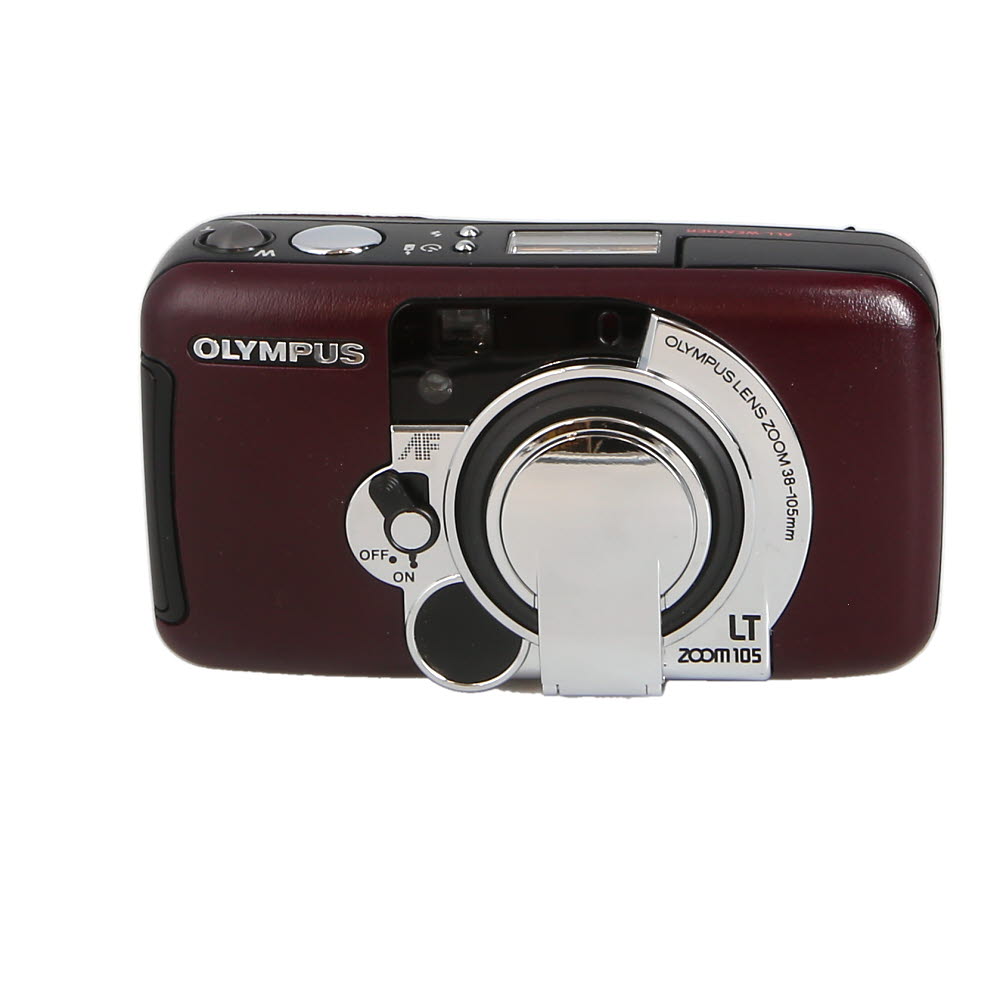

Low temperatures can affect the battery life of your camera, causing it to drain faster than usual. The LCD screen may also become slower or less responsive in cold weather. In addition, the lubricants inside the camera can thicken, leading to slower autofocus and zoom functions.
It’s important to take precautions when using your camera in cold weather. Keep spare batteries warm by storing them in an inside pocket close to your body. Limit the amount of time your camera is exposed to the cold and try to keep it as close to room temperature as possible when not in use.
Impact of Cold Weather on Digital Cameras
When digital cameras are exposed to cold weather, they can experience a range of issues that affect their performance and longevity.
Battery Life: Cold temperatures can significantly reduce the battery life of digital cameras. The cold weather causes the battery to drain faster, leading to shorter shooting times.
Condensation: Moving a camera from a cold environment to a warm one can cause condensation to form inside the camera, potentially damaging the sensitive electronics.

Lens Fogging: Cold weather can also lead to lens fogging, which can affect image quality and make it difficult to capture clear photos.
Freezing: Extreme cold can cause mechanical components of the camera to freeze up, rendering it inoperable until it warms up.
It’s important to take precautions when using digital cameras in cold weather, such as keeping spare batteries warm, using camera covers, and allowing the camera to acclimate to temperature changes gradually.
Temperature’s Influence on Camera Performance
Temperature can have a significant impact on the performance of digital cameras. Extreme cold weather, in particular, can affect the functionality of your camera in several ways. One common issue is that cold temperatures can cause the battery life of your camera to shorten, leading to quicker drain and potential shutdowns. Additionally, low temperatures can slow down the camera’s processing speed and responsiveness, making it harder to capture fast-moving subjects.
Cold weather can also cause condensation to form inside the camera when moving between cold outdoor environments and warm indoor spaces. This condensation can damage the internal components of the camera and affect image quality. To prevent this, it is recommended to gradually acclimate your camera to temperature changes by placing it in a sealed bag before bringing it indoors.
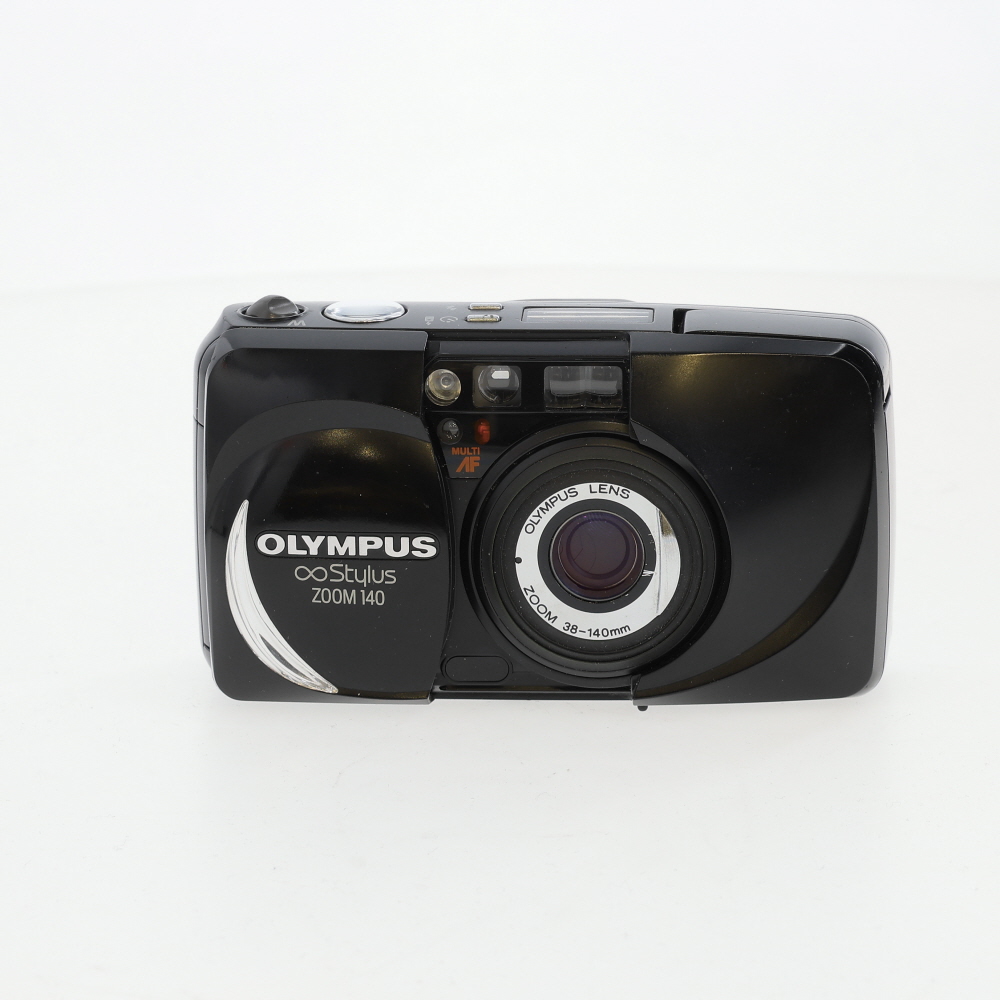
Some cameras are designed to withstand extreme temperatures better than others, so it is essential to check the specifications of your camera model to understand its temperature tolerances. In general, it is advisable to keep your camera protected from extreme cold weather conditions by using a camera bag or case and removing the battery when not in use to prolong its life.
| Effects of Cold Weather on Cameras: |
|---|
| Shortened battery life |
| Slower processing speed |
| Condensation formation |
| Damage to internal components |
Effects of Low Temperatures on Camera Batteries
Low temperatures can have a significant impact on the performance of camera batteries. When exposed to cold weather, camera batteries can experience a decrease in overall capacity and efficiency. This means that the battery may not last as long or provide as much power as it would in warmer conditions.
What Happens to Camera Batteries in Cold Weather?
At low temperatures, the chemical reactions that power the battery slow down, reducing the battery’s ability to hold a charge. This can lead to a shorter battery life and may even cause the battery to die more quickly than usual.
Tips to Preserve Camera Battery Life in Cold Weather
| 1. Keep spare batteries warm: | Store extra batteries in a pocket close to your body to keep them warm and maintain their performance. |
| 2. Use a battery grip: | A battery grip can provide additional insulation and help regulate the temperature of the battery during use. |
| 3. Limit exposure: | Avoid prolonged exposure to extreme cold weather and try to keep the camera and batteries as warm as possible when not in use. |
Condensation Risks in Cold Conditions
One of the potential risks of using digital cameras in cold weather is the formation of condensation. When a cold camera is brought into a warm environment, moisture from the air can condense on the camera’s internal and external surfaces. This condensation can damage the camera’s delicate electronic components and lead to malfunctions.
To prevent condensation, it is recommended to acclimate the camera gradually to temperature changes. Keep the camera in a sealed plastic bag before bringing it indoors to allow it to slowly adjust to the warmer temperature. Avoid opening battery compartments or memory card slots until the camera has reached room temperature to prevent moisture from entering the camera.
| Tip: Store silica gel packets with your camera equipment to absorb excess moisture and reduce the risk of condensation. |
Protecting Your Camera in Winter
Winter weather can pose challenges to your digital camera, so it’s important to take precautions to protect your equipment during the colder months. Here are some tips to help you keep your camera in top condition when shooting in cold weather:
Dress Your Camera
Consider investing in a camera case or cover that provides insulation and protection against the cold. This will help prevent condensation from forming on your camera and protect it from moisture and snow.
Keep Batteries Warm
Cold temperatures can drain your camera’s batteries faster than usual. To prevent this, keep your spare batteries in a warm pocket close to your body to maintain their charge. Consider investing in a battery grip that can hold more than one battery and provide extra insulation.
Remember: Always check your camera’s manual for specific guidelines on operating your camera in cold weather conditions.
Best Practices for Cold Weather Photography
Cold weather can pose unique challenges for digital cameras, but with the right precautions, you can capture stunning images even in chilly conditions. Here are some best practices to keep in mind when shooting in cold weather:

Dress Appropriately
Just like you need to bundle up to stay warm in cold weather, your camera also needs protection. Consider using a camera sleeve or wrap to shield it from the elements. Additionally, wearing gloves with removable fingertips can help you operate your camera without exposing your hands to the cold.
Battery Management
Cold temperatures can drain your camera’s battery faster than usual. To combat this, carry extra batteries and keep them warm by storing them close to your body. Make sure to turn off your camera when not in use to conserve battery life.
Winter Camera Maintenance Tips
Winter can be a challenging time for digital cameras due to the cold weather conditions. Here are some tips to help you maintain your camera during the winter months:
1. Keep Your Camera Warm
When not in use, store your camera in a warm place to prevent condensation and potential damage from extreme cold temperatures. Consider using a camera bag or case to provide extra insulation.
2. Use Proper Batteries
Cold weather can drain camera batteries faster than usual. Make sure to carry extra batteries and keep them warm by storing them in an inside pocket close to your body. Consider using lithium batteries, as they perform better in cold weather.
| Tip | Description |
| 3. Protect Your Lens | Use a lens hood or a UV filter to protect your lens from snow, rain, and other winter elements. Wipe your lens regularly with a lens cloth to prevent condensation and frost. |
| 4. Handle with Care | Be mindful of temperature changes when moving your camera from cold to warm environments. Allow your camera to acclimate gradually to prevent condensation inside the camera body. |
Choosing the Right Gear for Cold Weather Shooting
Shooting in cold weather can be challenging, but with the right gear, you can capture stunning images even in freezing temperatures. Here are some tips for choosing the right equipment for cold weather photography:
1. Weather-Sealed Camera
Look for a camera that is weather-sealed to protect it from moisture and cold temperatures. This will ensure that your camera functions properly even in harsh weather conditions.
2. Insulated Camera Bag
Invest in an insulated camera bag to keep your gear protected from extreme cold. A well-insulated bag will help maintain the temperature of your equipment and prevent condensation from forming inside.
Common Issues with Cameras in Cold Climates
When using digital cameras in cold weather, there are several common issues that photographers may encounter:
- Battery Drain: Cold temperatures can cause batteries to drain faster than normal, reducing the camera’s battery life.
- Condensation: Moving a camera from a cold environment to a warm one can lead to condensation forming on the lens and inside the camera, affecting image quality.
- Slow Operation: Cold weather can slow down the camera’s response time, making it more challenging to capture fast-moving subjects.
- Freezing Controls: Buttons and dials on the camera may become stiff or unresponsive in cold temperatures, making it difficult to adjust settings.
- Image Quality: Cold weather can affect the performance of the camera sensor, leading to noise or distortion in images.
FAQ
Can cold weather damage my digital camera?
Yes, cold weather can potentially damage your digital camera. Extreme cold temperatures can cause the camera’s battery to drain faster, the LCD screen to freeze or malfunction, and the internal components to become more brittle and prone to damage.

How can I protect my digital camera in cold weather?
To protect your digital camera in cold weather, you can use a camera bag or case that provides insulation, keep spare batteries warm, avoid sudden temperature changes, and use hand warmers to keep the camera and batteries warm when not in use. Additionally, you can consider purchasing cameras that are specifically designed to withstand cold temperatures.


Last winter, I was shooting in some really cold conditions and followed a few tips from this article. I kept my spare batteries in my pocket and used a camera cover. It made a noticeable difference! My battery lasted longer than it did the previous year when I didn't take those precautions.
Thanks for sharing your experience! Those tips are effective for maintaining battery life in cold weather. It's all about keeping your equipment protected.
You mentioned condensation as a risk. What’s the best way to prevent that when coming indoors from the cold?
To prevent condensation, place your camera in a sealed bag before bringing it indoors. This allows it to slowly acclimate to the warmer temperature.
I disagree with the idea that all cameras perform poorly in cold weather. I've used my DSLR at very low temperatures without any issues. Maybe it depends on the model?
I've heard that cold weather can really drain camera batteries. Is there a specific temperature range where this becomes a major issue?