
 Carmen J. Moore

As technology advances and digital photography becomes more prevalent, many photographers wonder if their trusty 35mm Nikon lenses are still relevant.

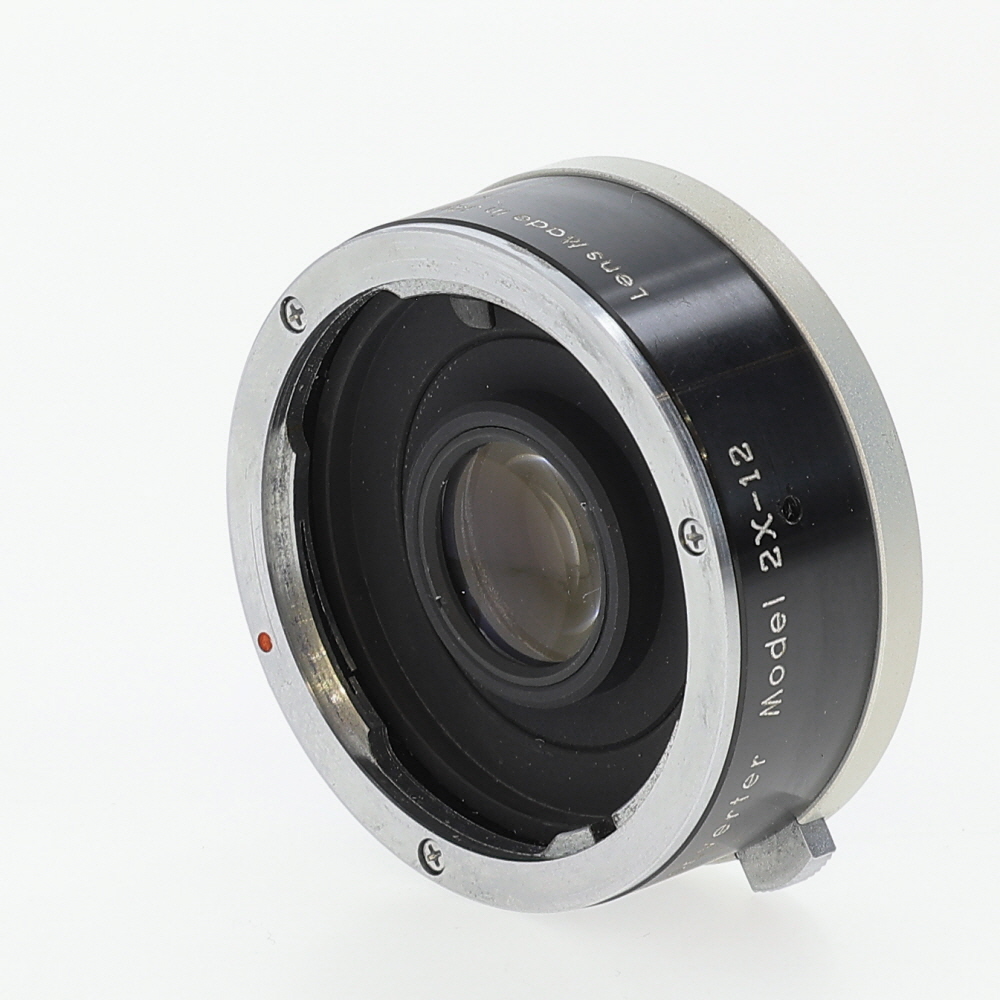

With the rise of mirrorless cameras and adapters, the question of compatibility has become increasingly important. While Nikon lenses were originally designed for film cameras, many of them can still be used with digital cameras.
Are 35mm Nikon Lenses Compatible with Modern Digital Cameras?
One of the great advantages of Nikon cameras is the compatibility of its lenses across different camera models. While older 35mm Nikon lenses may not be designed specifically for digital cameras, many of them are compatible with modern digital cameras with the right adapter.
When using 35mm Nikon lenses on digital cameras, there are some factors to consider, such as compatibility with the camera mount, image quality, and autofocus functionality. Some older lenses may require manual focus on digital cameras, while newer digital-compatible lenses may offer autofocus capabilities.
Additionally, using 35mm Nikon lenses on digital cameras may result in a crop factor, affecting the field of view and focal length. However, this can also be advantageous in certain situations, such as achieving a longer reach for telephoto lenses.
In conclusion, while not all 35mm Nikon lenses are directly compatible with modern digital cameras, many can be used with the right adapters and considerations. It’s always recommended to research and test compatibility before using older lenses on digital camera bodies.

Benefits of Using 35mm Nikon Lenses on Digital Cameras
When it comes to photography, the choice of lens can make a significant impact on the quality of your images. Using 35mm Nikon lenses on digital cameras offers a range of benefits that can enhance your photography experience.
1. Optical Quality
35mm Nikon lenses are known for their excellent optical quality, sharpness, and color accuracy. When paired with a digital camera, these lenses can deliver stunning images with crisp details and vibrant colors.
2. Compatibility
Nikon has maintained the F-mount system for decades, ensuring compatibility between older 35mm lenses and new digital cameras. This means you can easily use your existing Nikon lenses on the latest digital camera models without any compatibility issues.
Overall, using 35mm Nikon lenses on digital cameras allows photographers to leverage the superior optical quality and compatibility of these lenses to capture outstanding images with ease.
Factors to Consider Before Mounting 35mm Nikon Lenses on Digital Cameras
Compatibility: Ensure that the 35mm Nikon lens is compatible with your specific digital camera model. Some older lenses may not work with newer digital cameras due to differences in lens mounts and electronic communication.
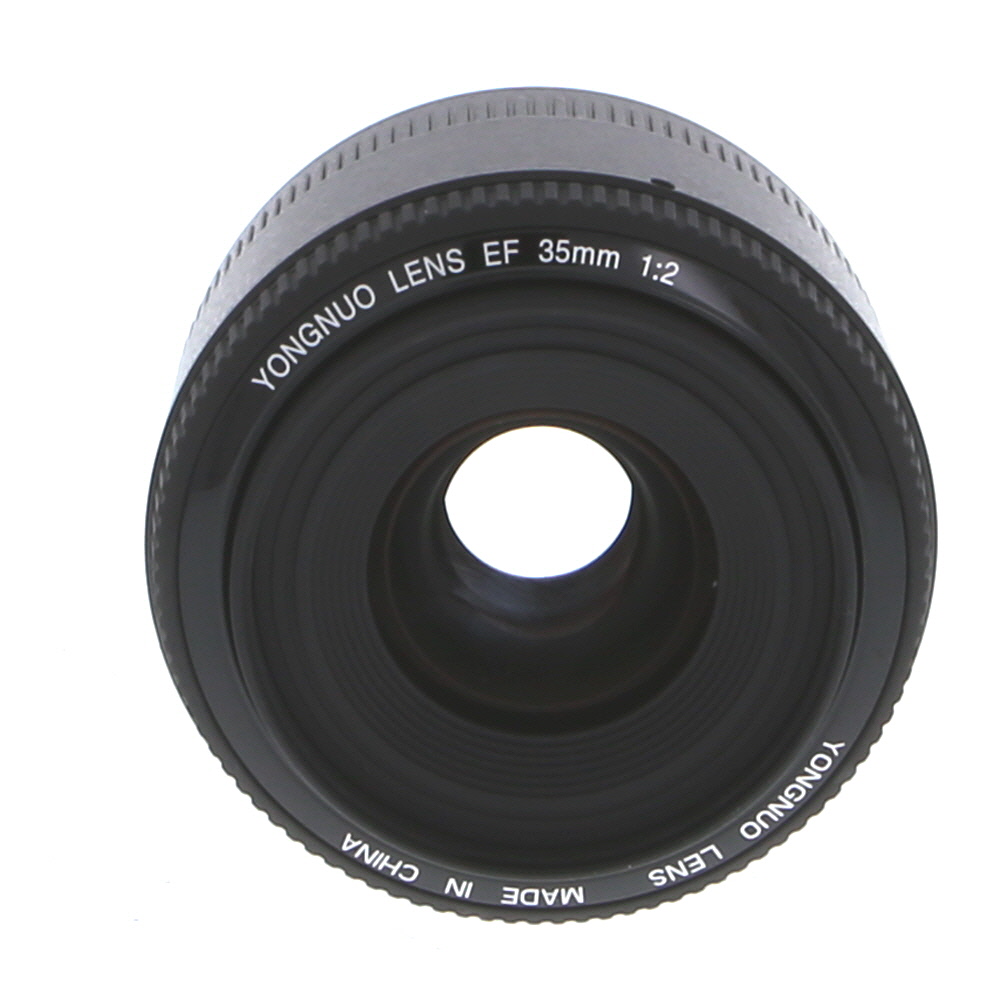
Focal Length: Consider how the focal length of the lens will translate on a digital camera with a crop sensor. The effective focal length may change, affecting the angle of view and magnification of the image.
Image Quality: Assess the image quality produced by the lens on a digital sensor. Some older lenses may not perform as well on digital cameras, leading to issues like softness, distortion, or vignetting.
Manual vs. Autofocus: Determine if the lens supports autofocus on your digital camera. Older manual focus lenses may require manual focusing on digital cameras, which can impact usability and convenience.
Adapters: If the lens mount is not compatible with your camera, consider using an adapter. However, keep in mind that adapters may affect image quality, autofocus capabilities, and overall performance.
Compatibility of 35mm Nikon Lenses with Different Digital Camera Brands
Many photographers wonder whether their existing 35mm Nikon lenses are compatible with modern digital cameras from different brands. The good news is that in most cases, these lenses can be used with digital cameras, but there are some considerations to keep in mind.

Compatibility with Nikon Digital Cameras
If you have Nikon 35mm lenses, they should work seamlessly with Nikon digital cameras, as both are made by the same manufacturer. Just make sure the lens mount is compatible with your camera model.
Compatibility with Other Brands
When it comes to using Nikon lenses with digital cameras from other brands, there are options available. Some third-party lens adapters can be used to mount Nikon lenses on cameras from brands like Canon, Sony, and Panasonic. However, functionality may be limited, and autofocus capabilities may not work as expected.
It’s important to do thorough research and read reviews before investing in lens adapters to ensure compatibility and functionality with your specific camera model.
How to Properly Mount 35mm Nikon Lenses on New Digital Cameras
Mounting 35mm Nikon lenses on new digital cameras can be a great way to leverage your existing lens collection. However, it’s important to follow the proper steps to ensure compatibility and optimal performance. Here’s a guide on how to do it right:
Step 1: Check Lens Compatibility
Before attempting to mount a 35mm Nikon lens on a new digital camera, make sure that the lens is compatible with the camera model. Some older lenses may not work with newer digital cameras due to differences in mount types or electronic communication protocols.

Step 2: Attach the Lens Correctly
When mounting the lens, align the red dot or white line on the lens with the corresponding mark on the camera’s lens mount. Twist the lens gently in a clockwise direction until it locks into place. Avoid forcing the lens or using excessive pressure.
- Ensure that the lens is securely attached to the camera to prevent accidental disconnection.
- Double-check that the lens is fully seated and locked in position before using the camera.
By following these steps, you can safely mount 35mm Nikon lenses on new digital cameras and enjoy capturing stunning images with your favorite glass.
Final Thoughts on Using 35mm Nikon Lenses with Modern Digital Cameras
While 35mm Nikon lenses can be adapted to fit modern digital cameras, it’s important to consider a few factors before making the switch. First, the image quality may not be as sharp or clear as with native lenses designed for digital cameras. Additionally, some features such as autofocus may not work seamlessly when using adapted lenses.
That being said, if you already own a collection of 35mm Nikon lenses and want to experiment with them on a digital camera, it can be a fun and creative way to explore different shooting styles. Manual focusing and adjusting settings manually can also help improve your photography skills and understanding of the technical aspects of photography.
Ultimately, the decision to use 35mm Nikon lenses with modern digital cameras depends on your personal preferences, budget, and willingness to adapt to potential limitations. Experimenting with different lenses and equipment can lead to unique and unexpected results, so don’t be afraid to try new things and see where your creativity takes you.
FAQ
Can I use my old 35mm Nikon lenses on new digital cameras?
Yes, you can use 35mm Nikon lenses on new digital cameras, but it depends on the camera model and lens compatibility. Some newer digital cameras may not have the necessary coupling mechanism or may not support older lens technology. You may need an adapter or additional accessories to make the lenses work on a digital camera.
Are there any benefits to using 35mm Nikon lenses on digital cameras?
Using 35mm Nikon lenses on digital cameras can offer benefits such as cost savings, as you can utilize your existing lens collection without having to buy new lenses. Additionally, vintage lenses may provide unique optical characteristics and a different aesthetic compared to modern digital lenses.
Do 35mm Nikon lenses produce the same image quality on digital cameras as they do on film cameras?
35mm Nikon lenses can produce high-quality images on digital cameras, but there may be differences in image rendering due to the sensor technology and resolution of the digital camera. Some lenses may exhibit vignetting, distortion, or other optical issues when used on digital cameras, so it’s essential to test the lenses with your specific camera to assess the image quality.
What should I consider before using 35mm Nikon lenses on a digital camera?
Before using 35mm Nikon lenses on a digital camera, you should consider the compatibility of the lens mount with your camera body, as well as any potential limitations in functionality such as autofocus and aperture control. Additionally, be prepared to manually focus and adjust settings on the camera when using older lenses that may not communicate with the camera electronically.


I'm really curious if anyone else has successfully used older 35mm Nikon lenses on a mirrorless camera. Are the adapters reliable, or do they tend to mess with the image quality?
I've used a few adapters with my Nikon lenses on my Sony mirrorless and had decent results, but sometimes I notice a bit of distortion. It's good for experimenting, though!
I recently tried mounting my old 35mm Nikon lens on a new Nikon DSLR. The process was pretty straightforward, and I found the images to have a lovely vintage quality. However, I had to manually focus, which took some getting used to. The sharpness was good, but I did notice a bit of vignetting in the corners. Overall, I think it's worth it if you appreciate that classic look.
Is it true that some 35mm lenses won't autofocus on the newer digital cameras? I thought they were all compatible?