
 Carmen J. Moore

Witnessing a solar or lunar eclipse is a breathtaking experience that many people want to capture and preserve. While photography is a popular way to document these celestial events, many are left wondering if they can record the eclipse using their digital camera.
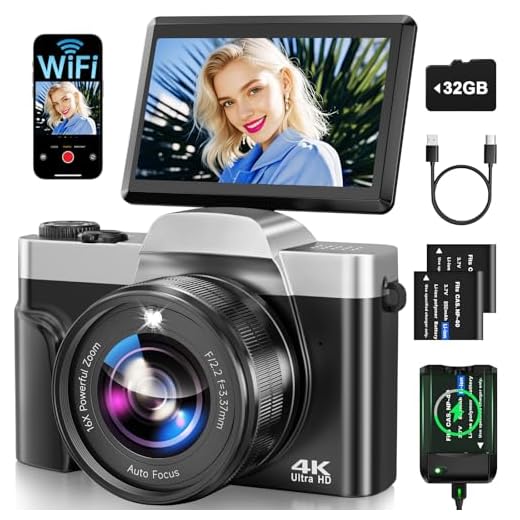
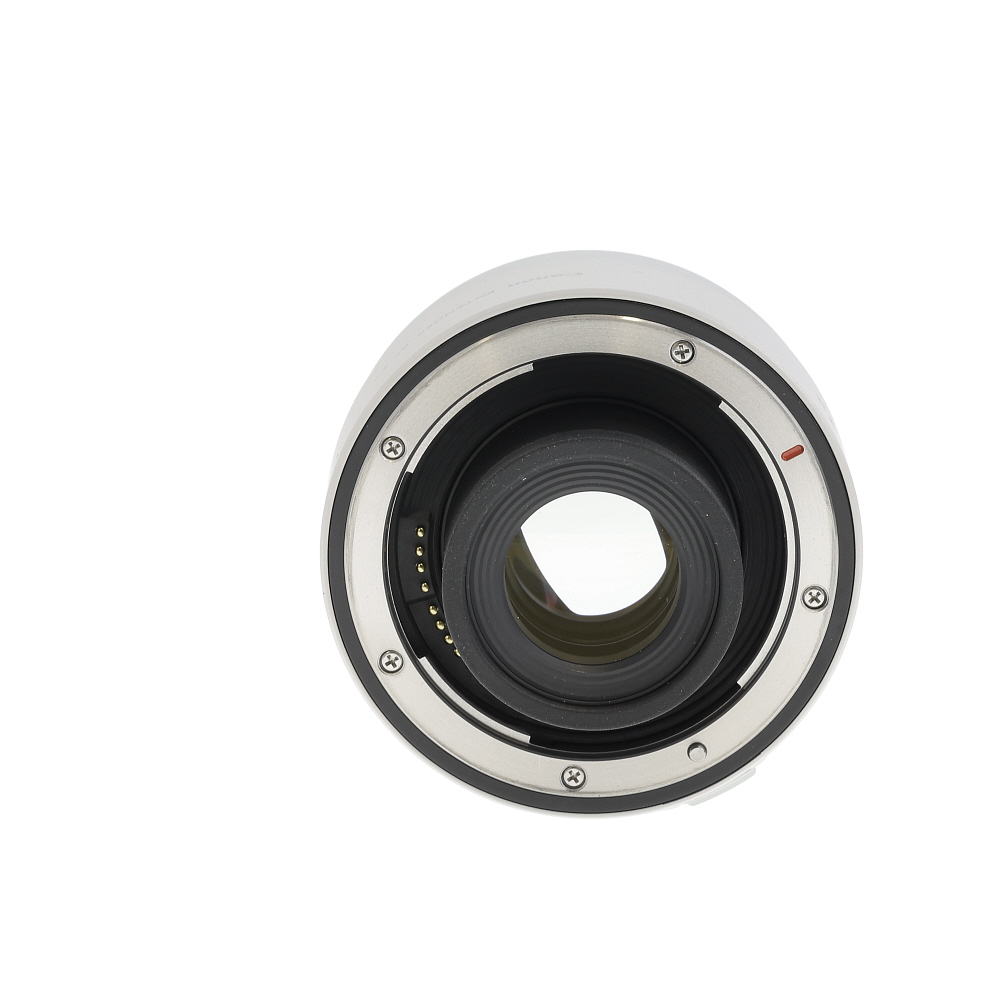
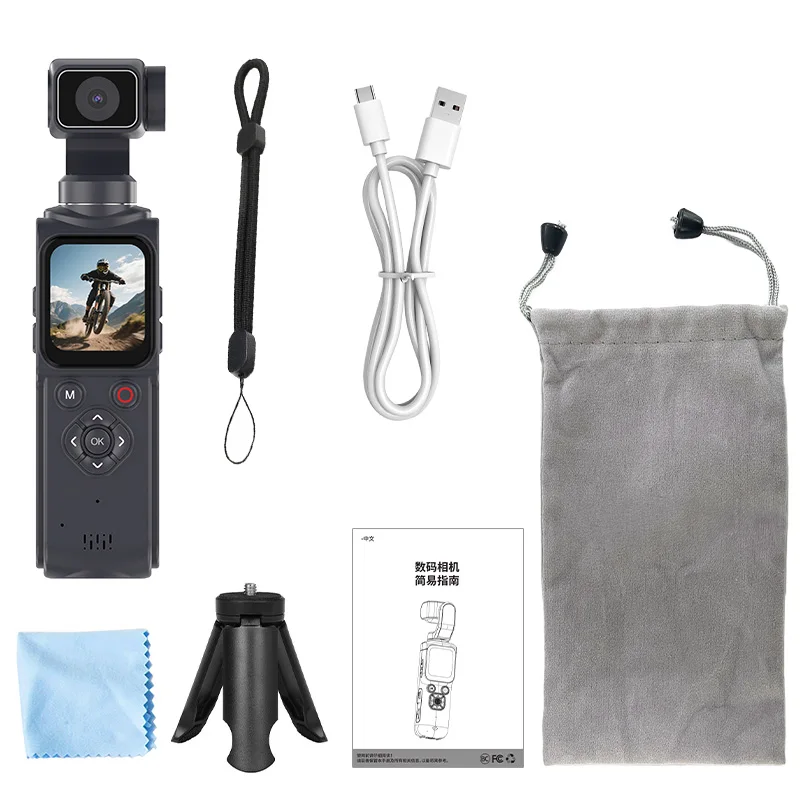

With the advancements in technology, digital cameras have become more sophisticated and capable of capturing the intricate details of an eclipse. However, there are certain factors to consider and precautions to take when attempting to record an eclipse on your digital camera.
Is it Possible to Capture the Eclipse with Your Digital Camera?
Many people wonder if they can capture the beauty of a solar or lunar eclipse using their digital camera. The answer is yes, it is possible to photograph an eclipse with your digital camera, but there are some important considerations to keep in mind.
1. Use Proper Equipment:
When photographing an eclipse, it is essential to use the right equipment. A digital camera with manual settings, a telephoto lens, and a tripod are recommended to ensure sharp and clear images.
2. Protect Your Eyes and Camera:
It is crucial to protect your eyes and camera when photographing an eclipse. Never look directly at the sun without proper eye protection, and use a solar filter or eclipse glasses when capturing the eclipse with your camera to prevent damage to both your eyes and the camera sensor.
Understanding the Eclipse Phenomenon
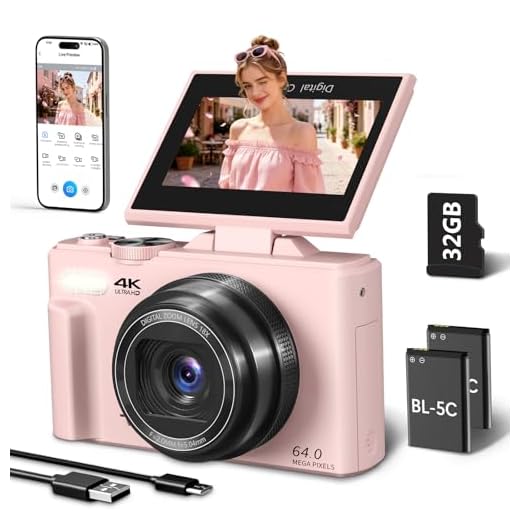
An eclipse is a natural phenomenon that occurs when an astronomical object is temporarily obscured, either by passing into the shadow of another body or by having another body pass between it and the observer. There are two main types of eclipses: solar eclipses and lunar eclipses.
| Type of Eclipse | Description |
|---|---|
| Solar Eclipse | Occurs when the Moon passes between the Sun and Earth, blocking all or part of the Sun’s light. |
| Lunar Eclipse | Occurs when Earth passes between the Sun and the Moon, causing the Earth’s shadow to fall on the Moon. |
Solar eclipses are further categorized as total, partial, annular, or hybrid, depending on the alignment of the Sun, Moon, and Earth. Lunar eclipses can be penumbral, partial, or total, based on the extent of the shadow coverage on the Moon.
Observing an eclipse can be a fascinating experience, but it’s essential to use proper eye protection, such as eclipse glasses, to avoid damaging your eyes. Recording the eclipse on a digital camera can capture this rare event for posterity and allow you to revisit the awe-inspiring moment later.
Choosing the Right Camera for Eclipse Photography
Photographing an eclipse can be a challenging yet rewarding experience. To ensure you capture this celestial event in all its glory, choosing the right camera is essential. Here are some key factors to consider when selecting a camera for eclipse photography:
1. Sensor Size
The size of the camera’s sensor plays a crucial role in capturing detailed images of the eclipse. A larger sensor will allow for better image quality and low-light performance, which is essential during an eclipse.
2. Lens Compatibility
Make sure your camera is compatible with a variety of lenses, especially telephoto lenses that can help you zoom in on the eclipse. Having the right lens can make a significant difference in the clarity and composition of your eclipse photos.
Tips for Shooting the Eclipse Safely
1. Use a solar filter: To protect both your eyes and your camera’s sensor, always use a solar filter when photographing the eclipse. This filter will reduce the amount of light entering your camera and prevent damage.
2. Avoid looking directly at the sun: Never look at the sun through your camera’s viewfinder without proper eye protection. Use the camera’s screen or electronic viewfinder instead.
3. Use a tripod: Stability is key when shooting the eclipse. Use a tripod to keep your camera steady and reduce the risk of blurry photos.
4. Experiment with different exposures: Try different exposure settings to capture the eclipse’s unique lighting conditions. Bracketing exposures can help you find the perfect balance.
5. Practice before the event: Familiarize yourself with your camera’s settings and practice shooting the sun before the eclipse. This will help you be prepared when the time comes.

Setting Up Your Camera for Eclipse Photography
When preparing to photograph an eclipse with your digital camera, it is important to set up your camera properly to capture the event effectively. Follow these steps to ensure you get the best possible shots:
| 1. Use a Tripod | Mount your camera on a stable tripod to avoid camera shake and ensure sharp images. |
| 2. Set the ISO | Use a low ISO setting (100-400) to reduce noise in your images. |
| 3. Adjust the Aperture | Set your aperture to a mid-range value (f/8-f/11) to achieve a balance between depth of field and sharpness. |
| 4. Shutter Speed | Use a fast shutter speed (1/1000s or faster) to capture the fast-changing light conditions during an eclipse. |
| 5. Manual Focus | Switch your camera to manual focus mode and adjust the focus to infinity for sharp images of the eclipse. |
| 6. Use a Remote Shutter Release | Minimize camera shake by using a remote shutter release or the camera’s self-timer function. |
| 7. Shoot in Raw | Capture images in Raw format to retain maximum image quality and flexibility in post-processing. |
Best Camera Settings for Capturing the Eclipse
When capturing the eclipse on your digital camera, it’s essential to have the right camera settings to ensure you get the best possible shots. Here are some recommended camera settings:
| 1. Use Manual Mode: | Switch your camera to manual mode to have full control over settings like aperture, shutter speed, and ISO. |
| 2. Aperture: | Set your aperture to a medium value between f/8 and f/11 to ensure sharpness and depth of field. |
| 3. Shutter Speed: | Adjust your shutter speed based on the brightness of the eclipse. Start with a fast shutter speed and adjust as needed. |
| 4. ISO: | Keep your ISO as low as possible to reduce noise in your images. Start at ISO 100 and increase if necessary. |
| 5. Use a Tripod: | To avoid camera shake, use a tripod or stable surface to keep your camera steady during the eclipse. |
| 6. Shoot in RAW: | Capture your images in RAW format to retain more detail and have more flexibility in post-processing. |
Post-Processing Tips for Eclipse Photos
After capturing the eclipse on your digital camera, it’s time to enhance your photos with some post-processing techniques. Here are some tips to help you make your eclipse photos stand out:
1. Adjust the Exposure
Tip: If your eclipse photos appear too dark or too bright, adjust the exposure to bring out the details in the image. Use editing software to fine-tune the exposure levels for a balanced and visually appealing result.
2. Enhance the Colors
Tip: Experiment with color correction tools to enhance the colors of the eclipse in your photos. Adjust the saturation, contrast, and white balance to make the colors pop and create a stunning visual impact.

Sharing Your Eclipse Photos Online
Once you have captured stunning photos of the eclipse on your digital camera, it’s time to share them with the world! Here are some tips on how to share your eclipse photos online:
1. Social Media: Post your eclipse photos on popular social media platforms like Facebook, Instagram, and Twitter. Use relevant hashtags to reach a wider audience.
2. Photography Websites: Upload your eclipse photos to photography-sharing websites such as Flickr or 500px. These platforms are great for showcasing your work to a community of photography enthusiasts.
3. Online Forums: Join online forums or discussion groups related to astronomy or photography and share your eclipse photos with like-minded individuals. You can also receive feedback and tips on improving your photography skills.
4. Personal Website or Blog: Create a dedicated page on your personal website or blog to showcase your eclipse photos. This allows you to customize the presentation and share your experience in more detail.

By sharing your eclipse photos online, you can not only preserve the memories of this incredible celestial event but also inspire others to appreciate the beauty of nature.
FAQ
Can I use my digital camera to record the eclipse?
Yes, you can use your digital camera to record the eclipse. Make sure you have the proper equipment like solar filters to protect your camera and your eyes while capturing the event.
What settings should I use on my digital camera to record the eclipse?
When recording the eclipse on your digital camera, it is recommended to use a low ISO setting, a small aperture, and a fast shutter speed to properly capture the details of the eclipse. Experiment with different settings to find the best combination for your specific camera and conditions.


I tried photographing the last eclipse with my DSLR, and using a solar filter made a huge difference!
The article mentions using a tripod and a remote shutter release. Is it really necessary to use both for eclipse shots? What if I don't have a remote?
Don't forget to practice before the eclipse! It helped me a lot to get familiar with my camera settings.
I have a point-and-shoot camera. How does that compare to using a DSLR for eclipse photography?
A DSLR typically offers better control over settings and image quality. A point-and-shoot can work but may have limitations in manual settings and lens options.
I disagree with the idea that you need a telephoto lens. I managed to get decent shots with my 18-55mm lens just by zooming in. It’s all about the technique!
It's great that you had success with a standard lens! While a telephoto lens can enhance details, technique and composition are indeed crucial for great shots.
Can I use a regular camera to take pictures of a solar eclipse, or do I really need special equipment?