
 Carmen J. Moore
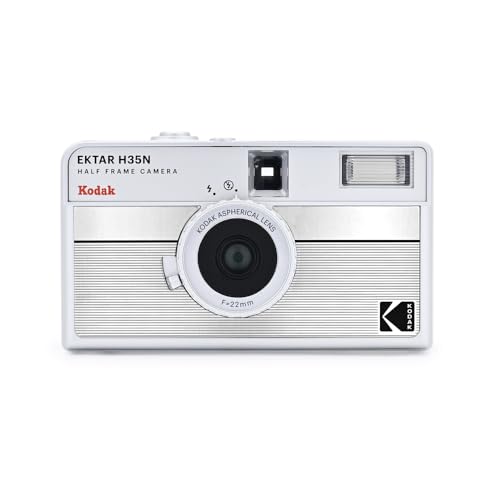
Photography enthusiasts often wonder if they can use their beloved film lenses on modern digital cameras. The idea of pairing vintage glass with high-tech digital sensors can be appealing for many reasons, from achieving a unique aesthetic to saving money on new lenses.
However, the compatibility of film lenses with digital cameras depends on several factors, including the lens mount, focal length, and aperture control. While some film lenses can be adapted to fit digital camera bodies, not all combinations will work seamlessly.

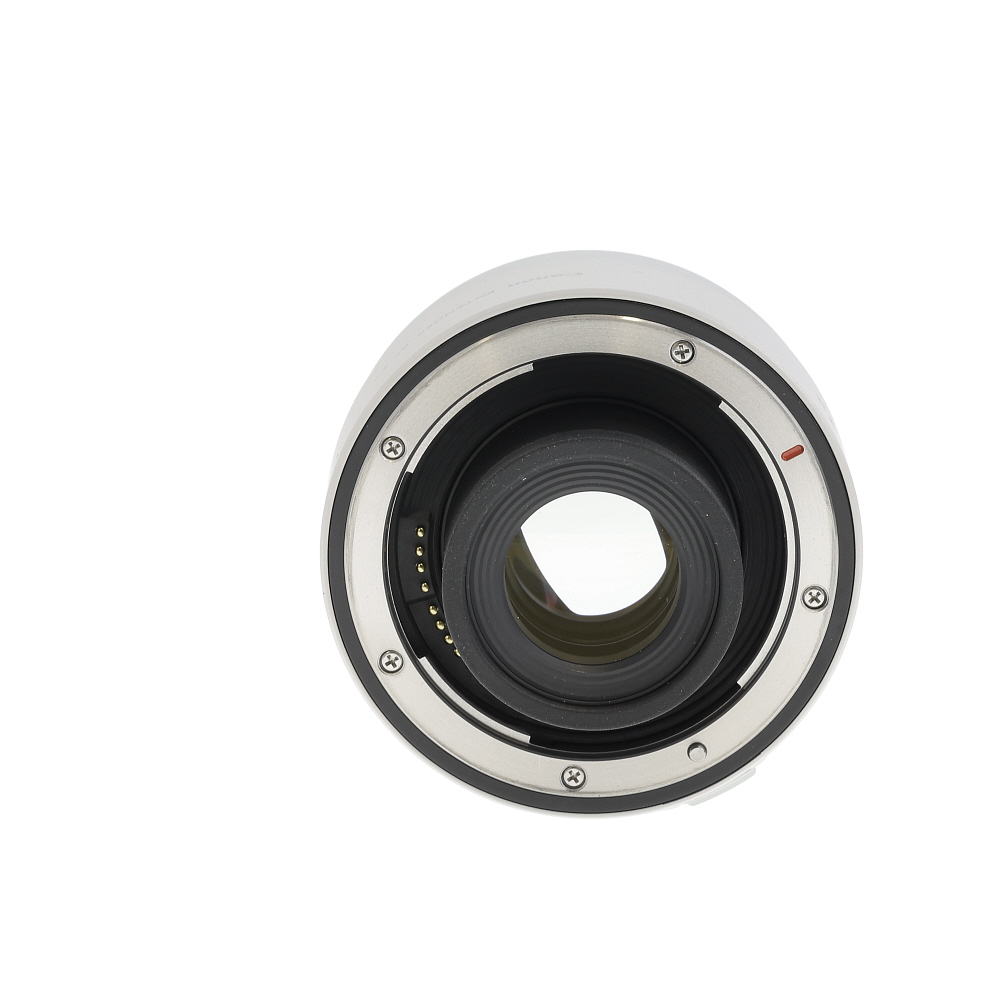
It’s essential to research and understand the limitations and potential issues that may arise when using film lenses on digital cameras. With the right adapter and adjustments, it is possible to enjoy the charm of vintage lenses on modern digital photography equipment.
Compatibility of Film Lenses with Digital Cameras
One common question among photographers is whether film lenses can be used on digital cameras. The short answer is yes, in many cases. However, there are some important factors to consider when using a film lens on a digital camera.
Mount Compatibility: The most crucial factor in using a film lens on a digital camera is the mount compatibility. Some film lenses may have a different mount than digital camera bodies, which can make them incompatible. However, there are adapter rings available that can help you use film lenses on digital cameras with different mounts.
Focal Length and Crop Factor: When using a film lens on a digital camera, it’s important to consider the crop factor of the camera sensor. Digital cameras with APS-C or Micro Four Thirds sensors have a crop factor that affects the effective focal length of the lens. For example, a 50mm lens on a camera with a 1.5x crop factor will have an effective focal length of 75mm.
Manual Focus and Aperture: Some film lenses may not have autofocus capabilities or electronic aperture control, which means you may need to manually focus and set the aperture on the lens itself. This can be a limitation for some photographers, but others may enjoy the tactile experience of manual controls.
Image Quality: Film lenses can produce unique and pleasing results on digital cameras, thanks to their optical characteristics. Some photographers prefer the look of film lenses for their softness, color rendition, and bokeh. Experimenting with different film lenses on a digital camera can lead to creative and interesting results.
In conclusion, film lenses can be used on digital cameras with some considerations. By ensuring mount compatibility, understanding the crop factor, and being prepared to use manual controls, photographers can enjoy the benefits of using film lenses on their digital camera bodies.
Adapting Film Lenses to Digital Cameras
Many photographers wonder if they can use their old film lenses on modern digital cameras. The good news is that in most cases, it is possible to adapt film lenses to digital cameras, although there are some limitations and considerations to keep in mind.
Compatibility
One of the key factors to consider when adapting film lenses to digital cameras is compatibility. Not all film lenses are compatible with all digital cameras, so it’s essential to do some research to ensure that the lens you want to use will work with your camera.
Adapters
To mount a film lens on a digital camera, you will likely need an adapter. Adapters come in various designs and are specific to the combination of lens mount and camera mount. Make sure to get the right adapter for your specific lens and camera combination to ensure a proper fit.

Potential Issues and Solutions
While using a film lens on a digital camera can offer many benefits, there are some potential issues that you may encounter:
Compatibility:
One of the main issues is compatibility. Film lenses may not always be fully compatible with digital camera bodies. This can result in autofocus issues, exposure problems, or even the lens not fitting properly on the camera.
Lack of Electronic Communication:
Another issue is the lack of electronic communication between the lens and the camera. Some modern lenses rely on electronic connections to communicate important information such as aperture settings or focal length. When using a film lens on a digital camera, you may lose some of these functionalities.
Solution: To address compatibility issues, you can look for adapters that allow you to mount your film lens on your digital camera. These adapters can help bridge the gap between the two systems and ensure better compatibility. Additionally, you may need to manually adjust settings such as focus and aperture when using a film lens on a digital camera without electronic communication.
Benefits of Using Film Lenses on Digital Cameras
Using film lenses on digital cameras can offer several advantages that enhance your photography experience:

- Unique Aesthetic: Film lenses often provide a distinct look and character to your images that may not be easily replicated with digital lenses.
- Cost-Effective Solution: Utilizing film lenses you already own can save you money compared to investing in new digital lenses.
- Enhanced Creativity: The limitations and characteristics of film lenses can inspire new creative approaches to photography.
- Increased Lens Options: Accessing a wider range of lenses from different eras and manufacturers can expand your creative possibilities.
- Improved Build Quality: Film lenses are often built to last and can provide a durable option for your digital camera setup.
FAQ
Can I use a film lens on a digital camera?
Yes, in most cases you can use a film lens on a digital camera with the appropriate adapter. However, keep in mind that some older film lenses may not be fully compatible with digital cameras due to differences in technology and lens mounts.
What do I need to use a film lens on a digital camera?
To use a film lens on a digital camera, you will typically need an adapter that can bridge the gap between the lens mount of the film lens and the digital camera body. Make sure to choose an adapter that is compatible with both your lens and camera model.
Are there any advantages to using a film lens on a digital camera?
Using a film lens on a digital camera can sometimes provide unique optical characteristics and a distinct look to your photographs. Additionally, if you already own a collection of film lenses, using them on a digital camera can save you money compared to investing in new digital-specific lenses.


I'm curious about how to know if a specific film lens will work with my digital camera. Are there key specs I should look for?
Using vintage lenses can really add character to photos. I've started using a few from my dad's collection and love them!
I recently adapted an old Canon FD lens to my mirrorless camera. It took some trial and error, but once I got the right adapter, it worked surprisingly well. The color and bokeh are fantastic! Just be ready for manual focus; I'm still getting the hang of it.
I don't see the appeal of using film lenses. Digital lenses are designed for digital cameras, so why not just invest in those instead?
I get where you're coming from, but some of us love the unique aesthetic and history behind vintage lenses. It's all about personal preference!
I don’t think using film lenses is worth it. I’ve always found that digital lenses perform better, especially in low light conditions.
While that's true for some cases, I think film lenses have their charm and unique qualities that digital lenses can't replicate. It's all about personal preference!
I recently tried using an old Nikon film lens on my digital Nikon camera. The adapter worked well, but I had to manually adjust the aperture, which was a bit tricky at first. The images turned out beautifully, with soft bokeh and rich colors. It was definitely worth the effort!
I've heard mixed reviews about using film lenses on digital bodies. Some say the image quality isn't as good due to lack of electronic communication. Is it generally worth trying out older lenses?
I have a vintage Canon FD lens. Can I use it on a modern Canon DSLR? What kind of adapter do I need?
Great question! Just remember that using an adapter may mean losing autofocus and electronic aperture control, so you'll have to focus manually.
Yes, you can use a Canon FD lens on a modern Canon DSLR with an FD to EF adapter. Just make sure to check the reviews for the adapter to ensure quality.
When you say some lenses won't fit, does that mean physically, or are there compatibility issues with the camera's settings too?
Using older film lenses is a great way to save money on photography gear. I've found some awesome deals on second-hand lenses!
Can someone explain what crop factor means when using film lenses on digital cameras? I've seen it mentioned but I'm not quite sure how it affects my shots.
The crop factor refers to how much smaller the sensor is compared to a full-frame camera. This means a 50mm film lens may act more like a 75mm lens on an APS-C sensor due to this crop factor.