
 Carmen J. Moore

Digital cameras have revolutionized the way we capture moments and memories. With their advanced technology and features, these devices offer a wide range of settings to help users get the perfect shot. One important setting that photographers often adjust is the exposure time, also known as shutter speed.
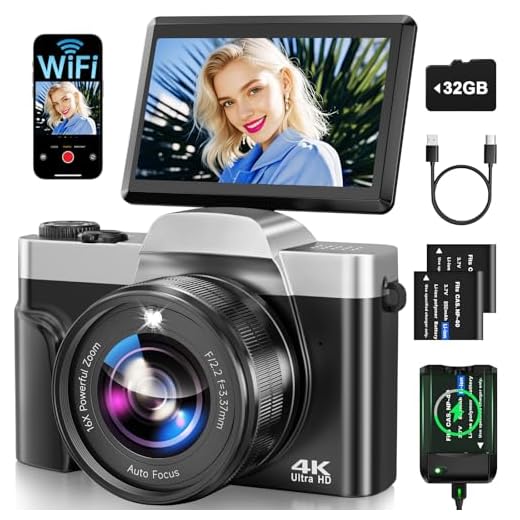
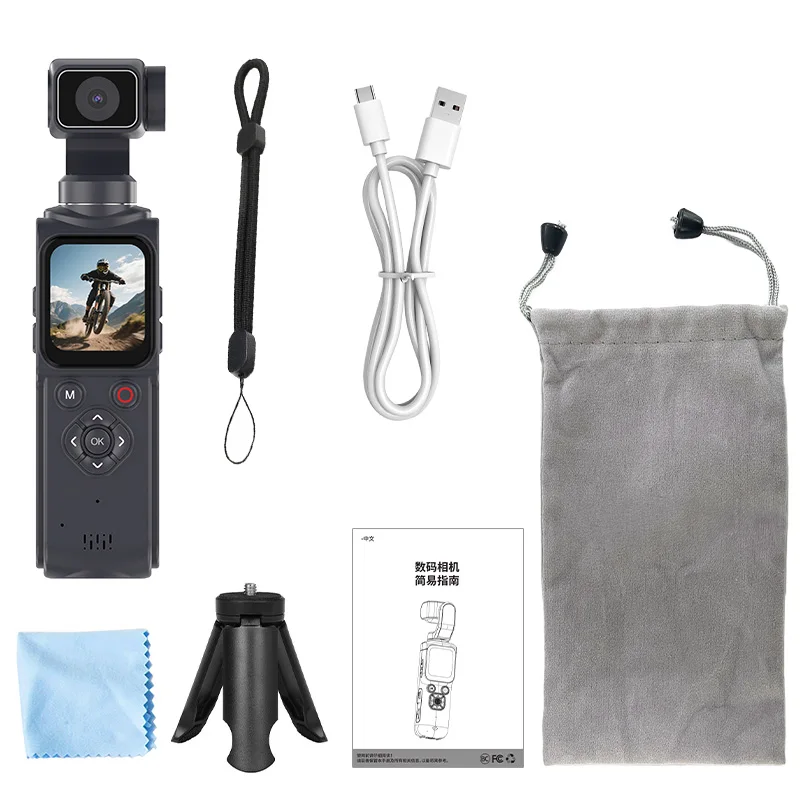

Exposure time refers to the length of time that the camera’s sensor is exposed to light when taking a photo. A shorter exposure time results in a sharper image of fast-moving subjects, while a longer exposure time can capture more light and detail in low-light conditions. But can you actually increase the exposure time on a digital camera?
The answer is yes, you can increase the exposure time on most digital cameras. This feature allows you to manually control how long the shutter remains open, giving you more creative control over your images. By adjusting the exposure time, you can experiment with different effects such as motion blur or light trails, and capture stunning long-exposure shots.
Can Digital Cameras Increase Exposure Time?
Digital cameras have the capability to adjust exposure time, also known as shutter speed, which controls how long the camera’s sensor is exposed to light. Increasing exposure time allows more light to reach the sensor, resulting in brighter images, especially in low-light conditions.
Most digital cameras provide manual control over exposure settings, allowing users to increase or decrease exposure time to achieve the desired effect. However, increasing exposure time may lead to motion blur if the camera or subject is not held steady during the capture.
It is important to experiment with exposure settings and consider factors like lighting conditions, desired image quality, and motion in the scene to determine the optimal exposure time for your photographs.

Understanding Exposure Time in Digital Cameras
Exposure time, also known as shutter speed, is a critical setting in digital cameras that determines how long the camera’s sensor is exposed to light when taking a photo. It impacts the amount of light that reaches the sensor and therefore affects the brightness and clarity of the image.
A longer exposure time allows more light to enter the camera, making the image brighter and capturing more detail in low-light conditions. However, a longer exposure time can also introduce motion blur if the camera or subject moves during the exposure.
On the other hand, a shorter exposure time limits the amount of light entering the camera, resulting in a darker image. Shorter exposure times are ideal for capturing fast-moving subjects or preventing blur in handheld shots.
Adjusting the exposure time in a digital camera can be done manually or automatically, depending on the camera model and settings. By increasing the exposure time, you can achieve brighter and more detailed images, but it’s essential to consider the potential impact on motion blur.
Overall, understanding exposure time is crucial for achieving the desired brightness, clarity, and sharpness in your digital photos. Experimenting with different exposure times can help you master this fundamental aspect of photography and enhance your creative vision.
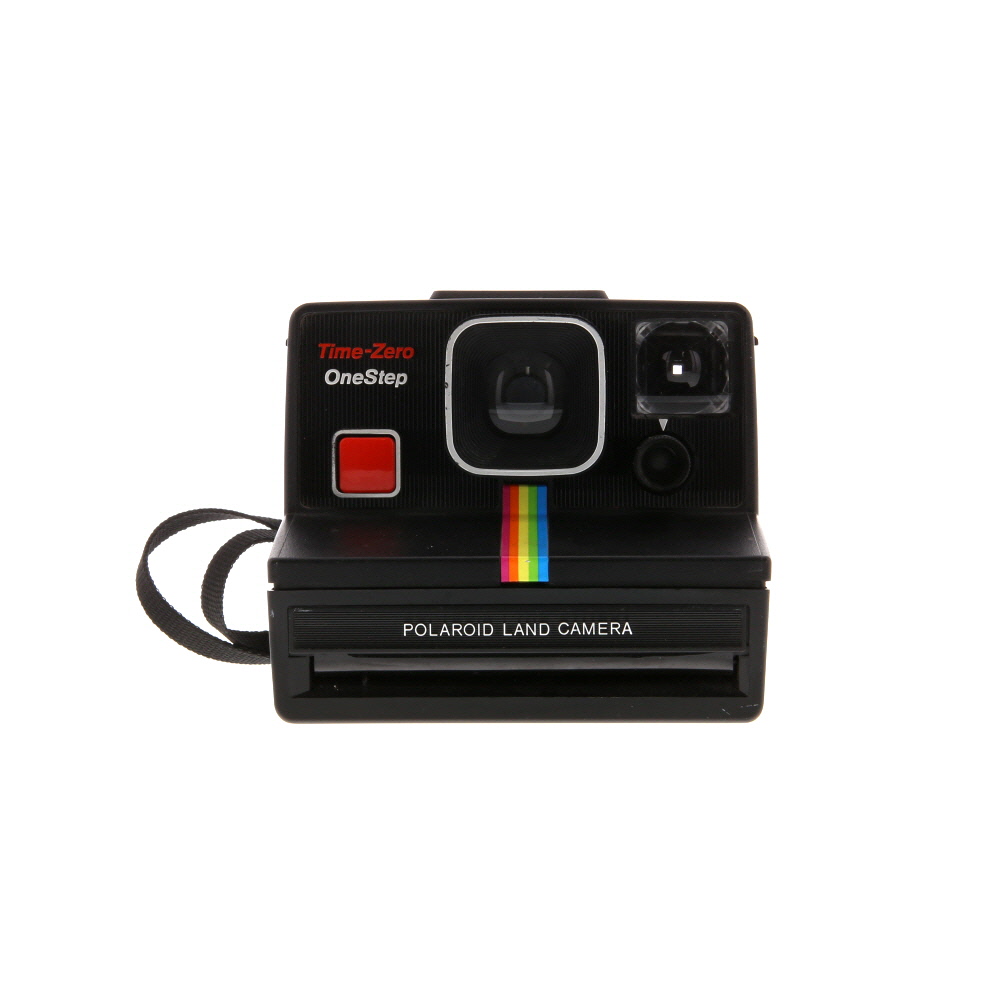
Factors Affecting Exposure Time in Digital Cameras
Exposure time, also known as shutter speed, is a crucial factor in digital photography that determines how long the camera’s sensor is exposed to light. The exposure time directly impacts the amount of light that reaches the sensor, affecting the brightness and sharpness of the resulting image.
Factors that Influence Exposure Time:
- Lighting Conditions: The amount of available light in the environment plays a significant role in determining the exposure time. In low-light situations, longer exposure times are often necessary to capture a properly exposed image.
- Aperture Size: The size of the aperture (measured in f-stops) affects the amount of light that passes through the lens. A wider aperture allows more light to enter, potentially reducing the required exposure time.
- ISO Sensitivity: The camera’s ISO setting determines its sensitivity to light. Higher ISO values can compensate for low-light conditions, allowing for shorter exposure times.
- Movement in the Scene: Fast-moving subjects may require faster shutter speeds to freeze motion and prevent blur. Slower-moving subjects or static scenes can benefit from longer exposure times to capture more light.
Understanding these factors and how they interact can help photographers optimize exposure time to achieve the desired results in their digital photographs. Adjusting exposure time can impact the overall look and feel of an image, so experimenting with different settings is key to mastering the art of digital photography.
Benefits of Increasing Exposure Time
Increasing the exposure time on a digital camera can provide several benefits:
1. Improved Low-Light Performance: By increasing the exposure time, the camera sensor can capture more light, resulting in better performance in low-light conditions.
2. Enhanced Depth of Field: Longer exposure times allow for a greater depth of field, making it easier to capture sharp images of subjects at varying distances.
3. Creative Motion Blur: Longer exposure times can create motion blur effects, adding a sense of movement and drama to your photos.
4. Reduced Noise: With longer exposure times, the camera can use a lower ISO setting, reducing noise in the final image.
5. Capturing Light Trails: By extending exposure time, you can capture light trails from moving objects like cars or stars, adding a dynamic element to your photos.
Challenges of Increasing Exposure Time
Increasing exposure time on a digital camera can lead to several challenges that photographers need to be aware of. One of the main challenges is the risk of motion blur. When the exposure time is lengthened, any movement in the frame, whether from the subject or the camera itself, can result in a blurred image.
Another challenge is increased noise in the image. Longer exposure times can introduce more noise, especially in low-light conditions. This noise can degrade image quality and make it harder to achieve sharp, clear photos.
Overexposure
Additionally, increasing exposure time can lead to overexposure, where the image becomes too bright and details are lost in highlights. It is important to carefully monitor exposure settings and adjust other parameters such as aperture and ISO to compensate for the longer exposure time.
How to Adjust Exposure Time on a Digital Camera
Adjusting the exposure time on a digital camera is essential for capturing the perfect shot. Here are some steps to help you increase the exposure time:
- Access the camera’s menu settings by pressing the menu button.
- Select the “Exposure” or “Exposure Time” option from the menu.
- Use the arrow keys or touch screen to increase the exposure time value.
- Check the exposure time indicator on the screen to ensure the desired setting.
- Press the OK or Select button to confirm the new exposure time.
- You are now ready to take photos with the increased exposure time setting.
Adjusting the exposure time allows you to control the amount of light entering the camera, which is crucial for capturing sharp and well-exposed images. Experiment with different exposure times to achieve the desired results in your photography.
Experimenting with Exposure Time Settings
Adjusting the exposure time on your digital camera can greatly impact the quality of your photos. By increasing the exposure time, you allow more light to reach the camera sensor, resulting in brighter images with more detail. However, longer exposure times can also lead to motion blur if the camera or subject moves during the shot.
Benefits of Increasing Exposure Time:
1. Improved Low-Light Performance: Longer exposure times can help capture more light in low-light conditions, producing clear and vibrant photos even in dimly lit environments.
2. Creative Motion Blur: Experimenting with longer exposure times can create artistic effects like light trails or smooth waterfalls by capturing motion over an extended period.
Remember to balance the exposure time with other settings like aperture and ISO to achieve the desired result. Practice with different exposure times to find the perfect setting for your photography style and subjects.
Common Mistakes when Adjusting Exposure Time
Adjusting exposure time on a digital camera can significantly impact the quality of your photos. However, there are common mistakes that photographers make when trying to increase exposure time:
1. Overexposure
One common mistake is setting the exposure time too long, resulting in overexposed images. This can wash out details and make the photo look unnatural. It’s important to find the right balance between a longer exposure time and maintaining proper exposure.
2. Blurriness
Another mistake is using a too long exposure time without stabilizing the camera properly. This can lead to blurry photos due to camera shake. To avoid this, use a tripod or other stabilizing equipment when increasing exposure time.
By being aware of these common mistakes, you can effectively adjust exposure time on your digital camera to capture stunning and well-exposed photos.
Professional Tips for Extending Exposure Time
Extending the exposure time of your digital camera can be a great way to capture stunning images, especially in low-light conditions. Here are some professional tips to help you make the most of this feature:
1. Use a tripod: To avoid camera shake and ensure sharp images, use a sturdy tripod when extending the exposure time.
2. Use a remote shutter release: A remote shutter release can help you avoid touching the camera and causing vibrations during long exposure shots.
3. Experiment with different exposure times: Try different exposure times to achieve the desired effect in your photos. Longer exposures can create beautiful light trails and smooth water effects.

4. Consider using ND filters: Neutral density filters can help reduce the amount of light entering the camera, allowing you to use longer exposure times even in bright conditions.
5. Shoot in manual mode: To have full control over the exposure time, switch to manual mode and adjust the settings according to your preferences.
By following these professional tips, you can successfully extend the exposure time of your digital camera and capture stunning long exposure shots.
FAQ
Is it possible to increase exposure time on a digital camera?
Yes, it is possible to increase exposure time on a digital camera. Most digital cameras allow you to manually adjust the exposure settings, including the exposure time, to capture images with longer exposure times.
How can I increase the exposure time on my digital camera?
To increase the exposure time on your digital camera, you can switch to manual mode or aperture priority mode, and then adjust the shutter speed to a slower setting. This will allow the camera to capture more light and create longer exposures.
What are the benefits of increasing exposure time on a digital camera?
Increasing exposure time on a digital camera can help you capture more light in low-light conditions, create motion blur effects, and achieve a desired level of brightness in your photos. It can also be useful for capturing night scenes, star trails, and light painting photography.


I've been using longer exposure times for my night photography, and it really made a difference! Using a tripod is essential, though, to avoid motion blur. I found that around 15 to 30 seconds works well for star trails. Has anyone else tried this?
Yes, I’ve done similar shots! A remote trigger is also helpful to avoid any shake when pressing the shutter.
I love using longer exposure times for waterfalls. The smooth effect on the water is just stunning!
What are the best settings for long exposure photography? I want to try capturing light trails but I'm unsure about the ideal exposure time.
I disagree with the idea that longer exposure times always yield better results in low light. Sometimes, I find that a higher ISO gives clearer images without the noise that comes from prolonged exposure.
How does increasing exposure time compare to just boosting the ISO? Is one better than the other for low-light situations?
When adjusting exposure time manually, how can you tell if the picture will be overexposed? Are there indicators on the camera that can help with this?
Most digital cameras have a histogram feature that helps indicate exposure levels. If the graph is skewed to the right, it often means overexposure. Checking your camera's display settings can provide more insights as well.