
 Carmen J. Moore

Photography enthusiasts often wonder if they can use their digital camera as a light meter. A light meter is a device that measures the amount of light in a scene, helping photographers determine the correct exposure settings for their camera. While digital cameras come equipped with built-in light meters, some photographers may question their accuracy and reliability compared to dedicated light meters.
Using a digital camera as a light meter can be a convenient option for photographers who want to streamline their equipment and workflow. By utilizing the exposure metering capabilities of a digital camera, photographers can quickly assess the lighting conditions and adjust their camera settings accordingly. However, there are certain considerations and limitations to keep in mind when using a digital camera as a light meter.
Can I Use Digital Camera as Light Meter?
Many modern digital cameras have advanced light metering systems that can accurately measure the amount of light in a scene. While these meters are primarily designed for setting exposure in photography, they can also be used as a light meter for other purposes.

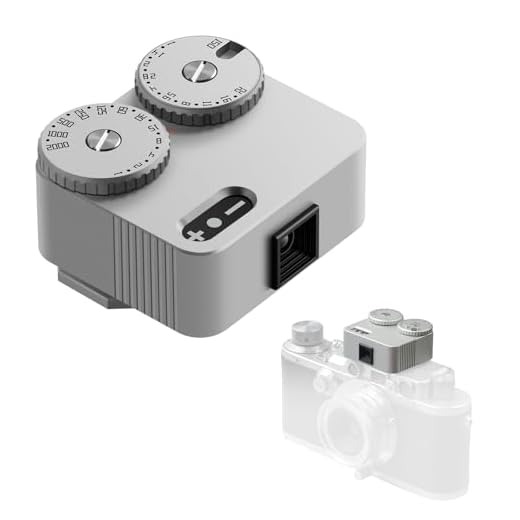
By using the exposure meter in your digital camera, you can determine the correct exposure settings for a particular scene, which can help you adjust the lighting or set up additional lighting equipment accordingly. However, keep in mind that the accuracy of the meter may vary depending on the camera model and settings.
Steps to Use Your Digital Camera as a Light Meter:
- Set your camera to manual mode.
- Aim the camera at the subject or scene you want to measure the light for.
- Adjust the settings (aperture, shutter speed, ISO) until the exposure meter indicates the correct exposure.
While using a digital camera as a light meter can be helpful in some situations, it may not always provide the same level of accuracy as a dedicated light meter. It’s important to test and adjust your settings to ensure the desired lighting conditions are achieved.
Understanding Light Measurement
Light measurement is a crucial aspect of photography, as it determines the exposure settings needed to capture a well-balanced image. Understanding how light is measured can help you make informed decisions when setting up your camera for a shot.
There are various units used to measure light, including lux, foot-candles, and EV (Exposure Value). Each unit provides a different way to quantify the amount of light present in a scene. By understanding these units and how they relate to each other, you can effectively adjust your camera settings to achieve the desired exposure.
How a Light Meter Works
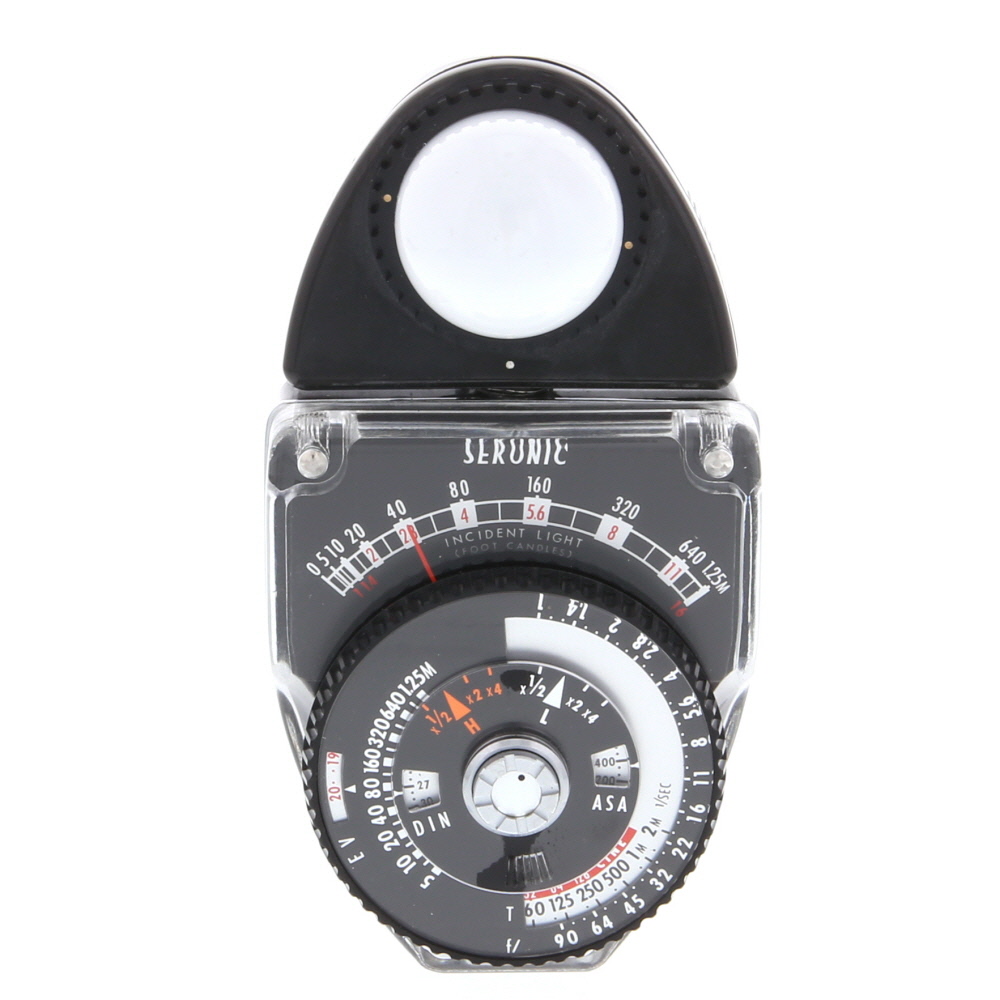
A light meter is a device used to measure the intensity of light in a scene. It calculates the appropriate exposure settings based on the amount of light present, helping photographers achieve accurate exposures. Digital cameras often have built-in light meters that measure the light and suggest exposure settings for the best results.

While digital cameras can be used as light meters, dedicated light meters offer more precise measurements and control. Understanding how light meters work and interpreting their readings can improve the quality of your photographs and give you more creative control over your images.
Using a Digital Camera for Light Metering
While a digital camera is primarily used for capturing images, it can also be utilized as a light meter to help determine the correct exposure settings for your photographs.
By using your digital camera as a light meter, you can benefit from its built-in features such as histogram display, exposure compensation, and live view, which can assist you in achieving optimal exposure for your shots.
Steps to Use Your Digital Camera as a Light Meter:
- Set your camera to manual mode.
- Point your camera towards the scene you want to photograph.
- Adjust the settings (aperture, shutter speed, ISO) until the exposure meter indicates correct exposure.
By following these steps and utilizing your digital camera as a light meter, you can improve the accuracy of your exposure settings and enhance the quality of your photographs.
Benefits of Using a Digital Camera as a Light Meter
Using a digital camera as a light meter offers several advantages for photographers. Here are some of the benefits:
1. Cost-effective Solution
Instead of investing in a separate light meter, photographers can utilize the built-in light meter in their digital camera, saving money and space in their photography gear.
2. Convenient and Efficient
Having a light meter integrated into the camera allows photographers to quickly and easily measure the light levels in their scene without the need for an additional device. This streamlines the photography process and helps in making accurate exposure decisions.
Limitations of Using a Digital Camera as a Light Meter
While using a digital camera as a light meter can be a convenient option, there are some limitations to keep in mind:
- Accuracy: Digital cameras may not always provide the most accurate light meter readings compared to dedicated light meters. Factors such as sensor sensitivity, dynamic range, and metering algorithms can affect the accuracy of the readings.
- Dynamic Range: Digital cameras may have limitations in capturing the full dynamic range of a scene, leading to potential inaccuracies in exposure readings, especially in high-contrast situations.
- Calibration: Digital cameras may require periodic calibration to ensure accurate light meter readings. Without proper calibration, the readings may be inconsistent or unreliable.
Conclusion
While using a digital camera as a light meter can be a convenient option in certain situations, it is important to be aware of the limitations and potential inaccuracies that may arise. For critical or professional work, investing in a dedicated light meter may be the best option to ensure accurate exposure readings.
Alternative Light Metering Tools
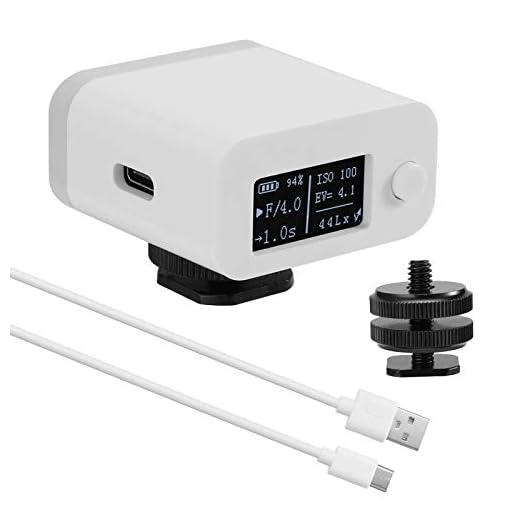
If you don’t have a dedicated light meter, there are several alternative tools you can use to measure light. One option is to use a smartphone app that acts as a light meter, such as LightMeter or Pocket Light Meter. These apps can give you accurate readings of the light levels in your scene.
Another option is to use the histogram feature on your digital camera. By looking at the histogram, you can see the distribution of light in your image and adjust your exposure settings accordingly.
You can also use the Sunny 16 rule as a basic guideline for exposure settings in outdoor daylight conditions. This rule suggests using an aperture of f/16 with a shutter speed that is the reciprocal of the ISO setting (e.g. ISO 100, 1/100 sec).
Additionally, you can use a gray card to meter the light in your scene. Simply place the gray card in the same lighting conditions as your subject, meter off the card, and set your exposure settings based on the reading.
Tips for Accurate Light Metering with a Digital Camera
When using a digital camera as a light meter, there are a few tips to ensure accurate results:
| 1. Use a Neutral Target: | When measuring light, use a neutral target or grey card to ensure accurate metering. |
| 2. Avoid Overexposure: | Be mindful of overexposure, as digital cameras can easily blow out highlights in bright conditions. |
| 3. Check Histogram: | Review the histogram on your camera to ensure a well-balanced exposure. |
| 4. Test Different Settings: | Experiment with different metering modes and exposure settings to find the best results. |
| 5. Use Spot Metering: | Consider using spot metering for precise measurements in specific areas of the frame. |
FAQ
Can I use my digital camera as a light meter?
Yes, you can use your digital camera as a light meter. Most modern digital cameras have a built-in light meter that measures the amount of light in a scene and helps you set the correct exposure settings for your photos.
How accurate is using a digital camera as a light meter?
Using a digital camera as a light meter can be quite accurate, especially in well-lit conditions. However, in challenging lighting situations or when shooting in low light, the accuracy of the camera’s light meter may vary. It’s always a good idea to double-check the exposure settings and make adjustments as needed.
Are there any limitations to using a digital camera as a light meter?
While using a digital camera as a light meter is convenient and generally accurate, there are some limitations to consider. For example, the camera’s light meter may not be as precise as a dedicated light meter, especially in complex lighting scenarios. Additionally, some older or entry-level digital cameras may have less advanced light metering capabilities, which can affect the accuracy of the exposure settings.


I tried using my DSLR as a light meter last week while shooting an outdoor portrait session. It was really convenient to just adjust the settings based on the camera's readings instead of carrying an extra tool. However, I ended up overexposing a couple of shots since I wasn’t aware of the limitations in bright sunlight. Definitely a useful trick, but I think I’ll stick to my dedicated light meter for critical shots.
Can you explain what you mean by 'dynamic range' affecting the accuracy of the light meter? How does that play into using a digital camera?
I disagree that using a digital camera as a light meter is a good substitute for a dedicated light meter. I've found them to be less reliable, especially in challenging lighting conditions.
I see your point, but for casual shooting, I think a camera's meter is fine. For professional work, though, a dedicated meter would be worth the investment.
I disagree with the idea that a camera can substitute for a dedicated light meter. A light meter gives you more precise control and is worth the investment for serious photographers.
I get that, but for casual use, I think a camera's meter works just fine. It really depends on your shooting style.
Just a quick note: if you're using a smartphone app as a light meter, make sure it's calibrated to your camera settings for accuracy!
Using the histogram feature on my camera has helped me a lot to check exposure. It's a great tool that complements the light meter readings nicely.
I disagree with the notion that using a digital camera as a light meter is always efficient. I've had issues where the readings were off, especially in dynamic lighting situations. For serious work, I think a dedicated light meter is essential.
Can I really rely on my digital camera's built-in meter for accurate readings? I’ve heard mixed opinions on this.
I disagree with the claim that using a digital camera as a light meter is always convenient. I’ve had instances where my camera's readings were completely off, especially in mixed lighting situations. It often led to blown highlights that a dedicated meter would likely have avoided.
It's true that dedicated light meters provide better accuracy in complex lighting. Digital cameras have limitations, especially under challenging conditions, so it’s important to be cautious.
I’ve tried using my DSLR as a light meter for landscape photography. Initially, I was skeptical, but it worked surprisingly well! I used spot metering to focus on specific areas, and it helped me get the exposure just right. Just remember to check the histogram afterward to ensure there’s no clipping.
Can someone clarify the difference between using spot metering and matrix metering on a digital camera? When should I use one over the other?
Spot metering measures a small area of the scene, which is useful for high contrast situations. Matrix metering evaluates the entire frame, ideal for evenly lit scenes. Choose based on your specific lighting conditions.
Good question! Is there a specific camera model you recommend for using as a light meter? I've been thinking about this but not sure which ones have the best metering.
Are there tips for ensuring accurate readings when using my camera as a light meter? What should I focus on?
Good article! Can you clarify how the accuracy of a digital camera's light meter compares to a dedicated light meter in different lighting conditions?
Great question! In general, dedicated light meters tend to provide more accurate readings, especially in challenging lighting situations like high contrasts. However, modern digital cameras perform quite well in typical conditions.
I've been using my DSLR as a light meter for a while, and it works great for most situations! I usually shoot in manual mode and just adjust the settings based on the meter reading. However, I've noticed that in really high-contrast scenes, the readings can be off. I had a situation shooting a sunset where the highlights were blown out because the camera couldn't handle the dynamic range well. Anyone else experience this?
Can I really rely on my digital camera's built-in light meter for all types of photography? Are there specific situations where it might not work well?
I've used my DSLR as a light meter for years, and it works well enough for casual photography. I find that in high-contrast scenes, I sometimes need to tweak settings manually.
Using a smartphone app can also be a nice alternative if you don’t want to buy a dedicated light meter. Just tried one and it works surprisingly well!
Using the histogram on my camera has really helped with exposure adjustments. Highly recommend it along with the light meter!
I don't think using a digital camera as a light meter is a good idea. I've found dedicated light meters to be way more reliable for accurate exposure settings.
Good article! Can you give more details on how accurate a digital camera's light meter can be compared to a dedicated light meter? Are there specific camera models that perform better?
While many modern cameras have reliable light meters, accuracy can vary by model and brand. Generally, dedicated light meters are more precise, particularly in challenging lighting conditions. It's often best to test your specific camera to see how well it performs.
I've tried using my DSLR as a light meter for some outdoor shoots. It worked well in most scenarios, but I found it struggled a bit with backlighting. I had to adjust the settings manually to avoid overexposing the highlights. Has anyone else had similar experiences?
Yes, I had a similar issue with my camera during sunset shots. I ended up using spot metering to get better results.