
 Carmen J. Moore

Extreme temperatures can have a significant impact on the functionality of electronic devices, including digital cameras. While many people are aware of the dangers of exposing their devices to heat, the effects of cold temperatures are often overlooked. When a digital camera is exposed to cold weather, it can experience a range of issues that may affect its performance and longevity.
One of the most common problems caused by cold weather is condensation forming inside the camera. When a camera is moved from a cold environment to a warm one, moisture can accumulate inside the lens and other components. This can lead to foggy images, blurry photos, and even damage to the internal circuitry of the camera.
Additionally, cold temperatures can cause the battery life of a digital camera to decrease significantly. Batteries tend to drain faster in cold weather, which means that your camera may run out of power more quickly than usual. In extreme cases, the cold can even cause the battery to malfunction or fail completely.
Effects of Extreme Cold on Camera
Extreme cold temperatures can have negative effects on digital cameras. Here are some of the potential issues that can arise:
- Condensation: Moving a camera from a cold environment to a warm one can cause condensation to form inside the camera, potentially damaging internal components.
- Battery life: Cold temperatures can significantly reduce the battery life of a camera, leading to shorter usage time.
- Lens operation: Extreme cold can cause the lubricants in the lens mechanism to thicken or freeze, affecting the autofocus and zoom functionality.
To protect your camera in cold weather, it’s recommended to keep it insulated when not in use, avoid sudden temperature changes, and use a camera bag or case designed for cold weather conditions.
Precautions to Protect Camera from Cold
1. Keep the camera insulated: Use a camera case or wrap the camera in a soft cloth to provide insulation from the cold temperatures.
2. Avoid sudden temperature changes: Try to gradually acclimate your camera to the cold weather to prevent condensation from forming inside the camera.
3. Use a hand warmer: Place a hand warmer in the camera case or near the camera to keep it warm in cold conditions.
4. Keep spare batteries warm: Store extra camera batteries in a warm pocket to ensure they maintain their charge in the cold.

5. Minimize camera exposure: Limit the amount of time your camera is exposed to extreme cold temperatures to prevent damage to its electronic components.
Signs of Cold Damage on Digital Camera
Exposure to extreme cold temperatures can potentially damage your digital camera. Here are some common signs to look out for:
Frozen LCD Screen
If the LCD screen of your camera appears frozen or sluggish in response, it may have been affected by the cold. This can lead to display issues and hinder your ability to use the camera effectively.
Condensation Inside the Lens
One of the clear signs of cold damage is condensation forming inside the camera lens. This moisture can impact image quality and potentially lead to malfunctions in the camera’s internal components.
It is important to protect your digital camera from extreme cold temperatures to avoid these issues. Always store it in a protective case and avoid sudden temperature changes.
How to Store Camera in Cold Weather
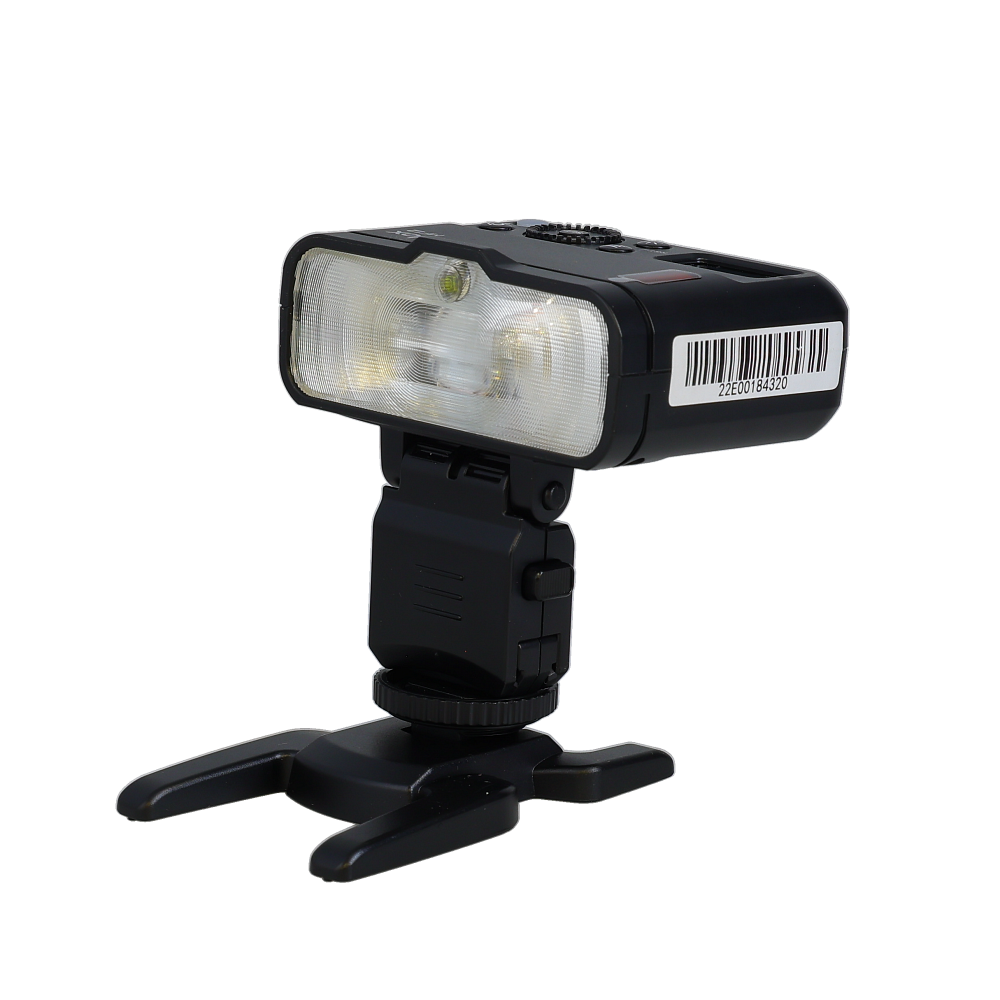
When storing your digital camera in cold weather, it is important to take precautions to prevent any damage. Here are some tips to help you protect your camera:
| 1. | Keep your camera in a well-insulated camera bag or case to shield it from extreme cold temperatures. |
| 2. | Remove the batteries from the camera and store them separately in a warm place to prevent them from losing power or freezing. |
| 3. | Allow the camera to gradually adjust to room temperature before using it after being in cold weather to prevent condensation inside the camera. |
| 4. | Avoid exposing the camera to sudden temperature changes, as this can cause damage to the internal components. |
| 5. | Consider using a camera sleeve or wrap made for cold weather conditions to provide additional protection. |
Impact of Freezing Temperatures on Camera Sensor
Freezing temperatures can have a significant impact on the performance of a digital camera sensor. When exposed to extreme cold, the sensor may become less responsive, resulting in slower operation and reduced image quality. In some cases, the sensor may even fail to function properly, leading to potential damage.
One of the main issues caused by freezing temperatures is condensation, which can form on the sensor when the camera is brought from a cold environment into a warm one. This condensation can lead to water damage and corrosion, affecting the sensor’s ability to capture clear images.
It is essential to take precautions when using a digital camera in cold weather. Keeping the camera insulated in a protective case when not in use and allowing it to gradually adjust to temperature changes can help minimize the risk of damage to the sensor.
Tips for Shooting in Cold Weather with Camera
Shooting in cold weather can be challenging for your camera, but with the right precautions, you can still capture stunning photos. Here are some tips to help you protect your camera and get the best shots in cold conditions:

Dress Your Camera Properly
- Use a camera wrap or protective case to shield your camera from the cold.
- Keep spare batteries warm by storing them close to your body or in an insulated bag.
Handle Your Camera with Care
- Avoid sudden temperature changes by acclimating your camera gradually when moving between warm and cold environments.
- Be mindful of condensation when bringing your camera indoors after shooting in the cold.
By following these tips, you can ensure that your camera stays in top condition and continue capturing amazing photos even in cold weather.
Importance of Camera Insulation in Cold Climate
When using a digital camera in cold climates, it is crucial to consider the importance of proper insulation. Cold temperatures can have a significant impact on the performance and longevity of your camera equipment.
Protecting the Camera Components
Cold weather can affect the battery life, LCD screen, and internal components of the camera. Insulating your camera can help maintain a stable operating temperature and prevent damage from extreme cold.
Choosing the Right Insulation
There are various ways to insulate your camera, such as using a camera case, camera jacket, or protective camera wrap. Make sure to choose insulation that is compatible with your camera model and provides adequate protection against cold weather.
By properly insulating your camera in cold climates, you can ensure optimal performance and protect your equipment from potential damage caused by low temperatures.
How Cold Weather Affects Camera Battery Life
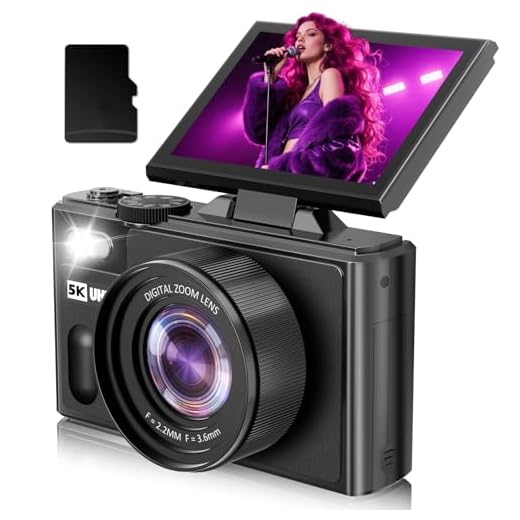
When using a digital camera in cold weather, it’s important to be aware of how the temperature can affect the battery life of your device. Cold temperatures can have a significant impact on the performance of the battery, causing it to drain faster than usual.
One of the main reasons for this is that cold weather can slow down the chemical reactions that take place inside the battery, reducing its overall efficiency. As a result, the battery may not be able to hold a charge for as long as it would in warmer conditions.
Tips to Extend Battery Life in Cold Weather:
1. Keep your camera and spare batteries insulated when not in use to help retain heat and maintain their performance.
2. Avoid leaving your camera in extreme cold for extended periods of time, as this can further decrease battery life.
By being mindful of how cold weather affects your camera’s battery life, you can take steps to ensure that your device remains powered and ready to capture those special moments, even in chilly conditions.
Common Issues with Camera in Cold Conditions
When using a digital camera in cold conditions, there are several common issues that may arise:
- Battery Drain: Cold temperatures can cause batteries to drain faster than normal, leading to shorter battery life.
- Condensation: Moving a camera from a cold environment to a warm one can cause condensation to form inside the camera, potentially damaging the internal components.
- Slow Performance: Cold weather can slow down the camera’s performance, causing delays in capturing photos or processing images.
- Lens Fogging: Rapid temperature changes can cause the camera lens to fog up, affecting the quality of photos.
- Freezing: Extreme cold temperatures can cause the camera’s components to freeze, leading to malfunctions or permanent damage.
Winter Photography Tips for Preserving Camera Functionality
Winter can be a challenging time for photographers, as the cold temperatures can affect the functionality of your digital camera. Here are some tips to help you preserve your camera’s performance during the winter months:
1. Keep your camera warm: Cold temperatures can cause the battery life of your camera to decrease rapidly. To prevent this, try to keep your camera warm by storing it in an insulated camera bag when not in use.
2. Use hand warmers: Placing a hand warmer in your camera bag can help to keep your camera at a stable temperature and prevent condensation from forming on the lens.
3. Be mindful of condensation: When moving your camera from a cold outdoor environment to a warm indoor environment, be sure to allow it to acclimate slowly to prevent condensation from forming inside the camera.
4. Protect your camera from snow and moisture: Use a rain cover or plastic bag to protect your camera from snow and moisture when shooting outdoors in winter.
5. Keep spare batteries warm: Carry spare batteries in a warm pocket close to your body to prevent them from losing their charge in the cold.
6. Clean your camera regularly: Snow and moisture can cause dirt and debris to accumulate on your camera. Be sure to clean it regularly with a soft, dry cloth to prevent damage.
By following these tips, you can help preserve your camera’s functionality and capture stunning winter photographs without any issues.
FAQ
Can cold weather damage my digital camera?
Yes, cold weather can potentially damage a digital camera. Extreme cold temperatures can cause the camera’s battery life to decrease significantly, affect the LCD screen, and in some cases even damage the internal components of the camera.

What precautions should I take to protect my digital camera in cold weather?
To protect your digital camera in cold weather, you should keep it insulated in a camera bag or case when not in use, avoid sudden temperature changes, and use a camera strap to prevent dropping it in the cold. It’s also a good idea to have spare batteries and keep them warm in your pocket.
Can condensation form on a camera when moving from cold to warm environments?
Yes, condensation can form on a camera when moving from a cold to a warm environment. This can be damaging to the camera, so it’s important to let the camera acclimate gradually by placing it in a sealed plastic bag before bringing it indoors to allow the temperature to stabilize.
Is it safe to use a digital camera in snowy conditions?
It is generally safe to use a digital camera in snowy conditions, but you should take precautions to protect it from the cold and moisture. Make sure to keep the camera dry, wipe off any snow or water, and avoid exposing it to extreme cold temperatures for extended periods of time.
Can cold weather affect the image quality of a digital camera?
Yes, cold weather can potentially affect the image quality of a digital camera. Extreme cold can cause the camera’s sensor to slow down, resulting in slower autofocus and decreased image quality. It’s important to keep the camera warm and protected to maintain optimal performance.



I live in a cold climate and have seen how my camera struggles in the winter. Last year, I took it out when it was really cold, and the battery died within an hour. I now keep spare batteries in my coat pocket, and I’ve noticed it makes a big difference. Also, I use a thermal camera bag that helps a lot!
What kind of camera bags are best for cold weather? I’ve seen so many options out there, and I’m unsure which features to look for.
Look for camera bags that provide thermal insulation, are waterproof, and have good padding. A bag with multiple compartments can help keep your camera gear organized and protected from the cold.
I'm a bit confused about condensation. Is it really that serious? How can I tell if my camera has condensation inside it?
Great question! Condensation can lead to foggy images and potentially damage your camera's internals. You might notice a foggy lens or water droplets inside the camera. If you suspect condensation, it's best to allow the camera to acclimate to room temperature before use.
I don't really think cold weather affects digital cameras that much. I’ve shot in freezing conditions before and didn’t have any issues. Seems a bit exaggerated to me.
While it’s true some cameras perform well in the cold, many factors can affect function, including the model and conditions. It’s always best to take precautions regardless of past experiences.
I’ve heard that using hand warmers is a good idea. Has anyone tried that?
I’m considering getting a new camera for winter photography. Should I go for a rugged model, or will a standard one with good insulation be fine?
Rugged cameras are designed for extreme conditions and may handle cold better, but a well-insulated standard camera can work effectively too. It ultimately depends on your needs and how often you shoot in cold weather.