
 Carmen J. Moore

In today’s digital age, the debate between digital cameras and cell phones as primary photography devices continues to spark discussion among photography enthusiasts and casual users alike. With the rapid advancements in smartphone technology, many argue that the convenience and portability of cell phone cameras have made them the go-to option for capturing moments on the go.
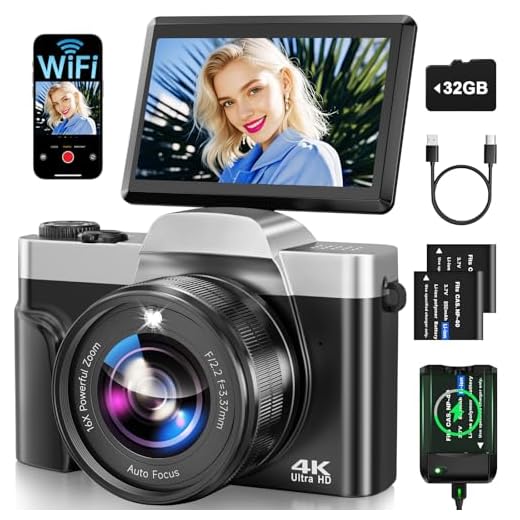
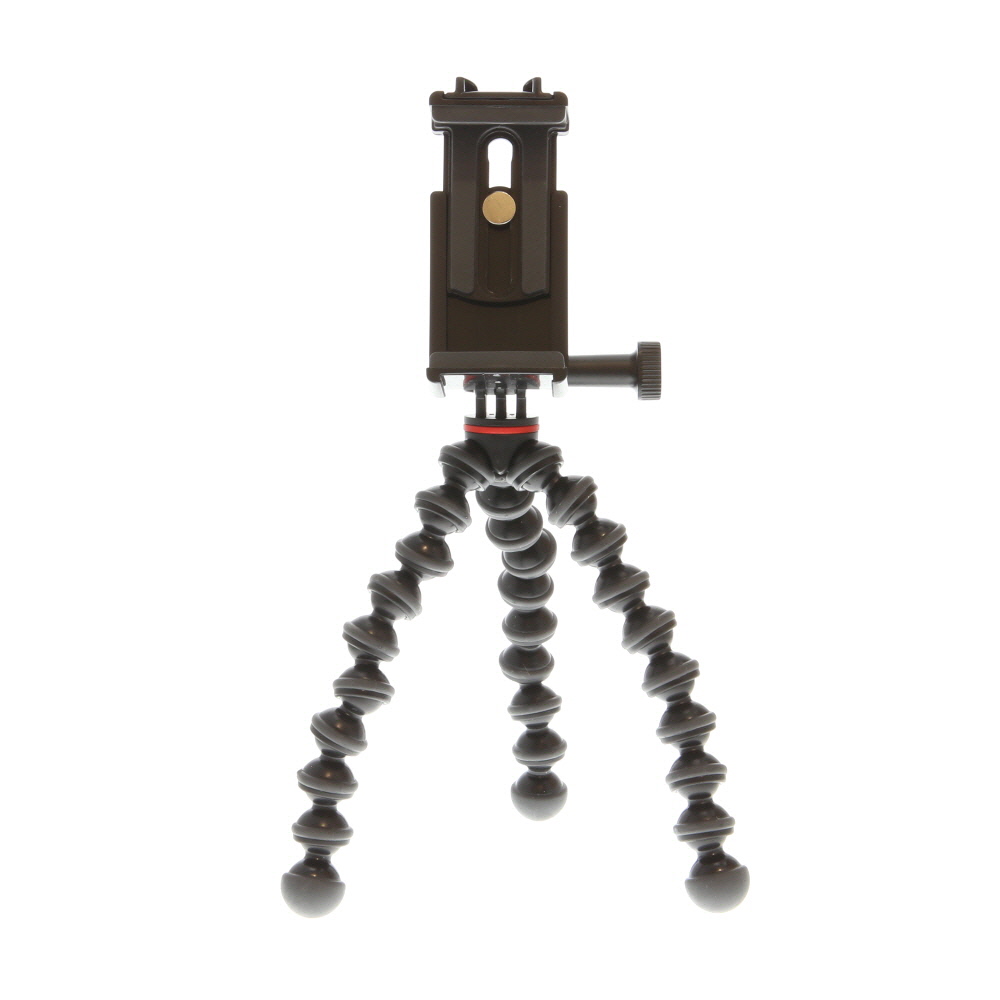

However, digital cameras still hold a special place in the hearts of photography purists and professionals who value image quality, manual controls, and versatility. Digital cameras offer superior optical zoom, larger sensors, and a wide range of lenses, allowing photographers to achieve stunning results in various lighting conditions and settings.
Ultimately, the decision between a digital camera and a cell phone for photography comes down to personal preference, intended use, and budget. While cell phone cameras are convenient and capable of producing decent photos for everyday use, digital cameras offer a level of control and image quality that cannot be matched by their smartphone counterparts. The choice between the two ultimately depends on the individual’s priorities and needs when it comes to capturing memories and moments in the digital age.
Comparison of Digital Cameras and Cell Phones for Photography
When it comes to photography, digital cameras and cell phones offer different advantages and disadvantages. Digital cameras typically have larger sensors, which result in higher image quality, better low-light performance, and more control over depth of field. They also have interchangeable lenses, allowing for a greater range of creative possibilities.
On the other hand, cell phones are more convenient and portable, making them ideal for capturing spontaneous moments on the go. They often come equipped with advanced features like image stabilization, HDR, and computational photography, which can enhance the quality of photos taken with a cell phone.
In terms of image quality, digital cameras generally outperform cell phones, especially in challenging lighting conditions. However, cell phones have made significant advancements in recent years and can produce impressive results, particularly in well-lit environments.

Ultimately, the choice between a digital camera and a cell phone for photography depends on your specific needs and preferences. If you value image quality and creative control, a digital camera may be the better option. If convenience and portability are more important to you, a cell phone might be the way to go.
Image Quality and Resolution
One of the key differences between digital cameras and cell phones is the image quality and resolution they provide. Digital cameras typically offer higher quality images with greater detail and clarity compared to cell phones. This is due to the larger image sensors and better lenses found in digital cameras, which allow for more light to be captured and processed, resulting in sharper and more vibrant photos.
Additionally, digital cameras usually have higher resolution capabilities, meaning they can capture more pixels per image. This results in clearer and more detailed photos that can be enlarged or printed without losing quality. Cell phones, on the other hand, have smaller image sensors and lenses, which can limit their ability to capture detailed images, especially in low-light conditions.
Overall, if image quality and resolution are important to you, a digital camera may be a better choice than a cell phone for capturing high-quality photos.
Optical Zoom and Lens Options
One of the significant advantages of digital cameras over cell phones is the optical zoom feature. Digital cameras come with a variety of lens options, including zoom lenses that allow you to zoom in on distant subjects without losing image quality. This is particularly useful for capturing detailed shots of wildlife, sports events, or scenic landscapes.
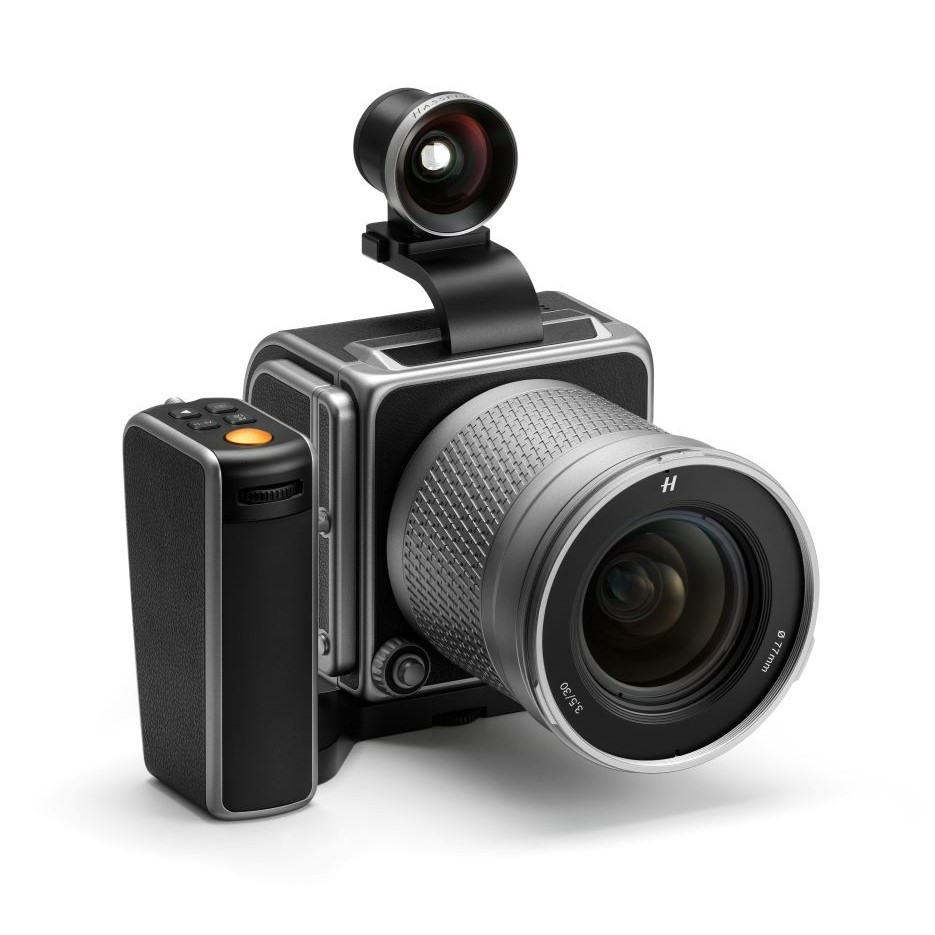
Cell phone cameras, on the other hand, typically rely on digital zoom, which can result in pixelation and reduced image quality when zoomed in. While some high-end smartphones offer dual or triple camera setups with optical zoom capabilities, they still cannot match the versatility and image quality of dedicated digital cameras.
Having the ability to choose different lenses for different shooting scenarios also sets digital cameras apart from cell phone cameras. From wide-angle lenses for capturing expansive landscapes to macro lenses for close-up shots of small objects, digital cameras offer a range of lens options that cater to various photography needs.
Overall, if you prioritize optical zoom capabilities and lens versatility in your photography, a digital camera is the superior choice compared to a cell phone camera.
Manual Controls and Settings
One area where digital cameras have a clear advantage over cell phones is in the manual controls and settings they offer. Digital cameras typically come equipped with a wide range of manual controls, allowing photographers to adjust settings such as aperture, shutter speed, ISO, white balance, and focus manually. This level of control enables photographers to fine-tune their shots and achieve the desired results.
On the other hand, most cell phones have limited manual controls and settings, often offering only basic options such as exposure compensation and white balance. While some high-end smartphones do provide more advanced manual controls, they still fall short of what dedicated digital cameras offer in terms of customization and precision.
Low-Light Performance
One area where digital cameras typically outperform cell phones is in low-light situations. Digital cameras often have larger image sensors than cell phone cameras, allowing them to capture more light and produce better quality images in low-light conditions. This results in less noise and better overall image quality when shooting in dimly lit environments.
Additionally, digital cameras usually have wider aperture lenses, which allow more light to reach the sensor, further enhancing their low-light performance. This means that digital cameras are better suited for capturing high-quality photos in situations with less available light, such as indoors or at night.
Portability and Convenience
One of the key advantages of using a cell phone for photography is its portability. Cell phones are compact and lightweight, making them easy to carry around wherever you go. This means you can capture spontaneous moments and unexpected events without having to lug around a bulky camera.
Additionally, cell phones offer unparalleled convenience. With a cell phone in your pocket, you always have a camera at your fingertips. This makes it easy to quickly snap a photo or record a video without having to fumble around with equipment or settings. The convenience of cell phone cameras also extends to sharing your photos instantly with friends and family through social media platforms.
While digital cameras may offer superior image quality and advanced features, the portability and convenience of cell phone cameras make them a popular choice for everyday photography.

Cost and Value for Money
When it comes to cost, digital cameras tend to be more expensive upfront compared to cell phones. High-quality digital cameras can range from a few hundred to several thousand dollars, depending on the brand and features. On the other hand, cell phones come with built-in cameras that are included in the overall cost of the device.
However, in terms of value for money, digital cameras may offer better quality and features for photography enthusiasts. They usually have larger sensors, more advanced optics, and manual controls that allow for greater creativity and control over the final image. Cell phone cameras, while convenient and versatile, may not match the image quality and flexibility of a dedicated digital camera.
Ultimately, the choice between a digital camera and a cell phone camera depends on individual needs and preferences. If photography is a serious hobby or profession, investing in a digital camera may be worth the higher upfront cost for the superior image quality and features it offers.
FAQ
Are digital cameras still relevant in the age of smartphones?
Yes, digital cameras are still relevant in the age of smartphones. While smartphones have improved their camera quality over the years, digital cameras offer superior image quality, manual controls, interchangeable lenses, and better low-light performance, making them a preferred choice for professional photographers and photography enthusiasts.
What are the advantages of using a digital camera over a cell phone for photography?
Using a digital camera over a cell phone for photography offers several advantages. Digital cameras typically have larger sensors, which result in higher image quality and better low-light performance. They also offer manual controls for exposure, focus, and white balance, allowing photographers more creative control over their images. Additionally, digital cameras often have optical zoom capabilities, which produce better quality zoomed-in images compared to digital zoom on cell phones.


I disagree with the article's point about digital cameras being too expensive. There are great entry-level models available for beginners that don’t break the bank.
That’s true! Some brands offer decent digital cameras at a reasonable price, especially if you look for sales or second-hand options.
I’ve been considering getting a digital camera, but I mostly take casual photos for social media. Would a digital camera still be worth it for me?
I think it depends on how much you value image quality. If you just want something for social media, a good smartphone might be enough since they take great pictures now.
If convenience and quick sharing are your priorities, a smartphone might be ideal. However, if you enjoy photography as a hobby, a digital camera could help you explore more creative options.
How do the low-light capabilities of cell phone cameras stack up against digital cameras? Are newer models significantly better?
I switched from using my phone to a DSLR last year. I was surprised by the difference in image quality, especially for portrait shots. The control over settings made a huge difference in low-light situations too. I still use my phone for casual shots, but for anything special, I always grab my camera now.
It mentions that digital cameras have interchangeable lenses. Can someone explain how that makes a difference in photography?
Interchangeable lenses allow photographers to choose the best lens for different situations, whether it's wide-angle for landscapes or macro for close-ups, enhancing versatility and creativity.