
 Carmen J. Moore

Video surveillance has become increasingly prevalent in our society, with cameras capturing our every move in public spaces, stores, and even private residences. However, the use of unconsented video surveillance raises important legal questions, particularly in the context of court proceedings.
When it comes to New York courts, the admissibility of evidence obtained through unconsented video surveillance is a complex issue that requires careful consideration. In general, New York has strict laws governing the use of surveillance cameras and the collection of video footage without the consent of the individuals being recorded.
As such, the question of whether unconsented video surveillance is admissible in New York court depends on a variety of factors, including the specific circumstances of the surveillance, the purpose for which the footage was obtained, and whether the recording violated any privacy laws.
Unauthorized Video Surveillance in New York
In New York, unauthorized video surveillance is a serious invasion of privacy and is generally not admissible in court. The state has strict laws protecting individuals’ right to privacy, and any video recordings made without consent may be deemed inadmissible as evidence in legal proceedings.


Individuals who believe they have been subjected to unauthorized video surveillance can seek legal remedies and may be entitled to damages for the violation of their privacy rights. It is essential to consult with a qualified attorney to understand the legal options available in such cases.
Legal Implications of Unconsented Recording
Unconsented recording, especially in the context of video surveillance, raises serious legal implications. In New York, as in many other states, recording someone without their consent can violate privacy rights and lead to legal consequences.
| Violation of Privacy Laws | Recording someone without their consent may violate New York’s privacy laws, which protect individuals from unwarranted intrusion into their private affairs. |
| Admissibility in Court | Unconsented recordings may not be admissible as evidence in court, as they may be deemed unlawfully obtained and a violation of the Fourth Amendment rights. |
| Criminal Charges | In some cases, unconsented recording can result in criminal charges, such as invasion of privacy or eavesdropping, depending on the circumstances of the recording. |
| Civil Lawsuits | The individual who was recorded without consent may also have grounds to file a civil lawsuit for invasion of privacy, seeking damages for the violation. |
It is essential to be aware of the legal implications of unconsented recording and to ensure compliance with privacy laws to avoid potential legal consequences.
Court Admissibility of Unauthorized Video Footage
Unauthorized video footage refers to recordings captured without the knowledge or consent of the subjects involved. The admissibility of such footage in court proceedings can be a complex and contentious issue.
In the state of New York, the general rule is that unauthorized video surveillance is not admissible as evidence in court. Courts are typically reluctant to allow evidence obtained in violation of an individual’s privacy rights. However, there may be exceptions to this rule depending on the specific circumstances of the case.
Factors that may influence the admissibility of unauthorized video footage include the relevance of the footage to the case, the manner in which the footage was obtained, and any potential privacy concerns of the subjects recorded. Courts will carefully consider these factors before determining whether the footage can be admitted as evidence.
It is important to consult with a legal professional to understand the specific laws and regulations governing the use of unauthorized video footage in court in New York. Adherence to legal standards and procedures is essential to ensure that evidence is properly admitted and considered in legal proceedings.
Privacy Rights in New York
New York state recognizes and values the privacy rights of its residents. The New York Constitution explicitly protects the right to privacy, stating that every individual has the right to be secure in their persons, houses, papers, and effects against unreasonable searches and seizures.
In addition to constitutional protections, New York has several laws that safeguard privacy, including the New York Civil Rights Law, which prohibits the use of a person’s name, portrait, or picture for advertising or trade purposes without their consent.
Furthermore, New York has laws that regulate video surveillance, requiring consent in certain situations. For example, New York Penal Law prohibits the use of video surveillance in places where individuals have a reasonable expectation of privacy, such as bathrooms or dressing rooms, without their consent.
Overall, privacy rights in New York are taken seriously, and individuals can take legal action if their privacy is violated through unconsented video surveillance or other means.
Protection Against Unlawful Surveillance
Under New York law, individuals have a right to privacy and protection against unlawful surveillance. The Fourth Amendment of the U.S. Constitution protects individuals from unreasonable searches and seizures, including the unauthorized recording of their activities.
If you believe you have been subjected to unconsented video surveillance, you may have legal recourse. It is important to consult with an experienced attorney to understand your rights and explore potential legal actions against the responsible parties.
Additionally, taking proactive measures to safeguard your privacy, such as installing security cameras on your property or seeking legal advice before engaging in surveillance activities, can help prevent potential legal issues related to unlawful surveillance.
Challenges in Video Evidence Admissibility
Admitting video evidence in court proceedings poses several challenges, especially in cases involving unconsented video surveillance. One of the main challenges is ensuring the authenticity and integrity of the video footage. Courts must be satisfied that the video has not been tampered with or altered in any way.
Another challenge is establishing the chain of custody of the video evidence. This involves documenting who had access to the video, how it was stored, and ensuring that it was not compromised during the investigation process.
Additionally, the admissibility of video evidence may be challenged based on privacy concerns. In cases where video surveillance was conducted without consent, the court may consider the invasion of privacy when determining the admissibility of the footage.
Overall, ensuring the admissibility of video evidence requires careful consideration of its authenticity, integrity, chain of custody, and privacy implications.

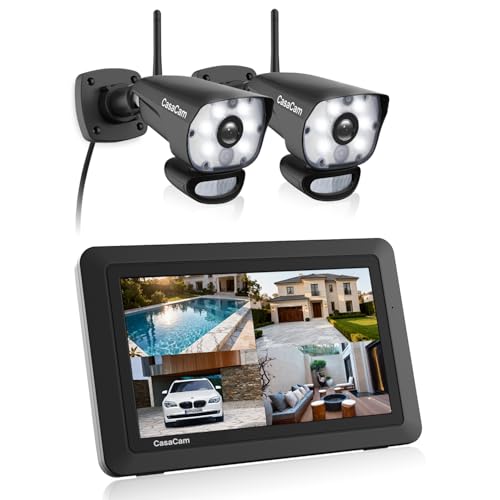


What are the specific privacy laws in New York that prevent unconsented video surveillance from being admissible in court?
I had a situation where my neighbor installed cameras facing my yard without asking. I felt really uncomfortable and ended up talking to a lawyer. They explained that in New York, I might have grounds for a privacy violation lawsuit. Some people might not realize how serious this can be!
Does the admissibility of unconsented video evidence change if it's used in a criminal case versus a civil case?