
 Carmen J. Moore

Security cameras are a common feature in many public and private spaces, providing a sense of safety and security for individuals and property. However, the inclusion of audio recording capabilities raises important questions about privacy and legal considerations.


While video recording is generally accepted as a standard practice for security cameras, the recording of audio is subject to more stringent regulations and laws. In many jurisdictions, including the United States, the use of audio recording in conjunction with video surveillance is governed by specific statutes and guidelines.
Individuals and businesses must be aware of the legal implications of recording audio in addition to video footage. Failure to comply with relevant laws and regulations could result in legal consequences, including fines and lawsuits.
Legal aspects of audio recording
When it comes to security cameras recording audio, there are legal considerations that must be taken into account. In many jurisdictions, it is legal to record video in public spaces, but the rules around audio recording can be more complex.
One key factor to consider is the concept of “expectation of privacy.” In some places, individuals have a reasonable expectation of privacy when it comes to their conversations, even in public spaces. This means that recording audio without consent in these situations may be illegal.
Another important consideration is the use of audio recording for surveillance purposes. Some jurisdictions have specific laws governing the use of audio recording for surveillance, and failure to comply with these laws can result in legal consequences.
It is important for businesses and individuals to familiarize themselves with the laws and regulations regarding audio recording in their area to ensure that they are in compliance and avoid potential legal issues.
Privacy concerns and regulations
When it comes to security cameras recording audio, privacy concerns become a significant issue. The ability of cameras to capture not only video but also sound raises questions about the invasion of privacy and the potential misuse of recorded conversations.
The legality of audio recording
Many jurisdictions have specific laws governing the recording of audio, especially in private spaces. In some places, it is illegal to record conversations without the consent of all parties involved. This means that if security cameras are recording audio in areas where people have a reasonable expectation of privacy, such as bathrooms or changing rooms, it could be a violation of the law.
It is essential for businesses and homeowners to be aware of the regulations regarding audio recording in their area and ensure that their security camera systems comply with the law to protect the privacy rights of individuals.
Public vs. private property
When it comes to security cameras recording audio, there are different rules and considerations for public and private property. In public spaces, such as streets, parks, and government buildings, security cameras are generally allowed to record audio as long as it is for security purposes and not violating any privacy laws. However, in private property, such as homes, businesses, and private offices, the rules are stricter. In most jurisdictions, recording audio without consent on private property is illegal and can result in legal consequences. It’s important for property owners to be aware of the laws and regulations regarding audio recording on their property to avoid any legal issues.
Consent and notification requirements
Consent: In many jurisdictions, it is required to obtain consent from individuals before recording their audio. This means that signs or notices should be posted in visible locations indicating that audio recording is taking place. Failure to obtain proper consent can lead to legal consequences.
Notification: Even if consent is not required, it is generally considered good practice to inform individuals that audio recording is taking place. This can help prevent misunderstandings and ensure transparency in the use of security cameras. Notification can be provided through signs, announcements, or other means.
Penalties for illegal audio recording
Illegal audio recording, without the consent of the parties involved, can lead to severe penalties. Depending on the jurisdiction, penalties may include fines, imprisonment, or civil lawsuits.
In some regions, illegal audio recording is considered a criminal offense and can result in hefty fines or even jail time. For example, in the United States, federal law prohibits the interception of oral or electronic communications without consent, with penalties of up to five years in prison.
Additionally, individuals who are caught illegally recording audio may also face civil lawsuits from the parties whose privacy was violated. These lawsuits can result in monetary damages being awarded to the victims.
It is important to be aware of the laws and regulations regarding audio recording in your area to avoid facing these penalties. Always seek permission before recording audio to ensure you are in compliance with the law.
Audio recording in the workplace
When it comes to audio recording in the workplace, there are certain legal considerations that must be taken into account. In many jurisdictions, it is legal to record audio in public areas where there is no expectation of privacy, such as common work areas or hallways. However, recording audio in private areas, such as bathrooms or break rooms, is typically prohibited.
Employers must also consider the laws regarding employee consent for audio recording. In some places, it is required to inform employees if audio recording is taking place and obtain their consent. This is to ensure that employees are aware of the recording and have the opportunity to voice any concerns they may have.
| Considerations for audio recording in the workplace: |
|---|
| Check local laws and regulations regarding audio recording |
| Inform employees if audio recording is taking place |
| Obtain employee consent for audio recording |
| Avoid recording in private areas where there is an expectation of privacy |
Use of audio in criminal investigations
Audio recordings play a crucial role in criminal investigations as they provide valuable evidence that can help law enforcement agencies in solving cases and prosecuting criminals. The use of audio recordings in investigations has become increasingly common with the advancement of technology, including the widespread use of security cameras equipped with audio recording capabilities.
Benefits of audio recordings in criminal investigations
Audio recordings can capture conversations, sounds, and other verbal cues that may not be visible in video footage alone. This additional layer of information can help investigators establish timelines, identify suspects, corroborate witness statements, and provide crucial context to the events under investigation.
Legal considerations for using audio recordings
While audio recordings can be a valuable tool in criminal investigations, there are legal considerations that law enforcement agencies must take into account. In many jurisdictions, the use of audio recordings is subject to specific laws and regulations, including privacy laws and requirements for obtaining consent to record audio conversations.
| Key considerations: | Ensure compliance with local laws and regulations regarding the use of audio recordings in investigations. |
|---|---|
| Obtain proper authorization and consent before recording audio conversations. | |
| Securely store and manage audio recordings to prevent tampering or unauthorized access. |
Technological advancements in audio recording
Audio recording technology has advanced significantly in recent years, allowing for clearer and more precise sound capture. High-quality microphones, digital signal processing, and noise reduction algorithms have all contributed to improving the accuracy and fidelity of audio recordings.
One notable advancement is the development of directional microphones, which can focus on capturing sound from a specific direction while reducing background noise. This technology is particularly useful in security camera systems, where clear audio can provide valuable information alongside video footage.
Additionally, advancements in cloud storage and data analytics have made it easier to store and analyze large amounts of audio data captured by security cameras. This allows for more efficient monitoring and retrieval of audio recordings, enhancing the overall security capabilities of these systems.
Overall, technological advancements in audio recording have played a key role in improving the functionality and effectiveness of security cameras, enabling better surveillance and security monitoring in various environments.
Best Practices for Audio Recording
When recording audio with security cameras, it is important to adhere to best practices to ensure compliance with privacy laws and ethical standards. Here are some key guidelines to follow:
1. Informed Consent
Always obtain consent from individuals before recording their conversations or interactions. Inform them that audio recording is taking place and give them the option to opt out if they do not wish to be recorded.
2. Limited Use
Only record audio when necessary for security or legal purposes. Avoid recording audio in areas where individuals have a reasonable expectation of privacy, such as restrooms or private offices.
Remember: Properly managing and securing audio recordings is crucial to protecting the privacy and rights of individuals.


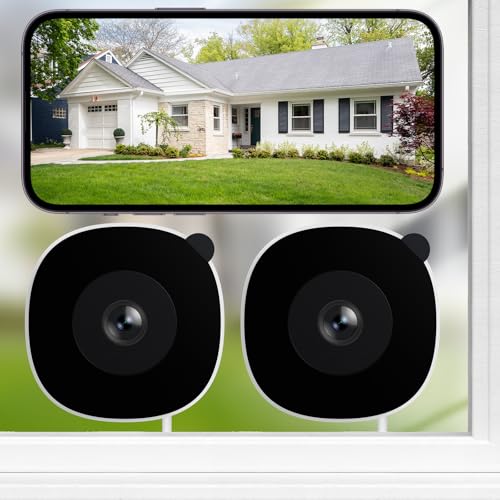
I installed security cameras around my home last year, and I made sure to check the local laws first. In my area, I found out that it's illegal to record audio without consent, even on private property. I put up signs to notify visitors, which I believe helps with transparency. Just make sure to do your homework before installing anything, as the penalties for illegal recording can be serious.
I'm interested in installing security cameras with audio recording capabilities. Can someone clarify if it's legal to do so in residential areas? What should I be aware of?