
 Carmen J. Moore

Security cameras are essential for monitoring your home or business, but what if you don’t have access to wifi? While many modern security cameras rely on wifi for connectivity, there are still ways to set up cameras without it. In this guide, we will explore alternative methods for setting up security cameras without wifi, ensuring that you can still keep an eye on your property even without a wireless network.
One option for setting up security cameras without wifi is to use a wired connection. This involves running cables from the camera to a recording device or monitor, providing a reliable and secure connection. Wired cameras are often more stable and less susceptible to interference than their wireless counterparts, making them a great choice for areas where wifi signals may be weak or unreliable.
Another option is to use a cellular or 4G/LTE connection for your security cameras. By installing a cellular modem or router, you can connect your cameras to the internet through a mobile network, allowing you to monitor your property remotely. While this option may require a monthly data plan, it provides a reliable and consistent connection that doesn’t rely on wifi.


Step-by-Step Guide on Setting Up Security Cameras Without WiFi
If you want to set up security cameras without WiFi, follow these steps to ensure a reliable and secure surveillance system:
1. Choose a Wired Security Camera System
Opt for a wired security camera system that uses cables to connect the cameras to the recording device. This eliminates the need for a WiFi connection and ensures a stable and secure connection.
2. Install the Security Cameras
Mount the security cameras in strategic locations around your property to maximize coverage. Ensure they are positioned to capture clear footage of key areas.
Pro Tip: Consider using weatherproof cameras for outdoor surveillance and dome cameras for indoor monitoring.
By following these steps, you can set up security cameras without relying on a WiFi connection and enhance the security of your property.
Choose the Right Security Camera System
When setting up security cameras without wifi, it is crucial to choose the right camera system for your needs. Consider the following factors:
1. Wired vs. Wireless:
Since you won’t be using wifi, opt for a wired security camera system. This ensures a stable connection and eliminates the need for internet access.
2. Camera Resolution:
Choose cameras with high resolution for clear images and videos. HD or 4K cameras are recommended for better quality footage.
3. Night Vision:
For around-the-clock surveillance, select cameras with infrared night vision capabilities. This allows for clear monitoring in low-light conditions.
4. Motion Detection:
Look for cameras with motion detection features to receive alerts when activity is detected. This helps in monitoring and recording suspicious movements.
5. Storage Options:
Consider the storage options available for your security camera system. Choose between local storage (SD card) or cloud storage based on your preferences.
By considering these factors, you can choose the right security camera system to set up without wifi for effective surveillance.
Determine the Placement of Cameras
Before installing security cameras without wifi, it’s crucial to determine the optimal placement for each camera. Consider the areas you want to monitor and the specific angles needed to capture the desired footage.
Key Factors to Consider:
- Entry Points: Install cameras near doors, windows, and other entry points to capture any potential intruders.
- High-Risk Areas: Identify high-risk areas such as blind spots, dark corners, or secluded areas where criminal activity might occur.
Creating a detailed plan for camera placement will help maximize the effectiveness of your security system and ensure comprehensive coverage of your property.
Install the Cameras in Strategic Locations
When setting up security cameras without wifi, it is crucial to install them in strategic locations to maximize their effectiveness. Here are some tips on where to place your cameras:
| 1. Entry points: | Install cameras near all entry points to your home or property, such as doors and windows. This will help capture any potential intruders trying to gain access. |
| 2. High-traffic areas: | Place cameras in high-traffic areas where people are likely to pass by, such as hallways, staircases, or living rooms. This will provide a comprehensive view of activities inside your property. |
| 3. Blind spots: | Identify blind spots in your property where intruders could hide or avoid detection. Install cameras in these areas to ensure comprehensive coverage. |
| 4. Valuables: | Position cameras to monitor areas where you keep valuable items, such as safes, jewelry, or electronics. This will help deter theft and provide evidence in case of a break-in. |
Connect Cameras to a Digital Video Recorder (DVR)
If you want to set up security cameras without wifi, you can connect the cameras to a digital video recorder (DVR) for recording and monitoring purposes.
To connect the cameras to a DVR, you will need to run cables from each camera to the DVR unit. Make sure to use high-quality cables to ensure a stable connection and clear video footage.
Steps to connect cameras to a DVR:
- Locate the video output ports on the cameras and the video input ports on the DVR.
- Connect the cables from each camera to the corresponding input ports on the DVR.
- Power on the cameras and the DVR unit.
- Access the DVR interface to configure the camera settings and recording preferences.
- Test the camera connections by viewing the live feed on the DVR monitor.
By connecting the cameras to a DVR, you can set up a reliable surveillance system without relying on wifi connectivity.
Set Up Remote Viewing on Mobile Devices
Once you have set up your security cameras without wifi, you may want to access the live feed remotely on your mobile devices. Here’s how you can set up remote viewing:
- Download the mobile app provided by the camera manufacturer on your smartphone or tablet.
- Open the app and follow the on-screen instructions to add your cameras to the app.
- Create an account and log in to the app to access the live feed from your cameras.
- You may need to set up port forwarding on your router to allow remote viewing. Refer to the camera’s user manual for specific instructions.
- Once set up, you can now view the live feed from your security cameras on your mobile devices from anywhere with an internet connection.
Ensure Proper Power Supply for Cameras
When setting up security cameras without wifi, it is crucial to ensure that the cameras have a proper power supply. Most security cameras require a constant power source to function effectively. Here are some options for powering your cameras:
| 1. Power Outlet: | If possible, connect your cameras to a nearby power outlet using a power adapter. This will provide a reliable power source for your cameras. |
| 2. Battery: | Consider using rechargeable batteries as a power source for your cameras. This option is convenient for locations where power outlets are not available. |
| 3. Solar Panel: | For outdoor security cameras, you can use a solar panel to power your cameras. Solar panels are a sustainable and eco-friendly option for powering your cameras. |
| 4. Power over Ethernet (PoE): | If your cameras support Power over Ethernet, you can use a PoE injector to power your cameras through the network cable. This eliminates the need for a separate power source. |
By ensuring a proper power supply for your security cameras, you can ensure that they operate efficiently and provide reliable surveillance coverage.
Test the System for Functionality and Coverage
Once you have completed the installation of your security cameras, it is essential to test the system to ensure that it is functioning correctly and providing adequate coverage of the area you want to monitor.
Here are some steps you can take to test your security camera system:
1. Check the Camera Feeds
Access the live feed from each camera to make sure the video quality is clear and that there are no obstructions or blind spots in the coverage area. Adjust the camera angles if needed to optimize the view.
2. Test the Recording and Playback
Trigger motion detection or manually record some footage to test if the cameras are capturing and saving video properly. Playback the recorded footage to ensure that it is clear and that all relevant events are captured.
Tip: Test the system under different lighting conditions and times of day to account for varying visibility.


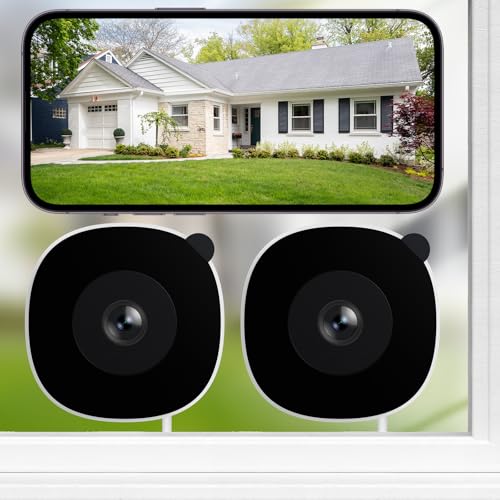
I tried setting up a security camera system without wifi before, and honestly, it was a bit of a hassle. Running cables everywhere was tricky, and I wasn't sure how to position them for best coverage. However, once they were up, the video quality was way better than I expected! Just make sure you have a good plan before starting.
Can you really access the camera feeds remotely without wifi? How does that work?
Yes, you can access camera feeds remotely using a cellular modem or a mobile data connection. Just make sure your cameras support remote viewing through a mobile app.
What are the best types of wired security cameras for outdoor use? I'm concerned about weather durability.