
 Carmen J. Moore
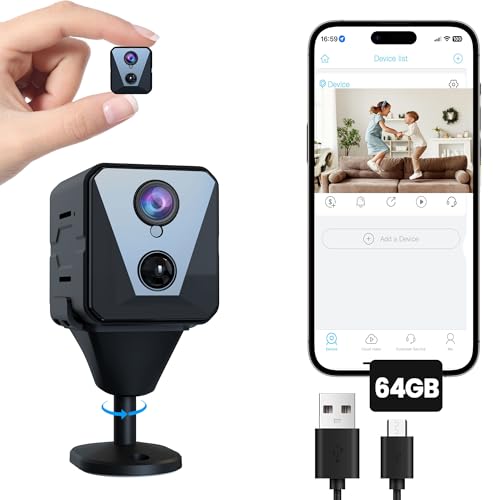
In today’s digital age, security cameras play a crucial role in protecting our homes and businesses. However, relying solely on local storage for camera recordings can pose a risk in case of theft or damage to the recording device. To ensure the safety and accessibility of your surveillance footage, it’s essential to back up camera recordings to the cloud.
Cloud storage offers a secure and convenient solution for storing camera footage off-site. By uploading your recordings to the cloud, you can access them from anywhere with an internet connection, providing peace of mind and added security. In this guide, we’ll walk you through the steps to effectively back up your security camera recordings to the cloud, safeguarding your valuable footage.
Whether you’re a homeowner looking to protect your property or a business owner safeguarding your assets, backing up camera recordings to the cloud is a smart and reliable way to ensure the integrity of your surveillance system. Follow our step-by-step instructions to set up cloud storage for your security camera footage and rest easy knowing that your recordings are safe and accessible, no matter what happens.



Step-by-Step Guide: Backing Up Security Camera Recordings to Cloud
Backing up your security camera recordings to the cloud is a crucial step to ensure that your footage is safely stored and easily accessible. Follow these simple steps to securely back up your recordings:
- Select a Cloud Storage Provider: Choose a reputable cloud storage provider that offers secure and reliable services for storing your camera footage.
- Set Up Cloud Storage Account: Create an account with the chosen cloud storage provider and configure your storage settings according to your needs.
- Install Cloud Backup Software: Install the necessary software or app provided by your cloud storage provider on your security camera system.
- Configure Backup Settings: Set up the backup settings on your security camera system to automatically upload recordings to the cloud at scheduled intervals.
- Monitor Backup Status: Regularly check the backup status to ensure that your recordings are being successfully uploaded to the cloud.
- Access and Manage Recordings: Once your recordings are backed up to the cloud, you can access and manage them from any device with an internet connection.
By following these steps, you can rest assured that your security camera recordings are securely stored in the cloud, providing you with peace of mind and easy access to your footage whenever needed.
Assess Your Security Camera System
Before backing up your security camera recordings to the cloud, it is important to assess your security camera system to ensure that it is working properly and recording footage effectively.
| Check Camera Placement: | Make sure your cameras are positioned correctly to capture the desired areas without any obstructions. |
| Test Camera Functionality: | Verify that each camera is functioning properly and recording clear footage. |
| Review Recording Quality: | Check the resolution and quality of the recordings to ensure they meet your security needs. |
| Ensure Sufficient Storage: | Make sure you have enough storage space on your security camera system to store the recordings before backing them up to the cloud. |
Choose a Cloud Storage Provider
When selecting a cloud storage provider for your security camera recordings, it is important to consider several factors. Some popular options include Google Drive, Dropbox, Amazon Web Services (AWS), Microsoft OneDrive, and iCloud. Here are a few key points to keep in mind:
Security:
Ensure that the cloud storage provider you choose offers strong security measures to protect your sensitive data. Look for features like encryption, two-factor authentication, and regular security updates.
Storage Capacity:
Consider the amount of storage space you need for your camera recordings and choose a provider that offers sufficient capacity at a reasonable price. Some providers offer free storage up to a certain limit, while others may charge based on usage.
Set Up Cloud Storage Account
To back up your security camera recordings to the cloud, you will need to set up a cloud storage account. Follow these steps to create your account:
- Choose a cloud storage provider that offers secure and reliable services, such as Google Drive, Dropbox, or Amazon Web Services.
- Visit the website of your chosen provider and create an account by entering your email address, creating a secure password, and verifying your account.
- Once your account is set up, log in to the cloud storage platform and navigate to the settings or preferences section to configure your storage preferences.
- Set up a dedicated folder or directory within your cloud storage account specifically for your security camera recordings to keep them organized.
- Make sure to adjust the sharing and privacy settings of your cloud storage account to ensure that your security camera footage is securely stored and accessible only to authorized users.
Configure Security Camera Settings
Before backing up security camera recordings to the cloud, it is important to ensure that your security camera settings are properly configured. Here are some key steps to follow:
1. Set up motion detection
Enable motion detection on your security camera so that it only records when there is movement detected. This will help conserve storage space and only capture relevant footage.
2. Adjust recording quality
Check the recording quality settings on your security camera and adjust them according to your needs. Higher quality recordings will take up more space, so choose the settings that balance quality and storage space.
- Check the resolution settings
- Adjust frame rate settings
By properly configuring your security camera settings, you can ensure that you are capturing the right footage and optimizing storage space for cloud backups.
Enable Automatic Backup
Setting up automatic backup for your security camera recordings is crucial to ensure that your data is consistently backed up to the cloud without manual intervention. Follow these steps to enable automatic backup:
- Choose a Cloud Storage Service: Select a reliable cloud storage service that offers automatic backup features, such as Google Drive, Dropbox, or Amazon S3.
- Install Backup Software: Install the backup software provided by the cloud storage service on your computer or network video recorder (NVR).
- Configure Backup Settings: Access the backup software settings and set up a schedule for automatic backups. Choose the frequency of backups (e.g., daily, weekly) and the specific folders or files to back up.
- Monitor Backup Status: Regularly check the backup status to ensure that the recordings are being transferred to the cloud successfully. Set up notifications for any backup failures or issues.
- Test Backup and Recovery: Periodically test the backup and recovery process to ensure that your security camera recordings can be restored from the cloud in case of data loss or system failure.
Monitor Backup Status
Once you have set up your security camera recordings to be backed up to the cloud, it is important to regularly monitor the backup status to ensure that your data is being securely stored. Here are some tips on how to monitor the backup status:
1. Check Backup Logs
Regularly check the backup logs provided by your security camera system to ensure that the recordings are being successfully transferred to the cloud. Look for any error messages or warnings that may indicate a problem with the backup process.
2. Set Up Alerts
Configure alerts or notifications to be sent to you in case of any backup failures or issues. This way, you can quickly address any problems and ensure that your security camera recordings are continuously backed up to the cloud.



I disagree that cloud storage is always safer. Local backups can be more secure if managed properly.
I really appreciate the step-by-step guide. It made the setup process much easier!
Can you explain more about the encryption methods for cloud storage?
How often should I check my backup status? Is there a way to automate this so I don't have to do it manually?
It's good practice to check backup status regularly, but you can also set up alerts with many cloud services for automatic updates.
I used Google Drive for my security camera backups, and it worked well until I hit the storage limit. Make sure to check how much space you really need!
What cloud storage providers do you recommend for security camera backups?