
 Carmen J. Moore

Security cameras play a crucial role in safeguarding our homes and businesses, providing a sense of security and peace of mind. However, one aspect that is often overlooked is the amount of storage needed to store the footage captured by these cameras.


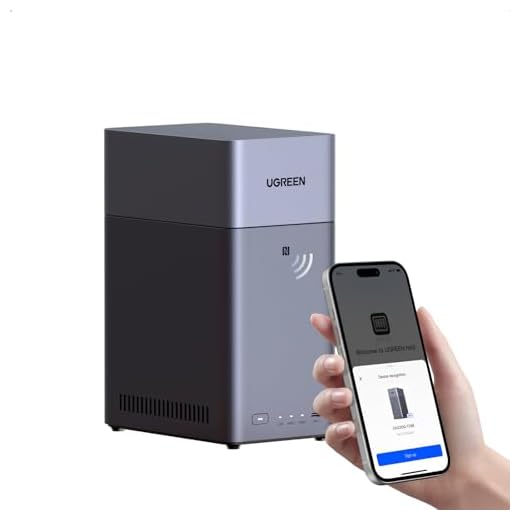
Choosing the right amount of storage for your security cameras is essential to ensure that you can access and review footage when needed. Factors such as the number of cameras, resolution, frame rate, and retention period all play a role in determining the amount of storage required.
Whether you opt for local storage on a hard drive or cloud-based storage, understanding your storage needs is crucial to effectively manage and store your security camera footage.
Factors to Consider when Determining Storage Needs for Security Cameras
1. Number of Cameras: The more cameras you have, the more storage you will need. Consider the number of cameras in your surveillance system when calculating storage requirements.
2. Resolution and Frame Rate: Higher resolution and frame rate settings require more storage space. Determine the resolution and frame rate needed for your security cameras to estimate storage needs accurately.
3. Compression Technology: The type of compression technology used by your security cameras can impact storage requirements. Choose a compression method that balances video quality and storage efficiency.
4. Retention Period: Decide how long you want to retain video footage. Longer retention periods will require more storage capacity. Consider regulatory requirements and operational needs when setting retention periods.
5. Motion Detection and Scheduling: Utilize motion detection and scheduling features to reduce storage usage. Configure cameras to record only when motion is detected or during specific times to optimize storage utilization.
6. Redundancy and Backup: Plan for redundancy and backup storage to ensure data integrity and continuity in case of failures. Consider implementing redundant storage solutions for critical surveillance footage.
7. Scalability: Account for future growth and scalability when calculating storage needs. Choose a storage solution that can easily expand to accommodate additional cameras or increased retention requirements.
8. Network Bandwidth: Consider network bandwidth limitations when designing storage solutions for security cameras. Ensure that your network can support the required data transfer rates for continuous video recording and playback.
Number of Cameras in the System
When determining the storage requirements for security cameras, the number of cameras in the system plays a crucial role. The more cameras you have, the more storage space you will need to store the footage captured by each camera. Each camera will continuously record video footage, which can quickly add up in terms of storage requirements.
It is essential to calculate the storage needs based on the number of cameras in the system to ensure that you have enough capacity to store all the footage securely. Make sure to consider the resolution, frame rate, and retention period for each camera to accurately estimate the storage requirements.
Resolution and Frame Rate of Cameras
When considering the storage needs for security cameras, the resolution and frame rate of the cameras play a crucial role. Higher resolution cameras capture more detailed images, but they also require more storage space. For example, a 1080p camera will use more storage than a 720p camera for the same amount of footage.
Similarly, the frame rate of the camera determines how many frames per second are recorded. A higher frame rate provides smoother video playback but also increases the amount of storage required. For most security purposes, a frame rate of 15-30 frames per second is sufficient.
It is essential to balance the resolution and frame rate of your security cameras to ensure optimal video quality without sacrificing storage space. Consider your specific security needs and budget when choosing the right combination of resolution and frame rate for your surveillance system.
Length of Recording Time Required
When determining how much storage you need for security cameras, it’s essential to consider the length of recording time required. This will depend on factors such as the camera resolution, frame rate, and the number of cameras in your system.
Factors to Consider:
1. Resolution: Higher resolution cameras will produce larger video files, requiring more storage space. If you are using 4K cameras, you will need more storage compared to 1080p cameras.
2. Frame Rate: Cameras recording at higher frame rates will generate more footage, leading to increased storage needs. Consider how many frames per second you want to capture for smooth video playback.
Type of Storage Device Used
When it comes to storing the footage from security cameras, there are several types of storage devices that can be used. The most common options include:
| 1. Network Video Recorder (NVR): | An NVR is a dedicated device that is specifically designed for storing and managing video footage from IP cameras. It offers high storage capacity and can support multiple cameras. |
| 2. Digital Video Recorder (DVR): | A DVR is an older technology that is still used for analog CCTV systems. It records video footage to a hard drive and can be connected to multiple cameras. |
| 3. Cloud Storage: | Cloud storage services allow you to store your camera footage securely online. This option is convenient for accessing footage remotely and offers flexibility in terms of storage capacity. |
| 4. Hard Disk Drives (HDDs) or Solid State Drives (SSDs): | For smaller-scale installations or DIY setups, using internal or external HDDs or SSDs can be a cost-effective storage solution. Make sure to choose a drive with sufficient capacity and reliability for continuous recording. |
Compression Technology Utilized
One of the key factors in determining the storage requirements for security cameras is the compression technology utilized. Compression technology allows for the reduction of video file sizes without compromising the quality of the footage. There are several common compression formats used in security camera systems:
H.264:
H.264 is one of the most widely used compression formats for security cameras. It offers a good balance between video quality and file size, making it an efficient choice for storing video footage.
H.265:
H.265, also known as High Efficiency Video Coding (HEVC), is a newer compression standard that offers improved compression efficiency compared to H.264. This means that H.265 can provide better quality video at lower bitrates, reducing the amount of storage required for storing footage.
Backup and Redundancy Requirements
When it comes to storing security camera footage, having a backup and redundancy plan is crucial. In case of a system failure or data loss, having redundant storage ensures that you don’t lose valuable footage.
It is recommended to have both onsite and offsite backups for added security. Onsite backups can be stored on a local server or network-attached storage (NAS) device, while offsite backups can be stored in the cloud or at a separate location.
Redundancy
Redundancy can be achieved by using RAID (Redundant Array of Independent Disks) configurations, which distribute data across multiple drives to protect against drive failures. RAID levels like RAID 1 or RAID 5 can be used to ensure data integrity and availability.
Regularly test your backup and redundancy systems to ensure they are working properly and that you can quickly recover footage in case of an emergency.
Integration with Cloud Storage Solutions
Another option for storing security camera footage is to integrate your system with cloud storage solutions. Cloud storage offers the advantage of remote access to your footage, which can be particularly useful for monitoring your property while you are away.
Cloud storage also provides a scalable solution, allowing you to increase your storage capacity as needed without the hassle of maintaining physical storage devices. Additionally, cloud storage solutions often come with advanced features such as encryption, redundancy, and automatic backups to ensure the security and reliability of your stored footage.
Popular cloud storage providers for security camera systems include Amazon Web Services (AWS), Google Cloud Storage, and Microsoft Azure. By integrating your security camera system with a cloud storage solution, you can take advantage of the convenience and flexibility that cloud storage offers for storing and managing your footage.
Scalability for Future Expansion
When determining how much storage you need for security cameras, it’s important to consider scalability for future expansion. As your security needs grow or as technology advances, you may need to add more cameras to your system. Therefore, it’s crucial to choose a storage solution that can easily accommodate additional cameras without causing any disruptions to your current setup.
Opting for a storage solution that offers scalability will allow you to seamlessly expand your security camera system without having to worry about running out of storage space. Look for options that support flexible storage expansion, such as cloud storage or network-attached storage (NAS) devices, which can be easily upgraded to meet your growing needs.
Consideration of Retention Periods
When determining how much storage you need for security cameras, it’s essential to consider the retention periods required by law or company policy. Retention periods dictate how long you must store video footage before it can be deleted. Different industries and jurisdictions have varying requirements, so it’s crucial to research and understand the specific regulations that apply to your situation.
Factors to Consider:
1. Legal Requirements: Some industries, such as healthcare and finance, have strict regulations regarding the retention of security footage. It’s important to comply with these laws to avoid penalties or legal issues.
2. Company Policy: Your organization may have its own policies on how long video footage should be retained. These policies may be influenced by industry standards, security concerns, and other factors.
Compliance with Legal and Industry Regulations
When determining how much storage you need for security cameras, it is essential to consider compliance with legal and industry regulations. Many jurisdictions have specific requirements for video surveillance data retention, including the length of time footage must be stored and how it should be secured. Failure to comply with these regulations can result in fines or legal consequences.
Industry regulations, such as those set by organizations like the Payment Card Industry Data Security Standard (PCI DSS) or the Health Insurance Portability and Accountability Act (HIPAA), may also dictate storage requirements for security camera footage. It is crucial to understand and adhere to these regulations to protect sensitive data and ensure the security of your organization.
By ensuring your storage solution meets legal and industry standards, you can not only protect your business from potential liabilities but also demonstrate your commitment to data security and compliance. This proactive approach can help build trust with customers, partners, and regulators, enhancing your reputation and credibility in the marketplace.


I recently upgraded my system to use H.265 compression. The difference in storage is significant compared to H.264! I've managed to cut my storage needs by almost half while still getting high-quality video. For anyone considering an upgrade, it's worth it. Just be sure your hardware supports it.
That's great to hear! H.265 does offer improved efficiency, especially for higher resolutions. Just keep in mind that you'll need compatible devices to fully utilize it.
I disagree with the idea that cloud storage is the best option. I've had issues with internet outages that made it impossible to access my footage when I needed it. Local storage is more reliable in my opinion.
I see your point. I think a mix of both local and cloud could be the best approach to have redundancy and access from anywhere.
Can you clarify how motion detection impacts storage needs? Does it really make a big difference?
Don't forget to factor in the network bandwidth! I had to upgrade my router because my cameras were slowing down the network.