
 Carmen J. Moore

Security cameras are an essential component of modern surveillance systems, providing crucial monitoring and deterrence capabilities. However, one common concern among users is how much power these cameras consume. Understanding the power consumption of security cameras is important not only for managing energy costs but also for ensuring the reliability and effectiveness of the surveillance system.


Security cameras typically use a range of power depending on their type, features, and usage. It’s important to consider factors such as the resolution of the camera, whether it has infrared night vision capabilities, and if it’s a wired or wireless model. By knowing the power requirements of your security cameras, you can better plan for their installation, maintenance, and operation.
How Much PoE Does a Security Camera Use
Power over Ethernet (PoE) is a technology that allows network cables to carry electrical power. When it comes to security cameras, PoE is commonly used to provide power and data connectivity through a single cable, simplifying installation and reducing the need for separate power sources.
The amount of PoE a security camera uses depends on several factors, including the camera’s power consumption, resolution, frame rate, and additional features like infrared night vision. Typically, a PoE security camera can consume anywhere from 3 to 12 watts of power.
Factors Affecting PoE Usage:
- Resolution: Higher resolution cameras require more power to process and transmit the video feed.
- Frame Rate: Cameras capturing video at higher frame rates will use more power to process and transmit the data.
- Night Vision: Cameras equipped with infrared LEDs for night vision will consume more power when operating in low-light conditions.
It’s important to consider the power consumption of your PoE security cameras when designing your surveillance system and ensure that your PoE switch or injector can provide enough power to support all connected devices.
Understanding Power Over Ethernet
Power over Ethernet (PoE) is a technology that allows power and data to be transmitted over a single Ethernet cable, eliminating the need for separate power sources for devices such as security cameras. This technology simplifies installation, reduces costs, and improves flexibility in network design.
PoE operates by injecting power into the Ethernet cable along with the data signal. This power can be used to power devices like IP cameras, VoIP phones, and access points, making it a popular choice for powering network devices in various applications.
Benefits of Power Over Ethernet:
- Simplified installation: With PoE, there is no need for separate power cables, making installation easier and more cost-effective.
- Flexibility: PoE allows for devices to be easily moved or added to the network without the need for additional power sources.
- Remote power management: PoE enables remote power cycling and monitoring of devices, improving network management and troubleshooting.
Factors Affecting Power Consumption
There are several factors that can affect the power consumption of a security camera. Understanding these factors can help you optimize the power usage of your security system:
1. Resolution:
The higher the resolution of the camera, the more power it will consume. Cameras with higher resolution require more processing power to capture and transmit video, leading to increased power consumption.
2. Frame Rate:
The frame rate at which the camera records video also affects power consumption. Cameras that record at higher frame rates will consume more power than those with lower frame rates.
Other factors that can impact power consumption include the type of compression used for video storage, the number of infrared LEDs used for night vision, and whether the camera is actively recording or in standby mode.
Calculating Power Requirements
When determining the power requirements for a security camera, it is important to consider the voltage and current ratings of the camera. The power consumption of a security camera can be calculated using the formula:
| Power (W) = Voltage (V) x Current (A) |
|---|
Once you have the voltage and current ratings of the camera, simply multiply them to get the power consumption in watts. This will give you an idea of how much power the security camera will use and help you determine the appropriate power supply for it.
Choosing the Right PoE Switch
When selecting a PoE switch for your security camera system, there are several factors to consider to ensure optimal performance and reliability. Here are some key considerations to keep in mind:
1. PoE Standard: Make sure the PoE switch supports the appropriate standard (e.g., IEEE 802.3af, IEEE 802.3at) to provide sufficient power to your cameras.
2. Power Budget: Calculate the total power consumption of your cameras and choose a PoE switch with a power budget that can accommodate the needs of all devices.
3. Number of Ports: Consider the number of cameras you have or plan to install and select a PoE switch with enough ports to connect all your devices.
4. Managed vs. Unmanaged: Decide whether you need a managed or unmanaged PoE switch based on your network management requirements and scalability needs.
5. Reliability and Quality: Opt for a reputable brand and check customer reviews to ensure the PoE switch is reliable and offers good performance.
By carefully evaluating these factors, you can choose the right PoE switch for your security camera system, ensuring seamless power delivery and network connectivity for your devices.
Efficiency and Energy Savings
When considering the energy consumption of security cameras, it is important to focus on efficiency and energy savings. Opting for modern cameras with advanced technology can help reduce power usage. Look for cameras with energy-efficient features such as motion sensors, low-power consumption modes, and power-saving settings.
Additionally, consider using Power over Ethernet (PoE) cameras, which can transmit both power and data over a single Ethernet cable. This not only simplifies the installation process but also reduces the overall energy consumption of the camera system.
| Efficiency Tips | Energy Savings |
|---|---|
| Choose energy-efficient cameras | Reduce power usage |
| Utilize motion sensors | Activate recording only when motion is detected |
| Opt for PoE cameras | Minimize energy consumption by combining power and data transmission |
Advantages of PoE Security Cameras
PoE security cameras offer several advantages over traditional security camera systems. Here are some key benefits:
1. Easy Installation
One of the main advantages of PoE security cameras is their easy installation process. With PoE technology, you only need to run a single Ethernet cable to each camera, which carries both data and power. This simplifies the installation process and reduces the need for additional power outlets near each camera.
2. Flexibility
PoE security cameras provide flexibility in terms of camera placement and network configuration. Since they are powered through the Ethernet cable, you can easily move or reposition the cameras without the need for additional power sources. This flexibility allows for easy scalability and adaptation to changing security needs.
Future Trends in PoE Technology
Power over Ethernet (PoE) technology has been evolving rapidly in recent years, and there are several key trends that are shaping the future of PoE:
- Increased Power Levels: One of the most significant trends in PoE technology is the move towards higher power levels. With the introduction of new standards such as IEEE 802.3bt, PoE devices can now deliver up to 90W of power, enabling the support of more power-hungry devices.
- Compatibility with Emerging Technologies: PoE technology is being adapted to work with emerging technologies such as IoT devices, 5G networks, and smart buildings. This will expand the applications of PoE beyond traditional IP cameras and access points.
- Improved Energy Efficiency: New PoE standards are focusing on improving energy efficiency by minimizing power loss and optimizing power delivery. This will help reduce energy consumption and lower operational costs for PoE systems.
- Integration with Smart Grids: PoE technology is being integrated with smart grids to enable better monitoring and control of power usage in buildings. This will lead to more efficient energy management and sustainability.
- Enhanced Security Features: Future PoE systems are expected to incorporate advanced security features to protect against cyber threats and ensure the integrity of data transmitted over PoE networks.


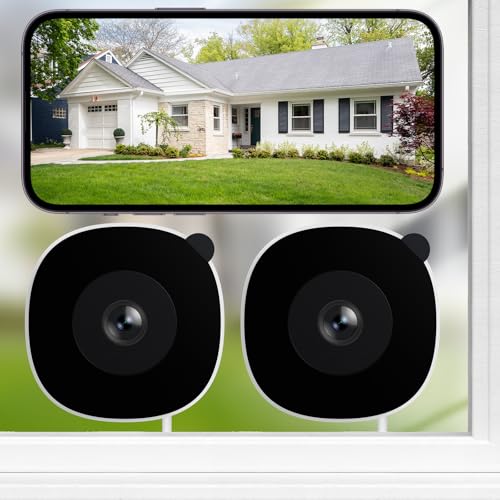
How do I determine the exact power consumption of my specific security camera model? Is there a way to find this information easily?
You can usually find the power specifications in the camera's user manual or product description. Look for voltage and current ratings to calculate power consumption using the formula: Power (W) = Voltage (V) x Current (A).
I don't think PoE is as beneficial as it's made out to be. Running a single cable sounds convenient, but if something goes wrong with the cable, you lose both power and data. Seems risky to me.
That's a valid point, but I think the benefits of reduced installation hassle and flexibility usually outweigh the risks. Plus, quality cables can minimize those issues.
I recently installed a PoE security camera system, and I noticed that the power consumption varies significantly based on the camera's features. When using night vision, my cameras draw around 12 watts, but during the day, they drop to about 5 watts. It's been really helpful for managing my energy costs!