
 Carmen J. Moore

Choosing the right amount of memory for your security camera system is crucial for ensuring smooth and reliable operation. The amount of memory you need will depend on several factors, including the number of cameras in your system, the resolution of the cameras, and how long you want to store the footage.
For a basic security camera system with a small number of cameras and standard resolution, a few terabytes of storage may be sufficient. However, if you have a larger system with high-resolution cameras and want to store footage for an extended period of time, you may need several terabytes or even petabytes of storage.
It’s important to consider your specific needs and requirements when determining how much memory you need for your security camera system. Investing in the right amount of memory will ensure that you can store and access footage when you need it most.
The Importance of Memory Size
When considering security cameras, the memory size plays a crucial role in ensuring the effectiveness of the surveillance system. A sufficient memory size allows for storing a larger amount of footage, which is essential for reviewing past events and identifying potential security threats.


Benefits of a Larger Memory Size:
- Extended recording time: With a larger memory size, security cameras can record footage for a longer period without overwriting previous recordings. This is particularly important in high-risk areas where continuous monitoring is required.
- Higher resolution footage: A larger memory size enables security cameras to capture higher resolution footage, providing clearer images and better quality video recordings. This is essential for recognizing faces, license plates, and other details.
Overall, investing in a security camera with an adequate memory size is crucial for enhancing the effectiveness of your surveillance system and ensuring the safety of your property.
Factors to consider
When determining how much memory you need for security cameras, there are several factors to consider:
- Number of cameras: The more cameras you have, the more memory you will need to store the footage from each camera.
- Resolution of cameras: Higher resolution cameras produce larger files, so you will need more memory to store the footage from these cameras.
- Frame rate: Cameras with higher frame rates will generate more footage, requiring more memory for storage.
- Retention period: The longer you want to keep footage, the more memory you will need to store it for that duration.
- Compression: Using compression techniques can reduce the amount of memory needed for storage, but may impact video quality.
Choosing the right memory size
When it comes to selecting the memory size for your security camera, it’s important to consider your specific needs and requirements. The amount of memory you need will depend on factors such as the number of cameras, the resolution of the footage, and how long you want to store recordings.
It’s recommended to choose a memory size that can accommodate at least 30 days of footage to ensure you have a sufficient amount of storage for your security needs. For example, if you have four cameras recording in 1080p resolution, you may need a memory size of at least 1TB to store a month’s worth of footage.
Benefits of Sufficient Memory
1. Enhanced Performance: With sufficient memory, your security camera system can operate smoothly and efficiently, ensuring that all footage is captured and stored without any lag or interruptions.
2. Longer Recording Time: More memory means more space to store recordings, allowing you to keep footage for longer periods and review it whenever needed.
3. Better Playback Quality: Adequate memory ensures that the playback quality of recorded footage is clear and detailed, making it easier to identify individuals or events in the footage.
4. Improved Security: With ample memory, you can store more footage for evidence in case of security breaches or incidents, providing you with a reliable backup of events.
5. Peace of Mind: Knowing that your security camera system has sufficient memory gives you peace of mind that all important footage is being captured and stored properly, enhancing the overall security of your property.
How Memory Affects Security
Memory plays a crucial role in the overall effectiveness and performance of security cameras. The amount of memory available directly impacts the storage capacity of the camera, which is essential for storing video footage for future reference. With larger memory capacity, security cameras can store more footage, allowing for longer retention periods and improved monitoring capabilities.
Additionally, memory also affects the camera’s ability to handle multiple tasks simultaneously. Cameras with sufficient memory can support advanced features such as motion detection, facial recognition, and remote access without compromising performance. In contrast, cameras with limited memory may struggle to process these tasks efficiently, resulting in delays or missed events.
Furthermore, memory influences the reliability and stability of security cameras. Adequate memory ensures smooth operation and reduces the risk of system crashes or data loss. It also enables cameras to maintain a consistent frame rate and image quality, essential for capturing clear and accurate footage.
In conclusion, memory is a critical factor in determining the functionality and effectiveness of security cameras. Choosing a camera with sufficient memory capacity is essential for ensuring optimal performance, reliable operation, and enhanced security monitoring capabilities.
Storage capacity for footage
When considering the memory needed for security camera footage, it’s important to take into account the storage capacity required to store the recorded videos. The amount of storage needed can vary depending on several factors:
Resolution:
- Higher resolution cameras produce larger video files, requiring more storage space.
- Lower resolution cameras may have smaller file sizes but may sacrifice image quality.
Frame rate:
- Higher frame rates result in smoother video but also increase the file size and storage requirements.
- Lower frame rates reduce storage needs but may result in choppier video playback.
It’s recommended to calculate the estimated storage capacity based on the resolution, frame rate, and the number of cameras recording. This will help determine the appropriate memory size needed to store the footage for a desired period, whether it’s days, weeks, or months.
Impact on video quality
When considering how much memory you need for your security camera system, it’s important to also think about the impact on video quality. Higher resolution cameras and longer recording times will require more storage space. If you want to capture clear and detailed footage, you’ll need a larger storage capacity to accommodate the higher resolution files. On the other hand, if you’re willing to sacrifice some video quality for more efficient storage usage, you may be able to get by with less memory. It’s a balancing act between video quality and storage capacity that you’ll need to consider when setting up your security camera system.
Memory requirements for different settings
When determining how much memory you need for your security camera system, it’s essential to consider the settings you’ll be using. Different settings require different amounts of memory to store video footage effectively. Here’s a breakdown of memory requirements for various settings:
1. Standard Definition (SD) recording:
If you are recording in standard definition (SD), you will need approximately 1-2GB of memory per camera per day. This setting offers lower resolution video quality but requires less memory space compared to higher definition settings.
2. High Definition (HD) recording:
For high definition (HD) recording, you will need more memory space as the video quality is higher. On average, you will need around 4-8GB of memory per camera per day for HD recording. This setting provides clearer and more detailed video footage but consumes more memory.
Future-proofing your security system
When it comes to choosing the right amount of memory for your security camera system, it’s important to consider future-proofing. As technology continues to evolve, you’ll want a system that can adapt and grow with the changes.
Scalability
Opt for a security camera system that offers scalability, allowing you to add more cameras or upgrade storage capacity as needed. This will ensure that your system can accommodate future expansions without the need for a complete overhaul.
Cloud storage
Consider utilizing cloud storage options for your security footage. Cloud storage provides flexibility and accessibility, allowing you to access your footage from anywhere and ensuring that your data is securely backed up off-site.


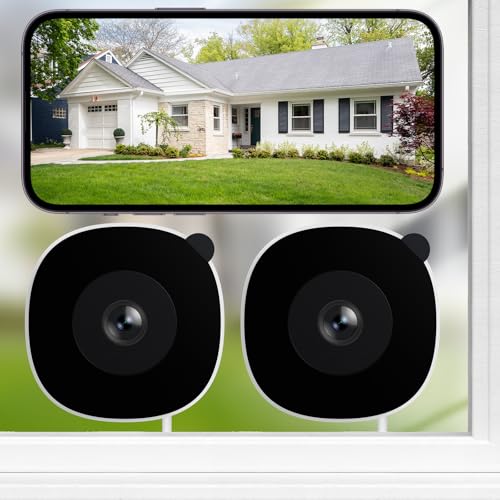
I had to upgrade my memory because my 4K cameras just ate up storage. Now I use 8TB for three cameras and it works well for me!
I'm confused about how to calculate the memory I need for my security camera system. If I have three cameras recording at 1080p, how much storage should I realistically plan for?
Good question! I've got two 1080p cameras, and I usually go for about 2TB to cover a month. So for three, you might want to aim for around 3TB or more.
Thanks for your question! For 1080p cameras, a rough guideline is about 1TB for 30 days of footage per camera. So, if you're planning three cameras, 3TB should suffice if you want to keep recordings for a month.