
 Carmen J. Moore
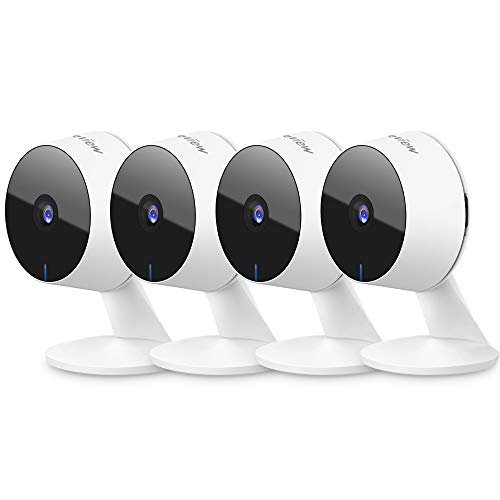
Security cameras are a popular choice for enhancing safety and monitoring activities on rental properties. However, the installation and use of security cameras in rental properties raise questions about privacy, consent, and the rights of tenants.
Landlords may want to install security cameras to prevent vandalism, theft, or other unauthorized activities on their rental properties. While this can be a proactive measure to protect the property and its occupants, it is essential to consider the legal implications and tenants’ rights.

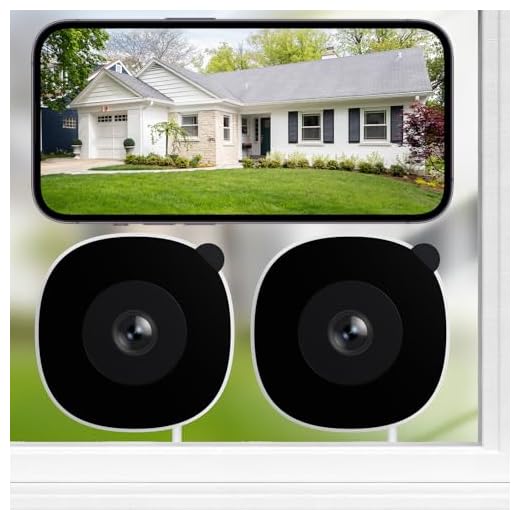

Before installing security cameras on a rental property, landlords should review local laws and regulations regarding surveillance and privacy. It is crucial to communicate clearly with tenants about the presence of security cameras, their purpose, and how the footage will be used.
Are Security Cameras Allowed on Rental Property?
When it comes to installing security cameras on rental property, there are several factors to consider. The legality of installing security cameras on rental property depends on the laws and regulations in your specific area.
Landlord Permission
First and foremost, it’s important to check with your landlord or property management company to get permission before installing security cameras. Some landlords may have specific rules or restrictions regarding the installation of security cameras on their property.
Privacy Concerns
Another important consideration is the privacy of the tenants. Before installing security cameras, make sure to inform the tenants about the presence of the cameras and how the footage will be used. It’s crucial to respect the privacy rights of the tenants and comply with any applicable privacy laws.
Understanding Rental Property Regulations
When it comes to security cameras on rental property, it’s essential to understand the regulations that govern their use. Landlords must balance the need for security with tenants’ right to privacy.
Legal Considerations: Before installing security cameras, landlords should check local laws and regulations regarding surveillance on rental properties. Some states may have specific rules about where cameras can be placed and how they should be used.
Tenant Notification: Landlords are typically required to inform tenants if security cameras are installed on the property. This notification should be provided in writing and include details about the cameras’ locations and purposes.
Privacy Concerns: Tenants have a right to privacy in their rental units. Landlords should ensure that cameras are not placed in areas where tenants have a reasonable expectation of privacy, such as bedrooms or bathrooms.
Security Benefits: While there are regulations to follow, security cameras can provide valuable protection for rental properties. They can deter criminal activity, help monitor common areas, and provide evidence in case of theft or vandalism.
Consultation: Landlords who are unsure about the regulations surrounding security cameras on rental property should consider consulting with a legal professional to ensure compliance with local laws and protect both tenants’ rights and property security.
Benefits of Security Cameras in Rental Properties
Security cameras offer numerous advantages for rental properties, providing both landlords and tenants with peace of mind and added security. Here are some key benefits:
1. Deterrent to Crime
Visible security cameras act as a strong deterrent to potential criminals, reducing the risk of break-ins, vandalism, and theft on the property. Criminals are less likely to target a property with visible surveillance cameras.
2. Enhanced Safety
Security cameras help improve the overall safety of the rental property by monitoring the premises and capturing any suspicious activities. In case of any incidents, footage from the cameras can provide valuable evidence to authorities.
Investing in security cameras for rental properties can help create a secure environment for both landlords and tenants, promoting a sense of security and trust within the community.
Legal Considerations for Installing Cameras
When installing security cameras on rental property, it is important to consider the legal implications. Here are some key legal considerations:
| Privacy Laws: | Ensure that you are compliant with local privacy laws when installing cameras. Tenants have a right to privacy, so make sure cameras are not placed in areas where individuals have a reasonable expectation of privacy, such as bathrooms or bedrooms. |
| Consent: | Obtain written consent from tenants before installing cameras. Make sure they are aware of the purpose of the cameras and how the footage will be used. |
| Notification: | Notify tenants about the presence of security cameras on the property. This can help prevent misunderstandings and ensure transparency. |
| Recording and Storage: | Be mindful of how long you retain recorded footage and who has access to it. Follow best practices for data security and storage to protect the privacy of tenants. |
Privacy Concerns and Tenant Rights
When installing security cameras on rental property, landlords must consider the privacy concerns of their tenants. While landlords have a right to protect their property and ensure safety, tenants also have rights to privacy within their rented space.
It is important for landlords to communicate openly with tenants about the installation of security cameras and the purpose behind them. Tenants should be informed about the areas that will be monitored, the storage and access of recorded footage, and any limitations on the use of the cameras.
Legal Considerations
Landlords should be aware of the legal implications of installing security cameras on rental property. Depending on the jurisdiction, there may be laws and regulations that govern the use of surveillance cameras in residential buildings. It is important for landlords to comply with these laws to avoid potential legal issues.
Tenant Rights
Tenants have a right to privacy within their rental unit. Landlords should respect this right and ensure that security cameras are not intruding on the privacy of tenants. If tenants have concerns about the placement or use of security cameras, landlords should address these concerns and work towards a solution that respects the privacy of the tenants.
Types of Security Cameras for Rental Properties
When it comes to securing your rental property, choosing the right security cameras is crucial. There are several types of security cameras available, each with its own features and benefits. Here are some of the most common types of security cameras for rental properties:
1. Indoor Security Cameras
Indoor security cameras are designed to monitor the interior of your rental property. They are typically small and discreet, making them ideal for covert surveillance. Indoor security cameras can be placed in common areas such as living rooms, kitchens, or hallways to keep an eye on activities inside the property.
2. Outdoor Security Cameras
Outdoor security cameras are designed to monitor the exterior of your rental property. These cameras are weatherproof and can withstand harsh outdoor conditions. Outdoor security cameras are typically installed near entry points such as doors and windows to deter intruders and capture any suspicious activity outside the property.
Best Practices for Installing and Using Cameras
When installing security cameras on rental property, it is important to follow best practices to ensure the safety and privacy of tenants. Here are some guidelines to consider:
1. Positioning
Place cameras in common areas and entry points to monitor activity without invading the privacy of tenants. Avoid pointing cameras directly at windows or private areas.
2. Notification
Inform tenants about the presence of security cameras on the property and their purpose. Clearly display signs indicating the use of surveillance to deter potential intruders.
| 3. Maintenance | Regularly check and maintain cameras to ensure they are functioning properly. Replace batteries, clean lenses, and adjust angles as needed. |
|---|---|
| 4. Data Security | Secure footage with passwords and encryption to prevent unauthorized access. Store recordings in a safe location and comply with privacy laws. |


I recently had a situation where my landlord installed security cameras without informing me. It felt invasive since I had no idea they were there until I saw the signs. I think communication is key. Before even considering cameras, landlords should have a conversation with their tenants to explain the benefits and address any concerns. Otherwise, it can lead to distrust.
I disagree with the idea that security cameras always enhance safety. Sometimes they can make tenants feel uncomfortable or watched. There needs to be a balance.
Can anyone clarify if landlords need to get tenants' written consent before installing cameras? I've heard mixed opinions on this.
I don't think landlords should have cameras inside rental properties at all. It feels like an invasion of privacy, even in common areas.
I agree. There's a fine line between security and invasion of privacy. It's important to respect tenants’ space.
I recently moved into a rental property where the landlord installed security cameras. Initially, I was worried about my privacy, but the landlord was very transparent, explaining where the cameras were and their purpose. It actually made me feel safer knowing there was some surveillance in place for common areas. Just be sure to have a clear discussion with your landlord!
Interesting point on the types of cameras. Outdoor cameras are definitely more visible and act as a deterrent, but indoor ones should be used cautiously. Always prioritize tenant privacy!
I had a landlord who installed security cameras without telling us. It felt really invasive, and we only found out when we noticed the cameras outside. I think it's crucial for landlords to communicate with their tenants, not just for legal reasons but to maintain trust. Has anyone else experienced this?
What are the specific privacy laws regarding security cameras in rental properties? I want to ensure I'm fully compliant before installing any.
As a landlord, I've installed security cameras in common areas of my rental properties. I always inform tenants upfront and get their written consent. So far, it's worked well—tenants appreciate the added security, but communication is key to maintain trust.