
 Carmen J. Moore
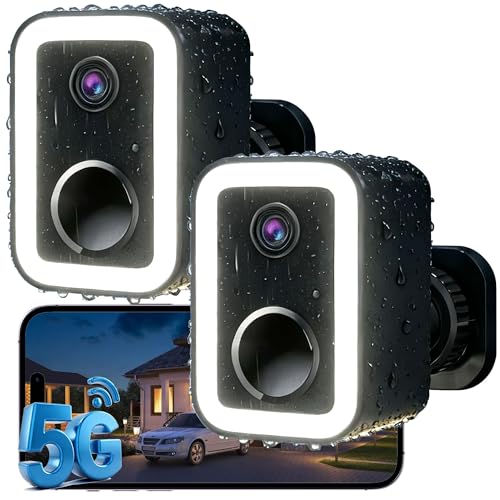
Security cameras are a ubiquitous presence in our modern world, monitoring our surroundings and providing a sense of safety and security. But can these cameras see phone screens?
With the advancement of technology, security cameras are equipped with high-resolution lenses and powerful sensors that can capture detailed images and videos. While these cameras are designed to monitor and record activities in their field of view, the question of whether they can see phone screens is a complex one.
Many factors come into play, including the distance between the camera and the phone, the angle of the camera, and the resolution of the screen. In general, security cameras are not designed to capture the fine details of a phone screen unless the camera is positioned very close to the screen and the screen is displaying content at a large size.
Can Security Cameras Capture Phone Screens?
Security cameras are designed to capture video footage of their surroundings, including people, objects, and activities. However, the ability of security cameras to capture phone screens depends on various factors.
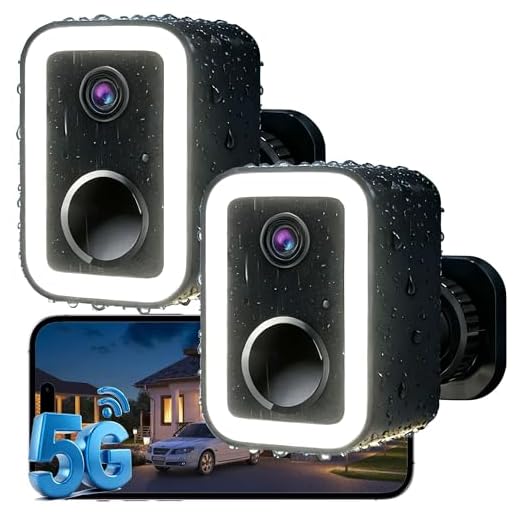


Most security cameras are not equipped to capture the content displayed on a phone screen due to their limited resolution and focus capabilities. Phone screens emit light in a way that can be challenging for traditional security cameras to accurately capture.
Additionally, the angle and distance between the security camera and the phone screen can also affect the camera’s ability to capture the screen’s content. If the phone screen is too small or too far away from the camera, the details on the screen may not be clearly visible in the footage.
While some advanced security cameras may have features that enhance their ability to capture phone screens, such as higher resolution or specialized lenses, most standard security cameras are not designed for this purpose.
| Factors Affecting the Capture of Phone Screens by Security Cameras: |
|---|
| Resolution of the camera |
| Distance between the camera and the phone screen |
| Angle of the camera relative to the phone screen |
| Lighting conditions |
In conclusion, while security cameras are useful for monitoring and recording activities, capturing phone screens is not their primary function. For specific scenarios where capturing phone screens is essential, specialized equipment may be required.
Understanding the Technology Behind Security Cameras
Security cameras come in various types and technologies, each designed to serve specific purposes. Understanding the technology behind security cameras can help you make informed decisions when choosing the right surveillance system for your needs.
Digital vs. Analog Cameras
One of the key distinctions in security cameras is between digital and analog cameras. Digital cameras capture and store video footage in digital format, providing higher resolution and clearer images. On the other hand, analog cameras use traditional analog signals to transmit video data, which may result in lower image quality.
Camera Sensors and Resolution
The quality of the image captured by a security camera is determined by the sensor’s resolution. Higher resolution sensors can capture more details and produce sharper images. Common sensor resolutions include 720p, 1080p, and 4K, with higher resolutions offering better image quality but requiring more storage space.
- 720p resolution: Offers basic image quality suitable for general surveillance.
- 1080p resolution: Provides higher image clarity and detail for more critical applications.
- 4K resolution: Delivers ultra-high-definition images with exceptional detail for premium security needs.
By understanding these key aspects of security camera technology, you can choose the right system to meet your surveillance requirements and ensure optimal security monitoring.
How Do Security Cameras Work
Security cameras work by capturing video footage of their surroundings and transmitting it to a recording device or monitor for viewing. They use sensors to detect changes in light and movement, triggering the camera to start recording. The footage is typically stored on a hard drive or in the cloud for later retrieval.
Security cameras can be wired or wireless, with wireless cameras transmitting video signals using radio frequencies. Some cameras are equipped with night vision capabilities, allowing them to capture clear footage in low-light or dark conditions. Advanced cameras may also have motion detection, facial recognition, and other features to enhance security.
Overall, security cameras play a crucial role in monitoring and protecting homes, businesses, and public spaces, providing a sense of security and peace of mind to users.
Factors Affecting Security Camera Visibility
When it comes to security cameras and their ability to capture phone screens, there are several factors that can affect visibility and clarity:
| Camera Resolution: | Higher resolution cameras can capture finer details, including phone screens, with more clarity. |
| Camera Angle and Placement: | The angle at which the camera is positioned and its placement can impact its field of view and ability to capture phone screens. |
| Lighting Conditions: | Proper lighting can enhance visibility, while poor lighting may affect the camera’s ability to capture clear images of phone screens. |
| Distance: | The distance between the camera and the phone screen can affect the visibility and sharpness of the captured image. |
| Camera Quality: | The quality of the camera itself, including lens quality and sensor technology, plays a crucial role in capturing clear images of phone screens. |
Can Security Cameras See Phone Screens
Security cameras are designed to capture video footage of their surroundings, including people and objects within their field of view. While security cameras can capture a wide range of details, including movements and activities, their ability to see phone screens is limited.
Most security cameras are not equipped with high-resolution lenses or advanced technology to capture detailed images of phone screens. The screens of smartphones and other devices emit light in a way that may not be easily picked up by standard security cameras, especially from a distance.
However, in certain situations or with specialized equipment, it may be possible for security cameras to capture glimpses of phone screens. Factors such as lighting conditions, camera placement, and camera resolution can play a role in determining whether a security camera can see phone screens.
It’s important to note that privacy concerns should always be taken into consideration when using security cameras in public or private spaces where phone screens may be visible. To protect sensitive information, individuals should be mindful of their surroundings and take precautions to avoid exposing their screens to cameras.
Protecting Your Privacy from Security Cameras
Security cameras are becoming more prevalent in public spaces, workplaces, and even homes. While they are intended to enhance security, they can also pose a threat to your privacy. Here are some tips to help protect your privacy from security cameras:
| 1. Be Aware of Camera Locations | Take note of where security cameras are placed in your surroundings. Avoid sensitive activities or conversations in areas where cameras are present. |
| 2. Use Privacy Filters | If you are concerned about security cameras capturing your phone screen or sensitive information, consider using privacy filters on your devices. These filters limit the viewing angle of the screen, making it difficult for cameras to capture the content. |
| 3. Adjust Your Screen Brightness | Lowering the brightness of your phone screen can help reduce the visibility of the content to security cameras. Consider adjusting the brightness settings when in public spaces. |
| 4. Practice Caution with Personal Information | Avoid displaying sensitive information on your phone screen in public areas where security cameras are present. Be mindful of your surroundings and who may be watching. |
| 5. Secure Your Devices | Ensure that your devices are password-protected and secure to prevent unauthorized access to your personal information. Use strong passwords and enable additional security features. |
Legal Implications of Security Camera Surveillance
When it comes to security camera surveillance, there are important legal implications that must be considered. While security cameras are a useful tool for monitoring and deterring crime, they also raise privacy concerns that must be addressed.
One key legal consideration is the right to privacy. In many jurisdictions, individuals have a right to privacy in certain areas, such as their homes or private property. This means that security cameras should not be used in a way that invades an individual’s reasonable expectation of privacy.
Another important legal issue is the use of security camera footage as evidence in court. In order for security camera footage to be admissible in court, it must be obtained legally and meet certain evidentiary standards. This includes ensuring that the footage was not obtained in violation of any laws or regulations.
Additionally, it is important to consider data protection laws when using security cameras. In many jurisdictions, there are strict regulations governing the collection, storage, and use of personal data, including video footage. Failure to comply with these laws can result in legal consequences.
| Key Legal Considerations: |
|---|
| 1. Right to privacy |
| 2. Admissibility of footage in court |
| 3. Data protection laws |



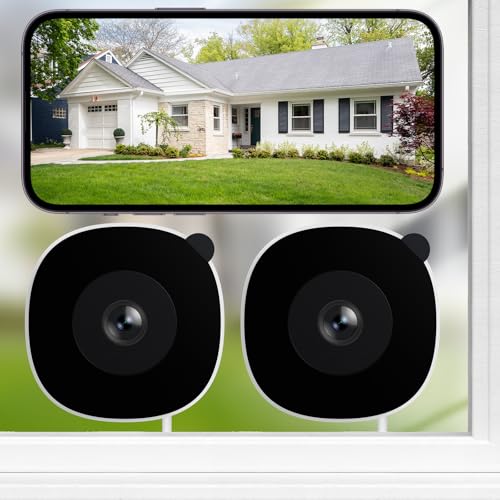
I often use my phone in a coffee shop that has security cameras. I usually sit far from the camera, but I always feel a bit uneasy about it capturing my screen. I’ve noticed that even if the camera is high-res, it still seems hard to see the details on my phone from a distance.
The article mentions that the angle and distance are critical. Does anyone have specific guidelines on what distances might affect visibility?