
 Carmen J. Moore

As technology continues to advance in the realm of photography, one question that arises is whether mirrorless cameras will eventually develop software that could eliminate the need for physically changing lenses.
Mirrorless cameras have already revolutionized the industry by providing a more compact and lightweight alternative to traditional DSLRs, but the inconvenience of swapping lenses can still be a hassle for many photographers.
With the rapid advancements in software and computational photography, it is not far-fetched to imagine a future where mirrorless cameras could use sophisticated algorithms to simulate different focal lengths and apertures without the need for physical lens changes.


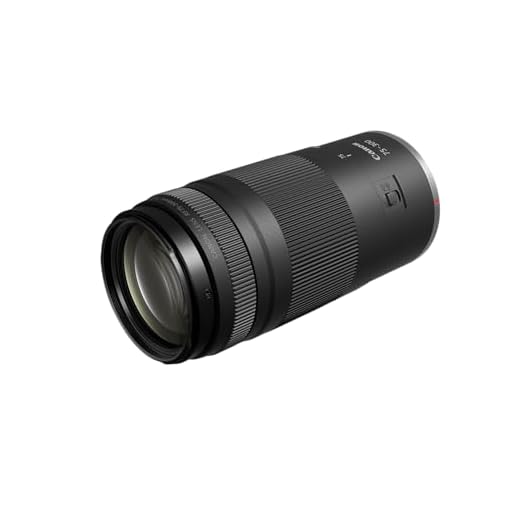
Will Mirrorless Cameras Revolutionize Photography Industry?
In recent years, mirrorless cameras have gained significant popularity among photographers due to their compact size, lightweight, and advanced technology. One of the key features that sets mirrorless cameras apart from traditional DSLRs is the absence of a mirror mechanism, allowing for a more streamlined design and faster shooting speeds.
With the rapid advancement of technology, it is possible that mirrorless cameras will continue to revolutionize the photography industry. One potential development could be the integration of software that eliminates the need for frequent lens changes. By utilizing advanced algorithms and digital processing, mirrorless cameras could simulate the effects of different lenses, offering photographers a more versatile shooting experience without the hassle of carrying multiple lenses.
This software-driven approach could potentially change the way photographers work, making it easier to adapt to different shooting conditions and styles without the need to physically swap lenses. While some purists may argue that nothing can replace the optical quality of a high-quality lens, the convenience and flexibility offered by software-driven solutions could open up new creative possibilities for photographers of all levels.
As technology continues to advance, it will be interesting to see how mirrorless cameras evolve and whether they will truly revolutionize the photography industry. Whether it’s through innovative software solutions or other groundbreaking features, mirrorless cameras have the potential to redefine the way we capture and create images.
Advantages of Mirrorless Cameras
1. Size and Weight: Mirrorless cameras are typically smaller and lighter than DSLR cameras, making them more portable and convenient for travel or everyday use.
2. Electronic Viewfinder: Mirrorless cameras use electronic viewfinders, which provide a real-time preview of the image being captured. This helps photographers visualize the final result before taking the shot.
3. Autofocus Performance: Mirrorless cameras often have faster and more accurate autofocus systems thanks to advanced technology like phase-detection pixels on the sensor.
4. Silent Shooting: Mirrorless cameras operate quietly since they don’t have a mirror flipping up and down. This makes them ideal for discreet shooting in quiet environments.
5. Adaptability: Mirrorless cameras can use a wide range of lenses through adapters, allowing photographers to access a variety of lenses from different manufacturers.
6. Video Capabilities: Many mirrorless cameras offer high-quality video recording options, including 4K resolution and advanced video features, making them versatile tools for videographers.
Impact of Software Development on Lens Changes
Software development in mirrorless cameras has the potential to significantly reduce the need for frequent lens changes. By utilizing advanced algorithms and image processing techniques, camera software can simulate the effects of different lenses, focal lengths, and apertures without physically changing the lens.
Enhanced Flexibility
This software-driven approach offers photographers the flexibility to switch between different focal lengths and styles without the hassle of carrying multiple lenses. They can experiment with various looks and compositions, all within the same camera body.
Improved Image Quality
Furthermore, software enhancements can optimize image quality by correcting distortions, aberrations, and other optical imperfections in real-time. This can lead to sharper, more accurate images without the need for additional post-processing.
Future Trends in Camera Technology
As technology continues to advance, the future of camera technology looks promising. One of the potential trends in camera technology is the development of software that could eliminate the need for lens changes in mirrorless cameras.
Advantages of Software-Based Solutions
Software-based solutions for eliminating lens changes in mirrorless cameras could offer several advantages. Firstly, it could simplify the user experience, making it easier for photographers to capture the perfect shot without the hassle of changing lenses. Secondly, it could potentially reduce the cost of owning a camera, as users would not need to invest in multiple lenses for different scenarios.
Potential Challenges
While software-based solutions for eliminating lens changes in mirrorless cameras hold great promise, there are also potential challenges to consider. Ensuring that the software can accurately mimic the effects of different lenses and focal lengths could be a significant technical challenge. Additionally, photographers who are used to the flexibility and control offered by interchangeable lenses may be hesitant to embrace this new technology.
| Pros | Cons |
| 1. Simplified user experience | 1. Technical challenges in software development |
| 2. Cost savings for users | 2. Resistance from photographers |
Comparison with Traditional DSLR Cameras
When comparing mirrorless cameras to traditional DSLRs, there are several key differences to consider. Mirrorless cameras are generally more compact and lighter weight than DSLRs, making them easier to carry around for extended periods of time. This can be a significant advantage for photographers who value portability and convenience.
Additionally, mirrorless cameras have electronic viewfinders which provide a digital preview of the image, unlike DSLRs which use optical viewfinders. This can offer a more accurate representation of how the final image will look, as well as the ability to see exposure and white balance adjustments in real-time.
One area where DSLRs traditionally have an advantage is battery life, as they can typically shoot more photos on a single charge compared to mirrorless cameras. However, advancements in mirrorless camera technology have led to improved battery performance in recent models.
Overall, both mirrorless and DSLR cameras have their strengths and weaknesses, and the choice between the two ultimately depends on the specific needs and preferences of the photographer.
Potential Challenges for Mirrorless Cameras
Mirrorless cameras have revolutionized the photography industry with their compact size, lightweight design, and advanced technology. However, they also face certain challenges that may impact their future development and adoption.
| 1. Battery Life | Due to the electronic viewfinder and constant use of the sensor, mirrorless cameras tend to consume more battery power compared to DSLRs. Improving battery life is crucial for ensuring extended shooting sessions without the need for frequent recharging. |
| 2. Heat Management | With continuous use, mirrorless cameras can generate heat, which may affect performance and potentially lead to overheating issues. Manufacturers need to focus on efficient heat dissipation solutions to prevent these problems. |
| 3. Lens Compatibility | While mirrorless cameras offer versatility with lens adaptors, some lenses may not perform optimally on mirrorless bodies due to differences in focal lengths and sensor sizes. Ensuring compatibility with a wide range of lenses is essential for maximizing the camera’s potential. |
| 4. Ergonomics | Despite their compact size, some users find mirrorless cameras less comfortable to hold for extended periods compared to DSLRs. Improving ergonomics and grip design can enhance user experience and reduce fatigue during prolonged use. |
Professional Photographer’s Perspective
As a professional photographer, the idea of software eliminating the need for lens changes in mirrorless cameras is both intriguing and concerning. On one hand, the convenience of not having to physically change lenses during a shoot could save time and potentially reduce the risk of dust or moisture entering the camera body. This could streamline the workflow and allow for more efficient shooting in fast-paced environments.
However, from a creative perspective, the ability to choose specific lenses for different shots is a crucial part of the photographic process. Each lens has its own unique characteristics, such as focal length, aperture, and optical quality, that contribute to the final look of an image. Being able to swap lenses gives photographers the flexibility to achieve different visual effects and styles, which is especially important in genres like portrait, landscape, and macro photography.
While software may be able to simulate the effects of different lenses to some extent, it is unlikely to fully replicate the nuances and subtleties of actual optics. Photographers value the precision and control that comes with using high-quality lenses, and many would be reluctant to give up this aspect of their craft in favor of software-based solutions.
Consumer Adoption and Market Growth
As mirrorless cameras continue to gain popularity among photographers of all levels, consumer adoption is on the rise. The compact size, lightweight design, and advanced features of mirrorless cameras have attracted a wide range of users, from amateurs to professionals.
Market growth in the mirrorless camera industry has been significant in recent years, with major camera manufacturers investing heavily in research and development to improve the technology and features of their mirrorless offerings. This has led to a wider selection of mirrorless cameras at various price points, making them more accessible to a broader audience.
With the continuous advancement of technology, it is possible that mirrorless cameras will develop software solutions to eliminate the need for lens changes in the future. This innovation could further drive consumer adoption and market growth by simplifying the shooting process and expanding the capabilities of mirrorless cameras.


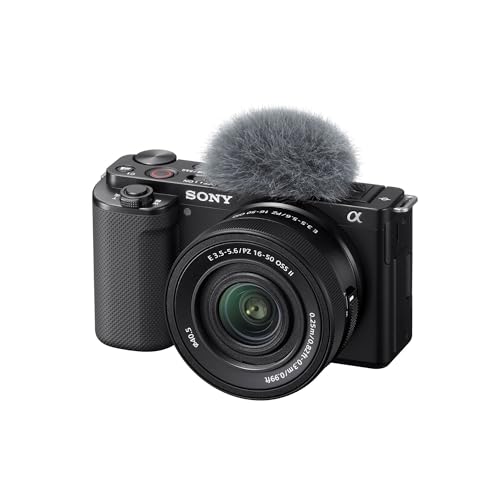


I've always used a DSLR, but I'm thinking about switching to mirrorless. The compact size is appealing, but I'm worried about battery life and lens options. How do you think they stack up in real-world usage?
I disagree that software can ever fully replace physical lenses. Each lens has unique properties that contribute to the final image quality, and software will likely only emulate some of these.
I've been using mirrorless cameras for a few years now, and while I love the portability, I still find myself missing certain characteristics of my DSLR lenses. The idea of software replacing lenses sounds intriguing, but I wonder if it truly can replicate the bokeh or distortion of prime lenses.
That's a common concern among photographers. While software can enhance flexibility and simulate some effects, it's true that specific optical qualities of high-end lenses can be hard to replicate digitally.
I appreciate the advantages mentioned for mirrorless cameras, but I'm still unsure about battery life. Do newer models truly offer significant improvements in battery performance compared to older versions?
I'm really curious about how software can accurately simulate different lens effects. Has this been done successfully in any current cameras?
I think the elimination of lens changes would be a game changer for travel photography. Less gear means more freedom!