
 Carmen J. Moore
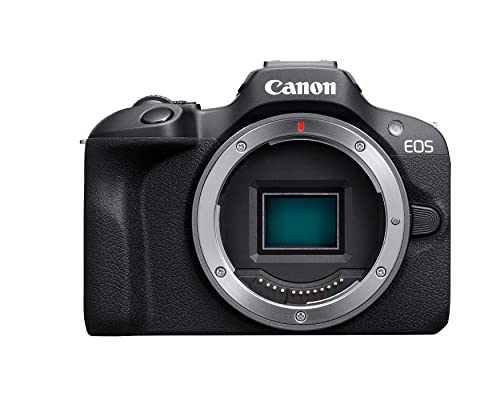
Are you ready to step up your photography game? Mirrorless cameras have revolutionized the world of photography, offering compact size, exceptional image quality, and advanced features that rival traditional DSLRs. If you’re looking to make the switch to a mirrorless camera or have just purchased one, this guide will help you get started on your journey to capturing stunning images.
From understanding the basics of exposure and composition to mastering the technical aspects of your camera, this article will provide you with the essential knowledge and skills to kickstart your photography adventure. Whether you’re a beginner or an experienced photographer, mirrorless cameras offer a wealth of creative possibilities that can take your images to the next level. Let’s dive in and explore the world of mirrorless photography together!
Getting to Know Your Camera
Before you start taking pictures with your mirrorless camera, it’s important to familiarize yourself with its features and settings. Take the time to read the user manual and explore the different buttons and dials on the camera.
Here are some key things to know about your camera:


- Understand the different shooting modes, such as manual, aperture priority, and shutter priority.
- Learn how to adjust settings like ISO, aperture, and shutter speed to achieve the desired exposure.
- Experiment with the autofocus system to understand how it works and how to select focus points.
- Explore the menu system to customize settings and personalize your shooting experience.
By getting to know your camera inside and out, you’ll be better equipped to capture stunning images and make the most of your photography experience.
Choosing the Right Lens
One of the key decisions you’ll need to make when starting to take pictures with a mirrorless camera is choosing the right lens. The type of lens you use can have a significant impact on the look and feel of your photos. Here are a few things to consider when selecting a lens:
1. Focal Length: The focal length of a lens determines how much of the scene will be captured in your frame. Wide-angle lenses are great for landscapes and architecture, while telephoto lenses are ideal for capturing details from a distance.
2. Aperture: The aperture of a lens controls the amount of light that enters the camera. Lenses with a wider maximum aperture (lower f-stop) are better for low-light situations and creating a shallow depth of field for beautiful bokeh effects.
3. Lens Compatibility: Make sure the lens you choose is compatible with your camera model. Some mirrorless cameras use specific lens mounts, so double-check before making a purchase.
4. Budget: Consider your budget when selecting a lens. There are various options available, from affordable kit lenses to high-end professional lenses. Invest in lenses that suit your photography style and budget.
By considering these factors, you can choose the right lens for your mirrorless camera and start capturing stunning images.
Understanding Camera Settings
Before you start taking pictures with your mirrorless camera, it’s important to understand the basic camera settings that will affect the outcome of your photos. Here are some key settings to pay attention to:
1. Exposure Triangle:
The exposure triangle consists of three elements: aperture, shutter speed, and ISO. Understanding how these settings work together will help you achieve the desired exposure for your photos.
2. White Balance:
White balance is crucial for getting accurate colors in your photos. Make sure to adjust the white balance setting based on the lighting conditions to avoid color casts in your images.
- Aperture: Controls the amount of light entering the camera and affects depth of field.
- Shutter Speed: Determines how long the camera’s shutter remains open, affecting motion blur.
- ISO: Controls the camera’s sensitivity to light, with higher ISO values introducing more noise.
- White Balance: Adjusts the color temperature of the image to match the lighting conditions.
Mastering Exposure
Understanding exposure is crucial to capturing great photos with your mirrorless camera. Exposure refers to the amount of light that reaches the camera sensor, and it is determined by three key settings: aperture, shutter speed, and ISO.
Aperture controls the size of the opening in the lens through which light enters the camera. A wider aperture (smaller f-stop number) lets in more light, while a narrower aperture (larger f-stop number) lets in less light.
Shutter speed determines how long the camera’s shutter remains open to allow light to reach the sensor. A faster shutter speed lets in less light and is ideal for freezing motion, while a slower shutter speed lets in more light and is great for capturing motion blur.
ISO measures the sensitivity of the camera sensor to light. A lower ISO setting is ideal for bright lighting conditions, while a higher ISO setting is necessary for low-light situations but can introduce noise into your images.
Practice adjusting exposure settings
Experiment with different combinations of aperture, shutter speed, and ISO settings to achieve the desired exposure for your photos. Mastering exposure will allow you to capture well-exposed images in a variety of lighting conditions.
Composition Techniques for Stunning Photos
When taking photos with your mirrorless camera, composition plays a crucial role in creating stunning and captivating images. Here are some composition techniques to enhance your photography:
Rule of Thirds: Divide your frame into nine equal parts using two horizontal and two vertical lines. Place your main subject or point of interest along these lines or at their intersections to create a balanced and visually appealing composition.
Leading Lines: Use lines in your scene, such as roads, fences, or buildings, to lead the viewer’s eye towards the main subject. This technique adds depth and visual interest to your photos.
Symmetry: Look for symmetrical elements in your composition, such as reflections in water or perfectly aligned objects. Symmetry can create a sense of balance and harmony in your photos.
Negative Space: Don’t overcrowd your frame with too many elements. Embrace negative space to draw attention to your main subject and create a sense of simplicity and elegance in your photos.
Frame within a Frame: Use natural elements like archways, windows, or trees to frame your main subject. This technique adds depth and context to your photos, making them more visually engaging.
By incorporating these composition techniques into your photography, you can elevate your images and create visually striking photos with your mirrorless camera.
Using Natural Light to Your Advantage
One of the key advantages of mirrorless cameras is their ability to capture stunning images in natural light. Here are some tips to help you make the most of natural light when taking photos:
| 1. Time of Day: | Early morning and late afternoon are known as the golden hours for photography. The light is soft, warm, and creates beautiful shadows and highlights. |
| 2. Direction of Light: | Pay attention to the direction of light when shooting. Side lighting can create depth and drama, while backlighting can produce silhouettes. |
| 3. Diffused Light: | Use natural diffusers like clouds, trees, or curtains to soften harsh sunlight and create a more flattering light on your subject. |
| 4. White Balance: | Adjust your white balance settings to match the color temperature of the natural light for more accurate and vibrant colors. |
| 5. Experiment: | Don’t be afraid to experiment with different angles, compositions, and lighting conditions to discover what works best for your style and subject. |
Post-Processing Tips for Mirrorless Camera Photos
After capturing stunning photos with your mirrorless camera, it’s time to enhance them through post-processing. Here are some tips to help you make the most of your mirrorless camera photos:
1. Use Raw Format
When shooting with a mirrorless camera, always opt for capturing images in RAW format rather than JPEG. RAW files contain more data and provide greater flexibility during post-processing, allowing you to make more significant adjustments without compromising image quality.
2. Adjust White Balance and Exposure
During post-processing, pay attention to white balance and exposure settings. Correcting these aspects can significantly improve the overall look of your photos. Experiment with different adjustments to achieve the desired mood and tone in your images.
By following these post-processing tips, you can take your mirrorless camera photos to the next level and create stunning, professional-looking images.
Experimenting with Different Shooting Modes
One of the advantages of using a mirrorless camera is the variety of shooting modes available. Experimenting with different shooting modes can help you understand how they work and when to use them to achieve the desired effect in your photos.
1. Manual Mode
In manual mode, you have full control over the settings such as aperture, shutter speed, and ISO. This mode gives you the most creative control but requires some knowledge of how these settings affect your photos.
2. Aperture Priority Mode
Aperture priority mode allows you to set the desired aperture while the camera automatically adjusts the shutter speed for proper exposure. This mode is great for controlling depth of field.
- Experiment with different apertures to see how they affect the background blur in your photos.
- Use a wide aperture (low f-stop) for a shallow depth of field and a blurred background.
- Use a narrow aperture (high f-stop) for a deep depth of field and sharp background.
By experimenting with these shooting modes, you can enhance your photography skills and take your mirrorless camera to the next level.
Capturing Motion and Action Shots
One of the advantages of using a mirrorless camera is its ability to capture fast-moving subjects with precision and clarity. To capture motion and action shots effectively, follow these tips:
1. Use a fast shutter speed
Set your camera to a fast shutter speed to freeze the action and avoid motion blur. A shutter speed of 1/500 or faster is recommended for capturing fast-moving subjects like sports or wildlife.
2. Continuous autofocus
Enable continuous autofocus mode on your camera to track moving subjects and ensure they remain in focus throughout the shot. This feature is essential for capturing action shots with precision.
Building Your Photography Portfolio
Once you’ve gained some experience and have a collection of images you’re proud of, it’s time to start building your photography portfolio. Your portfolio is a showcase of your best work and is essential for attracting clients or applying for photography gigs.
Curate Your Best Work
Take the time to carefully curate your portfolio, selecting only your strongest and most impactful images. Aim for variety in subjects, styles, and techniques to demonstrate your versatility as a photographer.
Create an Online Portfolio
Consider creating an online portfolio to showcase your work to a wider audience. You can use platforms like Squarespace, Wix, or WordPress to create a professional-looking portfolio that is easy to navigate and showcases your images effectively.



What are the main differences between shooting in RAW and JPEG formats with mirrorless cameras? Is it really worth it to shoot in RAW for someone just starting out?
Can someone explain a bit more about the exposure triangle? I get that it involves aperture, shutter speed, and ISO, but I’m having a hard time understanding how they interact with each other when capturing images.
I’m debating between a mirrorless camera and a DSLR. The compact size of mirrorless is appealing, but I’ve heard DSLRs have better battery life. What do you think?
I'm new to mirrorless cameras. How do I know which lens is best for portraits versus landscapes?
Don't forget to adjust your white balance! It can make a huge difference in the colors of your photos, especially in varying lighting conditions.
I recently switched to a mirrorless camera, and I have to say, the lightweight design makes it so much easier to carry around during hikes. I’m loving it!