
 Carmen J. Moore

Focus pulling is a crucial skill in the world of cinematography, allowing filmmakers to create dynamic shots with a sharp focus on key elements of the scene. With the rise of mirrorless cameras in the filmmaking industry, mastering focus pulling on these compact and versatile cameras has become essential for aspiring and seasoned cinematographers alike.
Unlike traditional DSLR cameras, mirrorless cameras offer unique features and challenges when it comes to focus pulling. Understanding the technical aspects of focus pulling on mirrorless cameras, such as electronic focus control and focus peaking, can take your cinematography skills to the next level and elevate the quality of your footage.
In this comprehensive guide, we will explore the fundamentals of focus pulling on mirrorless cameras, from setting up your camera and choosing the right lenses to mastering the art of smooth and precise focus transitions. Whether you’re a beginner looking to learn the basics or a seasoned professional aiming to refine your focus pulling technique, this guide will provide you with the knowledge and skills you need to achieve stunning cinematic results.
Understanding the Basics of Focus Pull
Focus pulling is a fundamental technique in filmmaking that involves adjusting the focus of the camera lens during a shot to keep a subject or object sharp and in focus. This technique is crucial for creating cinematic and visually appealing footage.
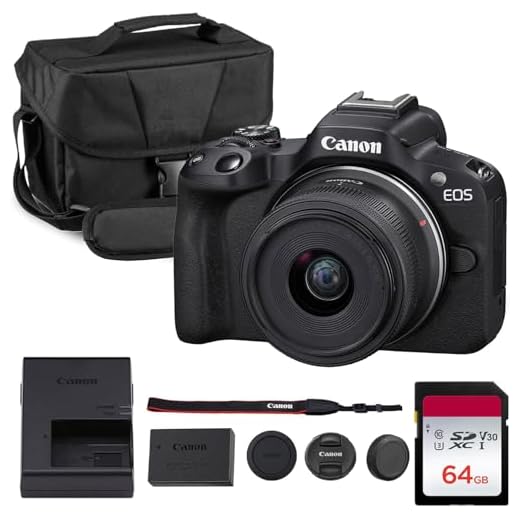


Key Concepts:
- Focusing: The process of adjusting the lens to make the subject in the frame appear sharp and clear.
- Depth of Field: The range of distance in front of and behind the subject that appears acceptably sharp in the image.
When executing a focus pull, it’s essential to understand the relationship between focusing, depth of field, and camera settings to achieve the desired visual effect. Practice and precision are key to mastering this technique on mirrorless cameras.
Choosing the Right Mirrorless Camera
When selecting a mirrorless camera for focus pulling, there are several key factors to consider. First and foremost, you’ll want to look for a camera with fast and accurate autofocus capabilities. This is crucial for ensuring smooth and precise focus transitions during your shots.
Additionally, consider the size and weight of the camera, as well as its ergonomics. You’ll be handling the camera for extended periods of time, so it’s important to choose a model that feels comfortable in your hands.
Another important feature to look for is the availability of manual focus assist tools, such as focus peaking and magnification. These tools can make it easier to achieve critical focus when pulling focus manually.
Lastly, consider the lens compatibility of the camera. Make sure the camera you choose is compatible with a wide range of lenses, especially those with smooth focus rings that are ideal for focus pulling.
Setting Up Your Camera for Focus Pull
Before you start practicing focus pulling on your mirrorless camera, it’s important to ensure that your camera settings are optimized for the task. Here are some steps to set up your camera for focus pulling:
1. Select Manual Focus Mode
Make sure your camera is set to manual focus mode so that you have full control over the focus ring. This will allow you to manually adjust the focus to achieve the desired effect during focus pulling.
2. Use Focus Peaking
Enable the focus peaking feature on your camera, if available. Focus peaking highlights the areas in focus with a colored outline, making it easier for you to see which parts of the image are sharp while adjusting the focus.
Mastering Manual Focus on Mirrorless Cameras
Manual focus can be a powerful tool for photographers using mirrorless cameras. By mastering manual focus, you can take full control of your camera’s focus and achieve precise and creative results.
1. Understand Your Camera’s Focus Peaking Feature
Most mirrorless cameras come equipped with a focus peaking feature, which highlights in-focus areas of your image with a colored outline. Make sure to enable this feature in your camera settings to assist you in achieving sharp focus manually.
2. Practice Regularly to Improve Your Focus Accuracy
Manual focusing takes practice and patience. Spend time practicing manual focus techniques in different lighting conditions and with various subjects to improve your accuracy and speed. Over time, you’ll become more confident in your ability to nail focus manually.
Practicing Focus Pull with Different Lenses
One way to improve your focus pulling skills on a mirrorless camera is to practice with different lenses. Each lens has its own unique characteristics, including focus speed, focus throw, and depth of field. By experimenting with various lenses, you can learn how to adjust your focus smoothly and accurately.
Wide-angle lenses: These lenses have a wider field of view and typically require less precise focus adjustments. They are great for establishing shots and capturing landscapes.
Telephoto lenses: Telephoto lenses have a narrow field of view and are ideal for shooting subjects at a distance. Focus pulling with these lenses requires more precision due to the shallow depth of field.
Prime lenses: Prime lenses have a fixed focal length, which can help you practice focus pulling at a specific distance. They are known for their sharpness and low aperture values, making them great for portrait and low-light photography.
Zoom lenses: Zoom lenses offer versatility with adjustable focal lengths. When practicing focus pulling with zoom lenses, pay attention to how the focus changes as you zoom in or out.
By practicing focus pull with different lenses, you can develop a better understanding of their characteristics and how to achieve the desired focus effect in your videos or photos.
Tips for Achieving Smooth Focus Transitions
When performing a focus pull on a mirrorless camera, it’s essential to ensure that the transition is smooth and seamless. Here are some tips to help you achieve professional-looking focus transitions:
1. Use Manual Focus
While some mirrorless cameras offer autofocus capabilities, using manual focus gives you more control over the focus transition. Practice adjusting the focus ring smoothly to achieve the desired effect.
2. Plan Your Shots
Before starting a focus pull, plan out the movements of your subject and the camera. This will help you anticipate when to adjust the focus and ensure that the transition is timed perfectly.
Common Mistakes to Avoid in Focus Pull
When performing a focus pull on a mirrorless camera, there are several common mistakes that should be avoided to ensure a smooth and professional result:
- Not setting the focus points accurately: Make sure to set your focus points precisely to avoid any unnecessary blurriness in your shots.
- Overcompensating while pulling focus: It’s important to have a steady hand and make smooth adjustments when pulling focus to avoid overshooting or undershooting.
- Ignoring the depth of field: Understanding the depth of field of your lens is crucial for achieving the desired focus effect.
- Not rehearsing the focus pull: Practice makes perfect, so be sure to rehearse your focus pulls before recording to avoid mistakes during the actual shoot.
- Not using a follow focus system: Using a follow focus system can greatly improve the accuracy and smoothness of your focus pulls, so consider investing in one if you frequently work with focus pulling.
Advanced Techniques for Professional Focus Pull
Once you have mastered the basics of focus pulling on mirrorless cameras, you can take your skills to the next level by incorporating advanced techniques. Here are some tips to help you achieve professional results:
1. Use Focus Markers
One way to ensure precise focus pulls is to use focus markers. These can be physical markers placed on set or digital markers displayed on the camera’s monitor. By marking specific distances, you can quickly and accurately pull focus between different subjects without relying solely on the camera’s autofocus.
2. Practice Smooth Movements
Smooth focus pulls are essential for professional-looking footage. Practice your hand movements to ensure seamless transitions between subjects. Use a follow focus system or manual focus ring to control the focus smoothly and consistently throughout the shot.
By incorporating these advanced techniques into your focus pulling workflow, you can elevate the quality of your footage and create more dynamic and engaging videos.


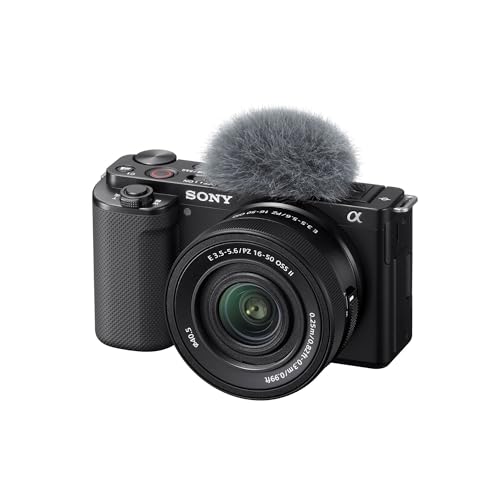


I think autofocus can sometimes be just as effective as manual focus for focus pulling. It seems like a good option for those just starting out.
I get where you're coming from, but relying too much on autofocus can lead to missed shots, especially in dynamic scenes. Manual focus, with practice, offers more control.
Can you clarify what you mean by 'depth of field' in relation to focus pulling? I often hear this term but I'm not entirely sure how it affects my shots.
Depth of field refers to how much of your shot is in focus, both in front of and behind your subject. A shallow depth of field makes focusing critical, as only a small area will be sharp. Understanding this helps you plan your focus pulls more effectively.
How does focus pulling on mirrorless cameras compare to DSLRs? I've always used DSLRs and I'm curious about the differences.
I've been using a mirrorless camera for a while now, and I must say, practicing focus pulling with different lenses has really improved my skills. Wide-angle lenses are easier, but telephoto ones can be challenging due to their shallow depth of field. It's all about practice!