
 Carmen J. Moore

Are you ready to elevate your photography skills and take your images to the next level? With a DSLR camera in hand, you have the power to capture stunning, professional-quality photos that will leave viewers in awe. But mastering the art of DSLR photography takes more than just owning the right equipment – it requires knowledge, practice, and a keen eye for detail.
In this comprehensive guide, we will walk you through the essential techniques and tips you need to know to take professional photos with your DSLR camera. From understanding the basics of exposure and composition to mastering advanced shooting modes and editing techniques, we will cover everything you need to know to unleash the full potential of your camera.
Whether you are a beginner looking to learn the ropes or a seasoned photographer wanting to refine your skills, this guide is your go-to resource for taking your photography to the next level. So grab your DSLR camera, and let’s dive into the world of professional photography together!
Taking Professional Photos with Your DSLR Camera
Using a DSLR camera can help you capture stunning professional-quality photos. Here are some tips to make the most of your camera:
1. Understand Your Camera Settings
Take the time to learn about the various settings on your DSLR camera, such as aperture, shutter speed, and ISO. Understanding how each setting affects your photos will help you take better pictures.
2. Use Manual Mode for Control
While automatic modes can be convenient, using manual mode gives you more control over the final outcome of your photos. Experiment with different settings to achieve the desired effect.
Understanding Your DSLR Camera Settings
One of the key factors in taking professional photos with a DSLR camera is understanding its settings. Here are some essential settings you should be familiar with:
1. Aperture
Aperture refers to the size of the opening in the lens that allows light to pass through. It is measured in f-stops, with smaller f-stop numbers indicating larger apertures. A wider aperture lets in more light and creates a shallow depth of field, while a smaller aperture lets in less light and creates a deeper depth of field.
2. Shutter Speed
Shutter speed determines how long the camera’s shutter remains open when taking a photo. A faster shutter speed freezes motion, while a slower shutter speed creates motion blur. It is measured in seconds or fractions of a second, such as 1/1000 or 1/30.
Choosing the Right Lens for the Job
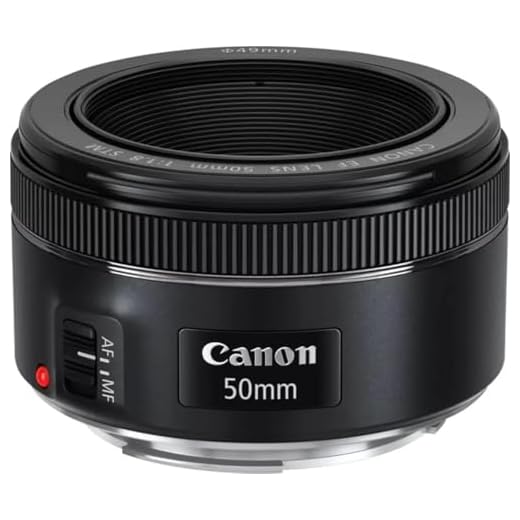
When it comes to taking professional photos with a DSLR camera, choosing the right lens is crucial. Different lenses have different focal lengths, apertures, and capabilities, so it’s important to select the right lens for the job at hand.
Here are some factors to consider when choosing a lens:
| Focal Length: | Consider the focal length needed for the type of photography you are doing. Wide-angle lenses are great for landscapes and architecture, while telephoto lenses are ideal for wildlife and sports photography. |
| Aperture: | The aperture of the lens determines how much light can enter the camera. Lenses with wider apertures (lower f-stop numbers) are better for low-light situations and creating a shallow depth of field for portraits. |
| Special Features: | Some lenses come with special features like image stabilization, macro capabilities, or weather sealing. Consider these features based on your shooting style and needs. |
By carefully selecting the right lens for each photography scenario, you can enhance the quality and creativity of your images captured with a DSLR camera.
Mastering Composition Techniques
Composition is key to creating visually appealing and professional-looking photos. Here are some composition techniques to help you take your DSLR photography to the next level:
- Rule of Thirds: Divide your frame into thirds both horizontally and vertically, and place your subject where the lines intersect for a more balanced composition.
- Leading Lines: Use lines in your scene to lead the viewer’s eye towards the main subject or focal point of your photo.
- Symmetry and Patterns: Look for symmetry or interesting patterns in your surroundings to create visually striking compositions.
- Depth and Layers: Incorporate elements in the foreground, middle ground, and background to add depth and dimension to your photos.
- Frame within a Frame: Use natural frames like windows, archways, or foliage to frame your subject and draw attention to it.
- Negative Space: Don’t overcrowd your composition; leave negative space around your subject to create a sense of balance and focus.
By mastering these composition techniques and experimenting with different angles and perspectives, you can elevate the quality of your DSLR photos and capture more compelling images.
Utilizing Natural Lighting for Stunning Shots
When taking professional photos with a DSLR camera, one of the most important factors to consider is lighting. Natural lighting can make a huge difference in the quality of your shots, so it’s essential to know how to utilize it effectively.
Here are some tips for making the most of natural lighting:
| Golden Hour: | Shoot during the golden hour, which is the hour after sunrise and the hour before sunset. This time of day provides soft, warm lighting that can create a beautiful glow in your photos. |
| Diffused Light: | Avoid harsh, direct sunlight and look for areas with diffused light, such as shaded areas or cloudy days. Diffused light can help reduce harsh shadows and create a more even illumination. |
| Backlighting: | Experiment with backlighting by positioning your subject between the camera and a source of light. This can create a stunning halo effect and add depth to your photos. |
| Reflectors: | Use reflectors to bounce light onto your subject and fill in any shadows. Reflectors can help you control the direction and intensity of the light, resulting in more balanced and flattering lighting. |
By paying attention to natural lighting and utilizing these tips, you can take stunning professional photos with your DSLR camera that truly stand out.
Using Editing Software to Enhance Your Photos
Once you have taken your photos with your DSLR camera, the next step is to enhance them using editing software. There are many editing programs available, such as Adobe Photoshop, Lightroom, and GIMP, that can help you adjust colors, contrast, sharpness, and more.
When editing your photos, it’s important to start with the basics, such as adjusting exposure and white balance. You can then move on to more advanced techniques, such as cropping, retouching, and adding filters.
Remember to keep your edits subtle and natural-looking, as over-editing can make your photos look artificial. Experiment with different editing tools and techniques to find the style that works best for your photos.
Once you are happy with your edits, you can save your photos in the appropriate file format and share them with others to showcase your photography skills.
Practicing and Experimenting with Different Styles
One of the best ways to improve your photography skills with a DSLR camera is to practice and experiment with different styles. By trying out various techniques and styles, you can discover what works best for you and develop your own unique photography style.
1. Portrait Photography
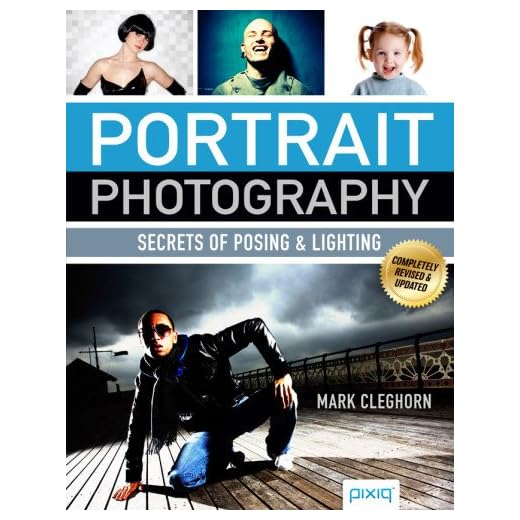
Experiment with portrait photography by focusing on capturing the personality and emotions of your subjects. Play around with different lighting setups, poses, and compositions to create stunning portraits.
2. Landscape Photography
Explore the beauty of the great outdoors with landscape photography. Experiment with different angles, perspectives, and compositions to capture the vastness and beauty of nature through your DSLR camera.
Sharing Your Professional Photos with the World
Once you’ve taken professional photos with your DSLR camera, it’s time to share your work with the world. Here are some tips on how to do it:
1. Create an Online Portfolio: Set up a website or online portfolio to showcase your best work. Make sure the design is clean and easy to navigate.
2. Social Media: Utilize social media platforms like Instagram, Facebook, and Twitter to reach a wider audience. Use relevant hashtags to increase visibility.
3. Collaborate with Others: Partner with other photographers or artists to cross-promote each other’s work and expand your reach.
4. Enter Photography Contests: Submit your photos to photography contests to gain recognition and exposure in the industry.
5. Print and Sell Your Work: Consider printing your photos and selling them as prints or merchandise online or at local art fairs.
By following these tips, you can share your professional photos with a larger audience and build a strong online presence as a photographer.
FAQ
What are the key settings to consider when taking professional photos with a DSLR camera?
When taking professional photos with a DSLR camera, key settings to consider include aperture, shutter speed, ISO, white balance, and focusing mode. These settings allow you to control the exposure, depth of field, motion blur, noise levels, color temperature, and sharpness of your photographs.
How can I ensure sharp focus in my photos when using a DSLR camera?
To ensure sharp focus in your photos when using a DSLR camera, you can use manual focus, autofocus points, focus peaking, or magnification features on your camera. It’s also important to choose an appropriate focusing mode based on your subject and shooting conditions.
What are some composition techniques that can enhance the quality of my photos taken with a DSLR camera?
Composition techniques such as rule of thirds, leading lines, framing, symmetry, and perspective can enhance the quality of your photos taken with a DSLR camera. Paying attention to these techniques can help create visually appealing and engaging images.
How can I effectively use lighting to improve my photos when using a DSLR camera?
To improve your photos when using a DSLR camera, you can utilize natural light, artificial light sources, reflectors, diffusers, and flash techniques. Understanding how different types of light affect your subject and adjusting your settings accordingly can significantly enhance the quality of your photographs.
What post-processing techniques can I use to enhance my photos taken with a DSLR camera?
Post-processing techniques such as adjusting exposure, contrast, color balance, sharpness, and cropping can enhance your photos taken with a DSLR camera. Additionally, using software like Adobe Lightroom or Photoshop allows you to fine-tune your images and make them more visually appealing.




Don't forget to practice! The more you shoot, the better you'll understand your camera.
Can anyone share their thoughts on different editing software? I've only used Lightroom but I'm curious about Photoshop and GIMP for more advanced edits.
I've tried all three! Lightroom is great for photo management and basic edits, while Photoshop offers more detailed editing options. GIMP is a free alternative, but it has a steeper learning curve.
Can someone clarify what is meant by 'negative space' in photography? I'm not entirely sure how to apply that concept.
Negative space refers to the area around and between subjects in a photo. Utilizing negative space can help emphasize your main subject and create a more balanced composition.
I've been experimenting with natural lighting, and I can definitely say that shooting during the golden hour makes a huge difference! My landscape photos have improved so much since I started waiting for those soft light conditions.