
 Carmen J. Moore

Photography has come a long way since its inception, with technological advancements continually pushing the boundaries of what is possible. One such breakthrough was the invention of the digital single-lens reflex (DSLR) camera, which revolutionized the way we capture images.
But who can we credit with this innovative creation? The history of the DSLR camera is a fascinating journey that involves the contributions of several inventors and companies.

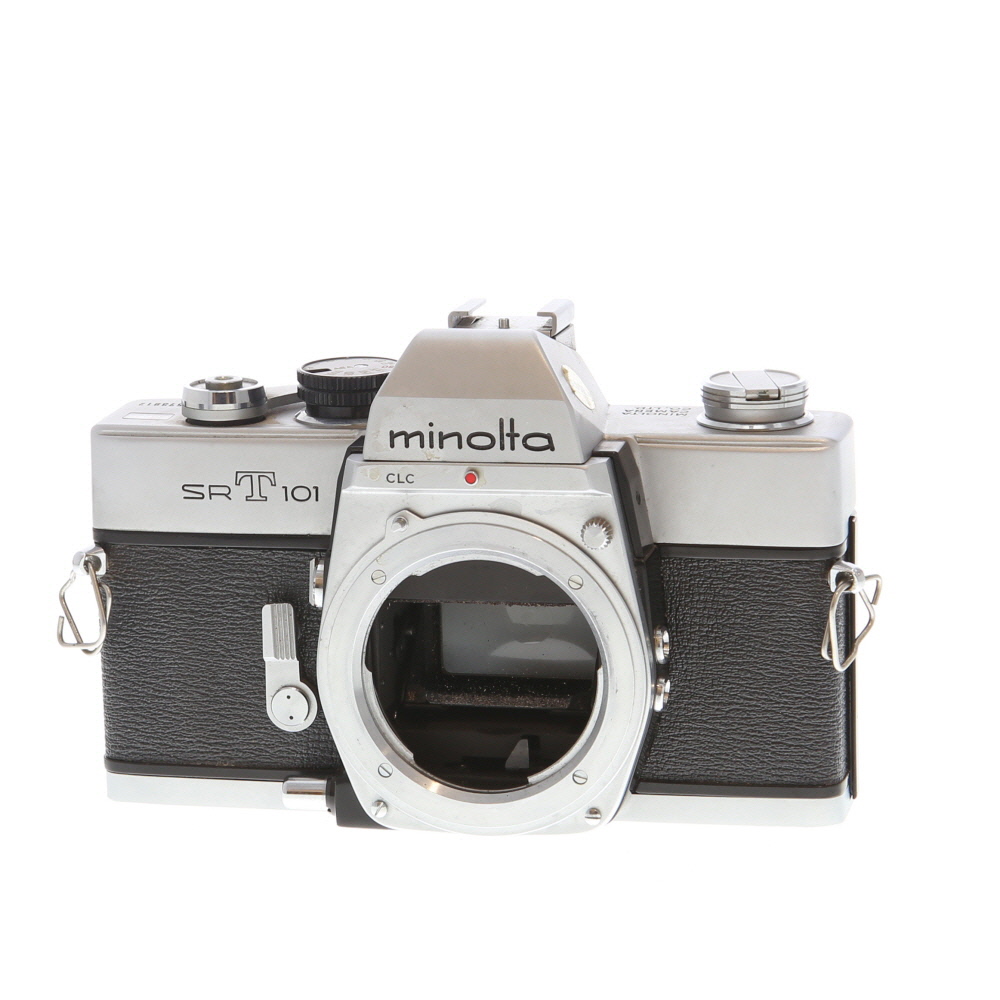

The story begins with the development of the first digital camera by Kodak engineer Steven Sasson in 1975. This marked the beginning of the digital photography era, setting the stage for further advancements in the field.
The history of the digital single-lens reflex camera
The first digital single-lens reflex (DSLR) camera was invented by Eastman Kodak engineer, Steven Sasson, in 1975.
Sasson’s prototype camera used a charge-coupled device (CCD) image sensor to capture and store digital images on a cassette tape. The resolution was a mere 0.01 megapixels, but it marked the beginning of the digital photography revolution.
In 1986, Canon introduced the first commercial DSLR, the Canon RC-701. It featured a 2-megapixel CCD sensor and was targeted at professionals.
Since then, major camera manufacturers such as Nikon, Sony, and Pentax have developed their own DSLR models, each pushing the boundaries of image quality, speed, and functionality.

Today, DSLR cameras are widely used by amateur and professional photographers alike, offering superior image quality, interchangeable lenses, and advanced features that have revolutionized the world of photography.
The early origins
The roots of the digital single-lens reflex camera can be traced back to the 19th century when the first photographic experiments were conducted. The concept of using a single lens and a mirror to reflect light into the viewfinder for framing dates back to the early days of photography.
However, it was not until the late 20th century that the digital technology revolutionized the traditional single-lens reflex camera, leading to the development of the digital single-lens reflex camera as we know it today.
The first digital camera
The first digital camera was invented by Steven Sasson at Eastman Kodak in 1975. It weighed around 8 pounds and was the size of a toaster. The camera used a CCD image sensor and recorded black and white images onto a cassette tape. It had a resolution of 0.01 megapixels and took 23 seconds to capture an image. Despite its limitations, this invention laid the foundation for the digital photography revolution that followed.
The Evolution of DSLR Technology
The digital single-lens reflex (DSLR) camera has undergone significant advancements since its invention in the early 1990s. Initially developed as a digital version of traditional SLR cameras, DSLRs revolutionized the photography industry by offering improved image quality, faster shooting speeds, and greater control over settings.
Introduction of CMOS Sensors
One of the key milestones in DSLR technology was the introduction of CMOS sensors, which replaced the earlier CCD sensors. CMOS sensors provided better image quality, reduced power consumption, and enabled higher ISO settings, allowing photographers to capture better images in low-light conditions.
Integration of Video Recording
Another significant evolution in DSLR technology was the integration of video recording capabilities. This allowed photographers to capture high-quality videos in addition to still images, making DSLRs versatile tools for both photographers and videographers.
Overall, the evolution of DSLR technology has led to the development of advanced cameras with enhanced features and capabilities, making them indispensable tools for professionals and enthusiasts alike.
The role of Nikon and Canon
Two of the biggest players in the digital single-lens reflex camera industry are Nikon and Canon. These two companies have been at the forefront of camera technology for decades and have played a significant role in the development of DSLR cameras.
Nikon
Nikon has a long history of producing high-quality cameras, and they were one of the first companies to introduce DSLR technology to the market. The Nikon D1, released in 1999, was one of the first professional digital SLR cameras and helped to establish Nikon as a leader in the industry.

Since then, Nikon has continued to innovate and release new DSLR models, each one pushing the boundaries of what is possible with digital photography. Nikon’s cameras are known for their excellent image quality, advanced features, and durability, making them a top choice for professional photographers around the world.
Canon
Canon is another major player in the DSLR market and has a strong reputation for producing high-quality cameras. Canon’s EOS line of DSLR cameras has been incredibly popular among photographers of all levels, from beginners to professionals.
Canon has also been a pioneer in the development of DSLR technology, with groundbreaking cameras like the Canon EOS 5D Mark II, which was one of the first DSLRs to offer full HD video recording. Canon’s cameras are known for their excellent performance, user-friendly design, and wide range of lenses and accessories.
The Rise of Mirrorless Cameras
Mirrorless cameras have been gaining popularity in recent years as a viable alternative to traditional digital single-lens reflex (DSLR) cameras. One of the key features of mirrorless cameras is their compact size and lightweight design, making them ideal for photographers on the go.
Unlike DSLR cameras, mirrorless cameras do not have a mirror mechanism inside the camera body. This allows for a simpler and more streamlined design, resulting in a smaller and lighter camera. Additionally, mirrorless cameras often feature electronic viewfinders, providing photographers with a real-time preview of their shot.
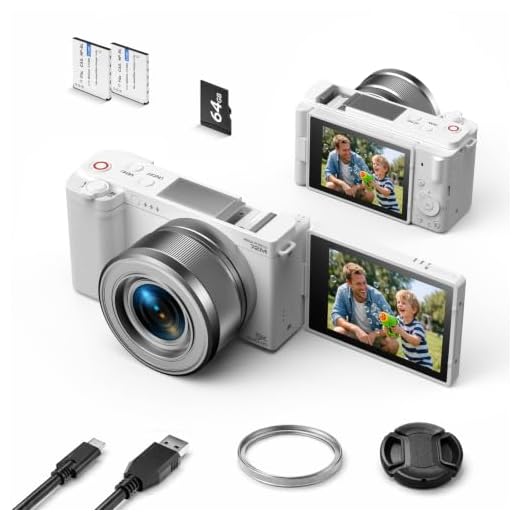
Another advantage of mirrorless cameras is their silent shooting mode, which can be beneficial in situations where noise may be disruptive. With advancements in technology, mirrorless cameras now offer comparable image quality and performance to DSLR cameras, making them a popular choice among photography enthusiasts.
As the demand for mirrorless cameras continues to grow, manufacturers are investing more resources into developing new models with innovative features. With their compact size, advanced technology, and high-quality images, mirrorless cameras are poised to become the future of photography.
The impact on photography industry
The invention of the digital single-lens reflex (DSLR) camera revolutionized the photography industry in numerous ways. One of the most significant impacts was the shift from film to digital photography, making the process faster, more convenient, and cost-effective. Photographers no longer had to wait to develop film to see their images, allowing for instant review and editing.
Improved image quality: DSLR cameras offered higher resolution and better image quality compared to film cameras, leading to sharper and more detailed photographs. This improvement in image quality opened up new possibilities for photographers and expanded the creative potential of the medium.
Enhanced workflow: Digital photography streamlined the workflow for photographers, allowing for easier organization, storage, and manipulation of images. Editing software made it possible to enhance images, correct mistakes, and experiment with different effects without the need for a darkroom.

The Future of DSLR Cameras
DSLR cameras have been a staple in the photography industry for many years, offering high-quality images and versatility to photographers of all levels. However, with advancements in technology and the rise of mirrorless cameras, the future of DSLRs is uncertain.
One potential direction for DSLR cameras is improved connectivity and integration with other devices. This could include easier sharing of images, remote control options, and seamless integration with editing software.
Another possibility is the development of new sensor technology and image processing capabilities to enhance image quality and performance. This could mean higher resolution sensors, improved low-light performance, and faster autofocus systems.
Ultimately, the future of DSLR cameras will depend on how manufacturers adapt to the changing landscape of the photography industry and meet the demands of modern photographers. Whether DSLRs continue to evolve and thrive or are eventually replaced by mirrorless technology remains to be seen.
The Legacy of DSLR Innovation
Since its invention in the early 2000s, the digital single-lens reflex (DSLR) camera has revolutionized the world of photography. The innovative technology behind DSLRs has paved the way for high-quality, professional-grade images to be captured with ease. Photographers and enthusiasts alike have embraced the versatility and power of DSLRs, making them a staple in the industry.

One of the key aspects of DSLR innovation is the use of a single lens and a reflex mirror system, which allows photographers to see exactly what the camera sees through the optical viewfinder. This feature provides a level of precision and control that was previously unattainable with film cameras.
Furthermore, the digital aspect of DSLRs has enabled photographers to instantly review and edit their images, leading to a more efficient and creative workflow. The ability to adjust settings, such as ISO, aperture, and shutter speed, on the fly has made DSLRs a favorite tool for professionals looking to capture the perfect shot.
As technology continues to advance, the legacy of DSLR innovation remains strong. While mirrorless cameras have gained popularity in recent years, DSLRs continue to be a reliable and trusted choice for photographers around the world. The legacy of DSLR innovation lives on, shaping the future of photography for generations to come.
FAQ
Who is credited with inventing the digital single-lens reflex camera?
The digital single-lens reflex camera, commonly known as DSLR, was not invented by a single individual. It is the result of the collective efforts of various companies and engineers who worked on developing the technology.
What are some of the key milestones in the history of the digital single-lens reflex camera?
Some key milestones in the history of the DSLR include the introduction of first digital slr camera">the first digital SLR camera by Kodak in 1991, the release of the Canon EOS DCS1 in 1995, and the popularization of DSLRs in the early 2000s with models like the Nikon D1 and Canon EOS-1D.

How did the digital single-lens reflex camera revolutionize photography?
The DSLR revolutionized photography by offering photographers the ability to preview images in real-time through the camera’s viewfinder or LCD screen, allowing for more precise composition and exposure adjustments. Additionally, the digital format of DSLRs made image processing and sharing much more efficient compared to traditional film cameras.
What were some of the challenges faced during the development of the digital single-lens reflex camera?
Some challenges faced during the development of DSLRs included achieving high image quality with digital sensors, improving battery life for power-hungry digital components, and overcoming the initial resistance to digital technology in the photography industry.
How has the digital single-lens reflex camera evolved since its inception?
Since its inception, DSLRs have evolved to include advanced features such as high-resolution sensors, fast autofocus systems, improved low-light performance, and wireless connectivity for image transfer. Additionally, the rise of mirrorless cameras has offered photographers new options for high-quality digital photography.


