
 Carmen J. Moore

The invention of the digital camera revolutionized the way we capture and share moments in our lives. But who was the mastermind behind this groundbreaking technology?

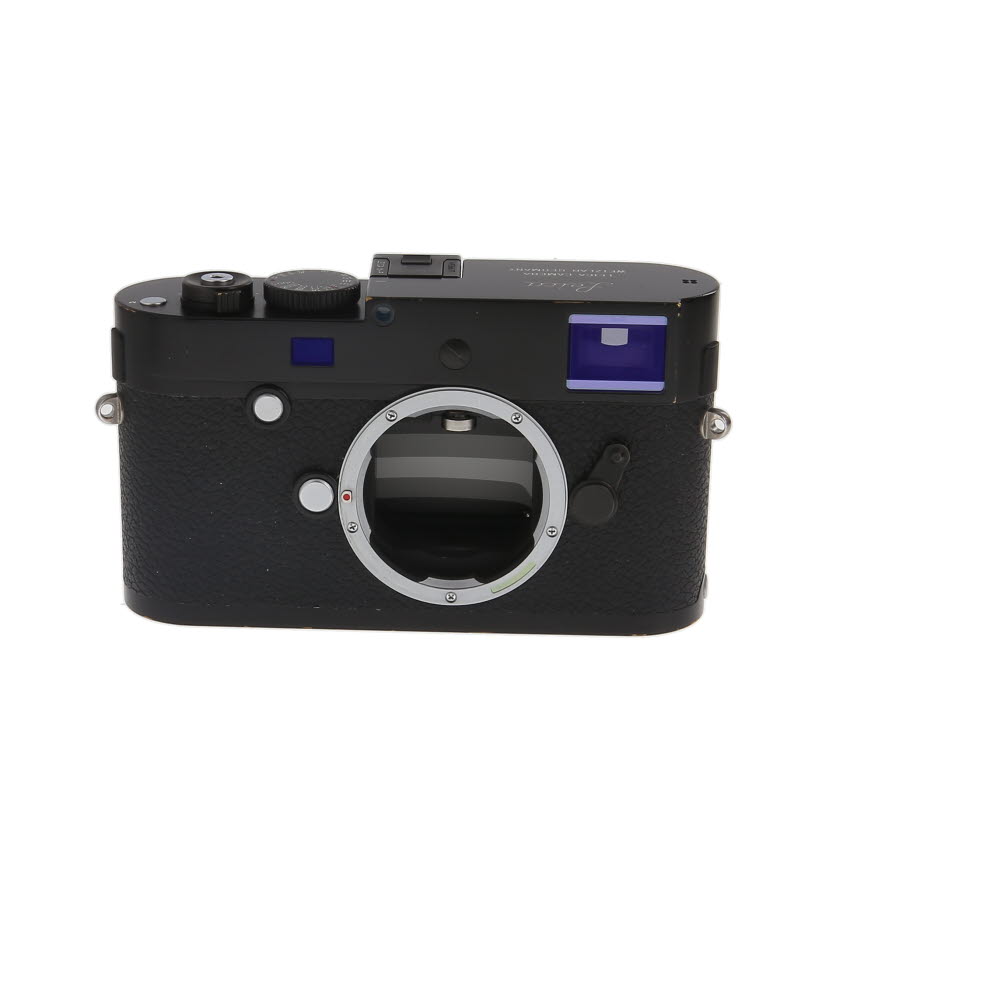


Steven Sasson, an engineer at Eastman Kodak, is credited with inventing the first digital camera in 1975. This device weighed about 8 pounds and captured black-and-white images at a resolution of 0.01 megapixels. Despite its limitations, this prototype laid the foundation for the digital cameras we use today.
Over the years, advancements in digital imaging technology have made cameras smaller, more affordable, and capable of capturing high-quality images and videos. Today, digital cameras are ubiquitous, found in smartphones, point-and-shoot cameras, and professional DSLRs.
History of Digital Camera Invention
The history of the digital camera dates back to the 1970s when the first digital camera prototype was developed by engineer Steven Sasson at Eastman Kodak. In 1975, Sasson created a device that captured black-and-white images using a CCD (charge-coupled device) image sensor and stored them on a cassette tape. This pioneering invention laid the foundation for the digital cameras we know today.
Throughout the 1980s and 1990s, digital camera technology continued to evolve, with companies like Sony, Canon, and Nikon introducing consumer-friendly digital cameras. These early models were bulky and had limited resolution, but they marked a significant shift from film photography to digital imaging.
In 1991, Kodak released the first commercially available digital camera, the Kodak DCS (Digital Camera System), which was aimed at professional photographers. As technology improved, digital cameras became more compact, affordable, and capable of capturing high-quality images.
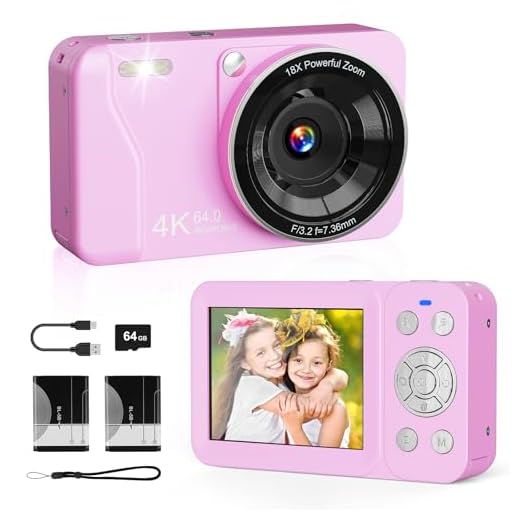
Today, digital cameras are ubiquitous, with smartphone cameras leading the way in terms of popularity and convenience. The invention of the digital camera revolutionized the way we capture and share moments, making photography more accessible to everyone.
Important Facts about Digital Camera
1. Invention: The digital camera was invented by electrical engineer Steven Sasson at Eastman Kodak in 1975.
2. First Prototype: The first digital camera weighed about 8 pounds and captured black-and-white images with a resolution of 0.01 megapixels.
3. Evolution: Digital cameras have evolved significantly over the years, with improvements in resolution, features, and portability.
4. Popularization: The popularity of digital cameras soared in the early 2000s, leading to the decline of film cameras.
5. Advantages: Digital cameras offer instant image preview, easy storage, and the ability to edit photos digitally.
6. Types: There are various types of digital cameras, including compact point-and-shoot, DSLR, and mirrorless cameras.
7. Megapixels: The resolution of digital cameras is often measured in megapixels, representing the number of individual pixels in an image.
8. Connectivity: Modern digital cameras often come with built-in Wi-Fi or Bluetooth for easy sharing of photos.
9. Innovation: Ongoing innovations in digital camera technology continue to enhance the photography experience for users.

Evolution of Digital Camera Technology
Since the invention of the first digital camera in 1975 by Steven Sasson, digital camera technology has undergone significant advancements and improvements. Initially, digital cameras were bulky and had low resolutions, but over the years, they have evolved to become compact, lightweight, and capable of capturing high-quality images.
Introduction of CCD Sensors
One of the key milestones in the evolution of digital cameras was the introduction of Charge-Coupled Device (CCD) sensors in the late 1980s. CCD sensors revolutionized digital photography by allowing cameras to capture images with greater detail and clarity.
Development of Compact and Mirrorless Cameras
In the early 2000s, camera manufacturers started producing compact digital cameras that were portable and easy to use. Later, mirrorless cameras were introduced, offering DSLR-like performance in a smaller form factor. These advancements made digital photography more accessible to a wider audience.
Key Innovations in Digital Camera Development
The invention of the digital camera has revolutionized the way we capture and share images. Here are some key innovations that have shaped the development of digital cameras:
CCD Sensor Technology
One of the most significant innovations in digital camera development was the introduction of Charge-Coupled Device (CCD) sensor technology. This technology allowed digital cameras to capture images electronically, replacing traditional film-based cameras.

Image Processing Algorithms
Another important innovation in digital camera development was the advancement of image processing algorithms. These algorithms help improve the quality of digital images by enhancing colors, reducing noise, and correcting imperfections.
| Key Innovation | Description |
|---|---|
| Compact Size | Advancements in miniaturization technology have allowed digital cameras to become smaller and more portable, making them convenient for everyday use. |
| Wireless Connectivity | Integration of wireless connectivity features in digital cameras has enabled users to instantly share photos and videos with others through social media platforms. |
| High-Resolution Sensors | Development of high-resolution sensors has improved the clarity and detail of digital images, making them suitable for professional photography. |
Impact of Digital Camera on Photography
The invention of the digital camera has revolutionized the field of photography in numerous ways. Here are some key impacts:
1. Accessibility
Digital cameras have made photography more accessible to a wider audience. With the ability to instantly view and delete photos, people can experiment and learn without the cost and time constraints of film processing.
2. Creativity
Digital cameras have opened up new possibilities for creative expression. Features like instant editing, filters, and special effects allow photographers to push the boundaries of traditional photography and explore new artistic avenues.
Overall, the digital camera has democratized photography, making it more inclusive and empowering photographers to capture, share, and create in ways never before possible.
Future Trends in Digital Camera Industry
The digital camera industry is constantly evolving, and there are several key trends that are shaping its future.
1. Advancements in Sensor Technology
One of the most significant trends in the digital camera industry is the continuous advancements in sensor technology. Manufacturers are constantly improving sensor performance, allowing for higher resolution, better low-light performance, and improved dynamic range.
2. Connectivity and Integration
Another important trend is the increasing connectivity and integration of digital cameras with other devices and platforms. Wi-Fi and Bluetooth capabilities are becoming standard features, allowing users to easily share and transfer images to smartphones, tablets, and computers.
Additionally, cameras are being integrated with social media platforms, making it easier for users to upload and share their photos online.
These trends are just a few examples of how the digital camera industry is evolving to meet the demands of consumers in an increasingly connected world.

FAQ
Who is credited with inventing the first digital camera?
Steven Sasson, an engineer at Eastman Kodak, is credited with inventing the first digital camera in 1975.
What were some key features of the first digital camera?
The first digital camera invented by Steven Sasson in 1975 had a resolution of 0.01 megapixels, used a CCD image sensor, and recorded black and white images onto a cassette tape.
How did the invention of the digital camera revolutionize photography?
The invention of the digital camera revolutionized photography by eliminating the need for film, allowing instant image preview and deletion, enabling easy image storage and sharing, and ultimately transforming the way people capture and share memories.


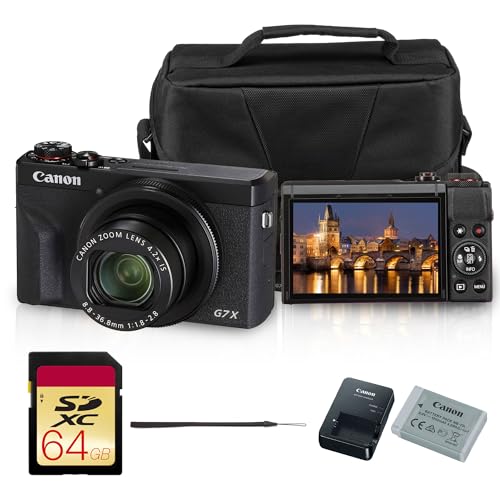
Was the first digital camera really that heavy? I’m surprised it weighed 8 pounds!
Yes, the first digital camera invented by Steven Sasson was quite heavy at around 8 pounds, mainly due to the technology used at that time.
I remember using one of those early digital cameras in the 90s. It was such a hassle to wait for the images to load on the screen!