
 Carmen J. Moore

The transition from traditional film cameras to digital cameras in the film industry marked a significant turning point in the history of cinematography. While the use of digital technology in filmmaking is now ubiquitous, the adoption of digital cameras in the industry was a gradual process that took place over several decades.

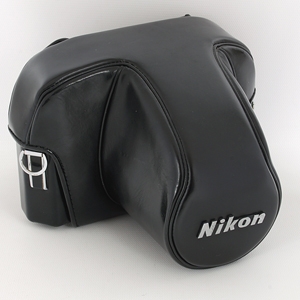
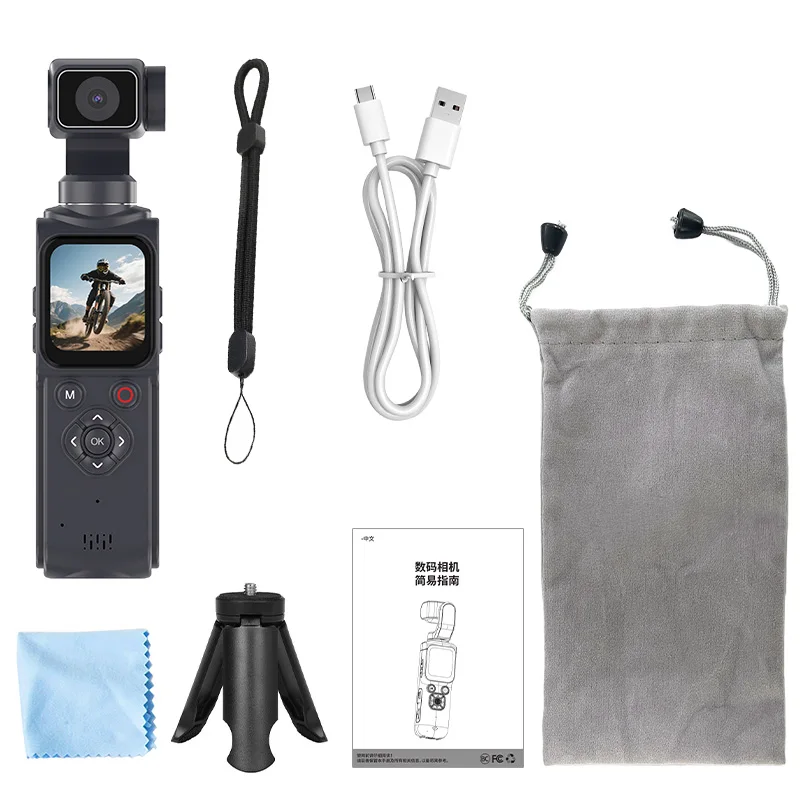

The first feature film to be entirely shot with digital cameras was “The Celebration,” directed by Thomas Vinterberg in 1998. This groundbreaking film paved the way for other filmmakers to explore the possibilities of digital cinematography.
Since then, advancements in digital camera technology have revolutionized the way films are made, offering filmmakers greater flexibility, efficiency, and creative control over the filmmaking process. The use of digital cameras has also democratized the filmmaking industry, making it more accessible to independent filmmakers and allowing for a wider range of voices and stories to be told on screen.
Early experiments with digital technology
In the early 1980s, filmmakers and cinematographers started experimenting with digital technology in the film industry. One notable example is the film “The Abyss” directed by James Cameron in 1989, which used groundbreaking digital effects for the time. However, it wasn’t until the late 1990s that digital cameras started to be used more widely in filmmaking.
During this period, digital cameras were mainly used for special effects and CGI sequences rather than as the primary tool for capturing live-action footage. Filmmakers like George Lucas with the “Star Wars” prequels and the Wachowskis with “The Matrix” trilogy helped push the boundaries of digital filmmaking and popularize the use of digital cameras in the industry.
Advantages of Digital Cameras over Traditional Film Cameras
Digital cameras have revolutionized the world of photography with their numerous advantages over traditional film cameras. Here are some key benefits:

Instant Preview
One of the biggest advantages of digital cameras is the ability to instantly preview the photos you have taken. This allows photographers to review and retake shots if necessary, ensuring that they capture the perfect image.
Cost-Effective
While the initial cost of a digital camera may be higher than a traditional film camera, the long-term cost savings are significant. Digital cameras eliminate the need for film and development costs, making them a more cost-effective option in the long run.
Transition to Digital Filmmaking
The transition to digital filmmaking began in the late 1990s with the advancement of digital camera technology. Filmmakers started experimenting with digital cameras as early as the mid-1990s, but it wasn’t until the early 2000s that digital filmmaking truly took off.
Advantages of Digital Filmmaking
- Cost-effective: Digital cameras eliminated the need for expensive film stock and processing, making filmmaking more affordable.
- Instant playback: With digital cameras, filmmakers could instantly review footage, allowing for faster feedback and adjustments.
- Flexibility: Digital cameras offered more options for manipulating and editing footage in post-production.
As digital technology continued to improve, more and more filmmakers embraced digital filmmaking for its convenience and versatility. Today, the majority of films are shot using digital cameras, marking a significant shift in the industry.
Impact of Digital Cameras on Film Industry
Digital cameras have had a profound impact on the film industry since their introduction. The shift from traditional film cameras to digital cameras has revolutionized the way movies are made, distributed, and consumed.
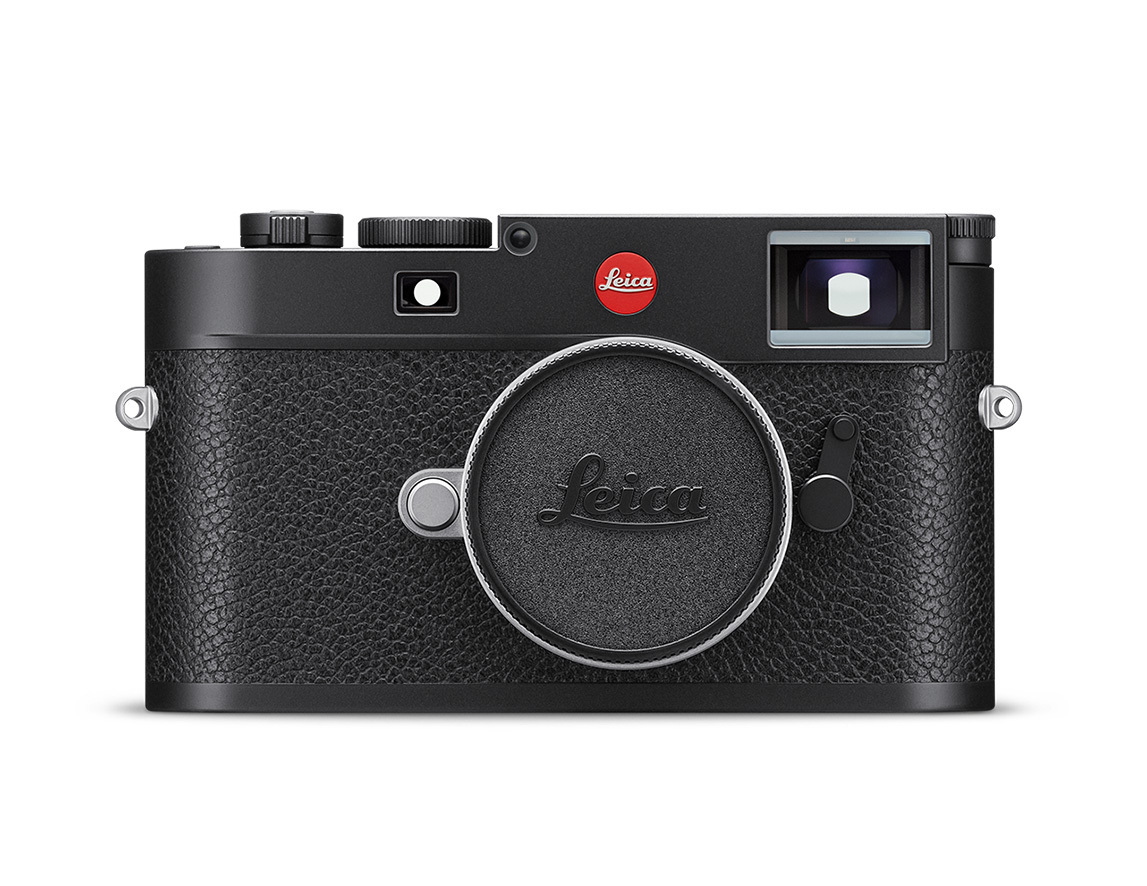
Advantages of Digital Cameras:
1. Cost-effective: Digital cameras eliminate the need for expensive film stock and processing, making filmmaking more affordable.
2. Instant feedback: Filmmakers can review footage immediately, allowing for quicker adjustments and improved efficiency.
Challenges of Digital Cameras:
1. Quality concerns: Some filmmakers argue that digital cameras do not capture the richness and depth of traditional film.
2. Security risks: Digital footage is susceptible to hacking and piracy, posing a threat to intellectual property.
| Aspect | Impact |
|---|---|
| Production | Increased efficiency and flexibility in shooting schedules. |
| Distribution | Digital distribution platforms have transformed the way films reach audiences. |
| Consumption | Viewers can access films anytime, anywhere through streaming services. |
Evolution of Digital Cinematography
Since then, digital cameras have become more widely used in filmmaking due to their flexibility, cost-effectiveness, and ability to capture high-quality images. Directors and cinematographers can now achieve stunning visual effects and manipulate footage in ways that were not possible with traditional film cameras.
The introduction of digital cameras revolutionized the filmmaking process, allowing filmmakers to experiment with new techniques and push the boundaries of visual storytelling. Today, many blockbuster films are shot using digital cameras, showcasing the ongoing evolution of digital cinematography in the industry.
Technological advancements in digital filmmaking
Over the years, digital filmmaking has seen significant technological advancements that have revolutionized the way films are made. One of the key advancements is the use of digital cameras, which have replaced traditional film cameras in many aspects of filmmaking.
With the introduction of digital cameras, filmmakers gained more flexibility and creative freedom in capturing scenes. Digital cameras allow for instant playback, easy editing, and the ability to shoot in various lighting conditions without the need to change film stock.
Furthermore, digital cameras have made filmmaking more accessible to a wider range of filmmakers, as they are more cost-effective and easier to use than traditional film cameras. This has led to an increase in independent filmmaking and a more diverse range of films being produced.
Overall, the technological advancements in digital filmmaking, particularly the use of digital cameras, have transformed the industry and opened up new possibilities for filmmakers to tell their stories in innovative ways.

Future of digital cameras in filmmaking
As digital cameras continue to evolve and improve, the future of filmmaking is becoming increasingly digital. With advancements in technology, digital cameras are able to capture high-quality images and videos that rival traditional film cameras. This has led to a shift in the industry, with many filmmakers opting to use digital cameras for their projects.
One of the key advantages of digital cameras in filmmaking is their versatility. Digital cameras are often smaller and more lightweight than traditional film cameras, making them easier to handle and maneuver on set. Additionally, digital cameras offer filmmakers the ability to quickly review footage, make adjustments, and experiment with different shots, allowing for more creative freedom during the filming process.
Furthermore, digital cameras are more cost-effective in the long run, as they eliminate the need for expensive film stock and processing. Filmmakers can also save time and money by editing footage digitally, rather than cutting and splicing physical film reels.
Overall, the future of digital cameras in filmmaking looks promising, with continued advancements in technology leading to even greater capabilities and possibilities for filmmakers.
FAQ
When did filmmakers start using digital cameras?
Filmmakers started using digital cameras in the late 1990s. One of the first feature films shot entirely on digital was “Star Wars: Episode II – Attack of the Clones” in 2002.
How has the use of digital cameras in filmmaking evolved over the years?
The use of digital cameras in filmmaking has evolved significantly over the years. Initially, digital cameras were seen as inferior to traditional film cameras, but advancements in technology have made digital cameras a popular choice for many filmmakers due to their versatility, cost-effectiveness, and ease of use.




I disagree with the notion that digital cameras always surpass film. Some films still capture a depth that digital can't match. It really depends on the artistic intent.
As an independent filmmaker, I can say that digital cameras have changed the game for us. I used to rely on film, which was so expensive and limiting. Now, I can shoot, review, and edit quickly. It's amazing how accessible filmmaking has become!
What were some of the first movies shot in digital that really used the technology to its fullest? I'm curious about the pioneers.
Good question! I think 'The Celebration' and 'Star Wars: Episode II' are great examples. They really showcased what digital could do back then.