
 Carmen J. Moore

When did digital cameras first come out? This question has intrigued photography enthusiasts and tech aficionados for decades. The advent of digital cameras revolutionized the way we capture and store memories, but many are unaware of the humble beginnings of this groundbreaking technology.
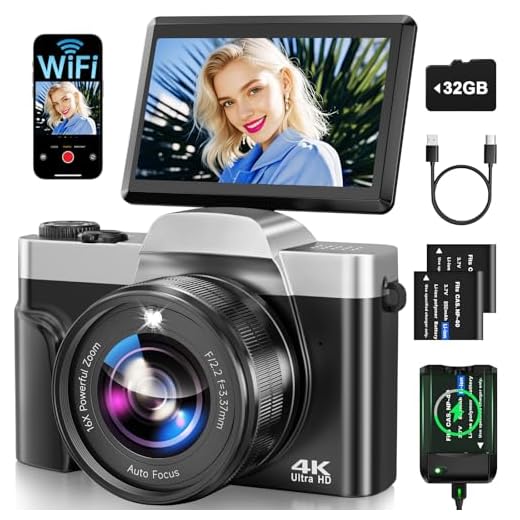
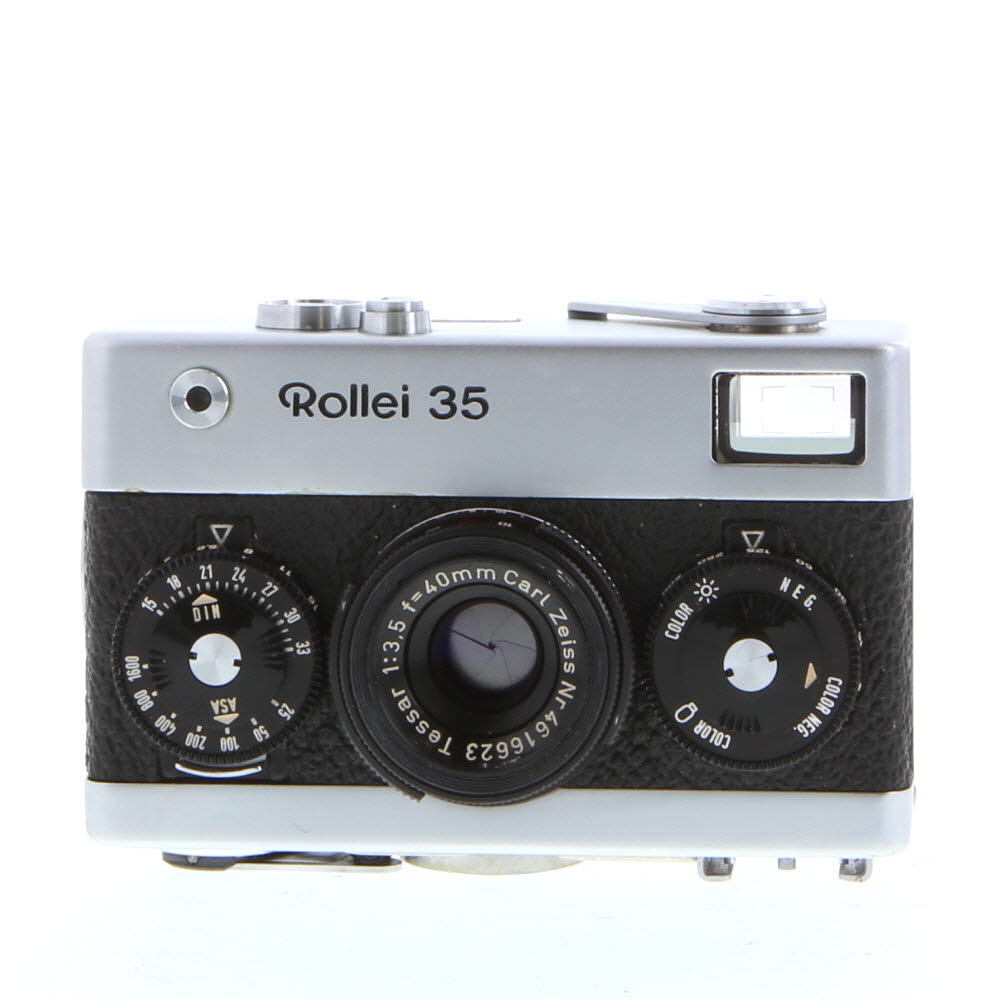


In the late 20th century, the first digital cameras emerged as a novel alternative to traditional film cameras. The year 1988 marked a significant milestone with the release of the first commercial digital camera, the Fuji DS-1P, which boasted a resolution of a mere 0.3 megapixels.
However, it wasn’t until the mid-1990s that digital cameras gained widespread popularity and became more affordable for consumers. With advancements in technology, digital cameras evolved rapidly, offering higher resolutions, improved features, and greater convenience for users.
History of the Digital Camera
The first digital camera was invented by Steven Sasson, an engineer at Eastman Kodak, in 1975. This early digital camera weighed about 8 pounds and had a resolution of 0.01 megapixels. It captured black and white images onto a cassette tape and took about 23 seconds to record a single image.
Over the years, digital camera technology rapidly advanced, with the first consumer digital camera, the Fuji DS-1P, released in 1988. This camera had a resolution of 0.3 megapixels and was able to store up to 16 images on a removable storage card.
Since then, digital cameras have become increasingly popular and affordable, with resolutions reaching tens of megapixels and features such as autofocus, image stabilization, and wireless connectivity. Today, digital cameras are ubiquitous, and most smartphones also have powerful built-in cameras that have revolutionized the way we capture and share images.

First Concept of Digital Camera
In 1975, an engineer named Steven Sasson working for Eastman Kodak invented the first digital camera. This early prototype was a far cry from the compact, high-resolution cameras we have today. The camera weighed 8 pounds and had a resolution of 0.01 megapixels. It captured black and white images onto a cassette tape. Despite its limitations, this invention laid the foundation for the digital cameras we use today.
Invention of the First Digital Camera
The first digital camera was invented by Steven Sasson, an engineer at Eastman Kodak, in 1975. This groundbreaking invention marked a significant milestone in the history of photography. The first digital camera was a bulky device that weighed almost 8 pounds and had a resolution of 0.01 megapixels.
Unlike traditional film cameras, which used photographic film to capture images, the first digital camera used a charged-coupled device (CCD) to convert light into digital signals. This allowed images to be stored electronically, revolutionizing the way photos were captured and stored.
Although the first digital camera was not commercially available, it laid the foundation for future innovations in digital imaging technology. Today, digital cameras are ubiquitous, and the technology continues to evolve, offering users more advanced features and capabilities.
Commercial Availability of Digital Cameras
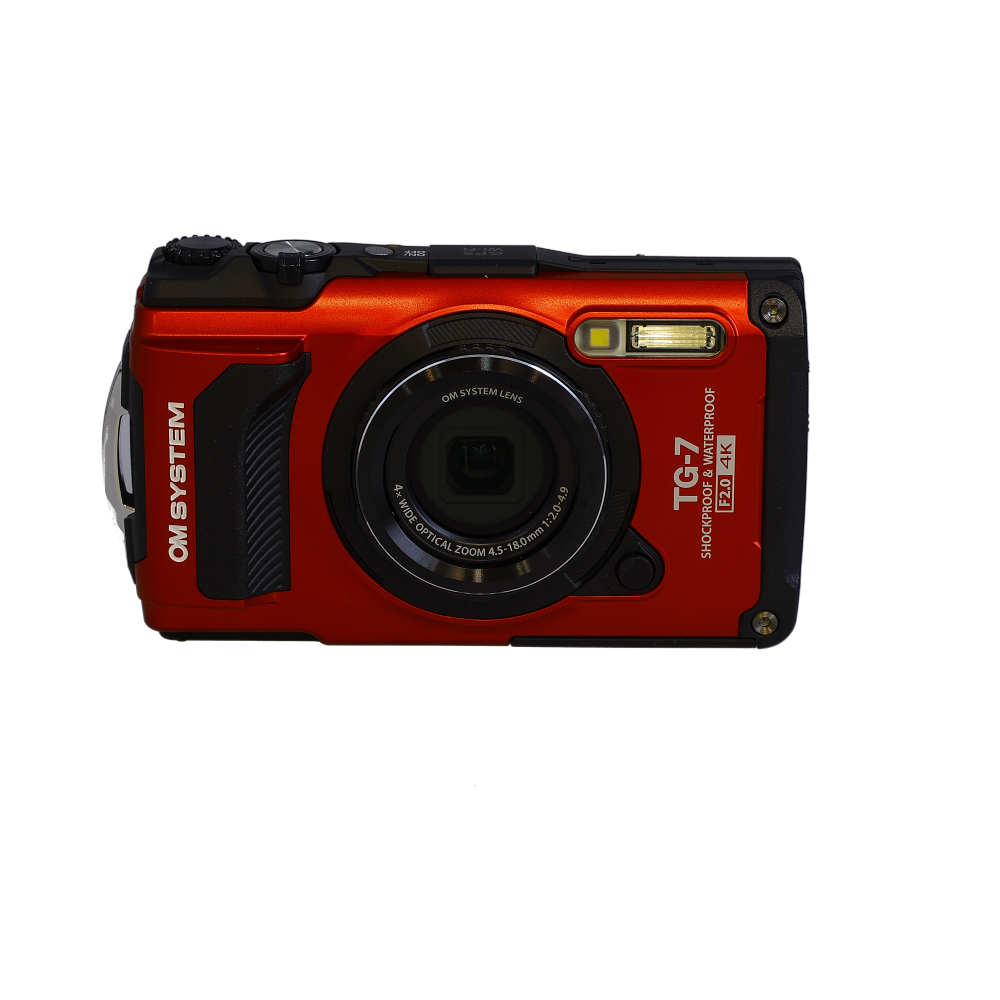
After the initial development of digital cameras in the 1970s and 1980s, the first commercially available digital camera was the Dycam Model 1, released in 1990. This camera used a CCD image sensor to capture digital images, which could then be transferred to a computer for viewing and editing.
The Rise of Consumer Digital Cameras
In the mid-1990s, digital cameras began to gain popularity among consumers as the technology improved and prices became more affordable. Companies like Sony, Canon, and Kodak released a range of digital cameras aimed at the consumer market, leading to a rapid increase in sales and adoption.
Advancements in Digital Camera Technology
Since the introduction of the first digital camera, there have been significant advancements in technology, leading to higher resolution sensors, faster processors, and more advanced features. Today, digital cameras are capable of capturing high-quality images and videos, making them an essential tool for photographers of all levels.
Evolution of Digital Camera Technology
Since the first digital camera was introduced in the late 1980s, the technology has evolved significantly over the years. Early digital cameras had low resolutions and limited storage capacity, but advancements in sensor technology and image processing have led to higher quality images and faster processing speeds.
One of the key milestones in the evolution of digital cameras was the introduction of the first consumer-friendly digital camera by Kodak in 1991. This camera, the Kodak DCS-100, featured a 1.3-megapixel sensor and was aimed at professional photographers.
As technology continued to advance, digital cameras became more compact, affordable, and user-friendly. The introduction of digital SLR cameras revolutionized the photography industry, offering professional-grade features in a compact and portable design.

Today, digital cameras come in a variety of shapes and sizes, from compact point-and-shoot cameras to high-end professional DSLRs. Advances in sensor technology, image stabilization, and connectivity have made digital cameras an essential tool for photographers of all levels.
Impact of Digital Cameras on Photography
Digital cameras have revolutionized the world of photography since they first came out. Here are some of the key impacts:
| Instant Feedback | Digital cameras allow photographers to instantly review their images and make adjustments, leading to improved quality and creativity. |
| Cost-Efficiency | With digital cameras, there is no need for film or printing costs, making photography more accessible to a wider audience. |
| Editing and Manipulation | Digital images can be easily edited and manipulated using software, giving photographers more creative control over their work. |
| Sharing and Distribution | Digital cameras make it easy to share photos online and distribute them digitally, reaching a larger audience quickly. |
| Technological Advancements | The development of digital cameras has led to advancements in sensor technology, image quality, and features, pushing the boundaries of photography. |
FAQ
When was the first digital camera invented?
The first digital camera was invented in 1975 by Steven Sasson, an engineer at Eastman Kodak. It weighed about 8 pounds and had a resolution of 0.01 megapixels.
What year did the first digital camera become commercially available?
The first commercially available digital camera was the Dycam Model 1, which was released in 1990. It had a resolution of 0.3 megapixels and cost around $600.
How did the quality of digital cameras change over the years?
Over the years, digital cameras have seen significant improvements in terms of resolution, image quality, size, and functionality. Modern digital cameras can have resolutions of over 50 megapixels and offer a wide range of features such as image stabilization, 4K video recording, and wireless connectivity.

What impact did the invention of digital cameras have on photography?
The invention of digital cameras revolutionized the world of photography. It made photography more accessible to the general public, as it eliminated the need for film and allowed for instant viewing and sharing of photos. It also opened up new creative possibilities for photographers, as digital images could be easily edited and manipulated using software.


