
 Carmen J. Moore

When it comes to capturing stunning night shots with your digital camera, the right settings can make all the difference. Whether you’re shooting cityscapes, star trails, or light painting, understanding how to adjust your camera’s settings for low-light conditions is essential.
With the right combination of ISO, aperture, and shutter speed, you can achieve clear, detailed night shots that truly stand out. In this article, we’ll explore the key settings you need to consider when shooting in low-light environments.
From choosing the optimal ISO setting to adjusting your aperture for the perfect depth of field, we’ll walk you through the process of setting up your digital camera for night photography. By mastering these settings, you’ll be able to capture stunning images that showcase the beauty of the night sky.
Setting up your digital camera for night photography
When shooting night photography, it’s essential to adjust your camera settings to capture the best possible images in low-light conditions. Here are some tips to help you set up your digital camera for night shots:



1. Use a tripod: Stability is crucial in night photography to prevent camera shake. A tripod will help you keep your camera steady for long exposures.
2. Set a low ISO: To reduce noise in your night shots, set your camera’s ISO to the lowest possible setting. This will result in cleaner images.
3. Use a wide aperture: A wide aperture (low f-stop number) allows more light to enter the camera, making it easier to capture details in low-light situations.
4. Adjust the shutter speed: In night photography, you’ll likely need to use longer shutter speeds to let in more light. Experiment with different exposure times to achieve the desired effect.
5. Manually focus: In low-light conditions, your camera may struggle to autofocus. Switch to manual focus and use the camera’s live view mode or magnification to ensure your subject is sharp.
6. Consider shooting in RAW: Shooting in RAW format gives you more flexibility in post-processing to adjust exposure, white balance, and other settings without losing image quality.
By adjusting these settings on your digital camera, you’ll be better equipped to capture stunning night photography with clarity and detail.
Understand your camera settings
Before you start taking night shots with your digital camera, it’s important to understand the key settings that will affect the outcome of your photos. Here are some settings you should be familiar with:
1. ISO
The ISO setting on your camera determines how sensitive the sensor is to light. For night shots, you’ll typically want to use a higher ISO setting to capture more light in low-light conditions. Keep in mind that higher ISO settings can introduce more noise to your photos, so find a balance that works for the scene you’re shooting.
2. Shutter speed
Shutter speed controls how long the shutter stays open when you take a photo. For night shots, you’ll likely need to use a slower shutter speed to allow more light into the camera. Be aware that using a slow shutter speed can also introduce motion blur, so consider using a tripod to keep your camera steady during long exposures.

Choose the right shooting mode
When shooting night shots with your digital camera, it is important to select the appropriate shooting mode to ensure you capture clear and well-exposed images. Here are some common shooting modes you can consider:
1. Manual Mode: This mode gives you full control over settings such as aperture, shutter speed, and ISO. It is ideal for advanced photographers who want to fine-tune their exposure settings for night photography.
2. Shutter Priority Mode: In this mode, you can set the desired shutter speed while the camera adjusts the aperture automatically. It is useful for capturing motion blur or controlling the amount of light entering the camera.
3. Night Scene Mode: Some digital cameras have a dedicated night scene mode that automatically adjusts settings for low-light conditions. This mode can be handy for beginners or casual photographers looking for quick and easy night shots.
Experiment with different shooting modes to find the one that works best for your desired night photography results. Remember to adjust other settings like white balance and focus to enhance the quality of your night shots.
Adjust the ISO for low light conditions
ISO is a measure of the sensitivity of your camera’s sensor to light. In low light conditions, you will need to increase the ISO to capture more light and avoid blurry photos. However, increasing the ISO too much can result in grainy photos, so it’s important to find the right balance.
How to adjust the ISO:
1. Start by setting your camera to Aperture Priority mode or Manual mode.
2. Increase the ISO gradually until you achieve the desired exposure. Experiment with different ISO settings to find the optimal balance between brightness and image quality.
| Low Light Conditions | Recommended ISO settings |
|---|---|
| Dimly lit indoor settings | ISO 800-1600 |
| Nighttime outdoor shots | ISO 1600-3200 |
Select the appropriate white balance
When shooting night shots, it’s crucial to select the right white balance setting on your digital camera to ensure accurate color representation. Here are some common white balance presets and when to use them:
- Auto white balance: This setting is convenient for general night photography but may not always produce the most accurate colors.
- Incandescent or Tungsten: Use this setting when shooting under artificial lighting at night to counteract the warm tones.
- Fluorescent: Ideal for shooting under fluorescent lights at night to avoid color casts.
- Daylight or Sunny: If you’re shooting under moonlight or stars, this setting can help maintain natural colors.
Experiment with different white balance settings to find the one that works best for your night shots and don’t be afraid to adjust it based on the specific lighting conditions you encounter.

Use a tripod for stability
One of the most important factors for capturing sharp night shots is stability. Even the slightest movement can result in blurry images when shooting in low light conditions. Using a tripod is essential to keep your camera steady during long exposures. Make sure to set up your tripod on a stable surface and avoid any vibrations that could affect the sharpness of your photos.
Experiment with long exposure times
One of the key techniques for capturing stunning night shots is to experiment with long exposure times. By using a longer exposure, you can capture more light and create visually striking images of the night sky or cityscape.
Start by setting your camera to manual mode and adjusting the shutter speed to a few seconds or even minutes. This will allow more light to enter the camera and create beautiful light trails or star trails in your photos.
Keep in mind that using long exposure times may require a tripod to prevent camera shake. Additionally, you may need to adjust the ISO and aperture settings to achieve the desired exposure.
Review and adjust your settings for optimal results
Once you have set your camera to manual mode and adjusted your aperture and shutter speed, it’s important to review and fine-tune your settings for the best possible results. Here are a few key settings to consider:
ISO
Adjust your ISO setting to control the camera’s sensitivity to light. digital-cameras/best-digital-camera-settings-for-night-shots/" class="sa-auto-link" data-sa-rule="5825" title="for night shots">For night shots, you may need to increase the ISO to capture more light, but be cautious as higher ISO settings can introduce noise in your photos. Start with a moderate ISO setting and adjust as needed.
White Balance
Consider adjusting the white balance setting to ensure accurate color reproduction in your night shots. Different lighting conditions at night may require different white balance settings, so experiment with the presets or manually adjust the white balance to achieve the desired color temperature.
| Setting | Recommendation |
| ISO | Start with ISO 800-1600 for night shots |
| White Balance | Use presets like Tungsten or adjust manually for accurate colors |
| Exposure Compensation | Consider slight overexposure to brighten night scenes |
By reviewing and adjusting these settings, you can improve the quality of your night shots and capture stunning images even in low-light conditions.
FAQ



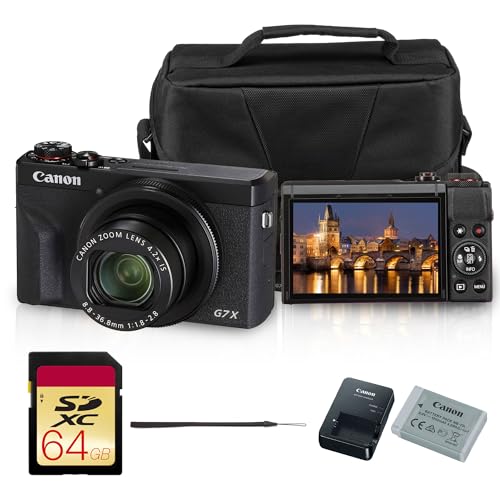
I tried using a wide aperture and slower shutter speed for some night shots last week. I used an f/2.8 aperture and a 15-second exposure on my DSLR, which gave me some great results. I did find that I still had to do some noise reduction in post-processing, though. Has anyone else had similar experiences or tips?
Don't forget to use a remote shutter or self-timer to avoid any camera shake when taking long exposures!