
 Carmen J. Moore

HDR (High Dynamic Range) is a photography technique that has gained popularity in recent years, especially with the rise of digital cameras and smartphones. HDR allows photographers to capture a greater range of luminosity levels in their images, resulting in more detail and contrast.
But what exactly is HDR and how does it work on digital cameras? In simple terms, HDR combines multiple exposures of the same scene to create a final image with a wider dynamic range than a single exposure could achieve. This process involves capturing several images at different exposure levels – one underexposed to capture highlights, one overexposed to capture shadows, and one properly exposed.
Once these images are captured, they are merged together using specialized software or camera algorithms to create a final image that retains detail in both the shadows and highlights. This results in a more realistic and visually appealing image that closely mimics what the human eye sees.
Understanding HDR Photography
High Dynamic Range (HDR) photography is a technique used to capture a wider range of luminosity levels in a single image. This allows for more details in both the shadows and highlights of a scene, resulting in a more balanced and realistic picture.
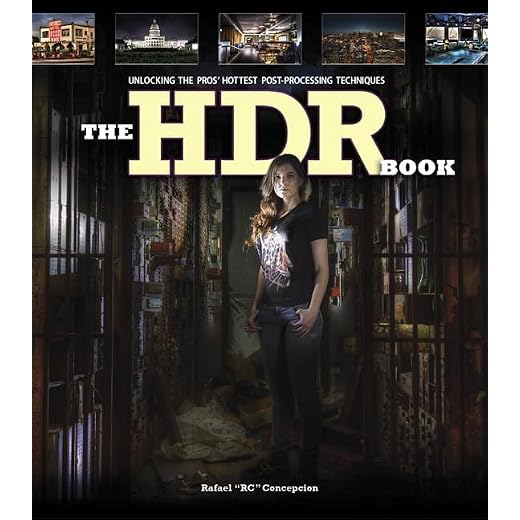


HDR photography involves taking multiple exposures of the same scene at different exposure levels and then combining them using specialized software. This process results in an image that showcases the full range of light in a scene, from the darkest shadows to the brightest highlights.
Advantages of HDR Photography:
1. Enhanced detail: HDR photography preserves details in both the shadows and highlights, resulting in a more visually appealing image.
2. Natural-looking results: By capturing a wider range of light, HDR photography can produce images that closely resemble what the human eye sees.
What is HDR?
HDR stands for High Dynamic Range. It is a technique used in photography to capture a wider range of light and dark areas in a single image. HDR combines multiple photos taken at different exposures to create a final image with enhanced detail and contrast. This results in a more realistic and vibrant photo that better represents what the human eye sees. HDR is commonly used in digital cameras and smartphones to improve the quality of images, especially in challenging lighting conditions.
How does HDR work?
HDR (High Dynamic Range) is a technique used in photography to capture a wider range of tones and colors than traditional photographs. It works by combining multiple images of the same scene, taken at different exposure levels, into a single image that retains detail in both the shadows and highlights.

When you take a series of photos with different exposure settings, the software in the camera or a post-processing program merges them together to create a final image with enhanced dynamic range. This allows for more detail in both bright and dark areas of the photo, resulting in a more balanced and realistic image.
HDR is particularly useful in high-contrast scenes where the difference between the brightest and darkest areas is significant. By blending multiple exposures, HDR can produce a stunning image that captures the scene as the human eye perceives it, with all the details and nuances intact.
Benefits of using HDR
There are several benefits to using HDR (High Dynamic Range) on digital cameras:
1. Enhanced detail and clarity
HDR allows you to capture a wider range of tones and colors in a single image, resulting in enhanced detail and clarity in both highlights and shadows. This can make your photos look more realistic and vibrant.
2. Better exposure in high-contrast scenes
HDR is particularly useful in high-contrast scenes where there is a significant difference between the brightest and darkest parts of the image. By combining multiple exposures, HDR can help you achieve a well-exposed image with details preserved in both the shadows and highlights.
Overall, using HDR can help you create more dynamic and visually appealing photos, especially in challenging lighting conditions.
Types of HDR Techniques
1. Exposure Bracketing: This technique involves taking multiple shots of the same scene at different exposure levels, ranging from underexposed to overexposed. These shots are then blended together to create an image with a wider dynamic range.
2. Tone Mapping: Tone mapping is a process that adjusts the contrast and brightness of an HDR image to make it visually appealing. It helps to preserve details in both the shadows and highlights of the image.
3. Exposure Fusion: Exposure fusion combines multiple images of the same scene at different exposure levels by selecting the best parts of each image to create a final composite image. This technique helps to create a natural-looking HDR image without the need for tone mapping.
When to use HDR photography
HDR photography can be particularly useful in the following situations:
1. High contrast scenes: When you have a scene with extreme differences in brightness levels, such as a landscape with bright skies and dark shadows, HDR can help capture the details in both the highlights and shadows.
2. Backlit subjects: When your subject is backlit, HDR can help balance the exposure and prevent your subject from appearing as a silhouette.
3. Interior shots: When shooting indoors with a mix of natural and artificial light sources, HDR can help create a more balanced and realistic image.
4. Low light conditions: In low light situations, HDR can help improve the overall exposure and reduce noise in the image.
5. Creative effects: HDR photography can also be used to create artistic and surreal effects by enhancing the colors and details in a scene.

Common misconceptions about HDR
Despite its popularity, HDR photography can often be misunderstood. Here are some common misconceptions about HDR:
1. HDR is only for over-the-top, unrealistic photos.
One of the biggest misconceptions about HDR is that it always results in overly saturated, unrealistic images. While HDR techniques can be used to create dramatic effects, they can also be applied subtly to enhance the dynamic range of a photo without making it look fake.
2. HDR can fix any poorly exposed photo.
While HDR can help improve the dynamic range of a photo, it cannot fix every poorly exposed image. It is important to start with a well-exposed image to achieve the best results with HDR processing.
Tools for creating HDR images
Creating HDR images requires specialized software to combine multiple exposures into a single high dynamic range image. Here are some popular tools used for creating HDR images:
- Adobe Photoshop: Photoshop has a built-in HDR feature that allows users to merge multiple exposures and create stunning HDR images.
- Aurora HDR: Aurora HDR is a dedicated HDR software with advanced tools and presets for creating professional-looking HDR images.
- Photomatix: Photomatix is a popular HDR software that offers a range of tone mapping options to enhance the dynamic range of images.
These tools provide photographers with the flexibility and control needed to create visually striking HDR images that showcase a wide range of tones and details.

Examples of stunning HDR photos
Here are some examples of stunning HDR photos that showcase the power and beauty of High Dynamic Range photography:
|
Cityscape: A breathtaking HDR photo of a city skyline at sunset, with vibrant colors and stunning contrast between light and shadow. |
Nature: An HDR image of a majestic mountain landscape, with rich details in both the highlights and shadows, creating a striking visual impact. Editor's Choice
 Self-Healing Guide by Amy B. Scher Empowering yourself for holistic recovery
Discover the transformative power of self-healing with Amy B. Scher's insightful guide. This book offers practical techniques for nurturing your mind, body, and spirit, ideal for anyone seeking to regain balance and well-being.
|
|
Architecture: A striking HDR photo of a modern building, highlighting the intricate details and textures in the structure with enhanced dynamic range. |
Landscape: An HDR shot of a serene lake at dawn, capturing the soft light and reflections with stunning clarity and depth. |


Conclusion
These examples demonstrate the artistic possibilities of HDR photography, allowing photographers to create visually captivating images with enhanced depth and detail.

Tips for getting started with HDR
If you’re new to HDR photography, here are some tips to help you get started:
1. Use a tripod: HDR images require multiple exposures, so using a tripod will help ensure your photos line up perfectly.
2. Choose your subject carefully: HDR works best with scenes that have a wide range of light levels, such as landscapes or architectural details.
3. Experiment with different settings: Play around with the exposure settings on your camera to find the right balance for your HDR images.
4. Use HDR software: There are plenty of HDR software programs available that can help you merge and enhance your HDR images.
5. Practice, practice, practice: Like any photography technique, HDR takes time to master, so don’t be afraid to experiment and learn from your mistakes.
FAQ
What is HDR on digital cameras?
HDR stands for High Dynamic Range. It is a technique used in photography to capture a greater range of luminosity between the lightest and darkest areas of an image. This technique combines multiple images taken at different exposures to create a final image with enhanced details in both bright and dark areas.
How does HDR work on digital cameras?
When you enable HDR mode on a digital camera, it takes multiple photos at different exposures – one underexposed to capture details in bright areas, one overexposed to capture details in dark areas, and one at a balanced exposure. These images are then combined using specialized software to create a final HDR image with enhanced dynamic range.
Why would someone use HDR on a digital camera?
Photographers use HDR to capture scenes with high contrast lighting where a single exposure would not be able to retain details in both bright highlights and dark shadows. HDR helps to create more balanced and realistic images by preserving details in all areas of the photo.
What are the benefits of using HDR on digital cameras?
The main benefits of using HDR on digital cameras include capturing a wider range of tones and details in a single image, reducing overexposed highlights and underexposed shadows, and creating more visually appealing and balanced photos, especially in high contrast lighting situations.



I’ve used both Photomatix and Aurora HDR for my projects. Photomatix gives you more control over tone mapping, but Aurora's presets are fantastic for quick edits. Which one do you think produces more natural results?
Can HDR be used in low light situations effectively?
I disagree with the idea that HDR always results in more realistic images. Sometimes it can look overly processed, especially when used in landscapes.