
 Carmen J. Moore

In the modern era, digital cameras have become an indispensable tool for capturing and preserving life’s precious moments. The rapid advancement of technology has revolutionized the way we take photos, making it easier and more convenient than ever before. From bulky, film-based cameras to sleek, compact digital devices, the evolution of photography has been nothing short of remarkable.
With the rise of digital photography, photographers and enthusiasts alike have been able to explore new creative possibilities and push the boundaries of visual storytelling. The convenience of digital cameras allows for instant viewing and sharing of images, eliminating the need for costly film processing and printing. This accessibility has democratized photography, making it accessible to a wider audience and empowering individuals to express themselves through visual imagery.

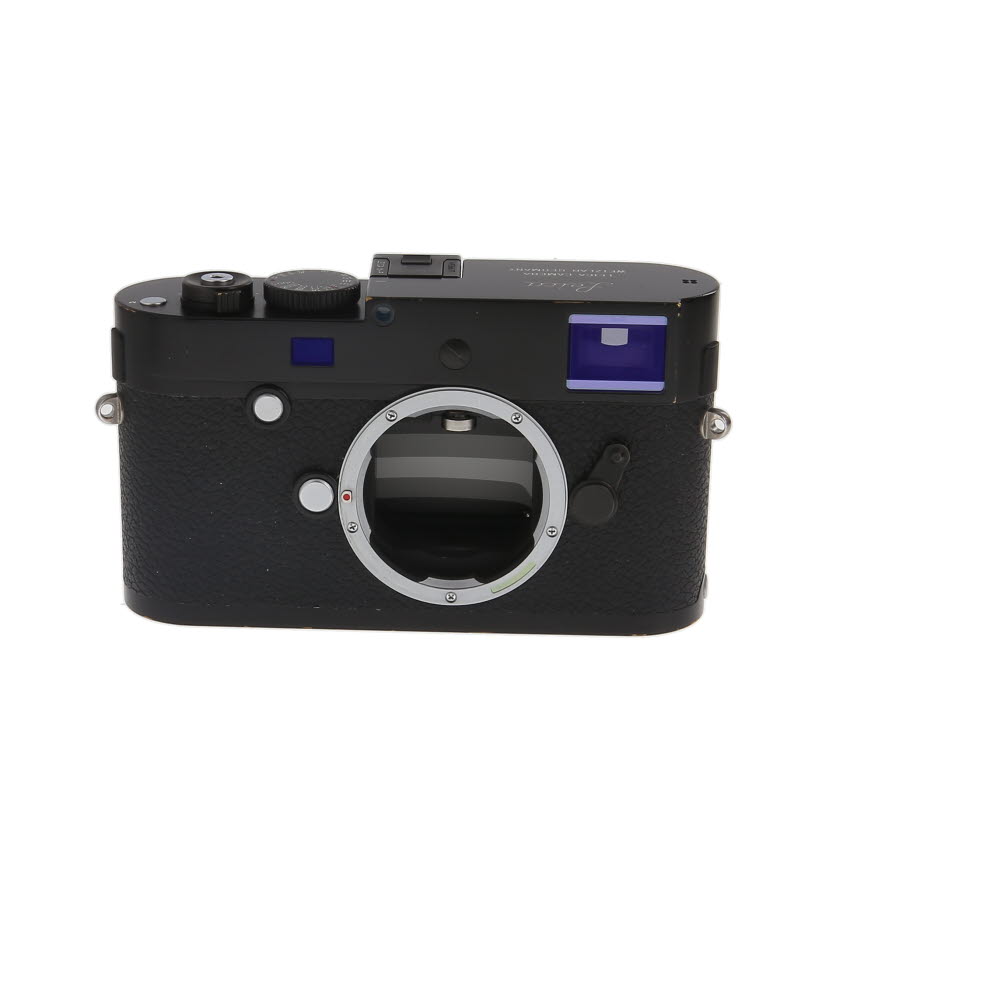
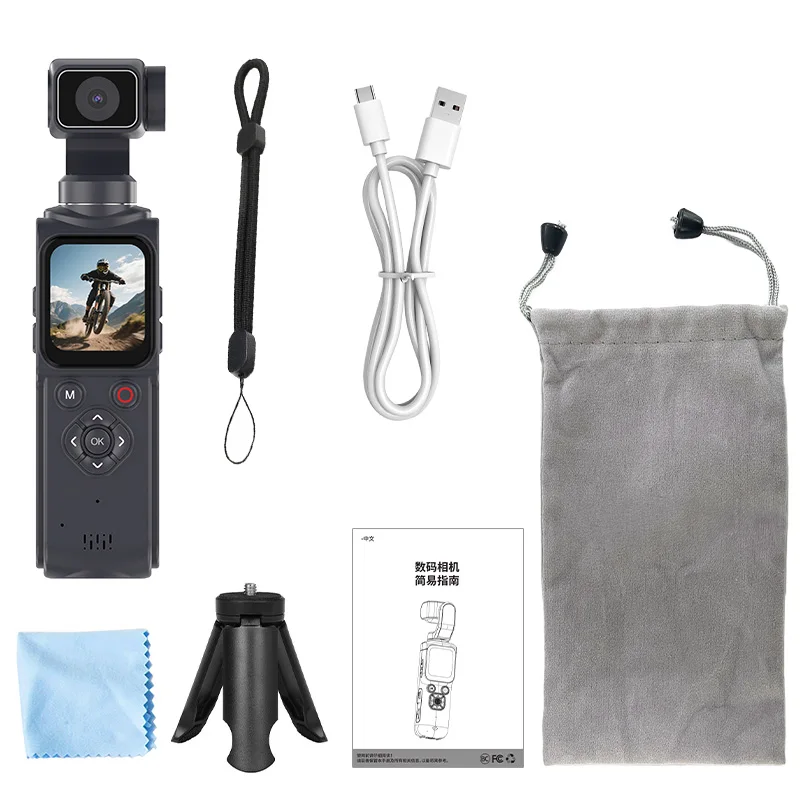
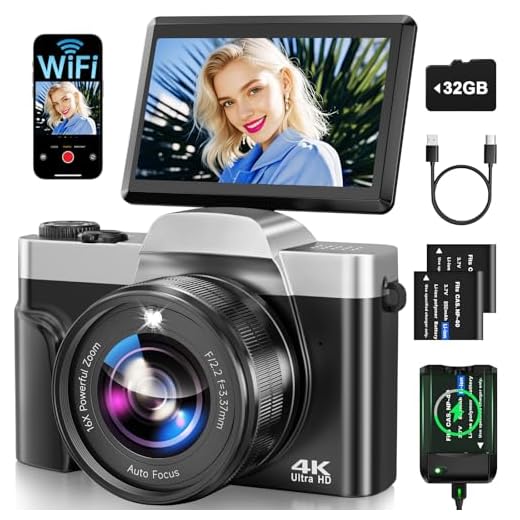
Whether you’re a professional photographer or a casual hobbyist, the digital camera has become an essential tool for capturing life’s fleeting moments in stunning detail. The ability to adjust settings on the fly, experiment with different shooting modes, and instantly review your images has transformed the way we approach photography. As technology continues to evolve, the future of digital cameras holds endless possibilities for innovation and creativity.
Definition and History of Digital Cameras
A digital camera is a device that captures and stores photographs electronically, rather than using traditional film. It consists of a lens, image sensor, and digital processing components that work together to record images in a digital format.
The history of digital cameras dates back to the 1970s when the first prototype was developed by Kodak engineer Steve Sasson. This early digital camera weighed 8 pounds and recorded black-and-white images onto a cassette tape. Over the years, digital camera technology advanced rapidly, with the first commercial digital camera, the Dycam Model 1, released in 1990.
Since then, digital cameras have become increasingly compact, affordable, and feature-rich, offering users the ability to capture high-quality images and videos with ease. Today, digital cameras are widely used in various applications, from amateur photography to professional filmmaking, revolutionizing the way we capture and share visual content.
Advantages of Digital Cameras
Digital cameras offer numerous advantages over traditional film cameras, making them popular choices for amateur and professional photographers alike.

Convenience
One of the key advantages of digital cameras is their convenience. With digital cameras, you can instantly view and edit your photos on the camera’s screen, eliminating the need for film processing. This instant feedback allows you to adjust settings and composition on the spot, ensuring you capture the perfect shot.
Cost-effectiveness
While digital cameras may have a higher upfront cost, they can be more cost-effective in the long run. You can take hundreds or even thousands of photos on a single memory card, eliminating the need to purchase and develop rolls of film. Additionally, you can delete unwanted photos without any extra cost, saving money on prints.
Types of Digital Cameras
There are several types of digital cameras available in the market today, each catering to different needs and preferences. Some of the common types of digital cameras include:
- DSLR Cameras: Digital Single-Lens Reflex cameras are popular among professional photographers due to their interchangeable lenses, manual controls, and high image quality.
- Mirrorless Cameras: These cameras offer similar features to DSLRs but are more compact and lightweight as they do not have a mirror mechanism.
- Point-and-Shoot Cameras: Also known as compact cameras, these are simple to use and great for everyday photography. They are portable and often come with automatic settings.
- Bridge Cameras: Combining features of DSLRs and point-and-shoot cameras, bridge cameras offer a powerful zoom range and manual controls in a compact body.
- Action Cameras: Designed for capturing action-packed moments, these cameras are small, rugged, and often used for sports and adventure photography.
Features to Consider in a Digital Camera
When looking for a digital camera, there are several important features to consider to ensure you get the best device for your needs:
Megapixels: The number of megapixels determines the resolution of the images captured by the camera. Higher megapixels result in clearer and more detailed photos.
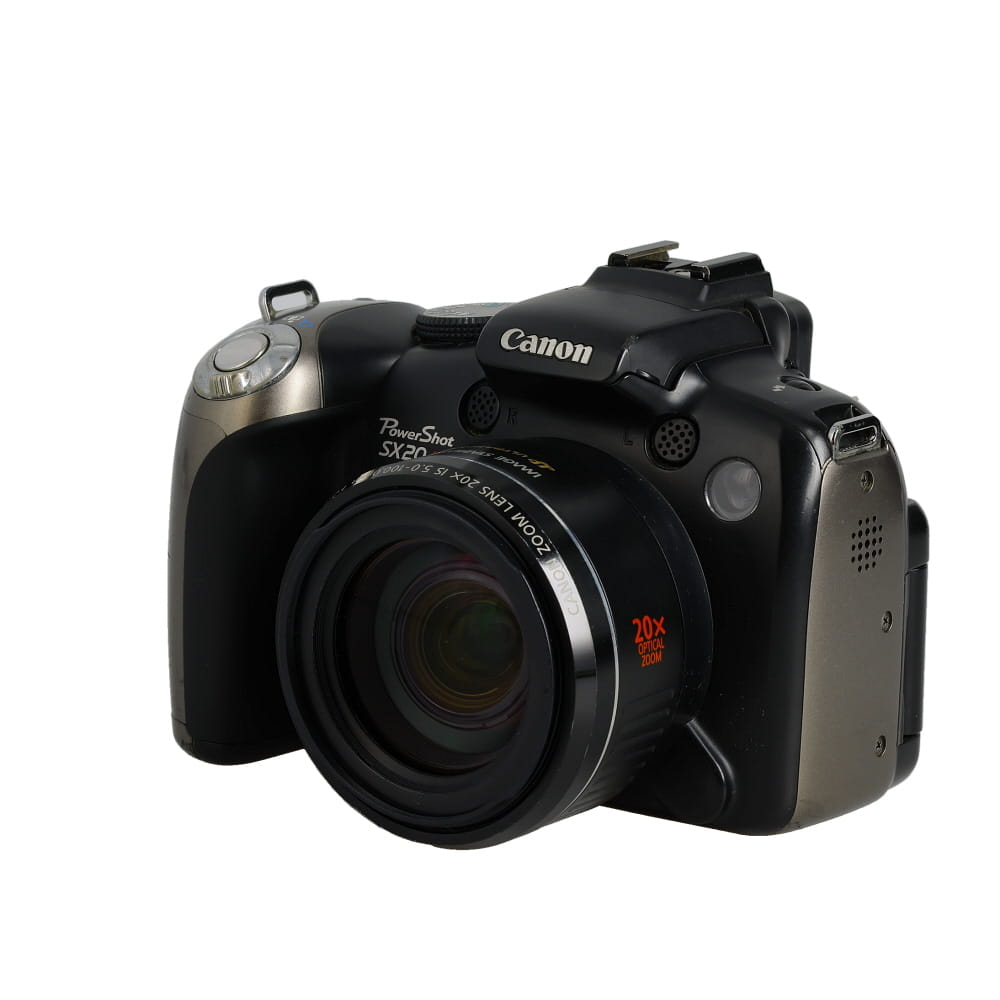
Zoom: Optical zoom allows you to magnify the image without sacrificing quality, while digital zoom enlarges the image but may reduce quality.
Image Stabilization: This feature helps reduce blur caused by shaky hands or moving subjects, resulting in sharper images.
ISO Range: A wider ISO range allows for better performance in low-light conditions, enabling you to capture clear photos in various lighting situations.
Shooting Modes: Different shooting modes such as portrait, landscape, and sports help you optimize settings for specific types of photography.
Video Recording: Check the camera’s video capabilities, including resolution, frame rate, and audio quality, if you plan to shoot videos.
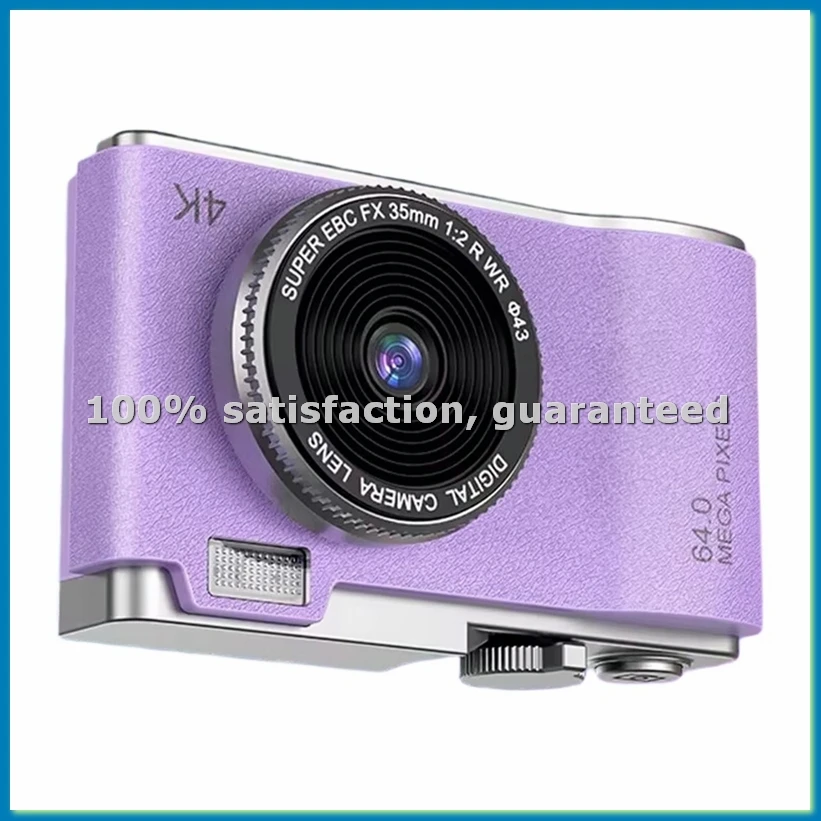
Connectivity: Look for cameras with Wi-Fi or Bluetooth connectivity to easily transfer photos to your devices or share them online.
Battery Life: Consider the battery life of the camera, especially if you plan to use it for extended periods without access to a power source.
Size and Weight: Choose a camera that is comfortable to hold and carry, especially if you plan to take it on trips or use it for extended periods.
By considering these features, you can select a digital camera that meets your requirements and allows you to capture stunning photos and videos.
How to Use a Digital Camera
Using a digital camera is relatively simple once you get the hang of it. Here are some basic steps to help you get started:

- Turn on the camera by pressing the power button.
- Check the battery level to ensure it has enough charge.
- Insert a memory card if your camera requires one.
- Adjust the settings such as ISO, white balance, and shooting mode based on your preferences.
- Frame your shot using the viewfinder or LCD screen.
- Press the shutter button halfway to focus the image.
- Press the shutter button all the way down to take the photo.
- Review your captured images on the LCD screen.
- Transfer your photos to a computer or device for further editing or sharing.
Experiment with different settings and features of your digital camera to enhance your photography skills and capture stunning images.
Tips for Taking Great Photos with a Digital Camera
1. Understand your camera settings: Take the time to learn about the different settings on your digital camera, such as aperture, shutter speed, and ISO. Understanding how these settings affect your photos can help you take better pictures.
2. Use natural light: Natural light can make a big difference in the quality of your photos. Try to take photos during the golden hours of sunrise and sunset when the light is soft and warm. Avoid harsh midday light that can create harsh shadows.
3. Experiment with composition:
Try different angles, perspectives, and compositions to create interesting and dynamic photos. Don’t be afraid to get creative and experiment with framing your subject in unique ways.
FAQ
What are the advantages of using a digital camera?
A digital camera offers instant feedback on the images you have captured, allows you to easily share photos online, provides various editing options, and saves you money on film and developing costs.

Can I print photos taken with a digital camera?
Yes, you can print photos taken with a digital camera. You can either print them at home using a photo printer or send them to a professional printing service for higher quality prints.
How does a digital camera differ from a film camera?
A digital camera captures images electronically on a digital sensor, whereas a film camera captures images on film. Digital cameras offer instant preview, editing options, and the ability to store hundreds of photos on a memory card.
What are some popular digital camera brands on the market?
Some popular digital camera brands include Canon, Nikon, Sony, Panasonic, and Fujifilm. These brands offer a wide range of digital cameras catering to various needs and budgets.
Are there different types of digital cameras available?
Yes, there are different types of digital cameras available, such as point-and-shoot cameras, DSLR cameras, mirrorless cameras, and action cameras. Each type serves different purposes and offers unique features.



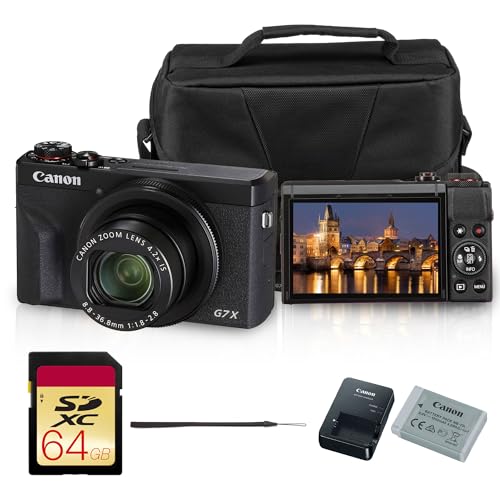
Can someone explain how image stabilization works? I often get blurry photos even with a steady hand. Any tips?
Image stabilization compensates for camera shake, helping to produce clearer images. If you're still getting blur, try using a faster shutter speed or check if your camera's stabilization feature is enabled.
I love how digital cameras make it easy to delete bad photos right away. It saves so much time and money instead of developing film!
I've been using a point-and-shoot camera for years. It's super convenient for family events, but I feel limited in creativity. I'm thinking about switching to a DSLR. Has anyone else made this transition? What was your experience?