
 Carmen J. Moore

Digital cameras have revolutionized the way we capture and store images. These devices use electronic sensors to capture light and convert it into digital data, which can be stored on memory cards or internal storage. Unlike traditional film cameras, digital cameras allow users to instantly view and share their photos without the need for developing.
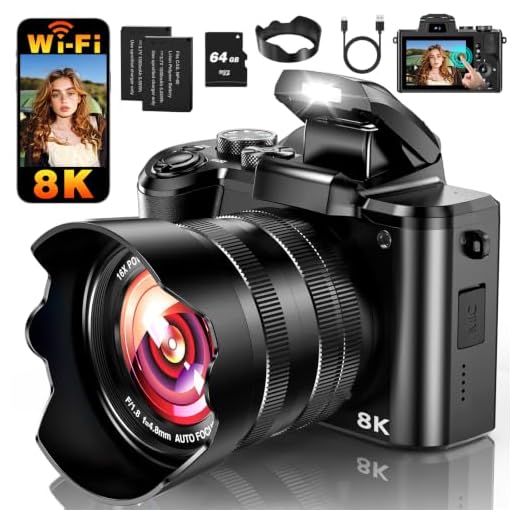
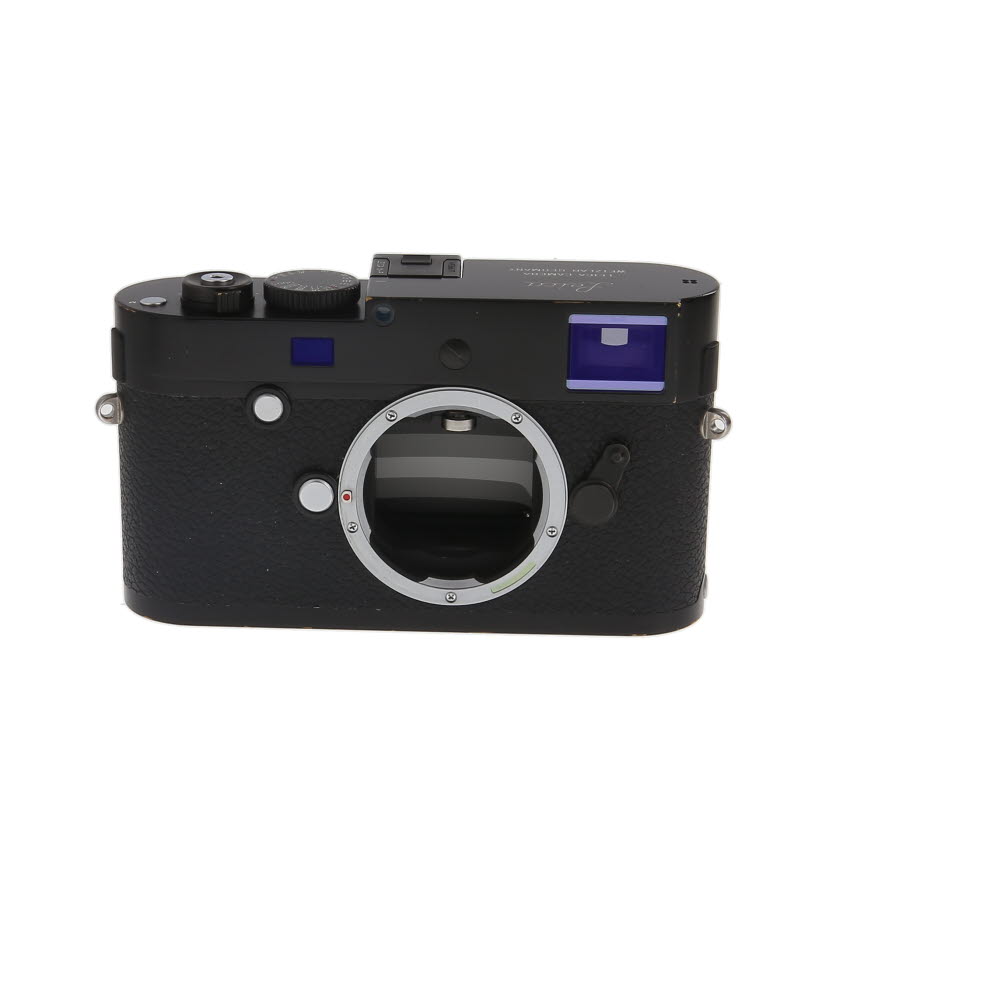
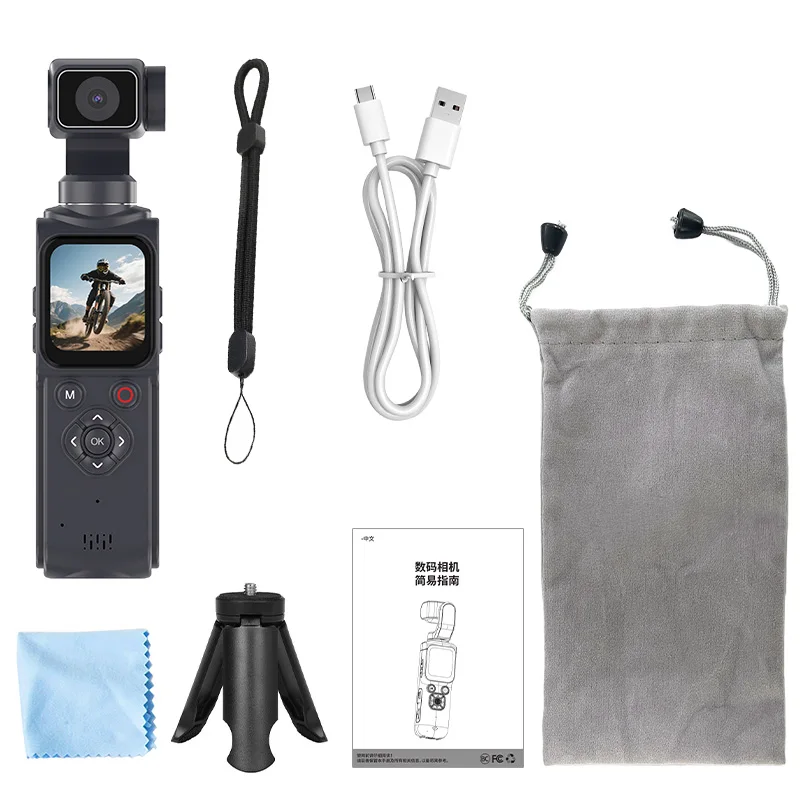

One of the key advantages of digital cameras is their versatility. They come in various shapes and sizes, from compact point-and-shoot models to advanced DSLRs with interchangeable lenses. Digital cameras also offer a wide range of features, such as automatic settings, manual controls, and various shooting modes, making them suitable for both beginners and professionals.
As technology continues to evolve, digital cameras are becoming more sophisticated, with higher resolutions, faster processing speeds, and improved image quality. Whether you’re a photography enthusiast or just looking to capture everyday moments, a digital camera can help you preserve memories in stunning detail.
Understanding the Digital Camera Technology
A digital camera is a device that captures and stores photographs electronically. It uses a sensor to convert light into electrical signals, which are then processed and stored as digital images. Understanding the technology behind digital cameras can help users make informed decisions when choosing a camera for their needs.
Key Components of Digital Cameras:
Modern digital cameras consist of several key components, including:
- Image Sensor: The image sensor is the heart of a digital camera and is responsible for capturing light and converting it into digital signals.
- Processor: The processor handles image processing tasks, such as color correction, noise reduction, and compression.
- Lens: The lens focuses light onto the image sensor and plays a crucial role in determining image quality.
- Storage: Digital cameras use memory cards to store captured images.
- Display: Most digital cameras have an LCD display for previewing and reviewing images.
Advancements in Digital Camera Technology:
Over the years, digital camera technology has evolved significantly, leading to improvements in image quality, performance, and features. Some of the recent advancements include:

- Higher Megapixel Count: Modern digital cameras offer higher resolution sensors, resulting in sharper and more detailed images.
- Advanced Autofocus Systems: Cameras now feature sophisticated autofocus systems for faster and more accurate focusing.
- Wireless Connectivity: Many cameras now come with built-in Wi-Fi or Bluetooth for easy sharing and transfer of images.
- 4K Video Recording: Some digital cameras are capable of recording high-quality 4K videos, expanding their capabilities beyond just photography.
By understanding the technology behind digital cameras and staying informed about the latest advancements, users can make better choices when selecting a camera that meets their specific needs and preferences.
Defining Digital Camera
A digital camera is a device that captures and stores photographs in digital format, as opposed to traditional film cameras that use chemical processes to capture images on light-sensitive film. Digital cameras use electronic sensors to capture light and convert it into digital data, allowing users to view and edit images on a screen and easily transfer them to a computer or other digital devices. They have revolutionized photography by making it more accessible, convenient, and versatile.
Evolution of Digital Cameras
Over the years, digital cameras have undergone significant evolution, transforming from bulky and expensive devices to compact, high-resolution cameras that fit in the palm of your hand. Here are some key milestones in the evolution of digital cameras:
- Early Digital Cameras: The first digital cameras were introduced in the late 1980s and early 1990s. These early models had low resolutions and limited storage capacity.
- Advancements in Resolution: As technology improved, digital cameras began to offer higher resolutions, allowing for clearer and more detailed images.
- Compact Design: Digital cameras evolved to become more compact and portable, making them easier to carry and use on the go.
- Integration of Features: Modern digital cameras now come equipped with a wide range of features, including built-in flash, autofocus, image stabilization, and various shooting modes.
- Wireless Connectivity: Many digital cameras now offer wireless connectivity options, allowing users to instantly share photos and videos on social media platforms.
- High-End Professional Cameras: In addition to consumer-grade cameras, there are now high-end professional digital cameras with advanced features and capabilities for professional photographers.
Key Components of Digital Cameras
Modern digital cameras consist of several key components that work together to capture and store images. Some of the most important components include:
Image Sensor
The image sensor is the heart of a digital camera, converting light into digital signals. Common types of image sensors include CMOS and CCD sensors, which capture light and convert it into electrical signals.
Lens
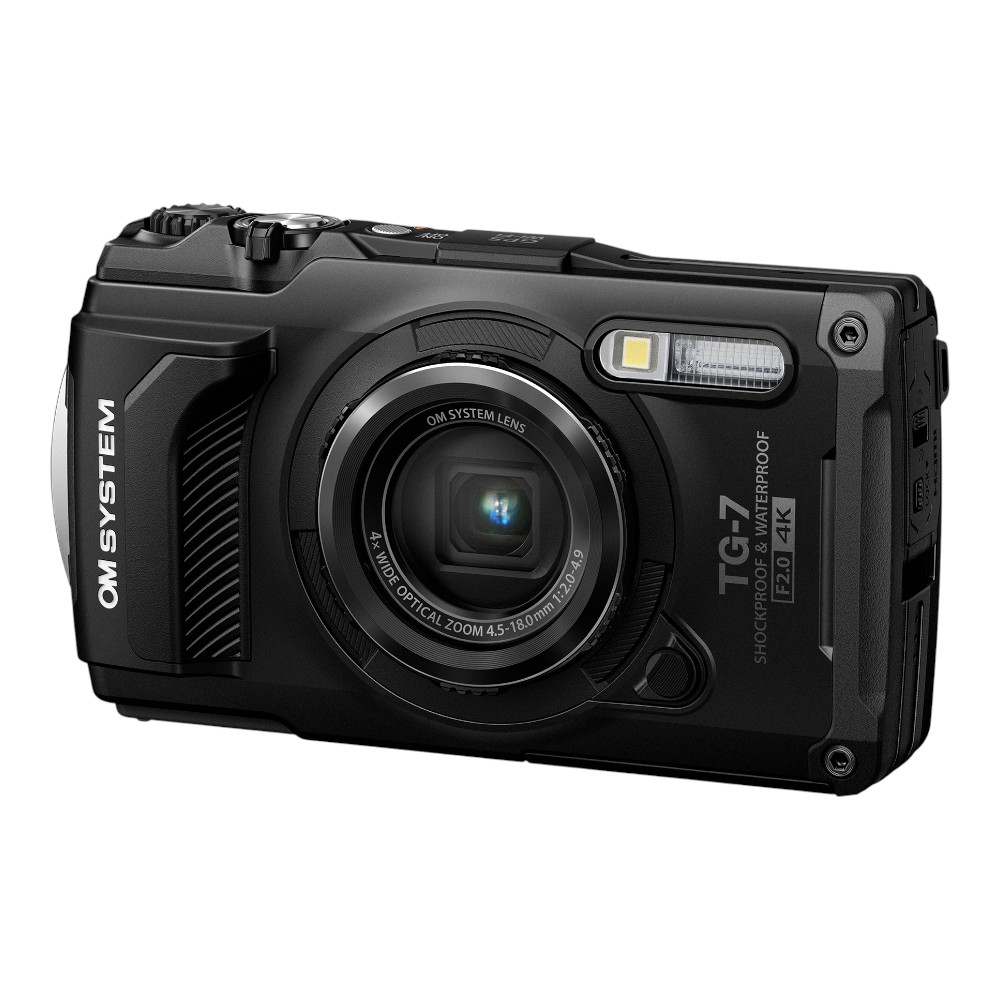
The lens of a digital camera focuses light onto the image sensor, determining the quality and clarity of the captured image. Lenses come in various types and focal lengths, allowing photographers to achieve different effects and perspectives.
Processor: The processor in a digital camera processes the digital signals from the image sensor, enhancing image quality, adjusting settings, and storing the image data. A powerful processor can improve the speed and performance of a digital camera.
Memory: Digital cameras use internal memory or external memory cards to store captured images. The memory capacity determines how many photos can be stored before transferring them to a computer or other device.
Advantages of Digital Cameras
Digital cameras offer numerous advantages over traditional film cameras. Some of the key benefits include:
- Instant Preview: With a digital camera, you can instantly see the photo you just took on the screen, allowing you to review and retake if necessary.
- Convenience: Digital cameras are compact and easy to carry, making them ideal for travel and everyday use.
- Storage: Digital cameras store photos on memory cards, eliminating the need for film rolls and allowing for easy transfer to computers or other devices.
- Editing Options: Digital photos can be easily edited using software to enhance colors, adjust exposure, and remove imperfections.
- Sharing: Digital photos can be easily shared online through social media, email, or cloud storage platforms.
Types of Digital Cameras
There are several types of digital cameras available in the market today, each designed for specific purposes and users. Some of the common types include:
1. Point-and-Shoot Cameras
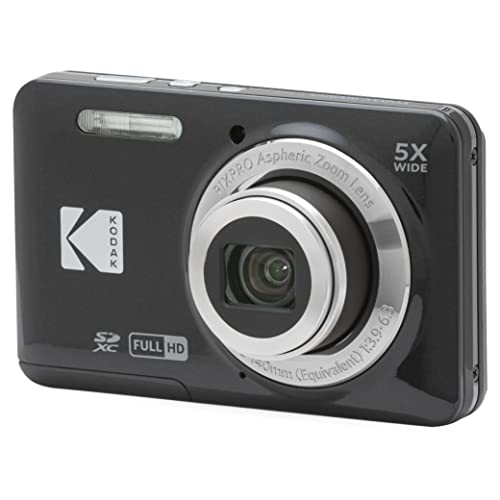
Point-and-shoot cameras are compact and easy to use, making them ideal for casual photographers who want a simple way to capture moments without worrying about manual settings.
2. DSLR Cameras
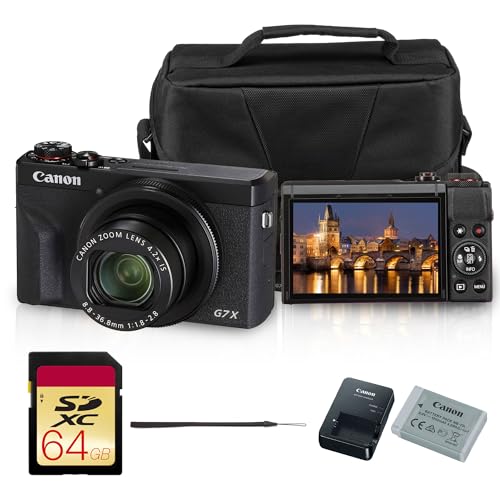
DSLR (Digital Single-Lens Reflex) cameras are popular among professional photographers and enthusiasts due to their interchangeable lenses and advanced manual controls, allowing for greater creativity and control over the final image.
| Feature | Description |
|---|---|
| Mirrorless Cameras | Mirrorless cameras offer a compact design similar to point-and-shoot cameras but with the image quality and versatility of DSLRs. |
| Compact System Cameras | Compact System Cameras (CSCs) combine the portability of point-and-shoot cameras with the flexibility of interchangeable lenses found in DSLRs. |
Future Trends in Digital Camera Technology
As technology continues to advance, the future of digital cameras holds exciting possibilities. Here are some key trends to watch out for:
1. Enhanced Image Quality
One of the most significant trends in digital camera technology is the continuous improvement in image quality. Manufacturers are constantly developing new sensors, lenses, and image processing algorithms to deliver sharper, more vibrant images with higher resolutions.
2. Artificial Intelligence Integration
Artificial intelligence (AI) is increasingly being integrated into digital cameras to enhance features such as autofocus, scene recognition, and image stabilization. AI algorithms can help optimize camera settings in real-time to capture the perfect shot, even for novice users.

Stay tuned as these and other advancements shape the future of digital photography!
FAQ
What is a digital camera?
A digital camera is a device that captures and stores images electronically. It uses a digital sensor to convert light into electronic signals, which are then processed and saved as digital files.
How does a digital camera work?
A digital camera works by capturing light through a lens and focusing it onto a digital sensor. The sensor converts the light into electronic signals, which are then processed by the camera’s internal software and saved as digital image files.
What are the advantages of using a digital camera?
Some advantages of using a digital camera include instant image preview, the ability to easily store and share images digitally, and the convenience of being able to delete or edit photos on the spot. Digital cameras also offer a wide range of features and settings for creative photography.
How has digital photography changed with the introduction of digital cameras?
The introduction of digital cameras has revolutionized photography by making it more accessible to a wider audience. Digital photography allows for instant image capture, easy sharing on social media platforms, and the ability to edit photos without the need for film development. It has also led to the development of new techniques and styles in photography.
What are some key features to consider when choosing a digital camera?
When choosing a digital camera, it’s important to consider factors such as resolution (megapixels), zoom capabilities, lens quality, image stabilization, shooting modes, and connectivity options. Additionally, consider the size and weight of the camera, as well as the type of photography you plan to do, whether it’s casual snapshots or professional work.


What are the main differences between DSLR and mirrorless cameras? I'm trying to decide which one to buy for travel photography.
Digital cameras have really changed the game. I remember having to wait for film to develop. Now, I can see photos instantly!
I've been using a point-and-shoot camera for years, but recently upgraded to a DSLR. The image quality is night and day! I love being able to change lenses and really get into the settings. My only regret is not making the switch sooner!
Can someone clarify what 'image stabilization' means? I’ve seen it mentioned a lot but not sure how it actually helps in photography.