
 Carmen J. Moore

Mirrorless digital cameras have gained popularity in recent years as a lightweight and versatile alternative to traditional DSLR cameras. But what exactly does the term “mirrorless” mean in the world of photography?
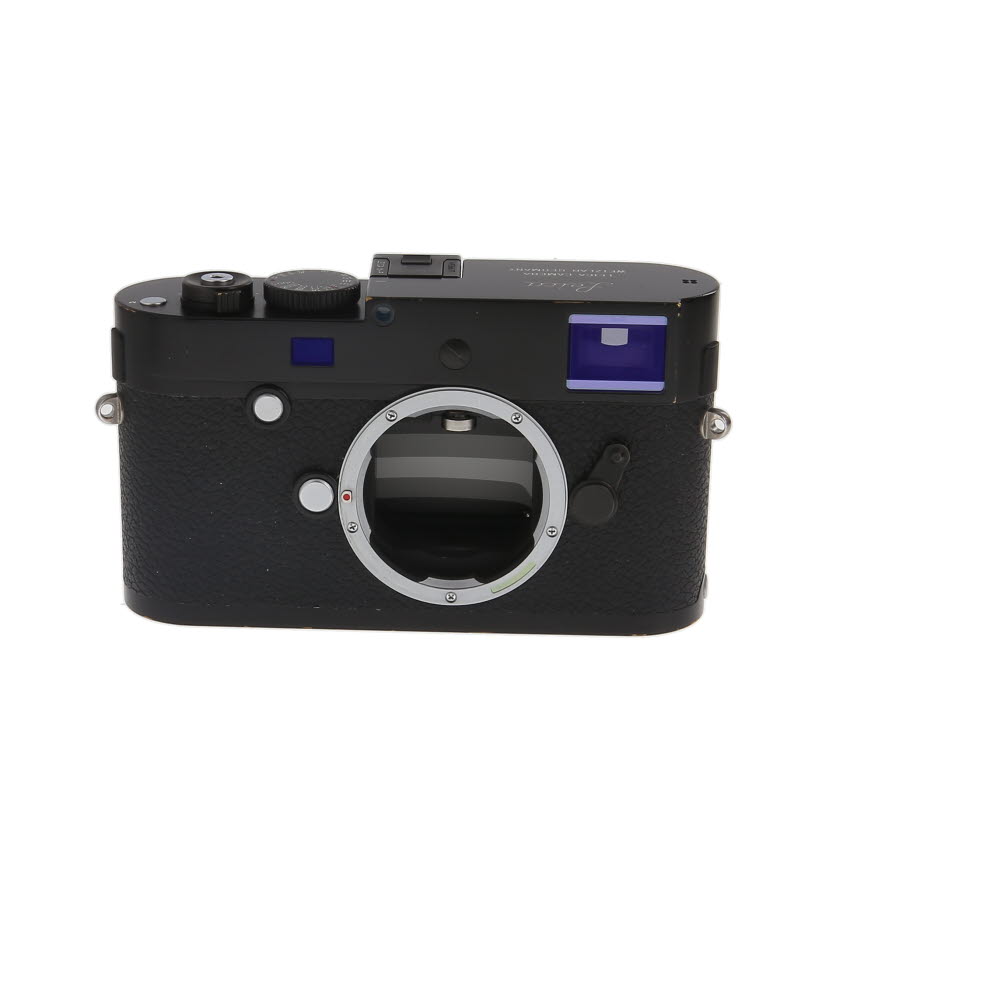
Unlike DSLR cameras, which use a mirror to reflect light from the lens to the optical viewfinder, mirrorless cameras do not have a mirror mechanism. Instead, light passes directly through the lens to the image sensor, which sends the image to an electronic viewfinder or the LCD screen on the back of the camera.
This design eliminates the need for a bulky mirror box, making mirrorless cameras more compact and lightweight. Additionally, the electronic viewfinder provides a real-time preview of the image, allowing photographers to see the effects of settings like exposure and white balance before taking the shot.
Understanding Mirrorless Digital Cameras
A mirrorless digital camera is a type of camera that uses an electronic viewfinder or the rear LCD screen for composing images, as opposed to a traditional DSLR camera that uses a mirror and optical viewfinder.


Key Features of Mirrorless Cameras:
- Compact and lightweight design
- No mirror mechanism, making them quieter and less prone to mechanical failures
- Interchangeable lenses for versatility
- Fast and accurate autofocus systems
- Electronic viewfinder for real-time preview of exposure and settings
Overall, mirrorless cameras offer a more portable and convenient option for photographers who value flexibility and ease of use without sacrificing image quality.
Definition and Functionality
A mirrorless digital camera is a type of camera that does not use a mirror to reflect light from the lens to the optical viewfinder. Instead, it relies on an electronic viewfinder or the camera’s LCD screen to display the image being captured. This design allows mirrorless cameras to be more compact and lightweight compared to traditional DSLR cameras, making them popular among photographers who value portability and convenience.
Key Features:
- Compact and lightweight design
- Electronic viewfinder or LCD screen for image preview
- Interchangeable lenses for versatility
Advantages Over DSLR Cameras
Mirrorless digital cameras offer several advantages over traditional DSLR cameras, making them a popular choice among photographers. Some of the key advantages include:
1. Size and Weight
One of the main advantages of mirrorless cameras is their compact size and lightweight design. Without the mirror and optical viewfinder found in DSLR cameras, mirrorless cameras are typically smaller and easier to carry around, making them ideal for travel and street photography.
2. Electronic Viewfinder
Most mirrorless cameras are equipped with an electronic viewfinder (EVF), which offers a real-time preview of the image you are about to capture. This allows photographers to see the exposure, white balance, and depth of field before taking the shot, providing more control and accuracy in their photography.

- 3. Autofocus Speed
- Mirrorless cameras often have faster autofocus systems compared to DSLRs, thanks to advanced technology such as phase-detection pixels on the sensor. This results in quicker and more accurate focusing, especially in challenging lighting conditions or when tracking moving subjects.
These advantages make mirrorless cameras a compelling choice for photographers looking for a lightweight, versatile, and technologically advanced camera system.
Key Features to Consider
When choosing a mirrorless digital camera, there are several key features to consider:
1. Sensor Size – The size of the sensor will affect the image quality and low-light performance of the camera.
2. Megapixels – Higher megapixels can result in sharper images, but it’s not the only factor to consider.
3. Lens Compatibility – Check if the camera is compatible with a wide range of lenses to expand your photography options.
4. Autofocus System – Look for a camera with a fast and accurate autofocus system for capturing moving subjects.
5. Image Stabilization – Optical or in-body image stabilization can help reduce blur in your photos, especially in low light conditions.
6. Video Capabilities – Consider the camera’s video recording capabilities if you plan to shoot videos as well.
7. Size and Weight – Mirrorless cameras are known for their compact size and lightweight design, making them ideal for travel and everyday use.
8. Battery Life – Check the battery life of the camera, especially if you plan to shoot for extended periods without recharging.
9. Connectivity – Look for cameras with Wi-Fi, Bluetooth, or NFC connectivity for easy sharing and remote control options.
10. Price – Consider your budget and compare different models to find the best mirrorless digital camera that meets your needs.
Popular Mirrorless Camera Brands
There are several popular mirrorless camera brands that are known for their quality and performance. Some of the top mirrorless camera brands include:
| Sony | Sony is a leading brand in the mirrorless camera market, known for its innovative technology and high-quality cameras. |
| Fujifilm | Fujifilm offers a range of mirrorless cameras that are loved by photographers for their retro design and exceptional image quality. |
| Canon | Canon is a well-established camera brand that also offers a selection of mirrorless cameras with advanced features and performance. |
| Panasonic | Panasonic is another popular choice for mirrorless cameras, known for their video capabilities and compact designs. |
| Olympus | Olympus is renowned for its mirrorless cameras that combine advanced technology with a compact and lightweight build. |
These brands are just a few examples of the many options available in the mirrorless camera market, each offering unique features and benefits to cater to different photography needs.
Choosing the Right Mirrorless Camera
When selecting a mirrorless camera, there are several key factors to consider to ensure you choose the right one for your needs. Here are some important aspects to keep in mind:
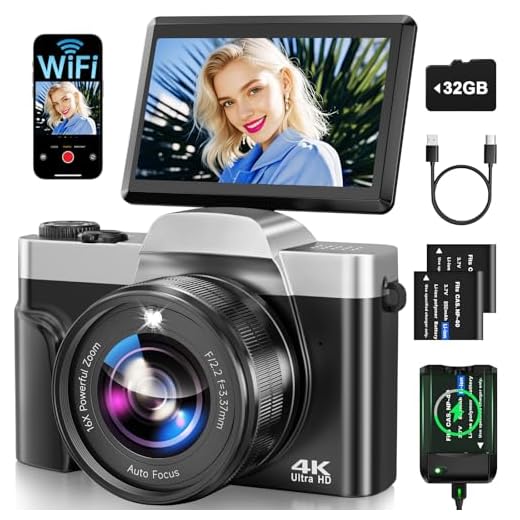
| 1. Sensor Size: Mirrorless cameras come with different sensor sizes, such as Micro Four Thirds, APS-C, or Full Frame. The sensor size affects image quality and low-light performance. |
| 2. Resolution: Consider the megapixel count of the camera’s sensor. Higher resolution cameras provide more detailed images, but may also require more storage space. |
| 3. Lens Compatibility: Check the availability of lenses for the camera system you choose. Some brands offer a wider range of lenses than others. |
| 4. Size and Weight: Mirrorless cameras are known for their compact size and lightweight design. Consider the portability of the camera for your specific photography needs. |
| 5. Autofocus System: Look for a camera with a fast and accurate autofocus system, especially if you shoot moving subjects or video. |
| 6. Video Capabilities: If you plan to shoot videos, consider the camera’s video recording features, such as resolution, frame rates, and video formats. |
Comparison with Point-and-Shoot Cameras
When comparing mirrorless digital cameras with point-and-shoot cameras, there are several key differences to consider. Mirrorless cameras typically offer larger image sensors, which result in higher image quality and better low-light performance compared to point-and-shoot cameras. Additionally, mirrorless cameras often provide more manual controls and customization options, allowing photographers to have greater creative control over their shots.
On the other hand, point-and-shoot cameras are typically more compact and easier to carry around, making them ideal for casual photography or travel. They are also generally more affordable than mirrorless cameras, making them a popular choice for beginners or those on a budget. However, point-and-shoot cameras may not offer the same level of image quality or versatility as mirrorless cameras.
In summary, the choice between a mirrorless digital camera and a point-and-shoot camera depends on your photography needs and preferences. If you prioritize image quality, versatility, and manual controls, a mirrorless camera may be the better option. If portability, affordability, and ease of use are more important to you, a point-and-shoot camera may be the way to go.
Future Trends in Mirrorless Technology
The mirrorless digital camera market is rapidly evolving, and several key trends are shaping the future of this technology:
1. Improved Autofocus Systems: One major trend in mirrorless technology is the advancement of autofocus systems. Manufacturers are constantly working to enhance autofocus speed, accuracy, and tracking capabilities to meet the demands of photographers.

2. Higher Resolution Sensors: As sensor technology continues to improve, we can expect mirrorless cameras to feature higher resolution sensors, providing photographers with more detailed images and greater flexibility in post-processing.
3. Enhanced Image Stabilization: Image stabilization is crucial for capturing sharp images, especially in low-light conditions or when using telephoto lenses. Future mirrorless cameras are likely to offer improved in-body stabilization systems to minimize camera shake.
4. Connectivity and Sharing Features: With the rise of social media and online platforms for sharing images, mirrorless cameras are expected to offer enhanced connectivity features. Wi-Fi, Bluetooth, and NFC capabilities will allow photographers to easily transfer and share their images.
5. Compact and Lightweight Designs: Mirrorless cameras are known for their compact and lightweight designs compared to traditional DSLRs. Manufacturers will continue to focus on reducing the size and weight of mirrorless cameras while maintaining high performance.
6. AI and Machine Learning Integration: The integration of artificial intelligence (AI) and machine learning technologies is another trend to watch. These technologies can improve image processing, scene recognition, and autofocus performance in mirrorless cameras.
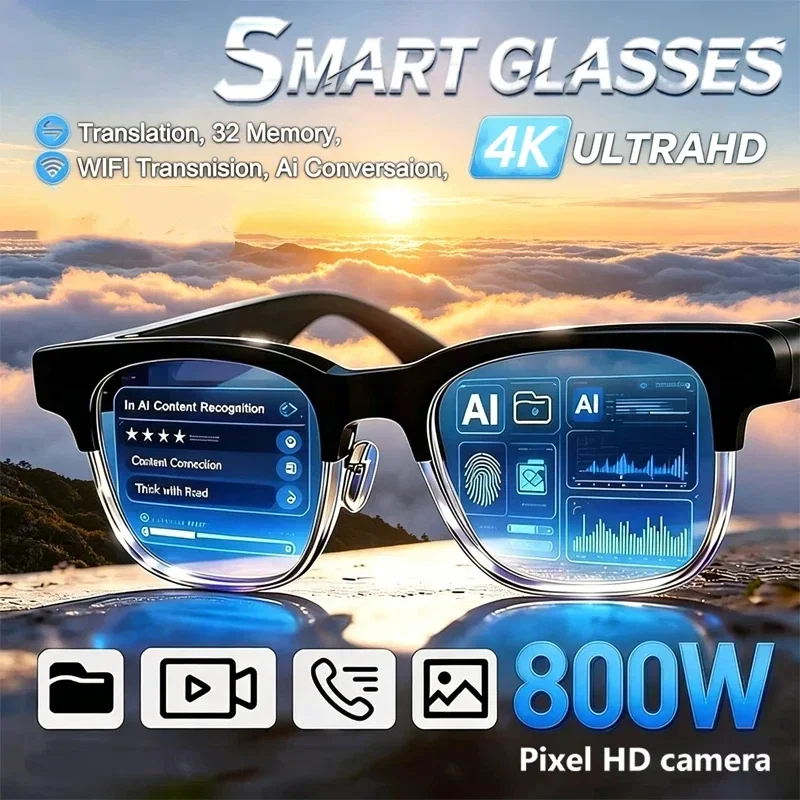
Overall, the future of mirrorless technology looks promising, with continued innovations and advancements that will benefit photographers of all levels.
FAQ
What is a mirrorless digital camera?
A mirrorless digital camera is a type of camera that does not have a mirror mechanism like traditional DSLR cameras. Instead of using a mirror to reflect light through an optical viewfinder, mirrorless cameras use an electronic viewfinder or the camera’s LCD screen to display the image in real time.
How does a mirrorless digital camera work?
A mirrorless digital camera works by using a digital image sensor to capture light directly through the camera lens. The light is then processed by the camera’s image processor and displayed on the electronic viewfinder or LCD screen. This design eliminates the need for a mirror and allows for a more compact and lightweight camera body.
What are the advantages of a mirrorless digital camera?
Some advantages of mirrorless digital cameras include smaller and lighter camera bodies, faster autofocus systems, silent shooting modes, and the ability to use a variety of lenses with adapters. Mirrorless cameras also have electronic viewfinders that can provide real-time exposure and white balance previews, making it easier to compose shots in challenging lighting conditions.
Are mirrorless digital cameras better than DSLRs?
Whether mirrorless digital cameras are better than DSLRs depends on individual preferences and needs. Mirrorless cameras excel in portability, video capabilities, and electronic viewfinders, while DSLRs typically have longer battery life and a wider selection of native lenses. Both types of cameras have their strengths and weaknesses, so it’s important to consider your shooting style and requirements before making a decision.


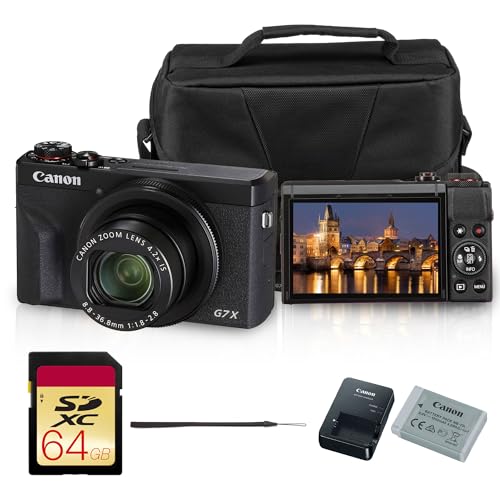
I recently bought a mirrorless camera and I'm loving how lightweight it is compared to my old DSLR. Makes a big difference for travel!
Thanks for sharing your experience! Many photographers find the portability of mirrorless cameras a big advantage.
Can you explain more about how the electronic viewfinder works? I’m curious how it differs from the optical viewfinder in DSLRs.
I've been looking at both mirrorless and point-and-shoot cameras. I get that mirrorless offers better quality and manual options, but are there situations where a point-and-shoot might still be a better option?
I'm considering switching to a mirrorless camera from my DSLR. What are the key things I should be aware of before making the change?
I’ve noticed that some mirrorless models are quite pricey. Just a reminder to check for good deals if you're on a budget!