
 Carmen J. Moore

Choosing between a digital camera and a film camera is a common dilemma for photography enthusiasts. Each type of camera has its own unique advantages and drawbacks, making the decision a personal one based on individual preferences and needs.
Digital cameras offer the convenience of instant access to images, easy sharing on social media, and the ability to edit photos on the go. On the other hand, film cameras provide a nostalgic, authentic feel to photography, with film grain and color reproduction that some photographers prefer.
Pros and Cons of Using a Digital Camera
When deciding whether to use a digital camera or a film camera, it’s important to consider the pros and cons of each. Here are some advantages and disadvantages of using a digital camera:
Pros:
- Instant Results: With a digital camera, you can see your photos immediately after taking them, allowing you to make adjustments and retake shots if needed.
- Convenience: Digital cameras are compact and easy to carry around, making them ideal for travel or everyday use.
- Cost-Effective: While the initial investment in a digital camera might be higher, you can save money in the long run as you don’t need to buy film or pay for developing costs.
- Editing Options: Digital photos can be easily edited using software to enhance colors, adjust exposure, and make other improvements.
- Storage: Digital photos can be stored on memory cards or in the cloud, saving physical space compared to storing film negatives and prints.
Cons:
- Image Quality: Some photographers argue that film cameras produce a more authentic and higher-quality image compared to digital cameras.
- Battery Dependency: Digital cameras rely on batteries, which can run out at inconvenient times, requiring you to carry spares or a charger.
- Learning Curve: Digital cameras come with various settings and features that can be overwhelming for beginners to learn and navigate.
- Depreciation: Digital cameras tend to depreciate in value quickly as new models are released, making it a less long-term investment compared to film cameras.
- File Management: Managing digital photo files can be time-consuming, especially if you have a large collection that needs organizing and backing up.
Quality of Photos
One of the key factors to consider when deciding between a digital camera and a film camera is the quality of photos they produce. Digital cameras offer high-resolution images that can be easily edited and shared online. They provide instant feedback, allowing you to review and retake shots on the spot. However, some photographers argue that digital photos can lack the warmth and character of film photos.

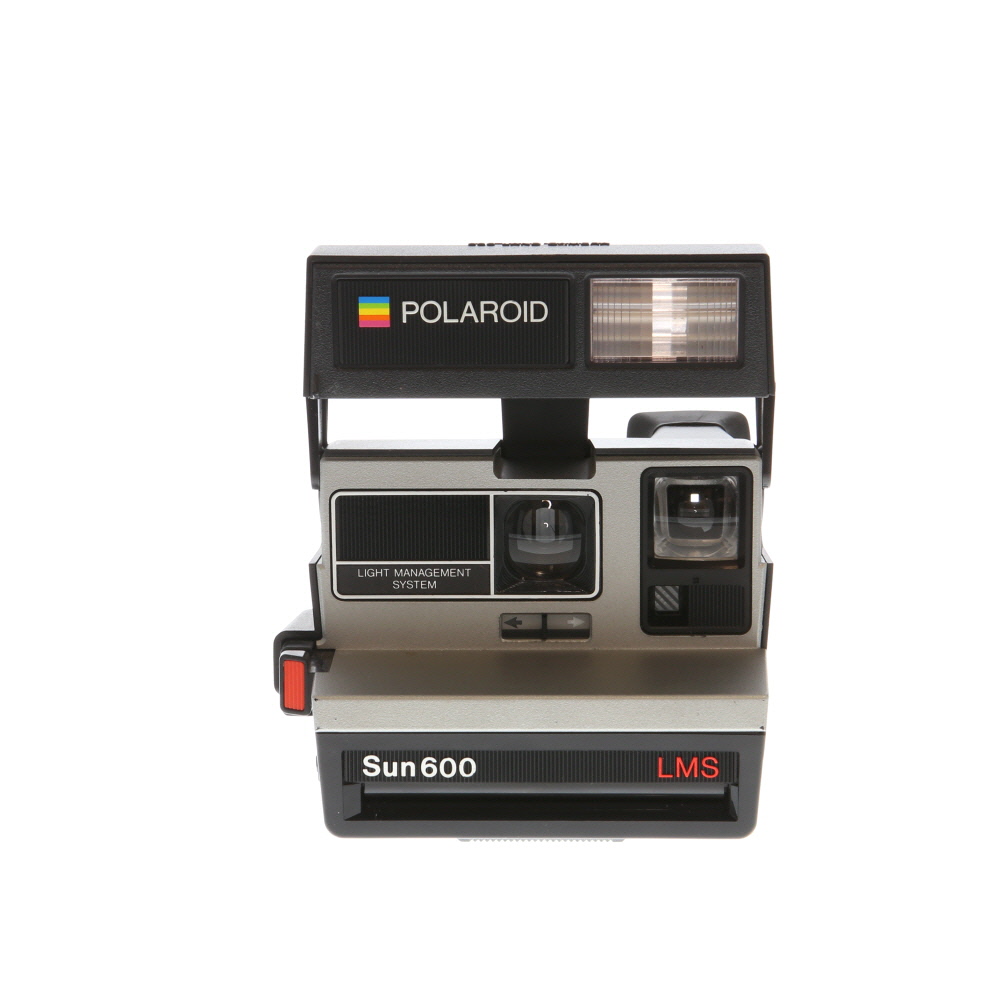


On the other hand, film cameras produce images with a unique aesthetic appeal that some photographers prefer. Film photos often have a timeless quality and a certain depth that is hard to replicate with digital cameras. Film photography also requires a more deliberate and thoughtful approach, as each shot is limited by the number of exposures on the film roll.
Convenience and Portability
When it comes to convenience and portability, digital cameras have a clear advantage over film cameras. Digital cameras are compact, lightweight, and easy to carry around, making them ideal for travel or everyday use. With a digital camera, you can take hundreds of photos without worrying about running out of film or carrying extra rolls with you. Additionally, digital cameras allow you to review and delete photos on the spot, so you can quickly free up storage space and capture more moments without interruption.
Instant Viewing and Editing
One of the advantages of using a digital camera is the ability to instantly view and edit your photos. With a digital camera, you can see the image you’ve just taken on the camera’s LCD screen immediately after capturing it. This allows you to review the composition, exposure, and other elements of the photo and make adjustments as needed. You can also delete unwanted photos right away, freeing up space on your memory card for more shots.
In contrast, with a film camera, you have to wait until the film is developed to see your photos, which can take days or even weeks. This lack of instant feedback can make it challenging to learn from your mistakes and improve your photography skills. Additionally, editing film photos is more time-consuming and expensive, as you may need to scan the prints or negatives to digitize them before making any edits.
Cost and Maintenance
When it comes to cost and maintenance, digital cameras have a clear advantage over film cameras. Digital cameras require minimal ongoing costs as there is no need to purchase film rolls or pay for developing and printing. Once you have invested in a digital camera, the only costs you might incur are for accessories like memory cards, batteries, and occasional maintenance.

On the other hand, film cameras can be more expensive to maintain in the long run. You need to continuously purchase film rolls, pay for developing and printing, and potentially invest in specialized equipment for processing film. These costs can add up over time and make film photography a more expensive hobby compared to digital photography.
Environmental Impact
When considering the environmental impact of using a digital camera versus a film camera, there are several factors to take into account.
1. Energy Consumption
Digital cameras require electricity to function, while film cameras do not. However, the production and processing of film also have an energy cost. Overall, digital cameras tend to have a lower environmental impact in terms of energy consumption.
2. Waste Generation
Digital cameras produce electronic waste at the end of their life cycle, which can be harmful to the environment if not properly disposed of. Film cameras, on the other hand, produce less waste but can contribute to chemical pollution if film processing is not done responsibly.
- Digital cameras: Electronic waste
- Film cameras: Chemical waste
Ultimately, the environmental impact of using a digital camera versus a film camera depends on various factors, including how the equipment is used, maintained, and disposed of.

Pros and Cons of Using a Film Camera
Using a film camera can offer a unique and nostalgic photography experience, but it also comes with its own set of advantages and disadvantages.
Pros:
1. Aesthetic Appeal: Film photography has a distinct aesthetic that many photographers appreciate. The grainy texture and color tones of film can create a timeless and artistic look in images.
2. Slowing Down the Process: With film, you have a limited number of exposures per roll, which can encourage you to slow down and be more intentional with your shots. This can lead to more thoughtful and carefully composed photographs.
3. Tangible Prints: Film produces physical negatives and prints, allowing you to hold your photographs in your hands and create a tangible connection to your images.
Cons:
1. Cost and Convenience: Film photography can be more expensive than digital, as you have to purchase film rolls and pay for processing and printing. Additionally, it takes more time to get your photos developed compared to digital cameras.
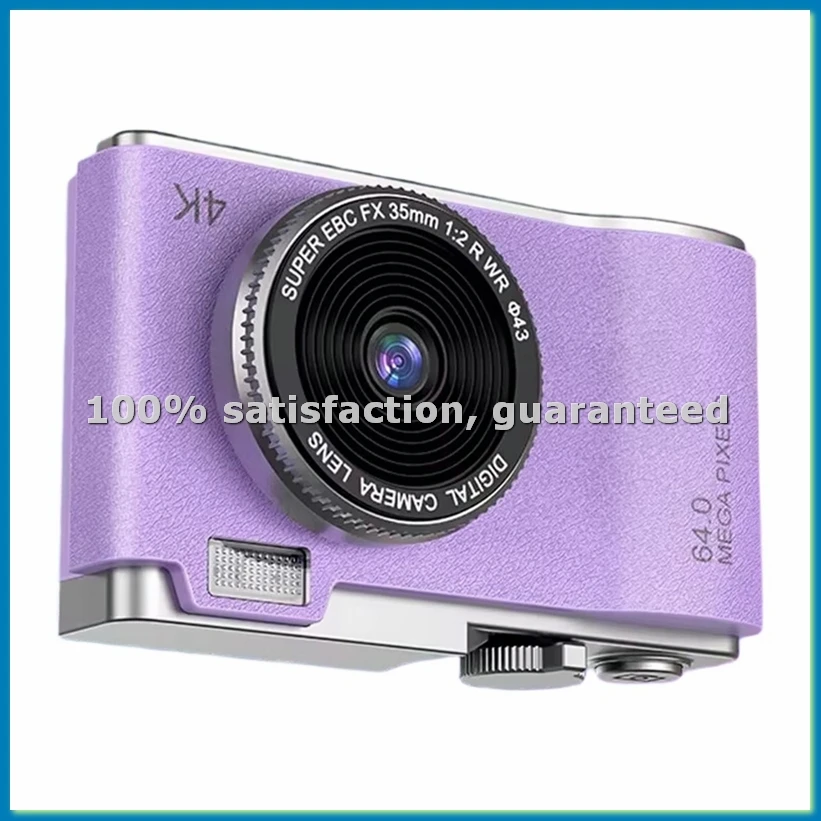
2. Limited Control: Unlike digital cameras, film cameras offer less control over settings like ISO and white balance. This can be a limitation for photographers who prefer to have precise control over their images.
3. Learning Curve: Using a film camera requires knowledge of film types, developing techniques, and proper handling to achieve good results. This learning curve may deter beginner photographers.
Classic Aesthetic Appeal
One of the main reasons why some photographers still prefer film cameras is the classic aesthetic appeal they offer. Film photography has a unique quality that digital cameras often struggle to replicate. The grainy texture, color saturation, and soft focus of film photos can create a nostalgic and timeless look that many photographers find appealing.
Additionally, film cameras often have a more tactile and mechanical feel that some photographers enjoy. The process of loading film, manually focusing, and winding the camera can be a more engaging and hands-on experience compared to digital photography.
For those who appreciate the vintage charm and artistic quality of film photography, using a film camera can add a unique touch to their work and help them stand out in a digital-dominated world.
Learning Photography Skills
Whether you choose to use a digital camera or a film camera, learning the basics of photography is essential. Here are some key skills to focus on:
Understanding Exposure
Mastering exposure is crucial in photography. Learn about aperture, shutter speed, and ISO to control how much light reaches your camera’s sensor.
Composition Techniques
Experiment with different composition techniques such as the rule of thirds, leading lines, and framing to create visually appealing images.
Practice makes perfect! Take your camera out regularly and practice these skills to improve your photography.
Cost of Film and Developing
One of the main factors to consider when deciding between a digital camera and a film camera is the cost associated with film and developing. Film photography can be more expensive in the long run compared to digital photography.
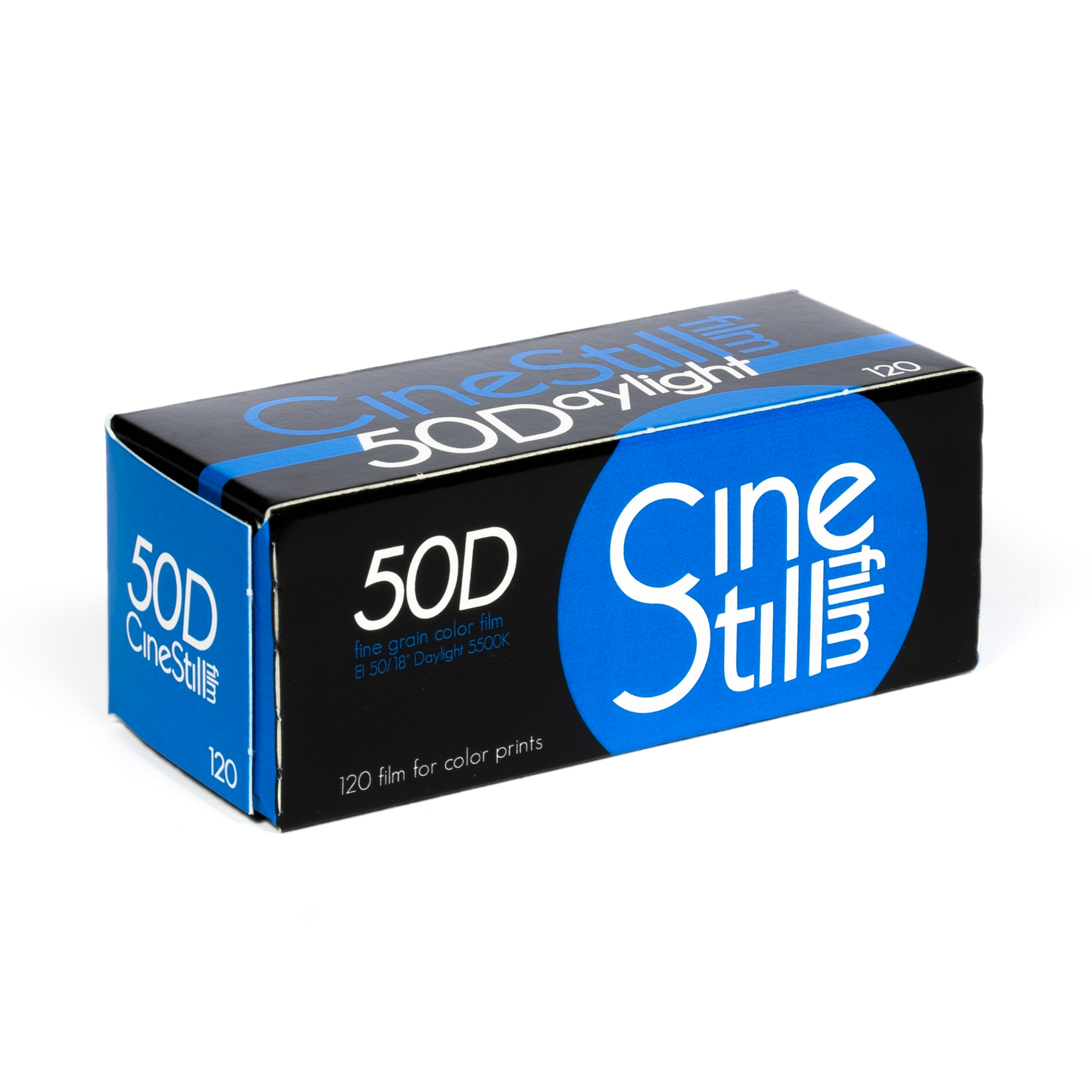
When using a film camera, you need to purchase rolls of film, which can vary in price depending on the type and brand. Additionally, you will need to factor in the cost of developing the film. Developing film can add up quickly, especially if you are shooting frequently.
Film Costs
- Film prices can range from a few dollars per roll for basic film to over $20 for specialty films.
- Buying film in bulk may help reduce costs per roll.
Developing Costs
- Developing a roll of film can cost anywhere from $5 to $15, depending on where you go.
- Higher-quality developing services may come at a premium price.
Waiting for Photo Prints
One of the unique aspects of using a film camera is the anticipation of waiting for your photo prints to be developed. There’s a certain charm in not being able to instantly see the results of your shots, unlike with a digital camera where you can view and delete photos on the spot.
Patience is key when waiting for your film to be developed. It builds excitement and adds a sense of mystery to the process. You never quite know how your photos will turn out until you see the final prints.
While waiting for your prints, you can reflect on the moments you captured and the stories behind each shot. It’s a different experience compared to the instant gratification of digital photography.
So embrace the waiting game, savor the anticipation, and enjoy the surprise when your film prints finally arrive.
Quality and Authenticity of Film Photos
Film photography has a unique quality that is hard to replicate with digital cameras. The grain, color reproduction, and overall aesthetic of film photos often have a timeless and authentic feel that many photographers appreciate.
Grain
One of the distinctive characteristics of film photos is the grain. Film grain adds texture and depth to images, giving them a unique look that is hard to replicate digitally. While some may see grain as a flaw, many photographers embrace it as part of the charm of film photography.
Color Reproduction
Film has a different color palette compared to digital sensors, resulting in unique color reproduction. Film photos often have a more organic and natural color rendition, with subtle variations that can enhance the mood and atmosphere of the image.
FAQ
What are the advantages of using a digital camera over a film camera?
Digital cameras offer instant feedback, easy sharing of photos online, and the ability to take more photos without worrying about film costs. Additionally, digital cameras have higher resolution capabilities and allow for easy editing and manipulation of photos.
Is there still a place for film cameras in today’s digital age?
Yes, film cameras can provide a unique and nostalgic photography experience. Film photography requires a more thoughtful and deliberate approach to taking photos, resulting in a different aesthetic compared to digital images. Some photographers also appreciate the hands-on process of developing film and the unpredictable nature of film photography.



I disagree that film is always better for quality. Digital cameras have come a long way and can produce stunning images, especially in lower light.
Digital cameras are great for convenience. I can take hundreds of photos without worrying about running out of film, and editing is way easier. But I do miss the character film offers.
That's a common sentiment! Digital offers flexibility, while film provides that unique charm. Both have their place in photography.
I'm new to photography and trying to decide between a digital camera and a film camera. Can anyone share what helped them make their choice?
I started with digital because it's easier to learn the basics. But now I’m leaning towards film for the aesthetic. It really depends on your goals!
I switched to film last year and have never looked back. The process is slower, which really makes me think about each shot. Plus, I love the grain and colors! It feels more rewarding than instant results from digital.