
 Carmen J. Moore

Embarking on the journey of photography with a digital SLR camera can be both exciting and overwhelming for beginners. These powerful cameras offer a myriad of features and settings that can significantly enhance your photos, but understanding how to use them effectively is crucial. In this guide, we will explore the essential techniques and tips to help you make the most of your digital SLR camera.
Understanding the Basics: Before diving into the more advanced features of your digital SLR camera, it is important to grasp the fundamental concepts. Learn about aperture, shutter speed, and ISO settings, as they play a vital role in controlling the exposure and depth of field in your images. Experiment with different settings to see how they impact your photos.
Mastering Manual Mode: While the automatic modes on your camera can be convenient, switching to manual mode allows you to have full control over your settings. Practice adjusting the aperture, shutter speed, and ISO to achieve the desired exposure. Take your time to understand how each setting affects the final image.


Understanding Camera Settings
Before you start using your digital SLR camera, it’s important to understand the different camera settings and how they affect your photos. Here are some key settings you should be familiar with:
1. Aperture
The aperture setting controls the size of the opening in the lens through which light enters the camera. A smaller aperture (higher f-stop number) will result in a larger depth of field, while a larger aperture (lower f-stop number) will create a shallower depth of field.
2. Shutter Speed
Shutter speed determines how long the camera’s shutter remains open to allow light to hit the sensor. A faster shutter speed is ideal for capturing fast-moving subjects, while a slower shutter speed can create motion blur in your photos.
By mastering these settings and experimenting with them, you can take your photography skills to the next level and capture stunning images with your digital SLR camera.
Choosing the Right Lens
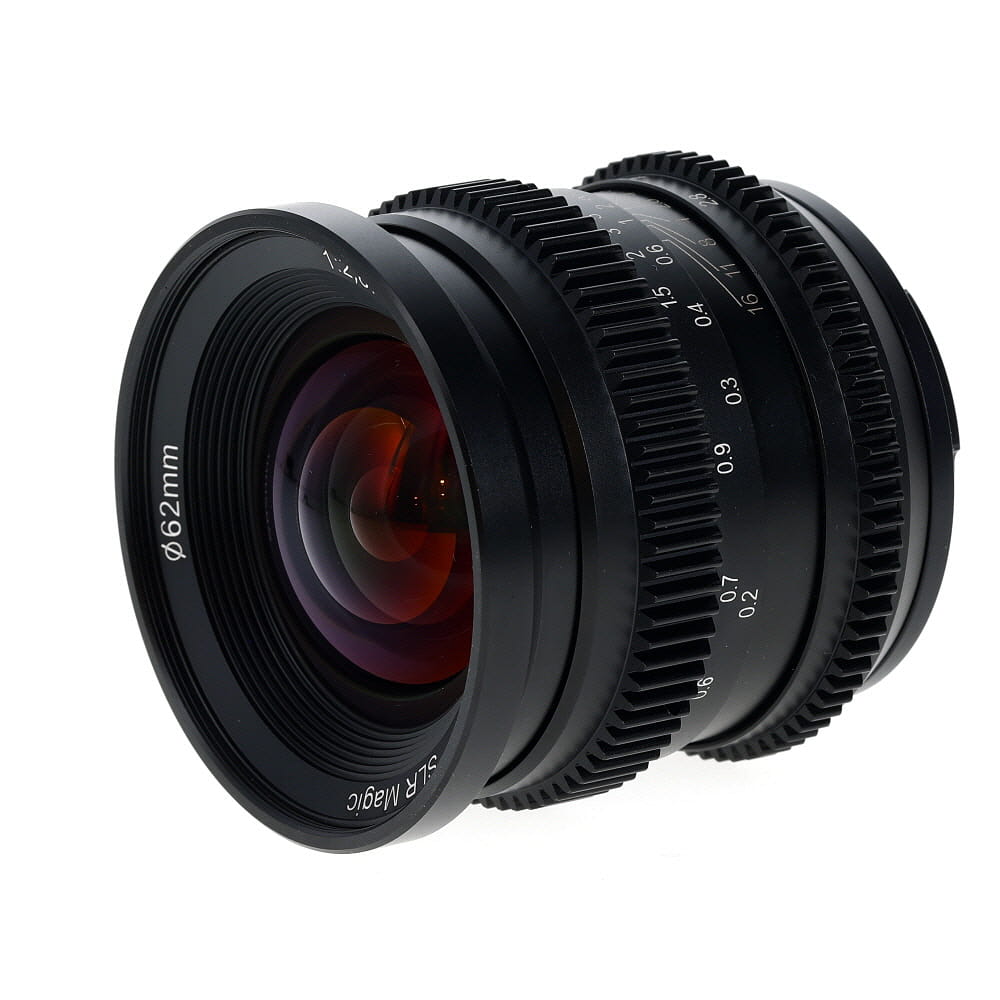
One of the key components of a digital SLR camera is the lens. Choosing the right lens is crucial for capturing the best possible images. There are a few factors to consider when selecting a lens:
| Focal Length: | Different lenses have different focal lengths, which determine how much of the scene will be captured. Wide-angle lenses are great for landscapes, while telephoto lenses are ideal for capturing distant subjects. |
| Aperture: | The aperture of a lens affects the amount of light that reaches the camera sensor. Lenses with wider apertures (lower f-stop numbers) are better for low light situations and creating a shallow depth of field. |
| Zoom vs. Prime: | Zoom lenses offer a range of focal lengths in one lens, providing versatility. Prime lenses have a fixed focal length but often offer better image quality and wider apertures. |
| Image Stabilization: | Some lenses come with image stabilization technology, which helps reduce camera shake and blur in handheld shots. This can be especially useful in low light conditions or when shooting at longer focal lengths. |
Consider your photography needs and preferences when choosing a lens for your digital SLR camera. Experiment with different lenses to find the one that best suits your style and subjects.
Mastering Manual Mode
One of the key features of a digital SLR camera is the ability to shoot in manual mode, giving you complete control over settings such as aperture, shutter speed, and ISO. While it may seem daunting at first, mastering manual mode can greatly improve the quality of your photos and give you more creative control.
Here are some tips for getting started with manual mode:
- Understand the Exposure Triangle: Manual mode allows you to adjust the three key elements of exposure – aperture, shutter speed, and ISO. Understanding how these settings interact with each other is crucial for getting the right exposure in your photos.
- Practice, Practice, Practice: The best way to master manual mode is to practice using it regularly. Experiment with different settings and see how they affect your photos. Over time, you’ll develop a better understanding of how to use manual mode effectively.
- Use a Tripod: When shooting in manual mode, especially in low light situations, using a tripod can help you get sharp, clear photos. It allows you to use slower shutter speeds without introducing camera shake.
- Bracket Your Shots: If you’re unsure about the best settings for a particular scene, try bracketing your shots. This involves taking multiple photos at different exposure settings to ensure you capture the scene correctly.
- Review and Learn: After each shoot, take the time to review your photos and analyze the settings you used. Look for patterns or trends in your photos and learn from your mistakes to improve your skills in manual mode.
Tips for Composition
Composition is key to creating visually appealing and interesting photographs. Here are some tips to help you improve your composition when using a digital SLR camera:
Rule of Thirds
One of the most basic rules of composition is the rule of thirds. Imagine dividing your frame into nine equal parts with two horizontal and two vertical lines. By placing your subject along these lines or at the points where they intersect, you can create a more dynamic and balanced composition.
Leading Lines
Use leading lines in your composition to guide the viewer’s eye through the image. This can create a sense of depth and draw attention to your subject. Look for natural lines in the scene, such as roads, fences, or tree branches, and use them to lead the viewer’s gaze.
| Tip | Experiment with different angles and perspectives to find the most interesting composition for your subject. |
Understanding Exposure Triangle
Exposure Triangle is a fundamental concept in photography that involves three key elements: aperture, shutter speed, and ISO. Understanding how these three factors work together is crucial for achieving well-exposed photos.
Aperture refers to the size of the opening in the lens through which light enters the camera. A larger aperture (smaller f-number) allows more light to enter, while a smaller aperture (larger f-number) lets in less light. Aperture also affects depth of field, or the range of sharpness in a photo.
Shutter speed determines how long the camera’s shutter remains open to expose the image sensor to light. A faster shutter speed freezes motion but lets in less light, while a slower shutter speed allows more light but may result in motion blur.
ISO measures the sensitivity of the image sensor to light. A lower ISO produces cleaner images but requires more light, while a higher ISO is more sensitive to light but may introduce noise or grain in the image.
By adjusting these three settings, photographers can control the exposure of their photos and achieve the desired creative effects. Experimenting with different combinations of aperture, shutter speed, and ISO will help beginners understand the Exposure Triangle and improve their photography skills.
Using Camera Accessories
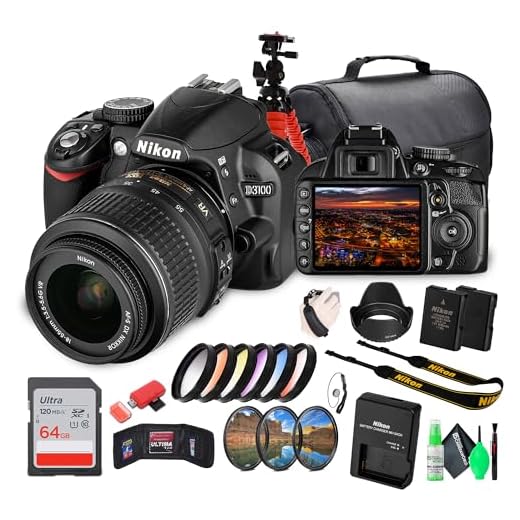
Once you have familiarized yourself with your digital SLR camera, you may want to consider using various camera accessories to enhance your photography experience.
Lenses: Invest in different lenses to achieve a variety of effects in your photos. Wide-angle lenses are great for landscapes, while telephoto lenses are perfect for capturing distant subjects.
Tripod: A tripod is essential for shooting stable and sharp images, especially in low light conditions. It helps reduce camera shake and allows for long exposure shots.
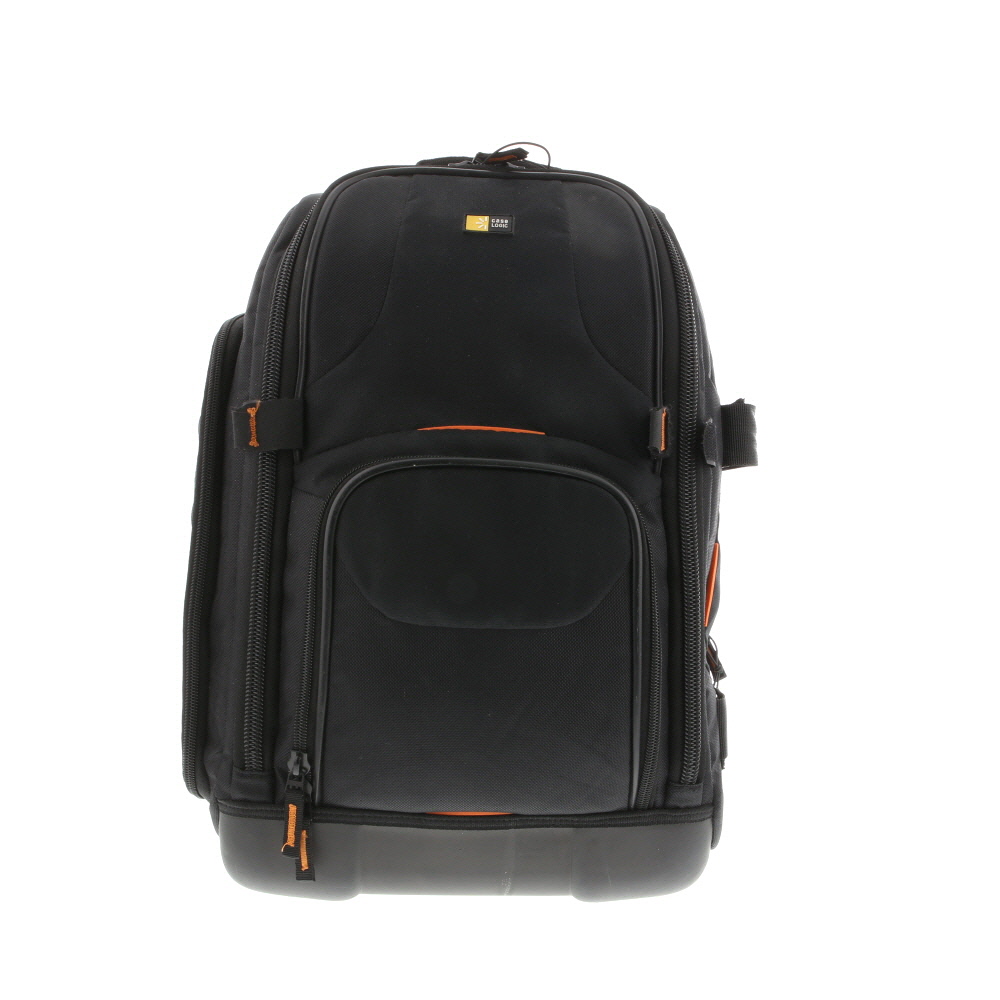
Camera Bag: Protect your camera and accessories with a good quality camera bag. Look for one that is padded and has compartments for easy organization.
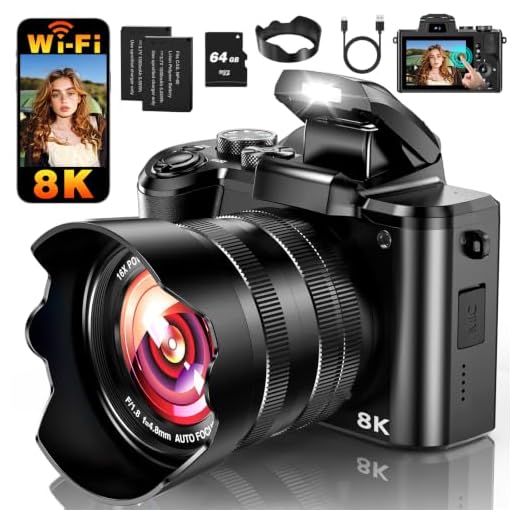
External Flash: An external flash can improve your photos in low light situations and provide more control over lighting. Experiment with bouncing the flash for softer lighting.
Filters: Consider using filters like polarizers or neutral density filters to enhance your images. They can reduce glare, enhance colors, or create special effects.
Remote Shutter Release: This accessory allows you to trigger the camera without physically touching it, which is useful for long exposure shots or self-portraits.
By using these accessories, you can expand your creativity and take your photography skills to the next level.
Post-processing Techniques
Once you have captured your images with your digital SLR camera, the next step is post-processing. Post-processing involves editing your images to enhance their quality and bring out the best in them. Here are some post-processing techniques for beginners:

- Adjust the Exposure: Use software like Adobe Lightroom or Photoshop to adjust the exposure of your images. You can increase or decrease the exposure to make your photos brighter or darker.
- White Balance Correction: Correct the white balance of your images to ensure accurate colors. You can use the white balance tool in post-processing software to adjust the color temperature of your photos.
- Crop and Straighten: Crop your images to remove distractions or improve composition. You can also straighten crooked horizons using the cropping tool.
- Sharpening: Apply sharpening to enhance the details in your images. Be careful not to over-sharpen, as it can introduce noise.
- Adjust Contrast and Saturation: Enhance the contrast and saturation of your images to make them pop. Adjust these settings to achieve the desired look.
Experiment with these post-processing techniques to bring out the best in your digital SLR photos and create stunning images.
Practice and Patience
Using a digital SLR camera for the first time can be overwhelming, but like any skill, practice makes perfect. Take your camera out regularly and experiment with different settings and techniques. Try shooting in different lighting conditions, angles, and compositions to develop your eye for photography.
Remember that learning to use a digital SLR camera takes time and patience. Don’t get discouraged if your first few shots don’t turn out as you hoped. Keep practicing and honing your skills, and you’ll see improvement over time.
FAQ
What are the basic settings to consider when using a digital SLR camera for beginners?
When using a digital SLR camera for the first time, beginners should start by familiarizing themselves with the basic settings such as aperture, shutter speed, and ISO. Understanding how these settings work together to control exposure is crucial for capturing well-exposed photos. Additionally, learning about white balance, focus modes, and shooting modes will help beginners improve their photography skills.
How can beginners practice using a digital SLR camera to improve their photography skills?
Beginners can practice using a digital SLR camera by experimenting with different settings in various lighting conditions. They can start by taking photos in automatic mode and gradually transition to manual mode as they become more comfortable with the camera’s controls. Practicing composition techniques, such as the rule of thirds and leading lines, can also help beginners create more visually appealing images. Additionally, seeking feedback from experienced photographers and participating in photography challenges can provide valuable learning opportunities.



I'm a complete beginner with my first DSLR. Can you explain a bit more about how the aperture affects depth of field? I want to understand how to use it creatively.
Great question! The aperture controls the size of the lens opening, which impacts how much light enters the camera. A wider aperture (lower f-stop number) gives you a shallow depth of field, which means only a small part of the image is in focus, ideal for portraits. In contrast, a smaller aperture (higher f-stop number) increases the depth of field, making more of the scene sharp, which is great for landscapes.
The article mentions bracketing shots when unsure about exposure, but I'm a bit confused. How exactly does that work? Do I need to take a lot of pictures quickly, or is there a specific method to it?
Bracketing involves taking multiple shots of the same scene at different exposure settings. For example, you might take one shot at the correct exposure, one overexposed, and one underexposed. This gives you options to choose from later. It’s best to adjust the settings in small increments to see how they affect the image.
I disagree that prime lenses are always better than zoom lenses. I think zooms offer more versatility, especially for beginners who might find it challenging to switch lenses frequently. It really depends on the situation.
I've been using my DSLR in automatic mode for a while, but switching to manual was a game changer! It really allows for more creativity in my shots. Just takes some practice to get used to it.