
 Carmen J. Moore

Indoor photography can present unique challenges, but with the right techniques and equipment, you can capture stunning images in any indoor setting. Whether you’re photographing a cozy living room or a bustling event, understanding how to make the most of your digital camera’s capabilities is essential for achieving professional-looking results.
In this article, we’ll explore a variety of tips and tricks to help you take your indoor photography to the next level. From mastering lighting and composition to utilizing the right settings on your camera, you’ll learn how to create beautiful indoor photos that truly stand out.
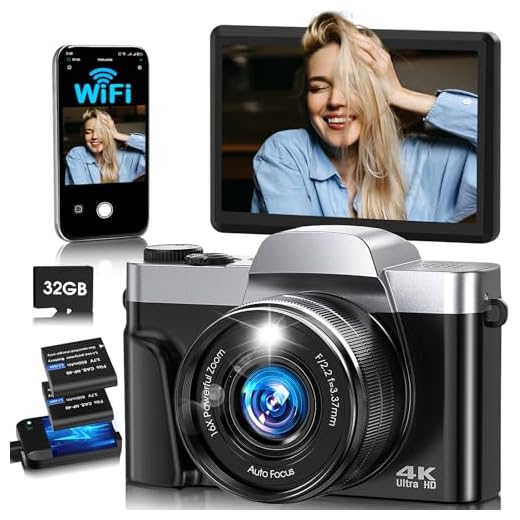
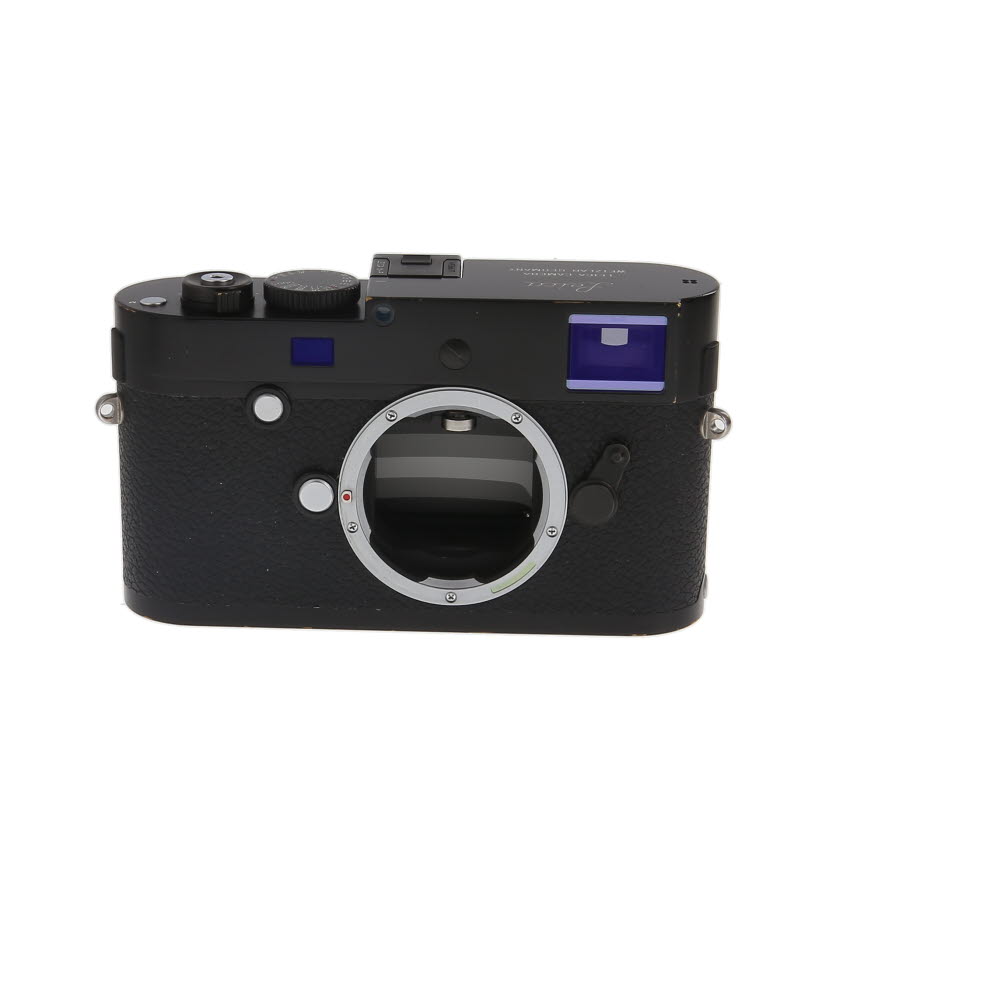
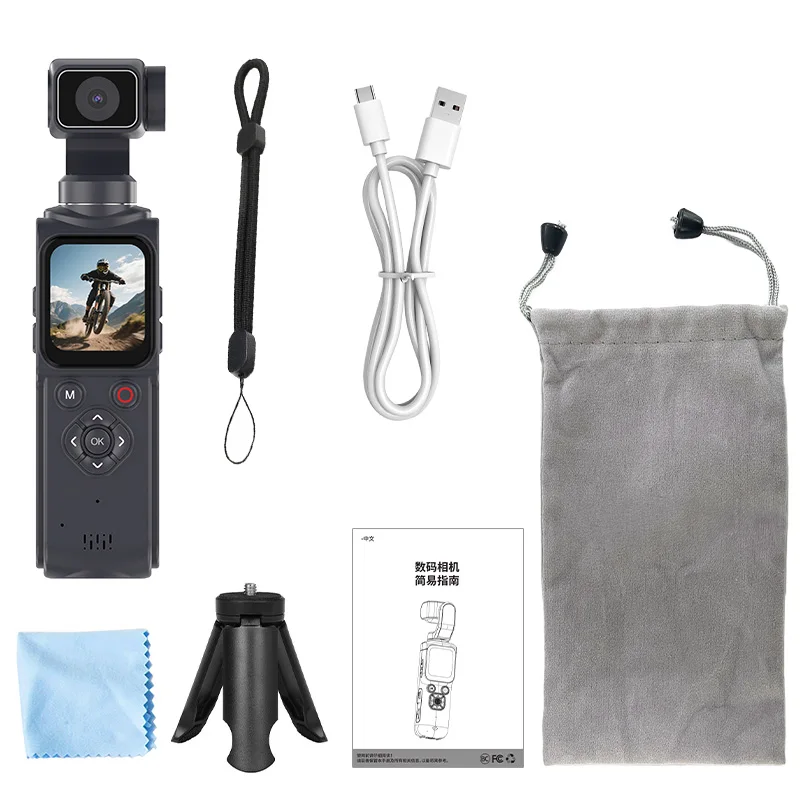

So grab your digital camera, set up your indoor shooting space, and get ready to elevate your photography skills with these expert tips!
Mastering Indoor Photography
Indoor photography can be a challenge due to limited lighting conditions and confined spaces. However, with the right techniques, you can capture stunning indoor photos with your digital camera. Here are some tips to help you master indoor photography:
1. Use a tripod
When shooting indoors, the lighting is often not sufficient for handheld photography. Using a tripod will help stabilize your camera and prevent blurry photos. It will also allow you to use slower shutter speeds without introducing camera shake.
2. Adjust your camera settings
Experiment with different camera settings such as ISO, aperture, and shutter speed to achieve the desired exposure. Increase the ISO for low-light situations, use a wide aperture for a shallow depth of field, and adjust the shutter speed to control motion blur.
| ISO | Aperture | Shutter Speed |
|---|---|---|
| Use a higher ISO (e.g. 800-1600) for low-light conditions | Use a wide aperture (e.g. f/2.8) for a shallow depth of field | Adjust the shutter speed to freeze or blur motion |
Choosing the Right Camera
When it comes to taking good indoor photos, choosing the right camera is crucial. Consider the following factors when selecting a digital camera for indoor photography:

1. Low Light Performance: Look for a camera with good low light performance to capture clear and sharp images in indoor settings with limited light.
2. High ISO Sensitivity: A camera with high ISO sensitivity will allow you to shoot in low light conditions without compromising image quality.
3. Image Quality: Opt for a camera that offers high resolution and good image quality to ensure your indoor photos look crisp and vibrant.
4. Lens Options: Consider cameras with interchangeable lenses if you want more flexibility in capturing different indoor scenes.
5. Size and Portability: Choose a camera that is compact and easy to carry around, especially if you plan to take indoor photos on the go.
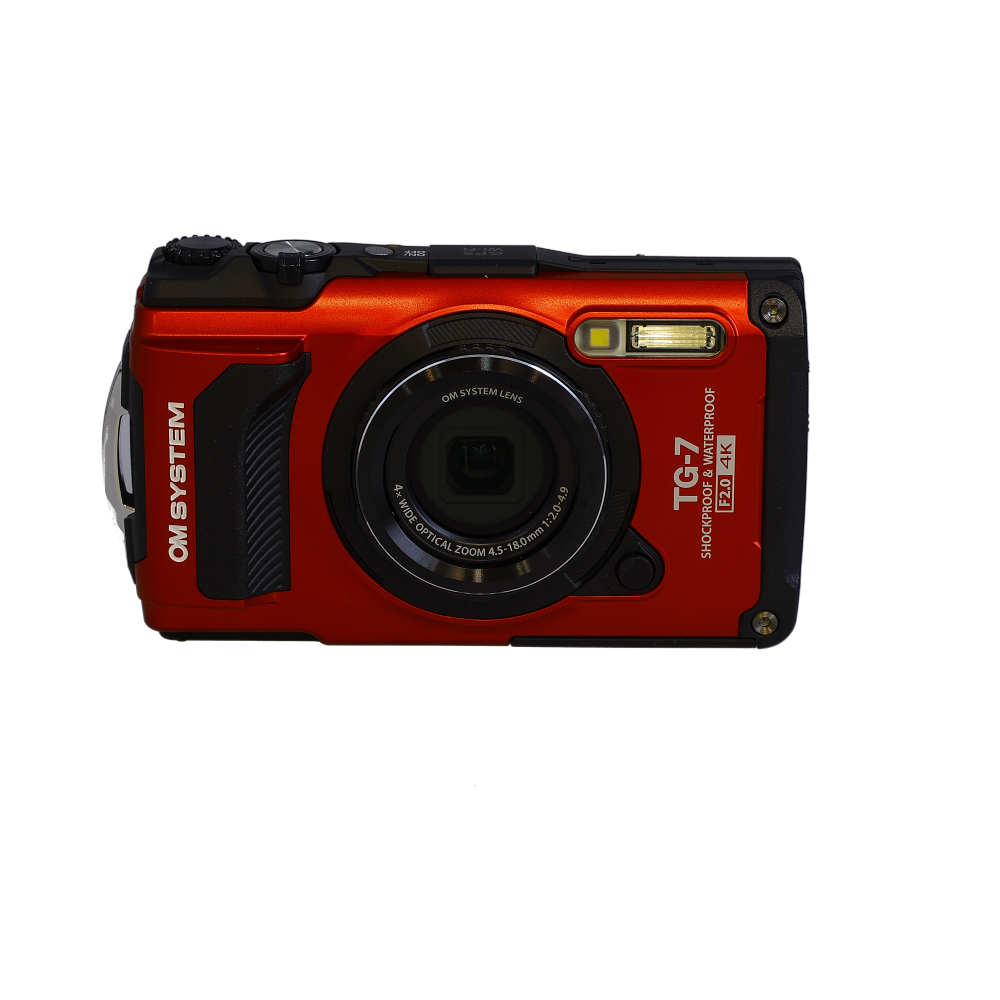
By considering these factors, you can select the right digital camera that suits your indoor photography needs and helps you capture stunning images indoors.
Understanding Lighting Techniques
Lighting is crucial when taking indoor photos with a digital camera. Here are some key lighting techniques to keep in mind:
1. Natural Light: Utilize natural light sources such as windows to create a soft and flattering light for your photos. Position your subject near a window to take advantage of this beautiful light.
2. Artificial Light: If natural light is not available or insufficient, consider using artificial light sources like lamps or studio lights. Experiment with different angles and intensities to achieve the desired lighting effect.
3. Diffuse Light: To avoid harsh shadows and create a more even lighting, use diffusers such as paper or fabric to soften the light source. This technique is especially useful for portrait photography.
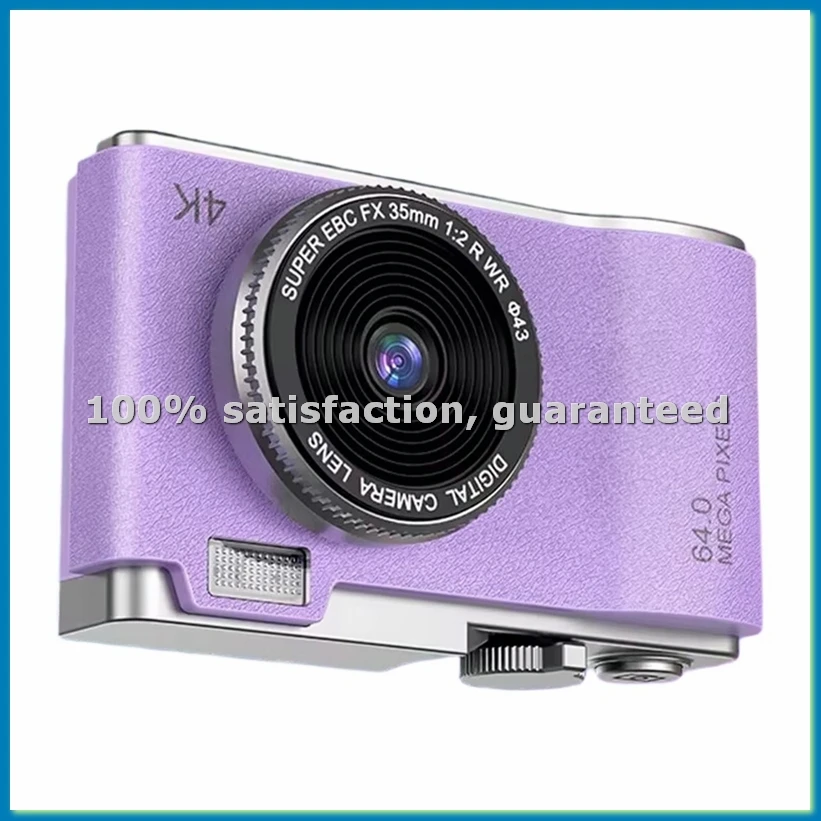
4. Reflective Surfaces: Reflective surfaces like white walls or mirrors can help bounce light back onto your subject, filling in shadows and creating a more balanced lighting situation.
5. Experimentation: Don’t be afraid to experiment with different lighting setups and techniques to find what works best for your specific indoor photography needs. Practice and experience will help you master the art of indoor lighting.
Setting the Correct White Balance
Indoor lighting can have different color temperatures, which can affect the overall color cast of your photos. To ensure accurate colors, it’s important to set the white balance on your digital camera. White balance settings include options like Auto, Tungsten, Fluorescent, Daylight, and Custom. Experiment with these settings to find the one that best matches the lighting conditions of your indoor environment.
Using Tripods for Stability
One of the key elements to capturing sharp indoor photos is stability. To prevent camera shake and ensure crisp images, consider using a tripod. A tripod provides a stable platform for your camera, reducing the risk of blurriness caused by hand movements.
When selecting a tripod, look for one that is sturdy and adjustable to suit different shooting angles. Position the tripod at a height that allows you to comfortably compose your shot without straining. Additionally, make sure to lock the tripod securely in place to avoid any wobbling during the exposure.

Experimenting with Different Angles
One way to add interest to your indoor photos is by experimenting with different angles. Instead of always shooting straight on, try shooting from above or below the subject for a unique perspective. You can also try shooting from different sides or angles to capture the subject in a new light.
For example, if you’re taking a photo of a flower arrangement on a table, try shooting from directly above the flowers to capture a flat lay image. Or, if you’re photographing a person, experiment with shooting from a low angle to create a more dramatic effect.
By playing around with different angles, you can discover new ways to showcase your indoor subjects and create visually interesting photos.
Utilizing Natural Light Sources
When taking indoor photos with a digital camera, utilizing natural light sources can make a huge difference in the quality of your images. Here are some tips to help you make the most of natural light:
1. Positioning
Place your subject near a window or other natural light source to take advantage of the soft, diffused light. Avoid direct sunlight, as it can create harsh shadows and overexposure.
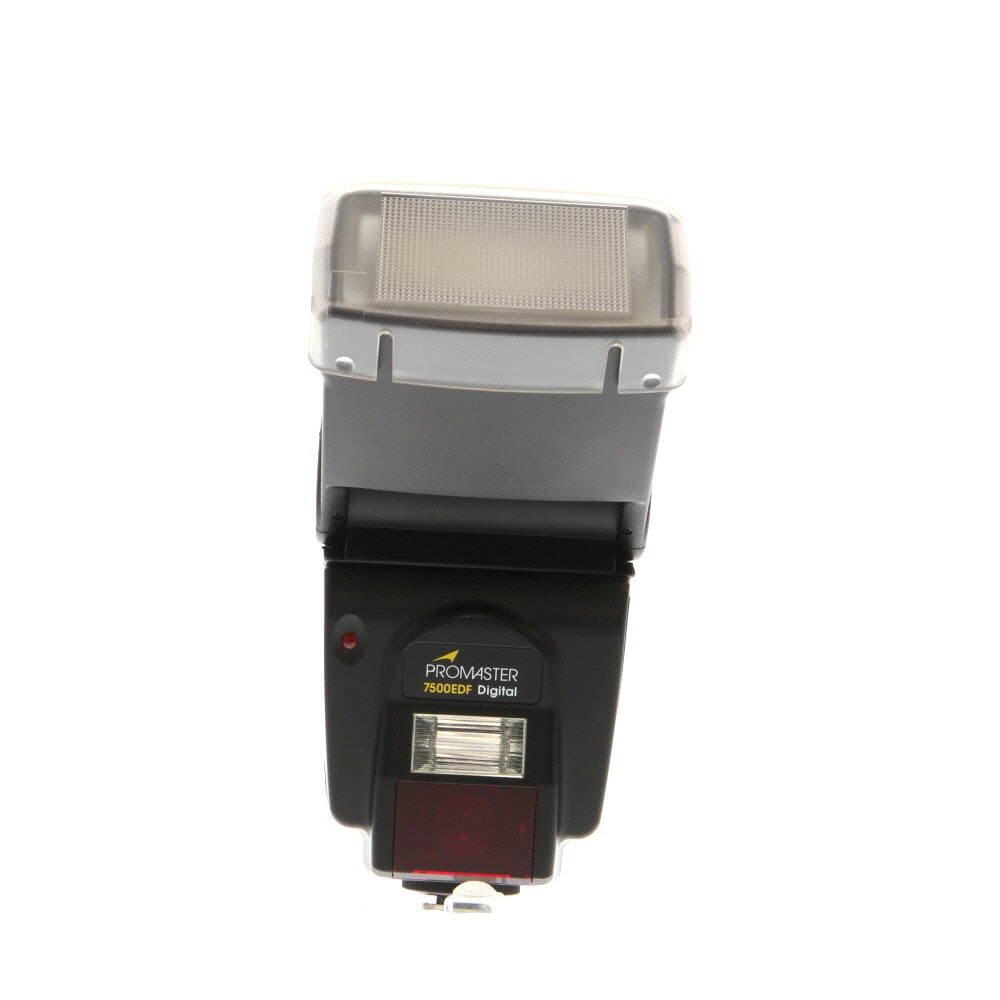
2. Time of Day
Consider the time of day when planning your indoor photo shoot. The best natural light is usually in the morning or late afternoon when the sun is lower in the sky and produces a warm, golden glow.
Editing Tips for Indoor Photos
Once you have taken your indoor photos, it’s time to edit them to make them look even better. Here are some editing tips:
1. Adjust the exposure: Indoor lighting can sometimes result in photos that are too dark or too bright. Use the exposure adjustment tool in your editing software to balance the lighting and make the photo look more natural.
2. Enhance colors: Indoor lighting can also affect the colors in your photos. Use the color correction tools to enhance the colors and make them more vibrant.
3. Crop and straighten: If your indoor photos have distracting elements or are not perfectly aligned, use the cropping and straightening tools to improve the composition of the photo.

4. Remove noise: Indoor photos taken in low light conditions can sometimes have noise or graininess. Use the noise reduction tools to clean up the image and make it look smoother.
5. Add filters or effects: Experiment with different filters and effects to give your indoor photos a unique look and feel.
By following these editing tips, you can enhance the quality of your indoor photos and make them stand out even more.
Capturing Details and Textures
When taking indoor photos with your digital camera, pay attention to the details and textures in your surroundings. Look for interesting patterns, textures, and small details that can add depth and visual interest to your photos.
Focus on capturing the intricate details of objects such as fabrics, furniture, or decorations. Use a macro mode on your camera to get up close and personal with the textures and details you want to highlight.

Experiment with different angles and perspectives to showcase the textures in a unique way. Play with lighting to enhance the details and create shadows that add depth to your images.
Remember to adjust your camera settings to ensure sharp focus on the details you want to capture. Consider using a tripod to stabilize your camera and prevent blurriness in your photos.
By paying attention to details and textures, you can create visually engaging indoor photos that tell a story and capture the essence of your surroundings.
Practicing and Improving Your Skills
To become proficient in indoor photography, it’s crucial to practice regularly and continually work on improving your skills. Here are some tips to help you enhance your indoor photography abilities:
1. Experiment with different lighting setups and angles to understand how they affect your photos.
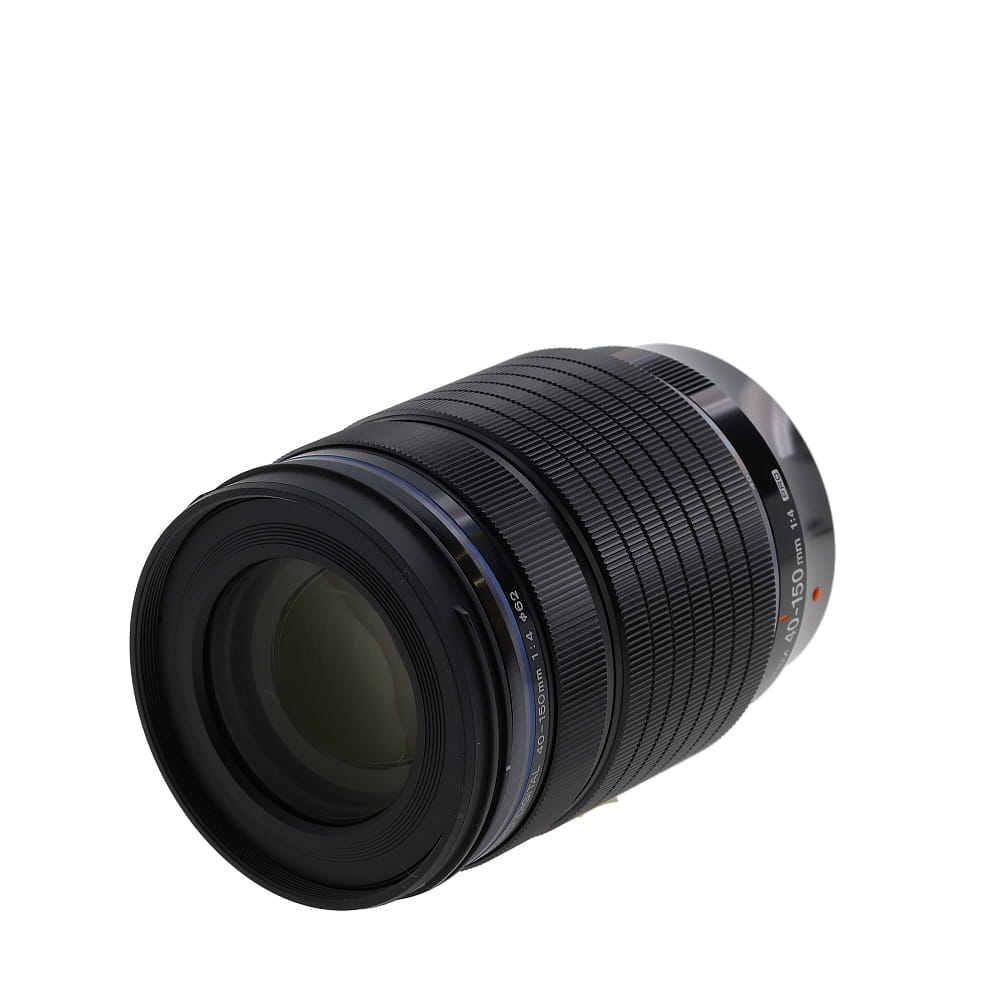
2. Practice adjusting your camera settings, such as ISO, aperture, and shutter speed, to achieve the desired exposure and sharpness.
3. Try different compositions and framing techniques to create visually appealing images.
4. Study the work of other photographers and draw inspiration from their styles and techniques.
5. Take the time to review and analyze your photos to identify areas for improvement and learn from your mistakes.
By dedicating time to practice and actively seeking ways to improve, you’ll gradually develop your indoor photography skills and capture stunning images with your digital camera.
FAQ
What settings should I use on my digital camera for indoor photography?
When taking indoor photos with a digital camera, it’s important to adjust the settings to suit the lighting conditions. Use a higher ISO setting to capture more light in darker indoor environments, but be careful not to go too high as it can introduce noise. Set a wide aperture (low f-stop number) to let in more light and create a shallow depth of field. You may also need to adjust the white balance to ensure accurate colors in artificial lighting.
How can I avoid blurry indoor photos with my digital camera?
To avoid blurry indoor photos, make sure to use a tripod or stabilize your camera on a flat surface to eliminate camera shake. If you’re shooting handheld, use a faster shutter speed to freeze motion and reduce the risk of blur. Additionally, consider using the camera’s image stabilization feature if available. Finally, focus on your subject carefully to ensure sharpness in your photos.
What are some tips for composition when taking indoor photos with a digital camera?
When composing indoor photos, pay attention to the lighting and try to use natural light sources like windows or lamps to create interesting shadows and highlights. Experiment with different angles and perspectives to add depth to your indoor shots. Consider the rule of thirds to create a balanced composition, and don’t be afraid to get creative with framing and cropping to highlight your subject.
Can you recommend any post-processing techniques for enhancing indoor photos taken with a digital camera?
After taking indoor photos with your digital camera, you can enhance them further through post-processing. Adjust the brightness and contrast to improve the overall exposure of the image. Use color correction tools to fine-tune the white balance and ensure accurate colors. Consider applying sharpening and noise reduction to enhance the clarity of your indoor photos. Experiment with different filters and effects to add a unique touch to your images.


I disagree about tripods being a must for all indoor photos. Sometimes I prefer shooting handheld for more natural, candid shots. It just depends on the style you’re going for.
I recently tried using a tripod for indoor shots, and it made a significant difference! I was able to use slower shutter speeds without any camera shake. I also found that shooting from slightly elevated angles gave my shots a more unique perspective. I recommend it to anyone who struggles with low light conditions.
I’m torn between getting a camera with high ISO sensitivity or one that has interchangeable lenses. Which do you think is more important for indoor photography?
Natural light is key! I always shoot by the windows for that soft look. It really transforms indoor photos!