
 Carmen J. Moore

With the advancements in digital technology, capturing high-quality images has become more accessible than ever. Whether you are a hobbyist or a professional photographer, understanding how to make your pictures look professional with a digital camera is essential.
Composition is key when it comes to creating professional-looking images. Pay attention to the framing, angles, and balance within your shots. Experiment with different perspectives to add depth and interest to your photos. Remember the rule of thirds and leading lines to guide the viewer’s eye through the image.
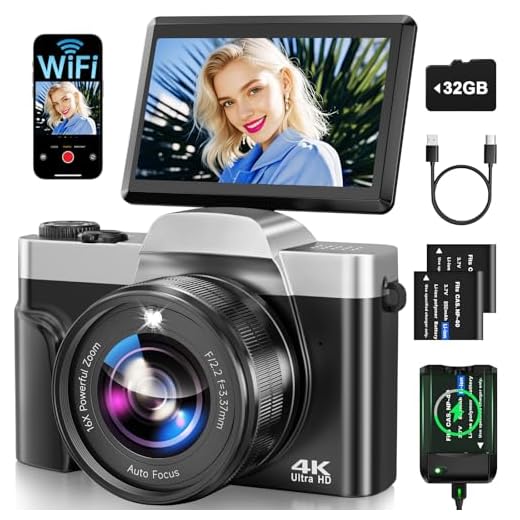
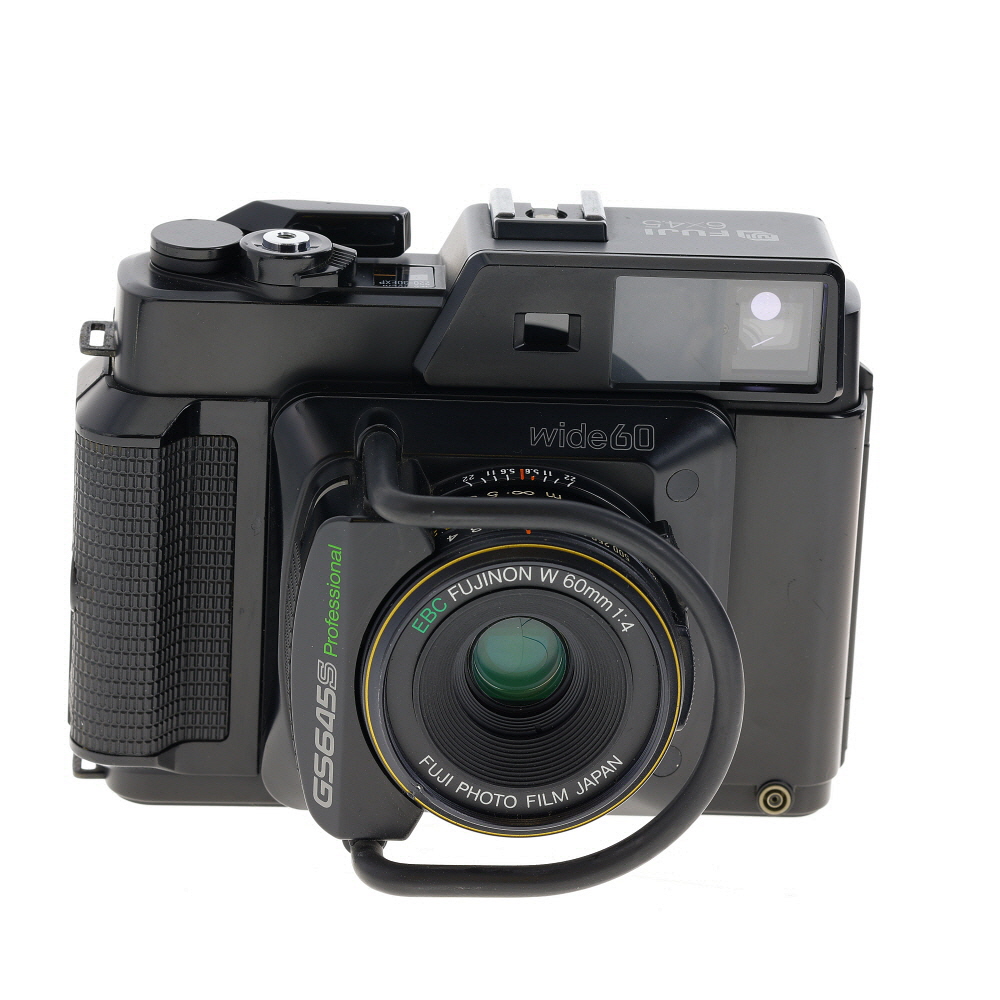
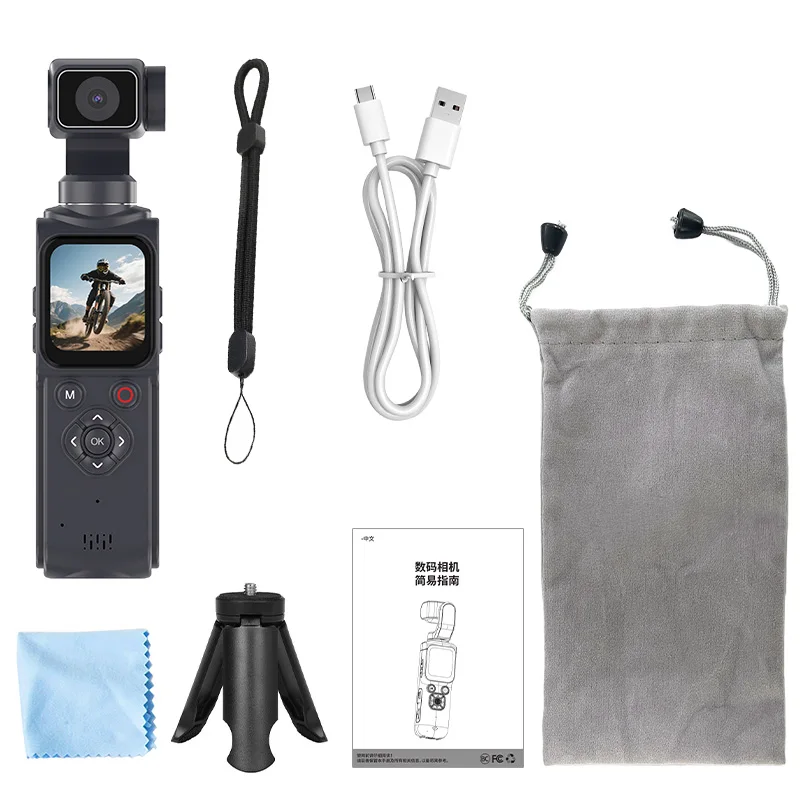

Lighting plays a crucial role in photography. Natural light is often the best choice for capturing professional-looking pictures. Avoid harsh midday sunlight and opt for softer, diffused light during the golden hours of sunrise and sunset. If shooting indoors, consider using artificial lighting sources to create a well-lit scene.
Mastering light and exposure
One of the most important factors in taking professional-looking photos is mastering light and exposure. Pay attention to the lighting conditions when you are shooting, whether it’s natural light or artificial light. Experiment with different angles and positions to see how the light affects your subject.
Understanding exposure is crucial for achieving the desired effect in your photos. Adjust the aperture, shutter speed, and ISO settings on your camera to control the amount of light that enters the lens. A well-exposed photo will have a good balance of light and shadow, bringing out the details and colors in your subject.
Use the histogram on your camera to check the exposure levels of your photos. This tool will help you make adjustments to ensure that your photos are properly exposed. Remember that proper exposure can make a huge difference in the overall quality of your images.
Understanding your camera settings
One of the key factors in capturing professional-looking photos with a digital camera is understanding and mastering your camera settings. Here are some important settings you should be familiar with:

1. Aperture
Aperture refers to the opening in the lens through which light passes. It controls the amount of light that enters the camera and also affects the depth of field in your photos. A wider aperture (lower f-stop) will result in a shallower depth of field, while a smaller aperture (higher f-stop) will result in a larger depth of field.
2. Shutter speed
Shutter speed determines how long the shutter remains open when taking a photo. A faster shutter speed will freeze motion and reduce blur, while a slower shutter speed will allow more light to enter the camera but may result in motion blur. It’s important to choose the right shutter speed depending on the subject and the effect you want to achieve.
Choosing the right composition
Composition plays a crucial role in making your pictures look professional. Here are some tips to help you choose the right composition:
Rule of Thirds
One of the most basic composition techniques is the rule of thirds. Imagine your image divided into nine equal parts with two horizontal and two vertical lines. Place key elements of your composition along these lines or at their intersections to create a more visually appealing image.
Leading Lines
Use leading lines to draw the viewer’s eye into the image. Look for natural lines in your scene, such as roads, fences, or rivers, and use them to guide the viewer’s gaze towards the main subject of your photo.
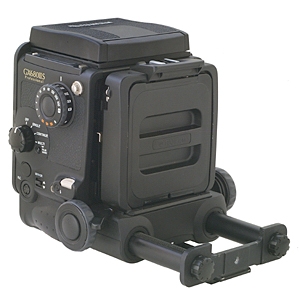
Using the rule of thirds
One of the most fundamental principles in photography is the rule of thirds. This rule divides your frame into a grid of nine equal sections by two horizontal and two vertical lines. By placing your subject along these lines or at the points where they intersect, you can create a more visually pleasing and balanced composition.
When composing your shot, imagine the grid overlay on your camera’s screen or viewfinder. Position your subject off-center to add interest and create a sense of movement in the image. This technique can help draw the viewer’s eye to the focal point of your photo and make it look more professional.
Remember, the rule of thirds is just a guideline, and breaking it intentionally can also result in creative and unique compositions. Experiment with different placements of your subject within the frame to find what works best for your specific photo.
Selecting the Best Lenses
When it comes to making your pictures look professional with a digital camera, selecting the right lenses is crucial. Different lenses have different focal lengths and aperture settings, which can greatly impact the look and feel of your photos.
Here are some tips for selecting the best lenses for professional-looking photos:
| Prime Lenses | Prime lenses have a fixed focal length, which means you can’t zoom in or out. However, they often have wider apertures, allowing for better low-light performance and a shallower depth of field. |
| Zoom Lenses | Zoom lenses offer versatility with their ability to zoom in and out, but they typically have smaller maximum apertures compared to prime lenses. They are great for capturing a variety of compositions without having to switch lenses. |
| Wide-Angle Lenses | Wide-angle lenses are ideal for capturing landscapes, architecture, and group shots. They have a wider field of view, allowing you to fit more into your frame. |
| Telephoto Lenses | Telephoto lenses are great for capturing subjects from a distance, such as wildlife or sports photography. They have a narrow field of view but allow you to zoom in on distant subjects. |
Consider your shooting style and the type of photography you want to pursue when selecting lenses for your digital camera. Investing in quality lenses can make a significant difference in the professional look of your photos.
Exploring different angles
Experimenting with different angles can instantly elevate the quality of your photos. Instead of always shooting from eye level, try getting down low or shooting from a higher vantage point. This can add interest and depth to your images.
Consider capturing your subject from different angles to find the most flattering and visually appealing view. Don’t be afraid to get creative and think outside the box when it comes to angles.
Editing for perfection
Once you have captured your images, the next step is to edit them to ensure they look as professional as possible. Here are some tips for editing your photos:
1. Adjust the exposure
One of the most important aspects of editing is adjusting the exposure of your photos. Make sure the brightness and contrast are balanced to enhance the overall look of the image.

2. Crop and straighten
Cropping your photos can help improve composition and eliminate any distracting elements. Straightening the image can also make it look more professional and polished.
By paying attention to these editing techniques, you can elevate your photos to a professional level and make them stand out.
Enhancing colors and contrast
One of the key aspects of making your pictures look more professional is enhancing the colors and contrast. This can be done easily with a digital camera by adjusting the settings or using post-processing software.
| Adjusting settings: | Experiment with the white balance setting to achieve accurate colors. Increase the contrast to make your images more dynamic and visually appealing. |
| Post-processing: | Use editing software like Adobe Photoshop or Lightroom to fine-tune the colors and contrast of your images. Adjust levels, curves, and saturation to make your pictures pop. |
| Consider presets: | Many editing programs offer presets that can instantly enhance the colors and contrast of your photos. Experiment with different presets to find the look that best suits your style. |
Investing in quality equipment
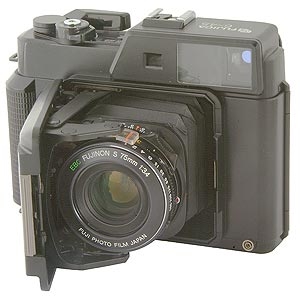
One of the key factors in making your pictures look professional is investing in quality equipment. A good digital camera with a high resolution and a variety of settings can make a significant difference in the quality of your photos. Make sure to research different camera models and choose one that fits your needs and budget.
In addition to a good camera, investing in high-quality lenses can also improve the overall look of your photos. Different lenses offer different features, such as wide-angle or macro capabilities, which can help you achieve the desired effect in your pictures.
Consider purchasing a tripod to stabilize your camera and prevent blurry shots, especially in low light conditions. A remote shutter release can also be helpful in minimizing camera shake and ensuring sharp images.
Finally, don’t overlook the importance of good lighting equipment. Investing in external flashes, reflectors, or softboxes can help you control the light in your photos and create professional-looking results.
Experimenting with creative techniques
Once you have mastered the basics of photography with your digital camera, it’s time to get creative and experiment with different techniques to make your pictures stand out. Here are some ideas to help you take your photography to the next level:
1. Play with composition: Try different angles, perspectives, and framing to create visually interesting images. Use the rule of thirds, leading lines, and symmetry to add depth and balance to your photos.
2. Experiment with lighting: Play with natural light, artificial light, and different lighting conditions to create mood and atmosphere in your photos. Try shooting during golden hour or using backlighting for dramatic effects.

3. Use creative filters: Explore the creative possibilities of your camera’s built-in filters or experiment with external filters to add unique effects to your photos. From black and white to vintage tones, filters can enhance the mood of your images.
4. Try long exposure: Experiment with long exposure photography to capture motion blur, light trails, or silky water effects. Use a tripod and slow shutter speed to create stunning and dynamic images.
5. Get close and personal: Explore macro photography by getting up close to your subject to capture intricate details and textures. Use a macro lens or the macro mode on your camera to reveal the beauty of small objects.
By experimenting with these creative techniques, you can elevate your photography skills and capture professional-looking pictures with your digital camera.
FAQ
What are some tips for taking professional-looking pictures with a digital camera?
To make pictures look professional with a digital camera, you can follow several tips. First, pay attention to lighting – natural light is usually the best option. Second, compose your shots carefully, using the rule of thirds for a balanced composition. Third, adjust your camera settings, such as aperture and shutter speed, to achieve the desired effect. Finally, consider post-processing your images with editing software to enhance colors and sharpness.

How can I improve the quality of my photographs with a digital camera?
To improve the quality of your photographs with a digital camera, you can start by cleaning the camera lens regularly to ensure sharp images. Additionally, experiment with different angles and perspectives to create more dynamic shots. Utilize the camera’s manual settings to have more control over the exposure and focus. Lastly, practice regularly and learn from your mistakes to refine your photography skills.
What are the key differences between professional and amateur photography with a digital camera?
The key differences between professional and amateur photography with a digital camera lie in the attention to detail and technical knowledge. Professionals often have a deep understanding of composition, lighting, and camera settings, allowing them to create high-quality images consistently. They also invest in equipment and software to enhance their work. Amateurs, on the other hand, may focus more on capturing moments without much consideration for technical aspects.
Can you recommend some digital cameras that can help me achieve professional-looking pictures?
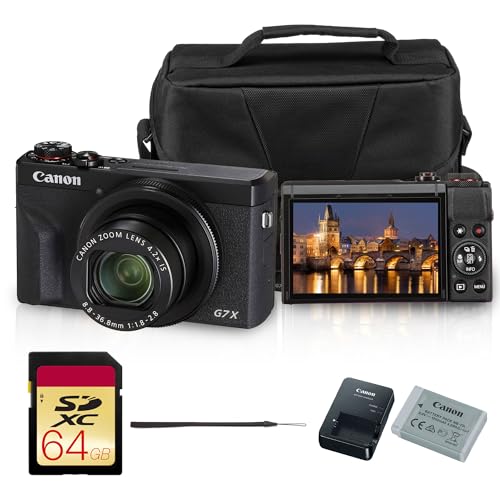
There are several digital cameras on the market that can help you achieve professional-looking pictures. Some popular options include the Canon EOS Rebel T7i, Nikon D7500, Sony Alpha a6000, and Fujifilm X-T3. These cameras offer advanced features such as high-resolution sensors, fast autofocus systems, and customizable settings that can elevate your photography skills. Consider your budget and specific needs when choosing a camera.


I've been using the rule of thirds for a while now, and it really has helped me improve my composition. However, I sometimes struggle with knowing when to break that rule for creative shots. Any tips on that?
I think breaking the rule of thirds can actually lead to some really striking images! Try to focus on the subject and how the placement feels rather than strictly adhering to the grid. It's all about feeling the moment.
What is the best time of day to take photos? You mentioned the golden hours, but is there a specific time range that works best?
The golden hours typically refer to the time just after sunrise and just before sunset. Generally, this is about an hour after sunrise and an hour before sunset, but it can vary based on your location and season.
Can you explain a bit more about how the histogram helps with exposure? I’ve seen it on my camera but never understood its full use.
I disagree that natural light is always the best choice. Sometimes, controlled artificial lighting can create effects that natural light just can't match, especially in studio settings.
I've found that using prime lenses has significantly improved the quality of my low-light photos. They are definitely worth the investment!