
 Carmen J. Moore

Blurry backgrounds can add a beautiful and professional touch to your photos, making the subject stand out and creating a sense of depth. Achieving this effect with a digital camera is easier than you might think. By adjusting your camera settings and following a few simple techniques, you can capture stunning images with a blurry background.
One of the key factors in creating a blurry background is controlling the depth of field. Depth of field refers to the range of distances in a photo that appear sharp. To achieve a shallow depth of field and blur the background, you can use a large aperture (small f-stop number) on your camera. A larger aperture lets in more light and creates a narrower depth of field, resulting in a blurred background while keeping the subject in focus.
Mastering the Art
Creating a beautifully blurred background with your digital camera is an art form that takes practice to master. Here are some tips to help you achieve that professional-looking bokeh effect:
1. Choose the Right Lens
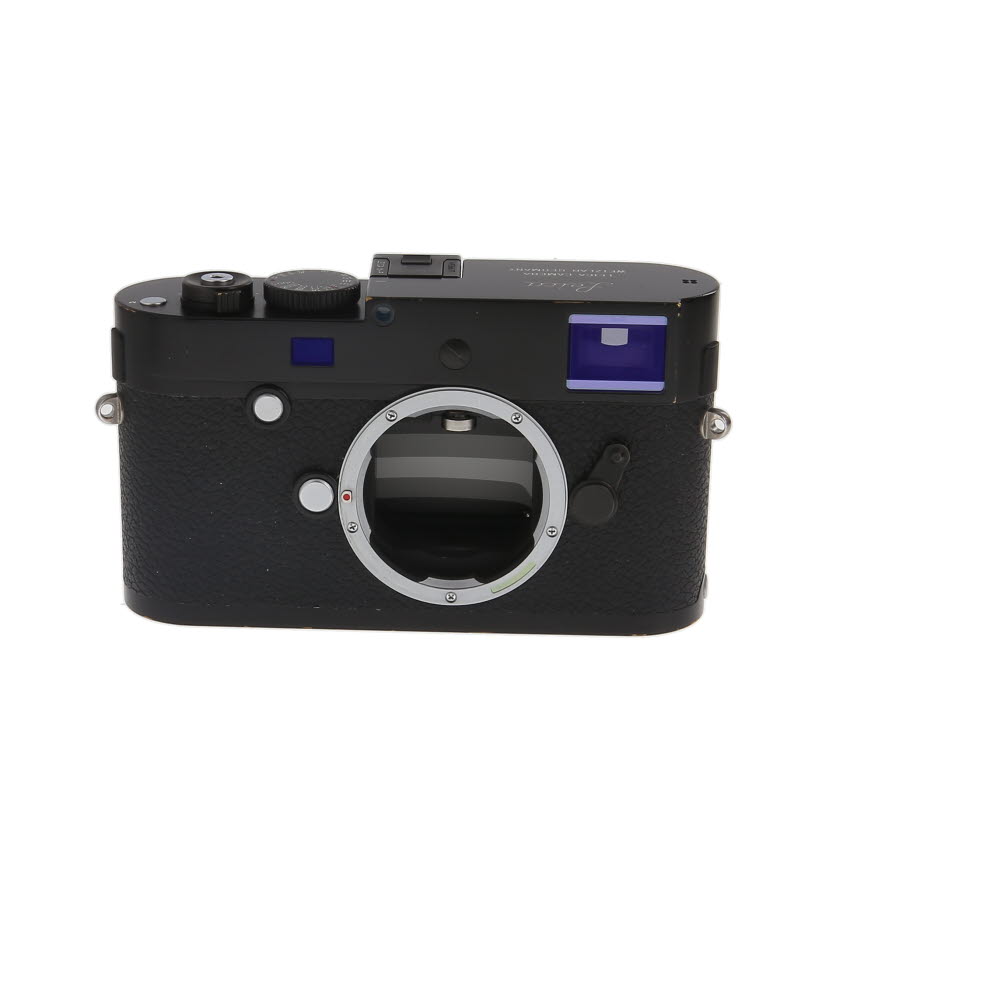
One of the key factors in achieving a blurry background is using the right lens. A lens with a wide aperture (such as f/1.8 or f/2.8) will allow more light to enter the camera, resulting in a shallower depth of field and a more pronounced bokeh effect.



2. Control the Depth of Field
Adjusting the aperture settings on your camera can help you control the depth of field and achieve the desired level of background blur. Use a wide aperture (low f-stop number) for a more pronounced blur, and a narrow aperture (high f-stop number) for sharper background details.
Understanding Depth of Field
Depth of field is a crucial concept in photography that refers to the area in a photograph that appears sharp and in focus. Understanding depth of field is essential for achieving that beautiful blurry background effect in your photos.
Factors Affecting Depth of Field
There are several factors that affect depth of field, including aperture size, focal length, and distance from the subject. A wider aperture (small f-stop number) creates a shallower depth of field, resulting in a more pronounced background blur. On the other hand, a narrower aperture (larger f-stop number) increases the depth of field, making more of the image in focus.
| Factor | Effect on Depth of Field |
|---|---|
| Aperture Size | Wider aperture (small f-stop number) = shallower depth of field |
| Focal Length | Longer focal length = shallower depth of field |
| Distance from Subject | Closer distance = shallower depth of field |
By understanding how these factors interact, you can manipulate your camera settings to achieve the desired depth of field and create stunning photos with a beautifully blurred background.
Choosing the Right Settings
When you want to achieve a blurry background effect with your digital camera, choosing the right settings is crucial. Here are some important settings to consider:

Aperture
One of the key settings for creating a blurry background is the aperture. A wider aperture (lower f-stop number) will result in a shallower depth of field, making the background more blurry. Experiment with different aperture settings to find the desired effect.
Focal Length
Using a longer focal length can also help in creating a blurry background. Telephoto lenses have a narrower depth of field, allowing you to isolate your subject and blur the background more effectively.
| Setting | Effect |
|---|---|
| Wide Aperture (e.g., f/2.8) | Shallower depth of field, more background blur |
| Longer Focal Length | Narrower depth of field, better background separation |
Using Aperture Priority Mode
Aperture Priority mode is a semi-automatic shooting mode that allows you to set the aperture while the camera adjusts the shutter speed to achieve proper exposure. This mode is perfect for controlling depth of field and creating a blurry background.
Here’s how to use Aperture Priority mode to make the background blurry:
- Set your camera to Aperture Priority mode (usually denoted by “A” or “Av” on the mode dial).
- Choose a wide aperture (small f-stop number) to create a shallow depth of field.
- Frame your subject and focus on it.
- Adjust your composition to include some distance between your subject and the background.
- Press the shutter button halfway to lock the focus and exposure.
- Press the shutter button fully to take the shot.
Focusing Techniques
When trying to achieve a blurry background with your digital camera, one of the key factors is proper focusing techniques. Here are some tips to help you achieve that desired effect:
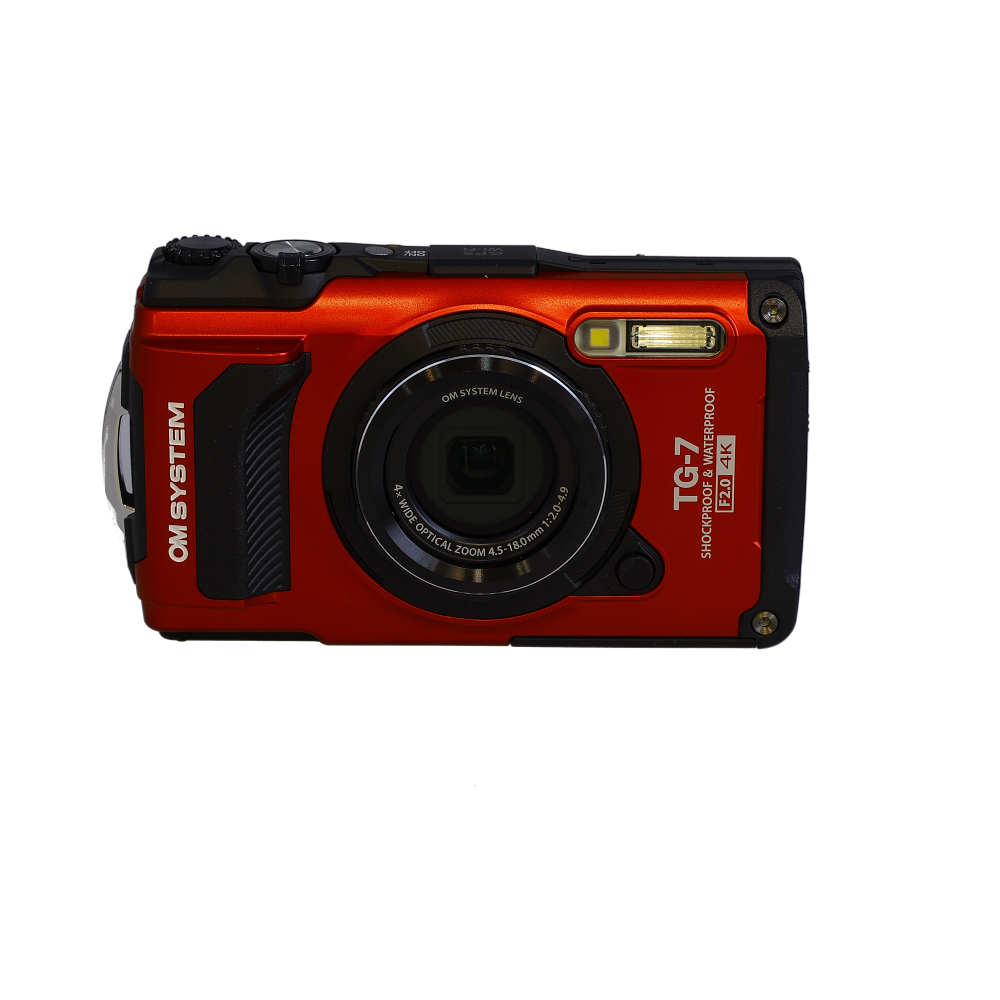
1. Use a wide aperture: A wider aperture (smaller f-stop number) will create a shallower depth of field, resulting in a blurry background. Experiment with different aperture settings to find the right balance.
2. Focus on the subject: Make sure the subject you want to be in focus is sharp and clear. Use the autofocus feature on your camera or manually adjust the focus to ensure the subject is crisp.
3. Create distance: Position your subject away from the background to create more separation. The farther the subject is from the background, the more pronounced the blur will be.
4. Use selective focus: If your camera has a selective focus feature, use it to highlight specific areas of the image while blurring out the rest. This can add depth and interest to your photos.
By incorporating these focusing techniques into your photography, you can capture stunning images with a beautifully blurred background.

Experimenting with Different Lenses
One way to achieve a blurry background with a digital camera is to experiment with different lenses. Lenses with wider apertures (lower f-stop numbers) are ideal for creating a shallow depth of field, which results in a blurry background. Prime lenses, such as a 50mm f/1.8 or a 85mm f/1.4, are popular choices for achieving this effect.
You can also try using a telephoto lens, such as a 70-200mm f/2.8, which can compress the background and make it appear more blurred. Zoom lenses with wide apertures, such as a 24-70mm f/2.8, can also help you achieve a nice bokeh effect in your photos.
Experimenting with different lenses and apertures will allow you to find the right combination to achieve the level of background blur you desire in your photos.
FAQ
How can I achieve a blurry background with my digital camera?
To achieve a blurry background with your digital camera, you can use a technique called shallow depth of field. This involves using a wide aperture (low f-stop number) on your camera to create a narrow plane of focus, while the background becomes blurred. Additionally, you can increase the distance between your subject and the background to enhance the blur effect.
What are some tips for making the background blurry in my photos?
There are several tips for making the background blurry in your photos. Firstly, use a lens with a wide aperture, such as a prime lens with a low f-stop number. Secondly, position your subject far away from the background to create more separation and blur. Lastly, consider using portrait mode on your camera, which is designed to automatically create a blurry background effect.




Good article! What specifically is the best aperture setting for beginners looking to create that blurry background effect? I have a basic DSLR and I'm still figuring out the settings.
Based on what I've read, starting with an aperture of around f/2.8 is a good balance. It lets in enough light while giving a nice blur. Just make sure to focus well on your subject!
I've been experimenting with my 50mm f/1.8 lens and the results have been amazing! The background blur is so much better compared to my kit lens. I found that standing further away from my subject really enhances the bokeh effect. It’s been a game-changer for my portraits.
Thanks for sharing your experience! A 50mm f/1.8 is indeed a great lens for achieving that blurry background. It's versatile and perfect for portraits.