
 Carmen J. Moore

Do you enjoy exploring the microscopic world but wish you could capture and share your discoveries with others? With a simple DIY project, you can create a microscope adapter for your digital camera that allows you to take high-quality photos and videos through the lens of your microscope. This adapter will help you document your findings, share them with fellow enthusiasts, or even contribute to scientific research.
Using basic materials and tools, you can construct a custom adapter that fits your digital camera snugly onto the eyepiece of your microscope. This setup allows you to align the camera lens with the microscope optics, enabling you to capture detailed images of the specimens under observation. Whether you are a hobbyist, a student, or a professional researcher, this adapter can enhance your microscopy experience and open up new possibilities for exploration and discovery.
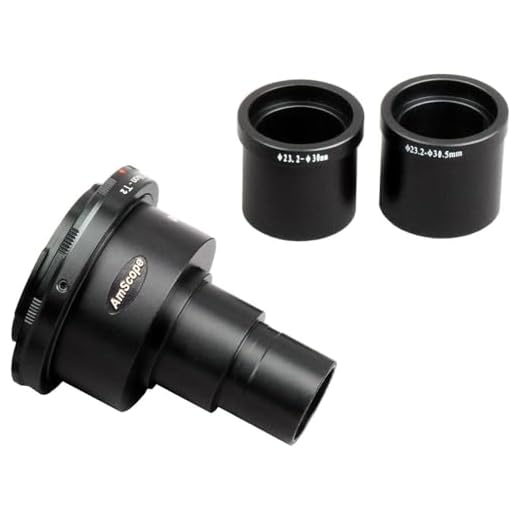
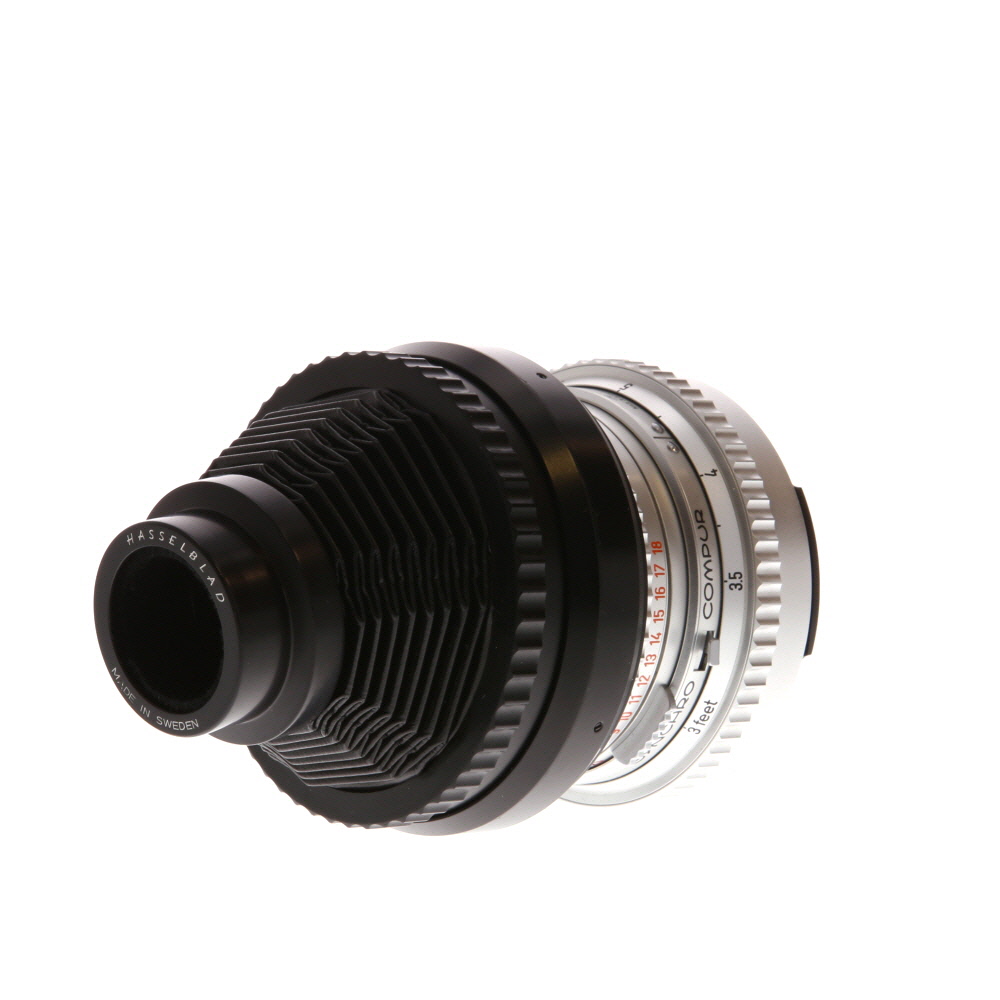

Follow our step-by-step guide to learn how to make your own microscope adapter for a digital camera. By following these instructions and using your creativity, you can enjoy a whole new perspective on the microscopic world and share your passion for microscopy with others.
Overview of Microscope Adapter for Digital Camera
A microscope adapter for a digital camera is a device that allows you to attach a camera to a microscope in order to capture images and videos of microscopic specimens. This adapter typically consists of a mounting mechanism that securely attaches the camera to the microscope eyepiece, ensuring proper alignment for capturing high-quality images.
Using a microscope adapter can enhance your microscopy experience by enabling you to document and share your observations with others. It allows you to capture detailed images of microscopic details that may be difficult to see with the naked eye.
Microscope adapters come in various designs and configurations to accommodate different types of microscopes and cameras. Some adapters are universal and can be used with a wide range of cameras, while others are specifically designed for certain microscope models or camera brands.
Overall, a microscope adapter for a digital camera is a valuable tool for any microscopy enthusiast or professional who wants to document and analyze microscopic specimens with precision and clarity.

Step-by-Step Guide to Creating an Adapter
Creating an adapter for your digital camera to use with a microscope can be a fun and rewarding project. Follow these simple steps to make your own adapter:
| Step 1: | Measure the diameter of the eyepiece on your microscope. This will determine the size of the adapter you need to create. |
| Step 2: | Obtain a PVC pipe or tube that matches the diameter of the eyepiece. Cut the pipe to the desired length, keeping in mind that it should fit your camera securely. |
| Step 3: | Drill a hole in the center of one end of the PVC pipe that is slightly smaller than the diameter of your camera lens. |
| Step 4: | Attach a mounting ring or adapter to the other end of the PVC pipe to secure it to the eyepiece of the microscope. |
| Step 5: | Insert your digital camera lens through the hole in the PVC pipe and secure it in place using tape or adhesive. |
| Step 6: | Attach the adapter to the eyepiece of the microscope and adjust the position of the camera to achieve the desired focus. |
| Step 7: | You are now ready to capture amazing images and videos through your microscope using your custom-made adapter! |
Materials Needed for Making the Adapter
Before you start making your microscope adapter for a digital camera, make sure you have the following materials ready:
- Microscope eyepiece
- Camera body cap (compatible with your digital camera model)
- Thin sheet of metal or plastic (for constructing the adapter)
- Epoxy glue or other strong adhesive
- Tools: scissors, ruler, marker, sandpaper
- Optional: drill and drill bits (if needed for your specific design)
Benefits of Using a Microscope Adapter
Using a microscope adapter with your digital camera can greatly enhance your microscopy experience.
1. Enhanced Image Quality: By attaching a digital camera to your microscope using an adapter, you can capture high-resolution images and videos of your specimens.
2. Easy Documentation: With a microscope adapter, you can easily document your observations and findings for research, education, or sharing with others.
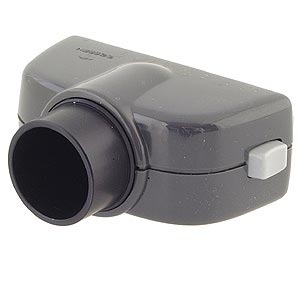
3. Versatility: A microscope adapter allows you to use different types of digital cameras with your microscope, offering flexibility and compatibility.
Tips for Achieving High-Quality Images with the Adapter
1. Properly Align the Camera: Make sure your digital camera is securely attached to the microscope adapter and properly aligned with the eyepiece of the microscope to capture clear and focused images.
2. Adjust Camera Settings: Experiment with different camera settings such as aperture, ISO, and shutter speed to optimize the image quality and exposure levels for your specific microscope setup.
3. Use Adequate Lighting: Ensure proper lighting conditions by adjusting the microscope’s light source or using external lighting sources to enhance image clarity and contrast.
4. Clean the Lens and Camera Sensor: Regularly clean the camera lens and sensor to prevent dust and debris from affecting image quality and clarity.
5. Fine-Tune Focus and Magnification: Use the microscope’s focusing mechanisms to achieve sharp focus and adjust the magnification level to capture detailed images of your samples.
6. Take Multiple Shots: Capture multiple images of the same sample at different focal points or magnifications to ensure you have a variety of options to choose from when selecting the best image.
7. Post-Processing: Use photo editing software to enhance and fine-tune your images by adjusting brightness, contrast, color balance, and sharpness to achieve the desired results.
Comparison of DIY vs. Commercially Available Adapters
When considering whether to make your own microscope adapter for a digital camera or purchase a commercially available one, there are several factors to take into account.
Cost: DIY adapters are usually more cost-effective as you can use materials you already have or purchase them at a lower cost compared to commercially available adapters.

Quality: Commercially available adapters are designed and manufactured to specific standards, ensuring a higher quality and precision fit compared to DIY adapters which may vary in quality depending on your skill level and materials used.
Convenience: Purchasing a commercially available adapter saves time and effort as it is ready to use out of the box, while making your own adapter requires time and effort to design, build, and test.
Customization: DIY adapters offer the flexibility to customize the design to fit your specific microscope and camera setup, while commercially available adapters may have limited compatibility options.
Ultimately, the decision between DIY and commercially available adapters depends on your budget, skills, and requirements for precision and convenience.
Applications of Microscope Adapters in Science and Research
Microscope adapters play a crucial role in various scientific fields and research endeavors. These adapters are essential for connecting digital cameras to microscopes, allowing researchers to capture high-quality images and videos of microscopic specimens. Here are some key applications of microscope adapters:

1. Biological Research
In biological research, microscope adapters are used to document and analyze cellular structures, organisms, and biological processes. By connecting a digital camera to a microscope, researchers can observe and record detailed images of cells, tissues, and microorganisms for further study and analysis.
2. Material Science
In material science, microscope adapters are employed to examine the microstructure of materials at a microscopic level. Researchers can use digital cameras attached to microscopes to study the composition, properties, and behavior of various materials, such as metals, polymers, and composites, aiding in the development of new materials and technologies.
- 3. Forensic Science
- In forensic science, microscope adapters are utilized for analyzing trace evidence, such as fibers, hair, and fingerprints. By capturing high-resolution images of minute details using digital cameras connected to microscopes, forensic investigators can gather crucial evidence for criminal investigations and court proceedings.
Overall, microscope adapters have diverse applications in science and research, enabling researchers to visualize and document microscopic phenomena with precision and clarity.
FAQ
What materials do I need to make a microscope adapter for a digital camera?
To make a microscope adapter for a digital camera, you will need a camera body cap, an old microscope eyepiece, a PVC pipe, a drill, a saw, and glue. These materials will help you create a simple and effective adapter to connect your digital camera to a microscope.
Is it difficult to make a microscope adapter for a digital camera?
Creating a microscope adapter for a digital camera is a relatively simple DIY project that can be done with basic tools and materials. As long as you follow the instructions carefully and have some patience, you should be able to make an adapter that works well with your microscope and camera.
Can I use the microscope adapter for different types of cameras?
The microscope adapter you make can be customized to fit different types of cameras by adjusting the size and shape of the PVC pipe and camera body cap. This adaptability allows you to use the same adapter with various cameras, as long as they have a compatible lens mount.
How does a microscope adapter enhance the capabilities of a digital camera?
A microscope adapter allows you to attach your digital camera to a microscope, enabling you to capture high-quality images and videos of microscopic specimens. This enhances the capabilities of your camera by transforming it into a powerful tool for scientific research, education, and photography.


How do I ensure that the camera is properly aligned with the microscope lens? Are there specific tips or adjustments I should consider during setup?
I recently made a microscope adapter using PVC pipe as mentioned in the article. It took some trial and error to get the measurements right, but once I did, the results were amazing! The images I captured of plant cells were so much clearer than I expected. Just a heads up, double-check the diameter of the eyepiece before cutting the pipe.
Thanks for sharing your experience! It's great to hear that you achieved good results. Double-checking measurements can definitely save time and improve the quality of your adapter.
I feel like buying a commercially available adapter would be more reliable than making one. DIY sounds fun, but I worry about the quality.
I get where you’re coming from, but sometimes DIY can yield better results if you take your time and customize it for your specific needs. Plus, it's a lot cheaper!
Can you clarify what type of glue is best for securing the camera lens in the PVC pipe? I want to make sure it holds well without damaging anything.