
 Carmen J. Moore

Photography is an art form that continues to evolve with the advancement of technology, and the digital camera has revolutionized the way we capture images. Whether you’re a beginner looking to learn the basics or an experienced photographer wanting to enhance your skills, mastering photography with a digital camera offers endless opportunities for creativity.
Learning photography with a digital camera involves understanding the technical aspects of the device, as well as developing your artistic vision and composition skills. With the right knowledge and practice, you can take your photography to the next level and create stunning images that tell a story.
This article will guide you through the essential steps and techniques to help you learn photography with your digital camera, from mastering exposure settings to composition tips and post-processing tricks. Whether you’re shooting landscapes, portraits, or street photography, this guide will equip you with the tools and knowledge to capture beautiful and compelling images.
Mastering the Art of Photography
Mastering the art of photography takes time, dedication, and practice. Here are some tips to help you improve your photography skills:

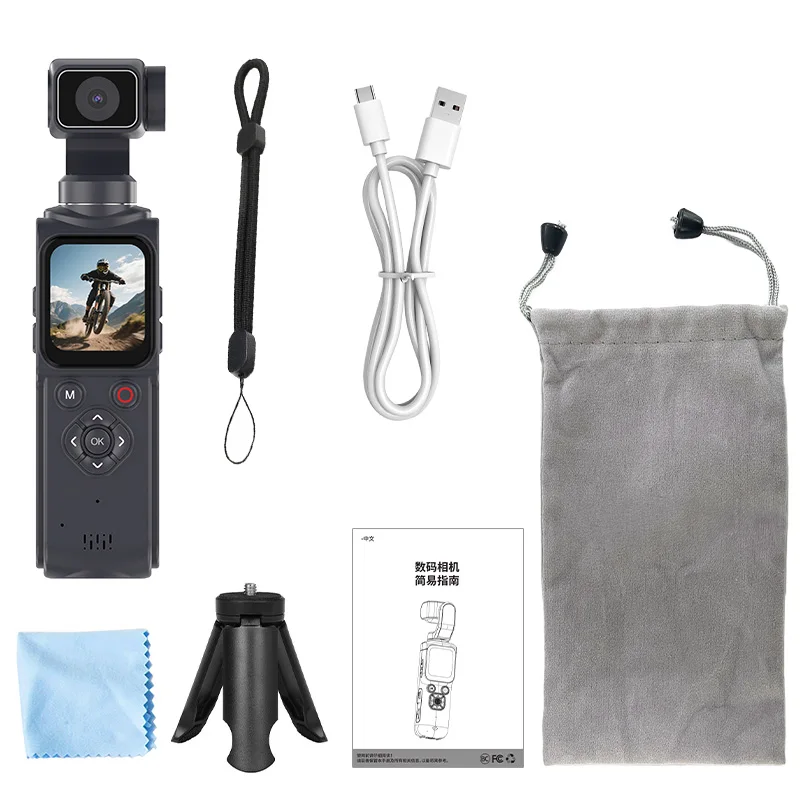
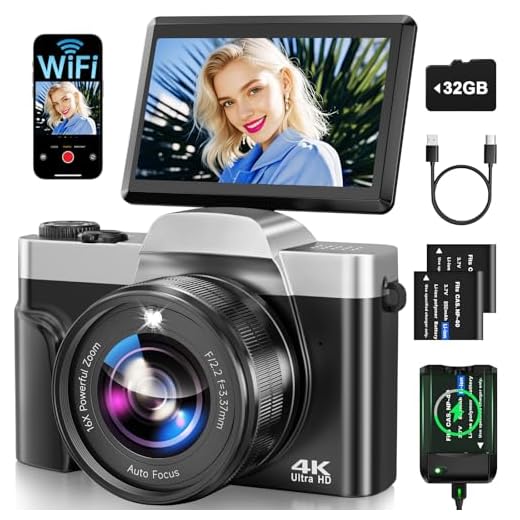
- Understand your camera: Learn how to use all the features and settings of your digital camera. Experiment with different modes and settings to understand their effects on your photos.
- Learn the basics: Understand the fundamentals of photography, such as composition, lighting, and exposure. Practice applying these principles in your photos.
- Practice regularly: Take your camera everywhere and practice taking photos in different lighting conditions and settings. The more you practice, the better you will become.
- Study the work of others: Look at the work of professional photographers and analyze their techniques. This can inspire you and help you develop your own style.
- Get feedback: Share your photos with others and ask for feedback. Constructive criticism can help you identify areas for improvement and grow as a photographer.
- Experiment and have fun: Don’t be afraid to try new things and experiment with different techniques. Photography is a creative art form, so have fun and express yourself through your photos.
By following these tips and dedicating time to practice and learn, you can master the art of photography and capture stunning images with your digital camera.
Choosing the Right Digital Camera
When learning photography with a digital camera, choosing the right camera is crucial. Here are some factors to consider:
1. Budget
Determine how much you are willing to spend on a digital camera. There are options available for every budget, so make sure to set a realistic budget before making a purchase.
2. Camera Type
- Point-and-Shoot: These cameras are compact and easy to use, making them great for beginners.
- DSLR: Digital Single-Lens Reflex cameras offer more control over settings and interchangeable lenses, making them ideal for enthusiasts and professionals.
- Mirrorless: These cameras combine the portability of point-and-shoot cameras with the versatility of DSLRs.
Consider your photography goals and preferred shooting style when choosing the camera type.
By considering your budget and camera type preferences, you can select the right digital camera to start your photography journey.

Understanding Camera Settings
Learning how to adjust the settings on your digital camera is crucial for mastering photography. Here are some key settings you should become familiar with:
1. Aperture: The aperture controls the amount of light that enters the camera. A lower f-stop (e.g. f/2.8) means a larger aperture and more light, while a higher f-stop (e.g. f/16) means a smaller aperture and less light.
2. Shutter Speed: Shutter speed determines how long the camera’s shutter remains open when taking a photo. A faster shutter speed freezes motion, while a slower shutter speed creates motion blur.
3. ISO: ISO measures the camera’s sensitivity to light. A lower ISO (e.g. 100) is ideal for bright conditions, while a higher ISO (e.g. 1600) is better for low-light situations, but may introduce noise.
4. White Balance: White balance adjusts the color temperature of your photos to ensure accurate colors. You can choose presets like daylight, cloudy, or tungsten, or manually adjust the white balance setting.
Understanding and experimenting with these settings will help you take control of your camera and capture stunning photos in any situation.
Exploring Composition Techniques
Composition is a crucial aspect of photography that can make or break a photo. Here are some composition techniques to help you improve your photography skills:
Rule of Thirds
The rule of thirds is a fundamental composition technique where you divide your frame into nine equal parts using two horizontal and two vertical lines. The key elements of your subject should align with these lines or their intersections to create a more visually appealing image.
Leading Lines
Leading lines are lines within a photograph that lead the viewer’s eye to the main subject or focal point. These lines can be straight, diagonal, curved, or even converging lines that guide the viewer through the image and create a sense of depth and movement.
- Experiment with different angles and perspectives to find unique leading lines in your compositions.
- Use natural elements like roads, fences, rivers, or buildings to create leading lines in your photos.
Learning about Lighting and Exposure
Understanding lighting and exposure is crucial in photography. Proper lighting can make a huge difference in the quality of your photos. Here are some key points to remember:
1. Natural Light vs. Artificial Light
Learn to work with natural light, such as sunlight, as well as artificial light sources like lamps and flashes. Experiment with different types of light to see how they affect your photos.
2. Exposure Settings
Master the exposure settings on your camera, including aperture, shutter speed, and ISO. Understanding how these settings work together will help you achieve the desired lighting and exposure for your photos.
Practice makes perfect! Try taking photos in various lighting conditions to improve your skills and enhance your photography.
Experimenting with Different Lenses
One of the most exciting aspects of photography is experimenting with different lenses. Different lenses can drastically change the look and feel of your photos, allowing you to capture a wide range of subjects in unique ways.
Wide-angle lenses are great for capturing vast landscapes or tight spaces, while telephoto lenses are perfect for capturing subjects from a distance. Macro lenses allow you to get up close and personal with small subjects, revealing intricate details that are often overlooked.

Try Different Perspectives
When experimenting with different lenses, don’t be afraid to try new perspectives. Get low to the ground or shoot from a high vantage point to add visual interest to your photos. Play around with depth of field and focal length to create stunning effects that highlight your subject in creative ways.
Remember, each lens has its own unique characteristics and strengths, so take the time to explore and experiment with different lenses to discover what works best for your photography style.
Post-Processing and Editing Skills
Once you have taken your photos with your digital camera, the next step is to enhance and refine them through post-processing and editing. This is where you can really make your photos stand out and showcase your creativity.
Learning how to use editing software such as Adobe Photoshop or Lightroom is essential for photographers. These tools allow you to adjust exposure, contrast, colors, and other elements of your photos to achieve the desired look.
Key editing techniques:
Cropping: Crop your photos to improve composition and remove distractions.
Color correction: Adjust the colors in your photos to make them more vibrant or realistic.
Contrast and exposure adjustments: Fine-tune the contrast and exposure levels to enhance the overall look of your photos.
Experiment and practice:
Don’t be afraid to experiment with different editing techniques and styles. The more you practice, the more you will develop your own editing style and create stunning photos that reflect your unique vision.
Developing Your Own Style
One of the most exciting parts of learning photography with a digital camera is developing your own unique style. Your style is what sets your photos apart from others and makes them recognizable as yours. Here are some tips to help you find and develop your own style:
- Experiment: Try different techniques, angles, and subjects to see what you enjoy shooting the most. Experimenting will help you discover what you like and what you are good at.
- Study other photographers: Look at the work of other photographers you admire and try to understand what makes their style unique. You can learn a lot by studying the work of others.
- Practice consistently: The more you practice, the more you will refine your style. Make it a habit to take photos regularly and challenge yourself to try new things.
- Edit your work: After each photo shoot, take the time to review and edit your photos. Look for patterns in your work and identify what elements make your photos stand out.
- Stay true to yourself: Don’t try to imitate someone else’s style. Your unique perspective and experiences are what will make your photos special. Embrace who you are and let it shine through in your work.
Joining Photography Communities
If you want to enhance your photography skills with a digital camera, consider joining photography communities online or in your local area. These communities are a great place to connect with fellow photographers, share tips and tricks, and get feedback on your work.
Online Communities: Websites like Flickr, 500px, and Instagram are popular platforms where photographers from around the world share their work. Joining these communities allows you to see the work of others, get inspired, and participate in discussions.
Local Photography Clubs: Many cities have photography clubs or meet-up groups where you can meet like-minded individuals and participate in group photo shoots or workshops. This is a great way to learn from others and gain new perspectives on photography.
Workshops and Events: Look out for photography workshops, seminars, and events in your area. These can be a great opportunity to learn from experts, gain hands-on experience, and network with other photographers.
By joining photography communities, you can immerse yourself in the world of photography, learn from others, and improve your skills with a digital camera.
Attending Workshops and Courses
One of the best ways to learn photography with a digital camera is by attending workshops and courses. These hands-on learning experiences can provide valuable insights, tips, and techniques from experienced photographers.

Workshops often focus on specific aspects of photography, such as portrait photography, landscape photography, or macro photography. They typically include practical exercises, demonstrations, and feedback sessions to help you improve your skills.
Courses, on the other hand, offer a more structured approach to learning photography. They may cover a wide range of topics, from basic camera settings to advanced editing techniques. Online courses are also widely available, allowing you to learn at your own pace.
By participating in workshops and courses, you can gain knowledge, inspiration, and feedback from professionals in the field. It’s a great way to enhance your photography skills and take your images to the next level.
Practicing and Patience
Learning photography with a digital camera takes time and dedication. One of the most important things you can do to improve your skills is to practice regularly. Take your camera with you wherever you go and experiment with different settings and techniques. Try shooting in different lighting conditions and at different times of day to see how it affects your images.
It’s also important to be patient with yourself. Photography is a skill that takes time to develop, so don’t get discouraged if your photos don’t turn out the way you want them to at first. Keep practicing, keep learning, and most importantly, keep having fun with it!
FAQ
How can I start learning photography with a digital camera?
Learning photography with a digital camera can be a fun and rewarding experience. To start, familiarize yourself with the basic functions of your camera, such as aperture, shutter speed, and ISO. Experiment with different settings and practice taking photos in various lighting conditions to understand how they affect your images.
What are some tips for beginners who want to learn photography with a digital camera?
For beginners learning photography with a digital camera, it’s important to practice regularly and experiment with different techniques. Start by understanding composition rules, such as the rule of thirds, leading lines, and framing. Additionally, don’t be afraid to make mistakes and learn from them. Joining photography communities or taking online courses can also help you improve your skills.
Is it necessary to have an expensive digital camera to learn photography?
No, it’s not necessary to have an expensive digital camera to learn photography. While high-end cameras may offer more advanced features, you can still learn the basics of photography with an entry-level or mid-range camera. Focus on understanding the fundamentals of photography, such as composition, lighting, and exposure, before considering upgrading to a more advanced camera.


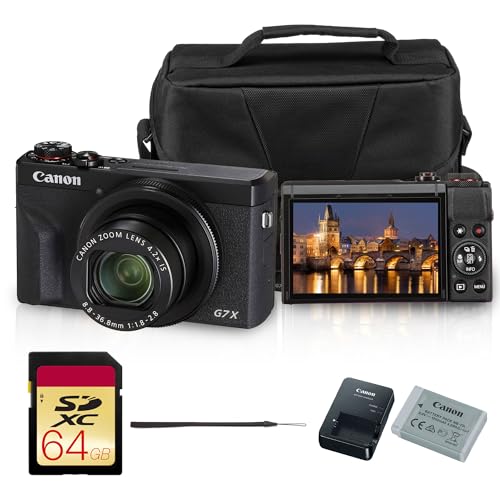
What camera settings should I prioritize as a beginner? I’m still getting used to my new DSLR and feel overwhelmed with all the options.
I recently started practicing photography using a mirrorless camera, and it has been a game changer for me. The lightweight design makes it easy to carry around, and I love the instant feedback on my settings through the electronic viewfinder. I've been focusing on different lighting conditions, and it really helps to learn how each setting impacts the photo. Anyone else finding mirrorless cameras to be better for learning?
Absolutely! I love my mirrorless camera too. The live preview feature really helps understand exposure better before you even take the shot.
I started learning photography last year and found that practicing in different lighting conditions really helped me improve my skills.
I don’t agree that you need to invest in expensive lenses right away. I’ve taken some great shots with a basic kit lens just by focusing on composition and lighting instead.
The rule of thirds has really changed how I compose my shots. It makes such a difference in making photos look balanced!
I'm interested in learning photography, but I'm not sure how much to spend on a beginner camera. Any recommendations on what features to prioritize?