
 Carmen J. Moore
Depth of field is a crucial aspect of photography that can greatly impact the overall look and feel of your images. It refers to the range of distance in a scene that appears acceptably sharp in the final photograph. A shallow depth of field can create beautiful bokeh effects, isolating the subject from the background, while a deep depth of field ensures that everything in the scene is in focus.
On a digital camera, controlling the depth of field can be achieved through various settings and techniques. By understanding the factors that influence depth of field and how to manipulate them, you can enhance the visual impact of your photographs and create stunning images that stand out.

In this article, we will explore some tips and tricks on how to increase the depth of field on your digital camera. From adjusting the aperture to using hyperfocal distance, we will cover everything you need to know to master this essential photography skill.
Understanding Depth of Field
Depth of field is a crucial element in photography that refers to the range of distance in a scene that appears sharp in an image. It is determined by the aperture setting, focal length, and distance between the camera and the subject.
The depth of field is affected by the aperture size – a smaller aperture (larger f-stop number) results in a greater depth of field, while a larger aperture (smaller f-stop number) creates a shallower depth of field. Focusing distance also plays a role, with closer distances resulting in a shallower depth of field.
Factors Affecting Depth of Field:
- Aperture: Adjusting the aperture size can control the depth of field in an image.
- Focal Length: Longer focal lengths tend to have a shallower depth of field compared to shorter focal lengths.
- Distance: The distance between the camera and the subject affects the depth of field, with closer distances resulting in a shallower depth of field.
What is Depth of Field?
Depth of field refers to the range of distance in a photograph where objects appear acceptably sharp. In other words, it is the area of the image that is in focus, while the foreground and background are blurred. Depth of field is determined by the aperture size, the focal length of the lens, and the distance between the camera and the subject.
A shallow depth of field results in a narrow area of sharpness, creating a blurred background that emphasizes the subject. On the other hand, a deep depth of field extends the sharpness throughout the image, keeping both the foreground and background in focus. Understanding depth of field is essential for achieving desired creative effects in photography.

Importance of Depth of Field
Depth of field is a crucial aspect of photography that can greatly impact the overall quality and aesthetic of an image. By controlling the depth of field, photographers can manipulate the focus and sharpness of different elements within a scene, creating a sense of dimension and visual interest.
A shallow depth of field can be used to isolate a subject from its background, drawing attention to the main focal point and creating a dreamy, artistic effect. On the other hand, a deep depth of field can ensure that everything in the frame is sharp and in focus, ideal for landscape or architectural photography where details are important.
Factors Affecting Depth of Field
Depth of field is influenced by several factors that can be adjusted to control the amount of sharpness in your photos. Understanding these factors can help you achieve the desired depth of field for your images.
1. Aperture Size
The most significant factor affecting depth of field is the size of the aperture. A smaller aperture (higher f-stop number) increases the depth of field, while a larger aperture (lower f-stop number) decreases it. Adjusting the aperture size allows you to control how much of your image is in focus.
2. Focal Length
Another factor that affects depth of field is the focal length of your lens. Longer focal lengths (telephoto lenses) tend to have a shallower depth of field, while shorter focal lengths (wide-angle lenses) provide a greater depth of field. Choosing the right focal length for your desired depth of field is essential.
| Factor | Effect on Depth of Field |
|---|---|
| Aperture Size | Smaller aperture increases depth of field |
| Focal Length | Longer focal lengths decrease depth of field |
Techniques to Increase Depth of Field
Depth of field is a crucial aspect of photography that determines the range of sharp focus in an image. To increase depth of field and capture more details in your photos, consider the following techniques:
| 1. Aperture Settings: | Use a smaller aperture (higher f-stop number) to increase depth of field. This restricts the amount of light entering the lens, resulting in a larger area in focus. |
| 2. Focus Stacking: | Take multiple shots of the same scene with different focal points and combine them using software to create a final image with extended depth of field. |
| 3. Hyperfocal Distance: | Focus at the hyperfocal distance, the point at which everything from half that distance to infinity appears sharp, to maximize depth of field. |
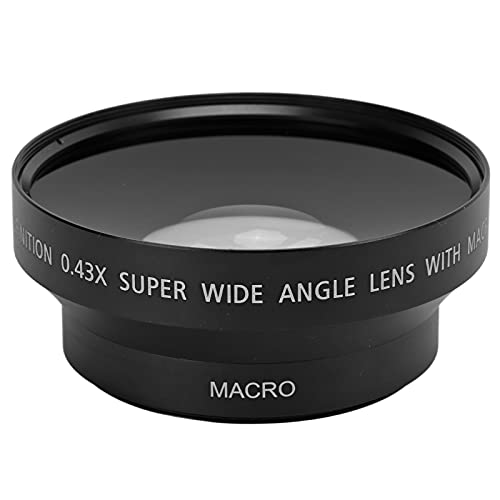
| 4. Use a Wide-angle Lens: | Wide-angle lenses inherently have a larger depth of field, making them ideal for capturing landscapes and group shots with everything in focus. |
| 5. Distance from Subject: | Increasing the distance between the camera and the subject can help increase depth of field, especially when shooting at wider apertures. |
Using Aperture Settings
One of the key factors in controlling depth of field is the aperture setting of your camera. The aperture is the opening in the lens through which light passes. A larger aperture (smaller f-stop number) will result in a shallower depth of field, while a smaller aperture (larger f-stop number) will increase the depth of field.
When you want to increase the depth of field in your photos, try using a higher f-stop number like f/8 or f/11. This will ensure that more of the scene is in focus, which is ideal for landscape or group shots where you want everything to be sharp and clear.
Keep in mind that changing the aperture setting will also affect the amount of light entering the camera, so you may need to adjust your shutter speed or ISO to maintain proper exposure. Experiment with different aperture settings to find the right balance between depth of field and exposure for your specific shooting conditions.
Using Focal Length
Another way to increase depth of field on a digital camera is by adjusting the focal length of the lens. A longer focal length will result in a shallower depth of field, while a shorter focal length will increase the depth of field.

To increase depth of field, try using a wider angle lens with a shorter focal length. This will allow you to capture more of the scene in focus, making it ideal for landscape or group shots where you want everything to be sharp and clear.
On the other hand, if you want to create a more artistic effect with a shallower depth of field, consider using a telephoto lens with a longer focal length. This will help you isolate your subject from the background, creating a beautiful bokeh effect.
Experiment with different focal lengths to see how they impact the depth of field in your photos and choose the one that best suits your creative vision.
Practical Tips for Better Depth of Field
Improving the depth of field in your photos can greatly enhance the overall quality of your images. Here are some practical tips to help you achieve better depth of field:
- Use a smaller aperture: Setting your camera to a higher f-stop number (e.g., f/8 or higher) will increase the depth of field in your photos.
- Focus on the hyperfocal distance: By focusing on a point beyond your subject, you can maximize the depth of field in your image.
- Position your subject carefully: Placing your subject closer to the camera can help increase the perceived depth in your photos.
- Use a wide-angle lens: Wide-angle lenses inherently have a greater depth of field, making them ideal for capturing expansive scenes with sharp focus throughout.
- Experiment with manual focus: Sometimes, manually adjusting the focus can help you achieve the desired depth of field more effectively than relying on autofocus.
- Consider using a tripod: Stabilizing your camera on a tripod can help ensure sharp focus and maximize the depth of field, especially in low-light conditions.
FAQ
What is depth of field and why is it important in photography?
Depth of field refers to the range of distance that appears acceptably sharp in a photograph. It is important in photography because it allows you to control what is in focus in your image, creating a sense of depth and directing the viewer’s attention to specific elements of the scene.

How can I increase the depth of field on my digital camera?
To increase the depth of field on your digital camera, you can use a smaller aperture (higher f-stop number), focus on a point about one-third into the scene, and use a wide-angle lens. Additionally, increasing the distance between the camera and the subject can also help increase the depth of field.
Are there any specific settings or techniques I should use to achieve a greater depth of field in my landscape photography?
For landscape photography, you can maximize the depth of field by using a small aperture (such as f/16 or higher), focusing about one-third into the scene, and using a wide-angle lens. Additionally, you can consider using a hyperfocal distance technique to ensure everything from a certain point in the scene to infinity is in focus.


Is there a noticeable difference in depth of field between a 35mm lens and a 24mm lens?
Yes, the 24mm will usually give you a deeper depth of field compared to 35mm, especially if you're shooting at the same aperture.
What settings do you recommend for increasing depth of field in low light conditions? I often struggle getting everything in focus at night.
Using hyperfocal distance really changed my outdoor shots! It’s a great technique for landscapes.
Good article! I’ve been trying to understand depth of field better. Could you clarify how the distance from the subject affects depth of field?