
 Carmen J. Moore

Are you ready to take your photography skills to the next level? Capturing motion in your photos can add a dynamic and engaging element to your work. With the right techniques and a digital camera, you can create stunning moving photography that will impress your audience.
What is moving photography? Moving photography, also known as motion blur photography, involves intentionally capturing subjects in motion to create a sense of speed, energy, and fluidity in your images. It’s a creative technique that can transform ordinary scenes into captivating visual stories.

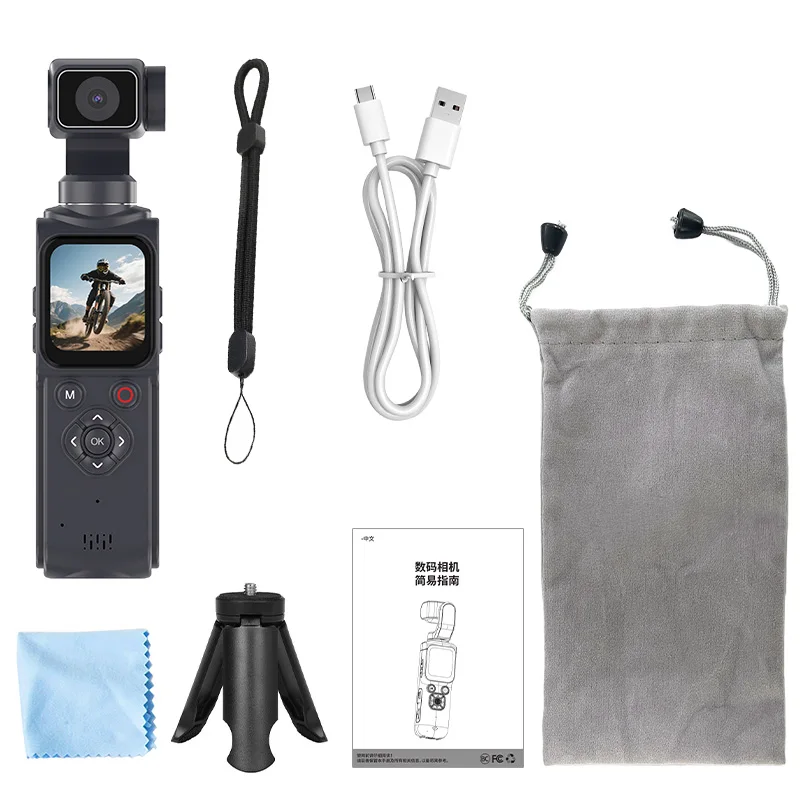

In this guide, we’ll explore the essential tips and tricks for mastering moving photography on your digital camera. From choosing the right settings to capturing the perfect moment, you’ll learn how to create compelling and dynamic images that stand out from the crowd.
Mastering the Basics
Before delving into more advanced techniques for moving photography on a digital camera, it’s crucial to master the basics. Here are some essential tips to help you get started:
1. Understand Your Camera Settings
Take the time to familiarize yourself with your camera’s settings, including shutter speed, aperture, and ISO. These settings will play a crucial role in capturing moving subjects effectively.
2. Practice with Static Subjects
Start by practicing with stationary subjects to get a feel for how your camera captures images. This will help you understand the basics of composition and framing before moving on to capturing moving subjects.
Choosing the Right Camera
When it comes to capturing moving photography, choosing the right camera is crucial. Here are some key factors to consider:

- Frame Rate: Look for a camera that offers a high frame rate to capture smooth motion. A frame rate of at least 60fps is recommended for moving photography.
- Resolution: Higher resolution cameras will provide better quality images, especially when capturing fast-moving subjects.
- Autofocus System: A fast and accurate autofocus system is essential for tracking moving subjects. Look for cameras with advanced autofocus capabilities.
- Image Stabilization: Image stabilization technology can help reduce blur in moving photography. Choose a camera with built-in stabilization or use a stabilizing accessory.
- Size and Weight: Consider the portability of the camera, especially if you plan to shoot moving photography on the go. A lightweight and compact camera may be more convenient.
Understanding Shutter Speed
Shutter speed is a key element in moving photography on a digital camera. It refers to the amount of time the camera’s shutter remains open to capture an image. A faster shutter speed freezes motion, while a slower shutter speed creates motion blur.
When shooting moving subjects, such as sports or wildlife, a fast shutter speed (1/500s or faster) is recommended to capture sharp, detailed images. Conversely, when capturing creative effects like light trails or flowing water, a slower shutter speed (1/30s or slower) can produce stunning results.
Experimenting with different shutter speeds allows you to control the motion in your photos and convey a sense of speed or stillness. Understanding how shutter speed affects your images is essential for achieving the desired visual impact in moving photography.
Using the Tripod
One essential tool for achieving smooth and stable moving photography on a digital camera is a tripod. A tripod provides a solid base for your camera, preventing shaky footage and ensuring clear, crisp images. When using a tripod for moving photography, make sure to adjust the height and angle to frame your shot correctly. Additionally, use a tripod with a fluid head for smooth panning and tilting movements. Secure your camera tightly to the tripod to avoid any unwanted movement during shooting. By using a tripod, you can capture professional-looking moving photography with ease.
Experimenting with Movement
One of the key elements of moving photography is capturing movement in a creative and dynamic way. Experimenting with different techniques can help you achieve unique and interesting results.

1. Slow Shutter Speed
Using a slow shutter speed can create a sense of motion in your photos. Experiment with different shutter speeds to see how they affect the movement in your images. A slower shutter speed will blur the movement, while a faster shutter speed will freeze the action.
2. Panning
Panning involves moving your camera along with a moving subject to create a sense of speed and motion. Practice panning with different subjects and experiment with different speeds to achieve the desired effect.
- Choose a slow shutter speed to blur the background and create a sense of movement.
- Keep your subject in focus while panning to create a sharp image of the moving subject against a blurred background.
Editing and Enhancing
Once you have captured your moving photographs, it’s time to edit and enhance them to make them stand out. Here are some tips to help you make the most of your moving photography:
- Use editing software like Adobe Photoshop or Lightroom to adjust the exposure, contrast, and colors of your moving photographs.
- Experiment with different filters and effects to give your moving photographs a unique look and feel.
- Crop and resize your moving photographs to improve composition and focus on the moving subject.
- Add text or graphics to your moving photographs to create interesting and engaging visuals.
- Consider converting your moving photographs to black and white for a classic and timeless look.
Remember that editing and enhancing your moving photographs is a creative process, so don’t be afraid to experiment and try new things to make your moving photography truly stand out.
Capturing Dynamic Shots
To capture dynamic shots in moving photography, it is essential to pay attention to composition and timing. Here are some tips to help you achieve stunning results:
1. Choose the Right Shutter Speed
Adjusting the shutter speed can make a significant difference in capturing motion. Use a faster shutter speed to freeze action or a slower shutter speed to create a sense of motion blur.
2. Experiment with Different Angles
Try shooting from different angles to add depth and visual interest to your moving photographs. Get creative with your framing to capture unique perspectives.
By following these tips and experimenting with different techniques, you can create dynamic and engaging moving photography on your digital camera.
Showcasing Your Work
Once you have captured some stunning moving photography on your digital camera, it’s time to showcase your work to the world. Here are a few tips to help you present your photos in the best possible way:
1. Create an Online Portfolio
Consider creating an online portfolio to display your moving photography. You can use platforms like Flickr, 500px, or Instagram to share your work with a wider audience. Make sure to organize your photos into different albums or categories to make it easy for viewers to navigate.

2. Participate in Photo Contests
Another great way to showcase your moving photography is by participating in photo contests. Look for contests that focus on motion photography and submit your best work. Winning a contest can give your work valuable exposure and recognition in the photography community.
FAQ
What equipment do I need to do moving photography on a digital camera?
To do moving photography on a digital camera, you will need a camera with manual settings, a tripod to keep the camera stable, and a remote shutter release to prevent camera shake. Additionally, a fast memory card and a lens with a wide aperture will help capture moving subjects with clarity.
Can you provide some tips for capturing moving subjects with a digital camera?
When capturing moving subjects with a digital camera, it’s important to use a fast shutter speed to freeze the action. Additionally, try panning the camera to create a sense of motion in your photos. Experiment with different angles and compositions to add interest to your moving photography. Don’t forget to practice and be patient, as capturing moving subjects can take time to master.



What camera settings do you recommend for beginners wanting to try moving photography? I have a basic DSLR but not sure where to start.
For beginners, I'd suggest starting with a shutter speed of at least 1/500s for action shots. Keep the ISO low to avoid grain, and experiment with your aperture to get different effects.
I recently tried moving photography at a local race and it was challenging but fun! I used a fast shutter speed to capture the racers, but I also experimented with slower speeds for some cool motion blur effects. I found that using a tripod helped me keep the shots stable during panning. It’s definitely a learning curve, but the results were worth it!
Sounds like an awesome experience! I’ve been hesitant to use a tripod for moving shots, but it makes sense. Did you find any particular angles or positions worked better?