
 Carmen J. Moore

Understanding how to change the focal length on your digital camera is a crucial skill for any photographer looking to enhance their creativity and capture stunning images. Focal length plays a significant role in determining the perspective, composition, and overall look of your photos. By mastering the art of adjusting focal length, you can unlock a world of photographic possibilities.
What is focal length? In simple terms, focal length refers to the distance between the lens of your camera and the image sensor when the subject is in focus. It is measured in millimeters and determines the field of view and magnification of your lens. By changing the focal length, you can zoom in or out on your subject, capturing different levels of detail and creating unique visual effects.

Understanding Focal Length
Focal length is a key concept in photography that determines the field of view and magnification of a camera lens. It is measured in millimeters and indicates the distance between the lens and the image sensor when the subject is in focus.
A shorter focal length (e.g., 18mm) provides a wider field of view, making it ideal for capturing landscapes or group shots. On the other hand, a longer focal length (e.g., 200mm) offers a narrower field of view and greater magnification, perfect for capturing distant subjects or portraits with a blurred background.
Understanding focal length helps photographers choose the right lens for different types of photography and achieve the desired composition and perspective in their images.
Types of Focal Length
When it comes to focal length on a digital camera, there are generally two types: fixed focal length and zoom lens.
- Fixed Focal Length: Also known as prime lenses, these lenses have a fixed focal length, meaning they cannot zoom in or out. They are often preferred for their sharp image quality and wide aperture capabilities.
- Zoom Lens: Zoom lenses have a variable focal length, allowing you to zoom in and out to frame your shot without changing the lens. Zoom lenses are versatile and convenient for capturing a range of subjects without having to switch lenses.
Understanding the different types of focal length can help you choose the right lens for your photography needs.

Adjusting Focal Length
To change the focal length on a digital camera, locate the zoom ring or buttons on your camera. The zoom ring is typically found on the camera lens, while the zoom buttons are usually located on the camera body. Use the zoom ring to manually adjust the focal length by rotating it clockwise or counterclockwise. If your camera has zoom buttons, press the “+” button to zoom in and the “-” button to zoom out.
Zoom vs. Prime Lenses
When it comes to choosing a lens for your digital camera, you may come across the terms “zoom” and “prime” lenses. Each type has its own set of advantages and disadvantages, so it’s important to understand the differences between them.
Zoom Lenses
Zoom lenses have a variable focal length, allowing you to adjust the magnification level without changing the physical position of the camera. This versatility makes them a popular choice for photographers who want the flexibility to capture a wide range of subjects without changing lenses.
Prime Lenses
Prime lenses, on the other hand, have a fixed focal length, which means they do not have the ability to zoom in or out. While this may seem limiting, prime lenses are known for their superior image quality, sharpness, and wider aperture capabilities compared to zoom lenses.
Ultimately, the choice between a zoom and prime lens comes down to your specific photography needs and preferences. If versatility and convenience are important to you, a zoom lens may be the way to go. However, if you prioritize image quality and are willing to sacrifice some flexibility for sharper images, a prime lens might be the better option.

Focal Length and Perspective
Understanding focal length is essential for capturing the desired perspective in your photographs. Focal length determines the angle of view and magnification of your camera lens, which directly affects the composition and depth of field of your images.
Wide-angle Lenses:
- Short focal lengths (typically 24mm to 35mm) are considered wide-angle lenses.
- These lenses capture a wider field of view, making them ideal for landscapes, architecture, and interior photography.
Telephoto Lenses:
- Long focal lengths (such as 85mm, 100mm, or higher) are telephoto lenses.
- Telephoto lenses magnify distant subjects, making them perfect for sports, wildlife, and portrait photography.
Experimenting with different focal lengths allows you to explore various perspectives and create unique compositions in your photographs.
Depth of Field and Focal Length
Depth of field refers to the range of distance that appears acceptably sharp in an image. It is influenced by several factors, including the focal length of the lens. Focal length plays a crucial role in determining the depth of field in a photograph.
When using a longer focal length, such as a telephoto lens, the depth of field tends to be shallower. This means that objects in the foreground and background may appear more blurred while the subject remains in focus. On the other hand, a shorter focal length, like a wide-angle lens, typically results in a deeper depth of field, where more of the scene is in focus.
Understanding the relationship between focal length and depth of field can help photographers achieve their desired creative effects. Experimenting with different focal lengths allows for control over the amount of background blur and sharpness in an image, leading to more dynamic and visually appealing photos.
Focal Length and Composition
Focal length plays a crucial role in the composition of your photos. It determines the perspective and framing of your shot, influencing how your subject appears in the final image. A longer focal length, such as 50mm or higher, will compress the scene and make distant objects appear closer together, while a wider focal length, like 24mm or lower, will create a sense of depth and space in your photos.
When choosing the focal length for your shot, consider the effect you want to achieve. A shorter focal length is great for capturing vast landscapes or fitting more elements into the frame, while a longer focal length can isolate your subject and create a more intimate portrait. Experiment with different focal lengths to see how they impact your composition and storytelling.
Focal Length and Image Quality
Focal length plays a crucial role in determining the quality of the images captured by a digital camera. A shorter focal length (wide-angle lens) allows for a wider field of view, making it ideal for landscapes and architectural photography. On the other hand, a longer focal length (telephoto lens) brings distant subjects closer and is great for portrait and wildlife photography.
When changing the focal length on a digital camera, it’s important to consider how it will impact the image quality. Generally, lenses perform best at their mid-range focal lengths, producing sharp and detailed images. Extreme focal lengths can introduce distortions, such as barrel distortion at wide angles or pincushion distortion at telephoto lengths.
Experimenting with different focal lengths can help you understand how they affect your images and improve your photography skills.

Focal Length and Creativity
Focal length plays a crucial role in photography, not only in terms of framing and composition but also in unleashing your creativity. By understanding how different focal lengths affect your images, you can create unique and compelling photos that stand out.
Wide-angle lenses, typically in the range of 10-35mm, are great for capturing expansive landscapes, architecture, and emphasizing depth in your photos. They can distort perspective, leading to dynamic and dramatic compositions.
On the other hand, telephoto lenses, ranging from 70-200mm and beyond, allow you to isolate subjects, compressing the scene and creating a sense of intimacy. They are ideal for portraits, wildlife photography, and sports photography.
Experimenting with different focal lengths not only helps you discover new perspectives but also enhances your storytelling abilities. Whether you’re using a zoom lens or a prime lens, mastering focal length can elevate your photography and help you express your artistic vision.
Practical Tips for Changing Focal Length
1. Understand your camera’s zoom capabilities: Before changing the focal length, familiarize yourself with the zoom features of your camera. Know how much you can zoom in and out to adjust the focal length.
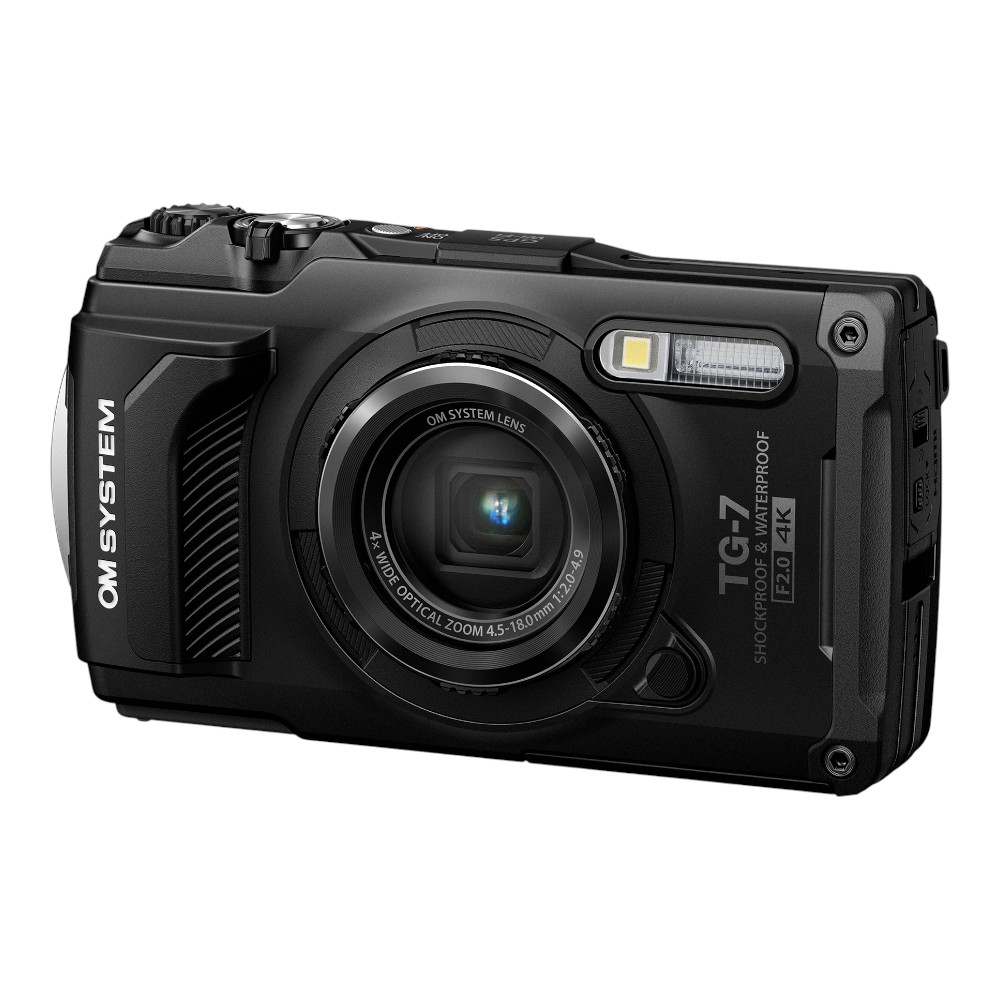
2. Use the zoom ring or buttons: Most digital cameras have a zoom ring or buttons that allow you to adjust the focal length. Experiment with these controls to find the right focal length for your shot.
3. Consider the composition: When changing the focal length, think about how it will affect the composition of your image. Zooming in can emphasize certain elements, while zooming out can capture more of the scene.
4. Practice with different focal lengths: Try shooting the same subject at different focal lengths to see how it changes the perspective and depth of field. This will help you understand the impact of focal length on your images.
5. Pay attention to image quality: Keep in mind that using extreme focal lengths can sometimes result in image distortion or loss of sharpness. Be mindful of the quality of your images when changing the focal length.
FAQ
How can I change the focal length on my digital camera?
To change the focal length on a digital camera, you can use the zoom function. Most digital cameras have a zoom lens that allows you to adjust the focal length by zooming in or out. Some cameras have a physical zoom ring, while others have buttons or a touchscreen interface to control the zoom. Simply adjust the zoom to the desired focal length to change the perspective of your photographs.
Is it possible to change the focal length on a digital camera without a zoom lens?
If your digital camera does not have a zoom lens, you may not be able to change the focal length. Fixed focal length lenses, also known as prime lenses, do not have the ability to zoom in or out like zoom lenses. In this case, you would need to physically swap out the lens for one with a different focal length to achieve the desired effect. Consider investing in interchangeable lenses to have more flexibility in adjusting the focal length on your digital camera.


Could you explain more about how focal length affects depth of field? I always thought it was just about the aperture size. Is there a specific focal length that works best for portraits?
Depth of field is influenced by both focal length and aperture. Longer focal lengths tend to produce a shallower depth of field, which is great for isolating subjects in portraits. A focal length of around 85mm is often recommended for portrait photography, as it provides flattering compression.
I started with a 50mm prime lens, and it really helped me understand depth of field better. The images are super sharp!
What would you recommend for a beginner who wants to experiment with different focal lengths? Should I start with a zoom lens or a prime lens?
It depends on your needs! A zoom lens offers versatility, making it easier to try out various focal lengths without changing lenses. A prime lens can provide better image quality but requires you to move around more to frame your shots.
Experimenting with different focal lengths really opened up my photography. I didn’t realize how much it could change the mood of a photo!
I disagree that zoom lenses are always more versatile. I find that prime lenses often produce better image quality and can be more creative in terms of composition. Sometimes limitations can lead to better photos!